Should You Take a Taxi in Japan? Cost and TipsShould You Take a Taxi in Japan? Cost and Tips
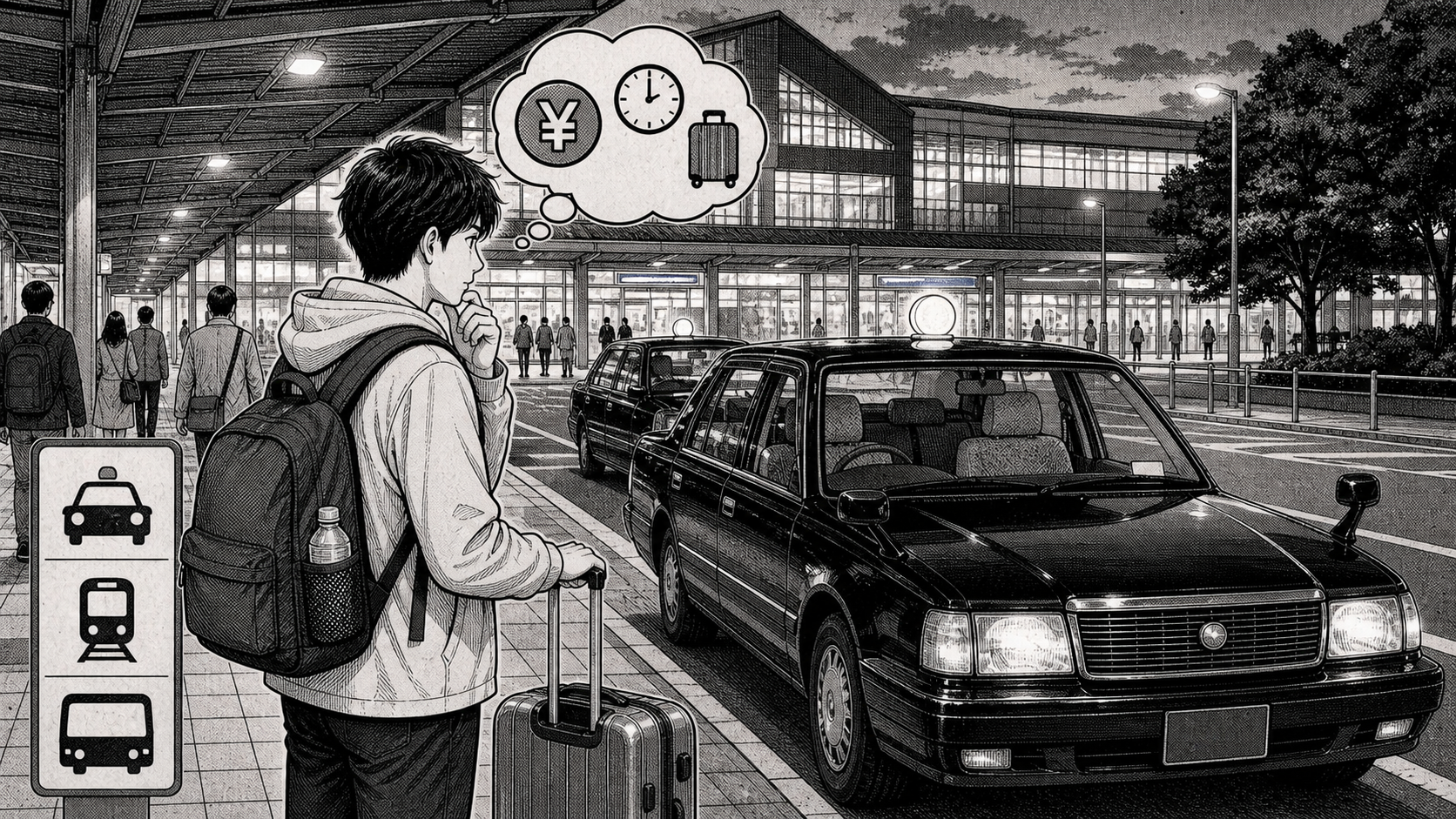
Taking a taxi in Japan can be a convenient but sometimes expensive option for travelers. This article explores the costs, benefits, and practical tips for using taxis in Japan, helping you make informed decisions during your visit.

<h2>Quick Answer</h2>

Taxis in Japan are generally safe, clean, and reliable but more expensive than public transportation. They're most useful for short distances, late-night travel, when carrying heavy luggage, or when public transportation isn't available. For most daytime travel in cities, trains and buses are more economical. However, for convenience, comfort, or when traveling in groups, taxis can be a worthwhile option despite the higher cost.

<h2>What Travelers Should Know</h2>

<h3>Taxi Availability and Accessibility</h3>

Taxis are widely available in urban areas of Japan, with designated taxi stands at train stations, hotels, and popular tourist spots. In smaller towns and rural areas, availability may be limited, especially during late hours. Most taxis can accommodate up to four passengers with standard luggage, though larger vehicles can be requested for groups or extra baggage. Many taxi companies now offer services in English, and some premium services provide English-speaking drivers.

<h3>Cost Considerations</h3>

Taxi fares in Japan are metered and generally higher than public transportation costs. Initial flag-down fees vary by location, with metropolitan areas typically having higher starting rates than smaller cities. Additional charges may apply for late-night service, highway tolls (if applicable), and waiting time during traffic. While specific prices fluctuate and change over time, travelers should budget accordingly and consider taxis as a premium transportation option.

<h3>When Taxis Make Sense</h3>

Taxis are most practical in several situations: when traveling with heavy luggage that's difficult to navigate on stairs and crowded trains; for late-night journeys when public transportation options are limited; for short distances where walking isn't practical but trains would require multiple transfers; when traveling with elderly passengers or those with mobility issues; or when you're in a hurry and need direct transportation to your destination.

<h3>Types of Taxis</h3>

Japan offers various taxi types beyond standard vehicles. "Jumbo taxis" or "wagon taxis" provide extra space for luggage and passengers. Some companies offer luxury models with higher rates but additional amenities. In Tokyo, "black taxis" (typically Nissan Cedrics or Gloria models) represent a premium service with professional drivers and higher fares. Electric taxis are becoming more common in some cities, offering a quieter, more environmentally friendly option.

<h2>Step-by-Step Advice</h2>

<h3>Hailing a Taxi</h3>

<ol>
    <li>Look for official taxi stands at transportation hubs, hotels, and tourist areas</li>
    <li>In cities, you can hail taxis on streets where they're not occupied by the "occupied" light</li>
    <li>Stand on the curb and raise your hand when you see an empty taxi with its light illuminated</li>
    <li>For larger groups or special needs, consider calling ahead to request a specific vehicle type</li>
    <li>Use taxi apps like Japan Taxi, DiDi, or local company apps for convenient booking</li>
</ol>

<h3>Communicating with Your Driver</h3>

<ol>
    <li>Have your destination written in Japanese characters (ask your hotel to write it for you)</li>
    <li>Include both the address and name of your destination in Japanese</li>
    <li>For complex locations, provide the name of a nearby landmark or train station</li>
    <li>Consider using translation apps if you don't speak Japanese</li>
    <li>Be prepared that some drivers may have limited English proficiency</li>
    <li>Have cash ready, as not all taxis accept credit cards (though many in urban areas do)</li>
</ol>

<h3>During Your Ride</h3>

<ol>
    <li>Enter the taxi from the rear left side (opposite to what you might be used to in some countries)</li>
    <li>Place your belongings on the seat beside you or on the floor - avoid placing items on the driver's seat</li>
    <li>Fasten your seatbelt when available</li>
    <li>Keep conversation minimal unless necessary</li>
    <li>Be aware that smoking is prohibited in all taxis in Japan</li>
    <li>Inform the driver of any stops you need to make along the way</li>
</ol>

<h3>Payment and Tipping</h3>

<ol>
    <li>Fares are displayed on the meter throughout your journey</li>
    <li>Payment is typically made at the end of your trip</li>
    <li>Cash is preferred, but many urban taxis accept credit cards</li>
    <li>Tipping is not customary in Japan and may cause confusion</li>
    <li>Request a receipt if needed for expense reporting or tax purposes</li>
    <li>For longer trips, the driver may ask if you'd like to take a highway (toll roads) - consider this as it affects both time and cost</li>
</ol>

<h2>Common Mistakes</h2>

<h3>Assuming All Taxis Accept Credit Cards</h3>

While many taxis in major cities now accept credit cards, especially those serving tourists and hotels, many local and smaller taxi companies still operate on a cash-only basis. Always carry sufficient Japanese yen to cover your fare, especially when traveling to smaller cities or rural areas.

<h3>Not Having Your Destination Written in Japanese</h3>

Address systems in Japan can be complex, and GPS isn't always reliable, especially in areas with tall buildings or narrow streets. Relying solely on spoken English directions or showing a map on your phone may not be sufficient. Always have your destination written in Japanese characters before entering a taxi.

<h3>Attempting to Tip the Driver</h3>

Tipping is not customary in Japan and can actually cause confusion or offense. Japanese taxi drivers provide excellent service as part of their professional duty, and they expect to be paid the exact fare shown on the meter. If you try to tip, the driver may refuse or hand back the extra money.

<h3>Not Considering Luggage Space</h3>

Standard taxis have limited trunk space, and with four passengers, luggage may need to be placed on seats. If you have large suitcases, golf clubs, or other bulky items, request a larger vehicle when booking. Some taxi companies offer vehicles specifically designed for extra luggage.

<h3>Traveling During Peak Hours Without Considering Traffic</h3>

Taking a taxi during rush hours in major Japanese cities can result in significant delays and higher fares due to waiting time charges. If possible, schedule your taxi rides outside of peak commuting times (typically 7:30-9:30 AM and 5:00-7:00 PM on weekdays) to avoid both traffic and potential surcharges.

<h3>Not Using Taxi Apps for Convenience</h3>

Many travelers don't realize the convenience of taxi apps in Japan. Apps like Japan Taxi allow you to book rides, see estimated fares, track your taxi's arrival, and share your route with others. Some apps even offer flat rates for certain routes and provide English interfaces, making them particularly useful for tourists.

<h2>Final Checklist</h2>

<h3>Before Hailing a Taxi</h3>

<ul>
    <li>Have your destination written in Japanese characters</li>
    <li>Carry sufficient cash (yen) as backup payment method</li>
    <li>Check if you need a larger vehicle for your group or luggage</li>
    <li>Consider downloading a taxi app for easier booking</li>
    <li>Have the name and phone number of your hotel or destination ready</li>
</ul>

<h3>During Your Taxi Ride</h3>

<ul>
    <li>Enter from the rear left side</li>
    <li>Confirm the fare with the driver if unsure</li>
    <li>Have your payment ready when you reach your destination</li>
    <li>Take your belongings and any receipts before exiting</li>
    <li>Close the door gently (not forcefully) when exiting</li>
</ul>

<h3>When to Choose Alternatives</h3>

<ul>
    <li>Consider trains/buses for longer journeys in cities</li>
    <li>Use hotel shuttles when available</li>
    <li>Look for combination tickets (train + taxi) for certain routes</li>
    <li>Consider walking for short distances (under 1 km) in city centers</li>
    <li>Research local transportation options in advance for your destinations</li>
</ul>

<h2>Conclusion</h2>

While taxis in Japan offer convenience and comfort, they come at a higher cost compared to public transportation. By understanding the pricing structure, following proper etiquette, and knowing when taxi usage is most appropriate, travelers can make the most of this transportation option. For short distances, late-night travel, or when convenience is paramount, taxis can be a worthwhile investment in your Japanese travel experience. With proper preparation and awareness of local customs, taking taxis in Japan can be a smooth and efficient way to get around during your visit.