What to Do If You Miss the Last Train in Japan
Japan boasts one of the world’s most efficient and punctual train systems, with millions of passengers relying on it daily for commuting and tourism. However, even the most careful travelers can find themselves stranded when they miss the last train home. This situation, while stressful, is common and manageable with the right knowledge. Whether you’re exploring Tokyo’s vibrant nightlife, enjoying Kyoto’s evening atmosphere, or discovering Osaka’s food scene, this guide provides practical solutions and alternatives to ensure your safety and comfort when faced with this travel dilemma in Japan.
Immediate Options When You Miss the Last Train
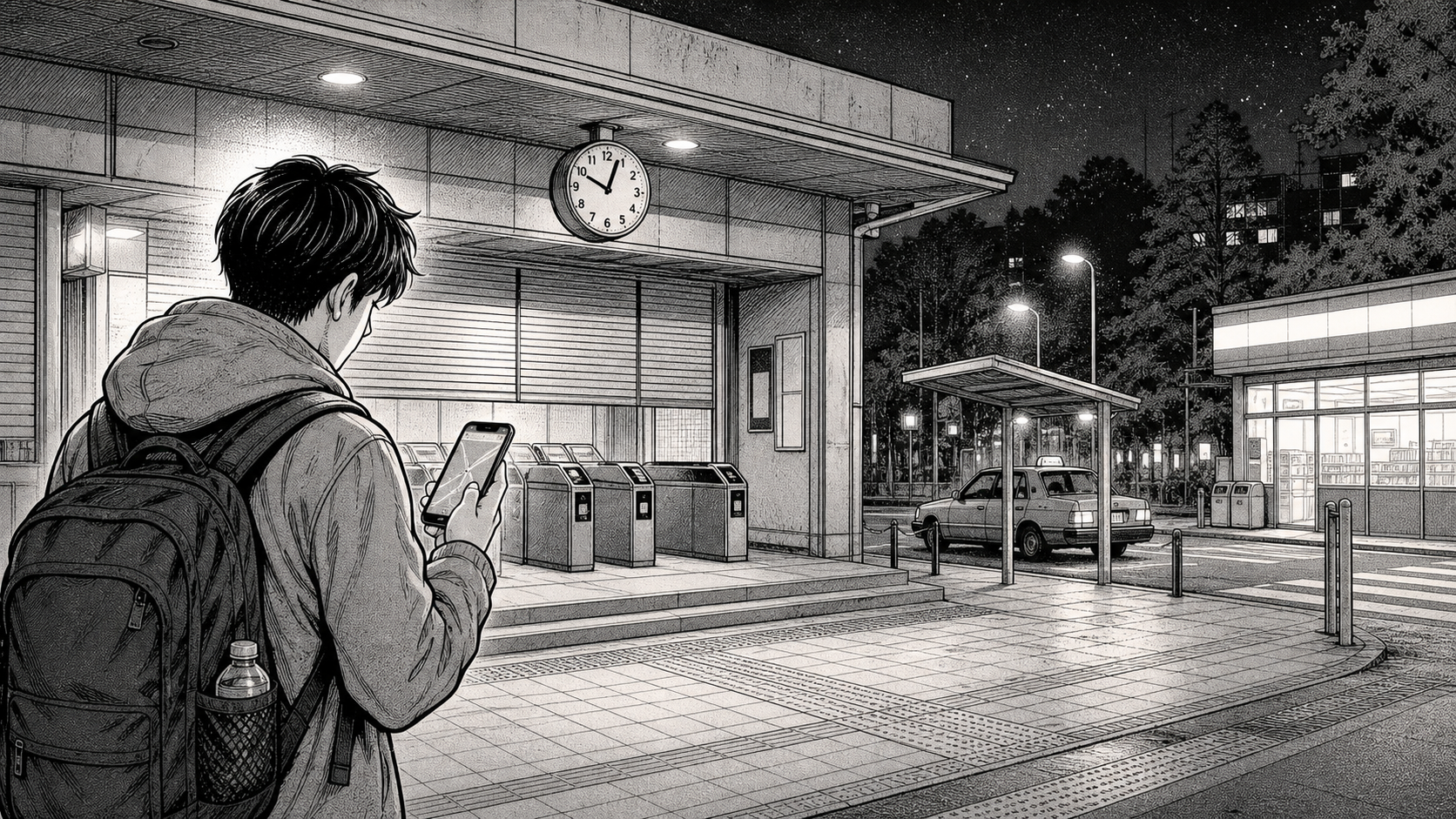
When you realize you’ve missed the last train, don’t panic. Japan offers several reliable alternatives that will get you to safety, though your options may vary depending on your location, the time of night, and whether it’s a weekday or weekend. Here are your primary options:
- Find a 24-hour convenience store for temporary shelter
- Consider taking a taxi, though be prepared for higher costs
- Look for nearby capsule hotels or business hotels
- Contact a friend or family member for assistance
- Use a ride-sharing app if available in your area
Convenience Stores as Safe Havens
Japan’s convenience stores (konbini) are your best bet when stranded late at night. Major chains like 7-Eleven, FamilyMart, and Lawson operate 24/7 and provide safe, well-lit environments. Most offer seating areas, restrooms, and free Wi-Fi. You can purchase meals, drinks, and basic necessities. Some larger stores even have microwaves for heating food purchased elsewhere.
While not ideal for long stays, these establishments offer temporary refuge until you figure out your next move. Store staff are generally helpful and accustomed to assisting late-night travelers. Many travelers have reported feeling safe and comfortable spending a few hours in convenience stores when stranded.
What to watch for:
- Store staff may eventually ask you to leave if you stay too long (typically after several hours)
- Some stores have limited seating, especially smaller locations
- During extremely busy periods, finding a seat might be difficult
Common mistakes:
- Assuming all convenience stores have restrooms (some smaller ones may not)
- Attempting to sleep on the floor, which is generally not permitted
- Not purchasing anything while staying, which may be seen as inappropriate
Taxi Alternatives and Costs
Taxis in Japan are readily available but significantly more expensive than trains. A standard taxi starts with a base fare of around ¥400-700 (depending on the company and area) and increases with distance and time. Late-night surcharges may apply, typically adding 20-30% to the fare.
For longer distances, consider these alternatives:
- Ride-sharing services like Japan Taxi app which allows fare estimation in advance
- Some cities offer special late-night shuttle services to popular areas
li>Limousine buses that operate between major stations and airports
In Tokyo, services like “Nihon Kotsu” offer flat-rate fares to certain areas during late hours, which can be more economical than metered taxis. In Osaka, some taxi companies offer discounted fares after midnight. Always confirm the fare structure before starting your journey.
Realistic example: A 10km taxi ride from Shinjuku to central Tokyo might cost ¥3,000-4,000 during regular hours, but could increase to ¥4,000-5,000 with late-night surcharges.
What to watch for:
- Taxi availability decreases in smaller cities and rural areas after midnight
- Some drivers may refuse long-distance trips during late hours
- Credit card acceptance varies by company and vehicle
Last-Minute Accommodation Options
When stranded for the night, Japan offers various accommodation types suitable for unexpected stays. Your options will vary significantly depending on whether you’re in a major city or a smaller town.
Capsule hotels provide private pods with basic amenities for ¥3,000-6,000 per night. These are particularly common in major transportation hubs and business districts. They offer just enough space for sleeping and basic toiletries, making them ideal for solo travelers on a budget.
Business hotels offer small but complete rooms starting from ¥6,000-10,000. These typically include private bathrooms, Wi-Fi, and sometimes breakfast. Chains like Dormy Inn, APA Hotel, and Toyoko Inn are widespread and often have locations near major stations.
Budget alternatives include “Love Hotels” which rent rooms by the hour or night (though rates vary widely), and some internet cafes and manga cafes that offer overnight stays with basic facilities. These options are more common in urban areas and may have different levels of comfort and privacy.
In major cities, last-minute booking apps like Rakuten or Agoda can help find available rooms. Remember that smaller towns may have limited late-night options, so larger train stations are often your best bet for finding immediate accommodation.
What to watch for:
- Accommodation availability decreases during peak seasons and holidays
- Some Love Hotels may have minimum stay requirements or specific check-in procedures
li>Capsule hotels often have separate facilities for men and women
Planning Ahead to Avoid Missing the Last Train
The best way to handle missing the last train is to avoid it altogether. With proper planning, you can significantly reduce the risk of being stranded. Here are essential strategies:
- Check last train times before heading out
- Set multiple alarms and reminders
- Keep emergency contact numbers handy
- Download offline maps and transportation apps
- Familiarize yourself with alternative transportation options
Understanding Japan’s Train Schedule System
Japan’s train system operates with remarkable precision and predictability. Trains typically stop running around midnight in most urban areas, with final departure times varying by line and location. The last trains are often called “osoku” (遅く – late) or “saigo” (最後 – final) in station announcements.
To check schedules, use platforms like Japan Transit Planner, Google Maps Japan, or railway company websites. Note that schedules differ between weekdays and weekends, and some lines have reduced service during holidays. JR East’s “Yamanote Line” in Tokyo, for example, has its last trains around midnight, while some private lines may stop earlier.
Important variations:
- Last trains in major cities like Tokyo, Osaka, and Kyoto generally run until midnight or later
li>In smaller cities and rural areas, trains may stop as early as 9-10 PM
li>New Year’s Eve and other major holidays often have extended or special schedules
li>Some lines have different schedules on weekends versus weekdays
Common mistakes:
- Assuming all train lines have the same last departure time
- Not checking for schedule changes during holidays or special events
- Confusing the last train of the evening with the last express train
Creating a Backup Transportation Plan
Before your evening activities, identify alternative transportation options in your area. Research nearby bus routes that might run later than trains, as some buses continue service until 1-2 AM. For areas with poor public transport, consider budgeting for taxi fares in advance.
Keep a list of nearby hotels or accommodations with their contact information saved in your phone. If you’re in a tourist area, locate the nearest tourist information center which can assist with late-night transportation queries. Some cities offer special night buses or shuttle services during events or weekends.
Realistic example: If you’re planning to stay out late in Shibuya, Tokyo, research the last trains from your location back to your accommodation, but also note that some areas have 24-hour bus services that, while slower, can get you home when trains aren’t running.
What to watch for:
- Bus schedules can be difficult to find in English, especially for late-night services
li>Tourist information centers may close before you need their assistance
li>Some backup options may require advance booking or reservations
Essential Apps and Resources for Travelers
Several apps can help you navigate Japan’s transportation system effectively. Japan Transit Planner provides comprehensive route information including last train times. Google Maps Japan offers real-time updates and alternative routes. For taxi services, try Japan Taxi app which allows you to book rides and estimate fares.
Japan Travel by NAVITIME is useful for checking bus schedules, which often run later than trains. Download offline versions of maps and transportation apps in case you lose internet connectivity. Keep the Japan Tourism Agency’s multilingual helpline number (+81-3-3201-3331) saved for emergencies.
Important note: App availability and functionality may vary depending on your location in Japan and whether you have a Japanese phone number or SIM card. Some apps work better with a Japanese phone number for booking services.
What to watch for:
- Some apps may require Japanese language skills for full functionality
li>Internet connectivity can be unreliable in some areas or during emergencies
li>Not all apps accept international payment methods
Common Scenarios and Solutions
Understanding specific situations can help you better prepare for potential issues. Here are some common scenarios travelers face:
Missing the Last Train in Tokyo
Tokyo has an extensive network of trains and subways that generally run until midnight or later. If you miss your last train, consider these options:
- Stay in a capsule hotel near major stations like Shinjuku, Shibuya, or Tokyo
- Use the Japan Taxi app for reliable service with fare estimation
li>Look for late-night buses that serve specific routes
li>Find a 24-hour internet cafe or manga cafe for a few hours of rest
Tokyo’s density means you’re never far from services, even late at night. Many areas have bright lights and people, contributing to a sense of safety even during late hours.
Missing the Last Train in Smaller Cities
In smaller cities like Kanazawa, Hiroshima, or Sapporo, options may be more limited. Trains often stop running earlier (around 9-10 PM), and taxi services may be scarce. In these situations:
- Plan to return to your accommodation earlier or arrange alternative transportation in advance
li>Consider staying out in areas near your hotel to avoid transportation issues
li>Research if your hotel offers late check-out or can assist with transportation
li>Ask your hotel concierge about backup transportation options when you check in
Missing the Last Train During Peak Seasons
During cherry blossom season, summer festivals, or New Year’s, train schedules may change, with some services running later or earlier than usual. If traveling during these periods:
- Check for special holiday schedules well in advance
li>Be prepared for crowded trains and potential delays
li>Have multiple backup plans as transportation options may be overwhelmed
li>Consider booking accommodation closer to your evening activities to minimize transportation needs
Final Checklist
Before heading out for an evening in Japan, use this checklist to ensure you’re prepared:
- Confirm the last train time from your location to your accommodation
- Save alternative transportation options in your phone
- Download offline maps and transportation apps
- Keep emergency contact numbers accessible
- Have a small amount of cash for transportation or unexpected expenses
- Know the location of nearby convenience stores, hotels, or taxi stands
- Set multiple alarms and reminders for your departure time
- Inform someone of your evening plans and expected return time
By following these guidelines and preparing in advance, you can confidently enjoy Japan’s nightlife and evening attractions without worrying about transportation issues. Remember that while missing the last train can be inconvenient, Japan’s excellent infrastructure and numerous options ensure you’ll never be stranded for long. With proper planning and knowledge of alternatives, you can navigate this situation with confidence and continue enjoying your time in Japan without unnecessary stress.