- Introduction: Japan’s Incredible Railway Landscape
- Understanding Japan’s Railway Ecosystem
- Types of Train Services in Japan
- Practical Guide for Train Travel in Japan
- Common Mistakes to Avoid
- Regional Differences in Rail Systems
- Realistic Examples of Train Journeys
- Train Etiquette in Japan
- Accessibility Considerations
- Final Checklist for Train Travel in Japan
- Conclusion
Introduction: Japan’s Incredible Railway Landscape
Japan’s railway system is one of the world’s most efficient, comprehensive, and fascinating transportation networks. For travelers, understanding how to navigate this complex web of train companies and services can transform your journey from stressful to seamless. Whether you’re traveling between major cities or exploring local neighborhoods, Japan’s trains offer a reliable, comfortable, and often scenic way to experience the country.
This guide breaks down Japan’s railway ecosystem, helping you understand the different train companies, types of services, and practical tips for smooth travel. With the right knowledge, you’ll be able to plan your routes, purchase appropriate tickets, and avoid common pitfalls that many tourists encounter.
Understanding Japan’s Railway Ecosystem
Japan’s railway system consists of multiple companies operating different lines across the country. These can be broadly categorized into several key groups:
1. JR Group (Japan Railways)
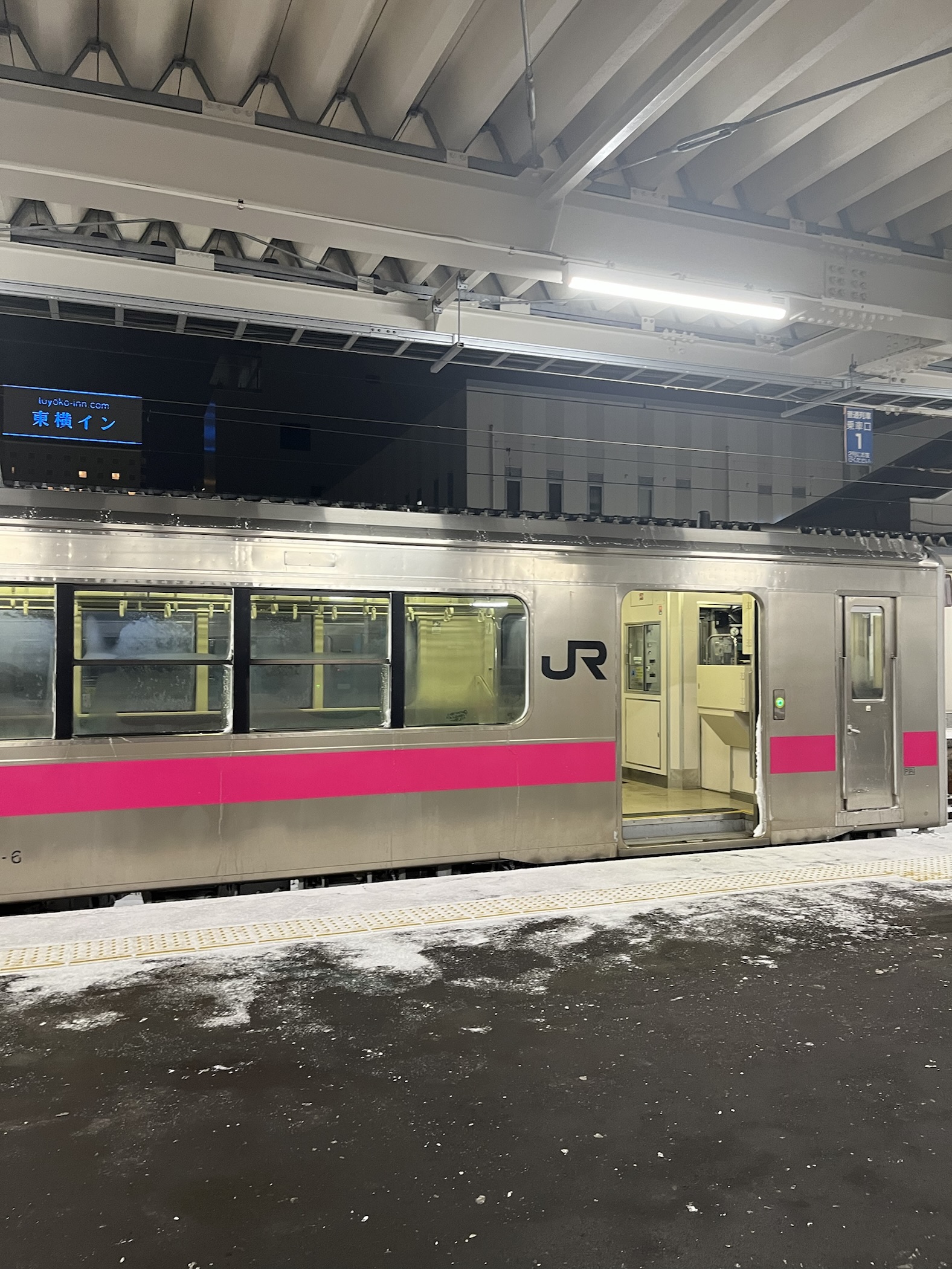
The JR Group emerged from the privatization of the national railway system in 1987. It consists of six regional passenger companies and one freight company. JR operates most of the Shinkansen (bullet train) lines and many intercity routes:
- JR Hokkaido: Operates services throughout Hokkaido Island
- JR East: Covers eastern Japan, including Tokyo, Tohoku, and Niigata regions
- JR Central: Operates in central Japan, including Nagoya, Shizuoka, and Gifu
- JR West: Serves western Japan, including Osaka, Kyoto, Hiroshima, and Okayama
- JR Shikoku: Covers Shikoku Island
- JR Kyushu: Operates throughout Kyushu Island
- JR Freight: Handles freight transportation across the country
2. Major Private Railways (Private Lines)
Beyond JR, Japan has numerous private railway companies that play a crucial role in urban and regional transportation. These companies often operate their own lines that connect to JR stations:
- Tokyo Metro: Operates most of Tokyo’s subway lines
- Keio Electric Railway: Connects central Tokyo with western suburbs and Hakone
- Tokyu Railways: Links Shibuya and Shinjuku with southwestern Tokyo
- Odakyu Electric Railway: Connects Shinjuku with Hakone and Odawara
- Kintetsu Railway: Connects Osaka with Nara, Kyoto, and Nagoya
- Nankai Electric Railway: Links Osaka with Kansai Airport and Wakayama
3. Other Railway Operators
In addition to JR and major private railways, Japan has numerous other operators including:
- Subway systems in major cities like Osaka, Nagoya, Sapporo, and Fukuoka
- Monorails such as the Tokyo Monorail and Haneda Airport Monorail
- Tram and streetcar systems
- Regional and local railway companies
Types of Train Services in Japan
Understanding the different types of train services is essential for planning your journey and purchasing the right tickets:
1. Shinkansen (Bullet Train)
Japan’s famous high-speed rail network connects major cities across the country. Shinkansen trains are identified by names like Nozomi, Hikari, and Kodama:
- Nozomi: The fastest service, stopping only at major stations (not covered by Japan Rail Pass)
- Hikari: Stops at more stations than Nozomi but fewer than Kodama (covered by Japan Rail Pass)
- Kodama: Stops at all stations along the route (covered by Japan Rail Pass)
Shinkansen services typically have reserved seating cars and non-reserved seating cars. During peak travel seasons, reserved seats are recommended.
2. Limited Express and Express Trains
These services operate on regular rail lines but make fewer stops than local trains:
- Limited Express: Makes fewer stops than regular express trains, often with reserved seating
- Express: Stops at fewer stations than local trains
- Rapid: Makes fewer stops than local trains but more than express trains
3. Local Trains
Local trains stop at every station along their route. While slower than express services, they’re essential for reaching smaller towns and neighborhoods not served by faster trains.
Practical Guide for Train Travel in Japan
1. Ticketing Options
Japan offers several ticketing options depending on your travel needs:
- Single Journey Tickets: Purchased at station ticket machines or ticket counters. These are ideal for short, one-way trips
- IC Cards: Rechargeable cards like Suica, Pasmo, Icoca, and others that can be used across different railway systems. They’re convenient for frequent, short-distance travel
- Rail Passes: Including the Japan Rail Pass (for JR lines) and various regional passes
2. Using IC Cards
IC cards are rechargeable smart cards that offer convenience for train and bus travel, as well as for purchases at convenience stores and vending machines:
- Available at station ticket machines and convenience stores
- Can be used across different railway systems in the same region (Suica and Pasmo in Tokyo, Icoca in Osaka/Kyobe, etc.)
- Automically calculates fares based on distance traveled
- Refundable at the end of your trip (minus a small handling fee)
3. Understanding Fare Calculations
Train fares in Japan are calculated based on distance traveled. Station ticket machines display fare maps to help you determine the cost to your destination:
- Enter your destination station’s name or number on the ticket machine
- The machine will display the fare and issue the appropriate ticket
- For complex routes involving multiple railway companies, you may need to purchase separate tickets or use a special through ticket
4. Transferring Between Lines
Transferring between different train lines is common in Japan:
- Look for transfer signs at stations indicating connections to other lines
- Some transfers require exiting and re-entering through ticket gates
- When transferring between different railway companies, you may need to purchase a separate ticket or use a special transfer ticket
- Allow extra time for transfers during peak hours
Common Mistakes to Avoid
Even experienced travelers can make mistakes when navigating Japan’s railway system. Here are some common pitfalls to avoid:
- Assuming all trains are covered by the Japan Rail Pass: The JR Pass doesn’t cover all JR services, including Nozomi Shinkansen trains, some limited express trains, and certain JR buses
- Not accounting for transfer time: Transfers between different railway companies can take longer than expected, especially during peak hours
- Confusing reserved and non-reserved seating: Shinkansen and some express trains have both reserved and non-reserved cars. During busy periods, reserved seats are recommended
- Ignoring last train schedules: Japan’s trains stop running relatively early (around midnight in most cities), so plan your return journey accordingly
- Not checking train types: Some express services require an additional express fee beyond the base fare
Regional Differences in Rail Systems
Japan’s rail systems vary by region, with different companies and operating practices:
Tokyo Area
The Tokyo metropolitan area has one of the world’s most complex but efficient railway networks:
- Operated by multiple companies including JR East, Tokyo Metro, and various private railways
- IC cards (Suica and Pasmo) are widely accepted across most systems
- Station names may be repeated across different lines, so pay attention to which railway company operates your train
Kansai Area (Osaka, Kyoto, Kobe)
The Kansai region has its own distinct railway landscape:
- JR West operates the main intercity lines, including the Shinkansen
- Private railways like Keihan, Hankyu, and Kintetsu connect Osaka with surrounding areas
- The Osaka Metro system serves the city center
- Icoca cards are widely used across the region
Other Major Cities
Other major cities have their own unique railway characteristics:
- Nagoya: Features the Meitetsu private railway and Nagoya Metro
- Fukuoka: Operates the Fukuoka City Subway and Nishitetsu railway
- Sapporo: Has the Sapporo Subway and JR Hokkaido services
Realistic Examples of Train Journeys
Example 1: Tokyo to Kyoto
One of the most popular train routes in Japan:
- Take the Shinkansen from Tokyo Station to Kyoto Station
- Journey time: Approximately 2 hours and 15 minutes (Hikari service)
- You’ll need a JR Pass or purchase a separate ticket (around ¥14,000 without a pass)
- Arrive at Kyoto Station, which is connected to multiple city subway and bus lines
Example 2: Exploring Tokyo
Navigating within Tokyo:
- Start at Shinjuku Station, one of the world’s busiest train stations
- Take the JR Yamanote Line one stop to Shibuya
- Transfer to the Tokyo Metro Hibiya Line to Ueno
- Use an IC card (Suica or Pasmo) for seamless transfers
- The entire journey costs around ¥300-400 depending on the exact route
Example 3: Day Trip from Osaka to Nara
A popular day trip from Osaka:
- From Osaka Station, take the JR Special Rapid Train to Nara Station (about 45 minutes)
- Alternatively, take the Kintetsu Line from Osaka Namba Station to Kintetsu Nara Station (about 35 minutes)
- Both routes require separate tickets or an IC card
- From Nara Station, take a bus or short taxi ride to Nara Park
Train Etiquette in Japan
Understanding Japanese train etiquette will help you navigate social expectations:
- Queue in an orderly manner: Form lines marked on platforms before boarding
- Priority seating: These seats are reserved for elderly, pregnant, and disabled passengers. Avoid sitting here unless necessary
- Keep your voice down: Avoid loud conversations and phone calls
- Don’t eat or drink on trains: While some long-distance services allow it, local trains typically prohibit eating and drinking
- Store luggage properly: Use overhead racks or designated luggage areas
- Give up your seat: Offer your seat to those in need when priority seating is full
Accessibility Considerations
Japan’s railway system has made significant improvements in accessibility:
- All major stations have elevators, escalators, or wheelchair-accessible routes
- Priority seating areas are available on all trains
- Announcements are made in Japanese and English on most major lines
- Some stations have tactile paving for visually impaired passengers
- Large stations have multilingual staff and information
However, accessibility can vary in smaller, rural stations, so plan accordingly if you have specific accessibility needs.
Final Checklist for Train Travel in Japan
Before you embark on your train journey in Japan, use this checklist to ensure a smooth experience:
- □ Research your route and identify which railway companies operate the lines you need
- □ Determine whether a Japan Rail Pass or regional pass would be cost-effective for your itinerary
- □ Purchase an IC card for convenient local travel
- □ Check last train times if you’ll be out late
- □ Learn basic station vocabulary (ticket gate, platform, transfer, etc.)
- □ Understand the difference between reserved and non-reserved seating
- □ Allow extra time for transfers between different railway companies
- □ Familiarize yourself with train etiquette
- □ Keep your ticket or IC card handy as you may need to pass through ticket gates multiple times
- □ Save important station names in both Japanese characters and romaji for reference
Conclusion
Japan’s railway system is more than just a transportation method—it’s a testament to the country’s technological prowess, efficiency, and commitment to public service. By understanding the different train companies, types of services, and practical travel tips, you’ll be able to navigate this complex system with confidence.
Whether you’re speeding between major cities on a Shinkansen or exploring local neighborhoods on a commuter train, Japan’s rail network offers a reliable, comfortable, and often scenic way to experience the country. With the knowledge from this guide, you’re ready to embark on your Japanese railway adventure.