
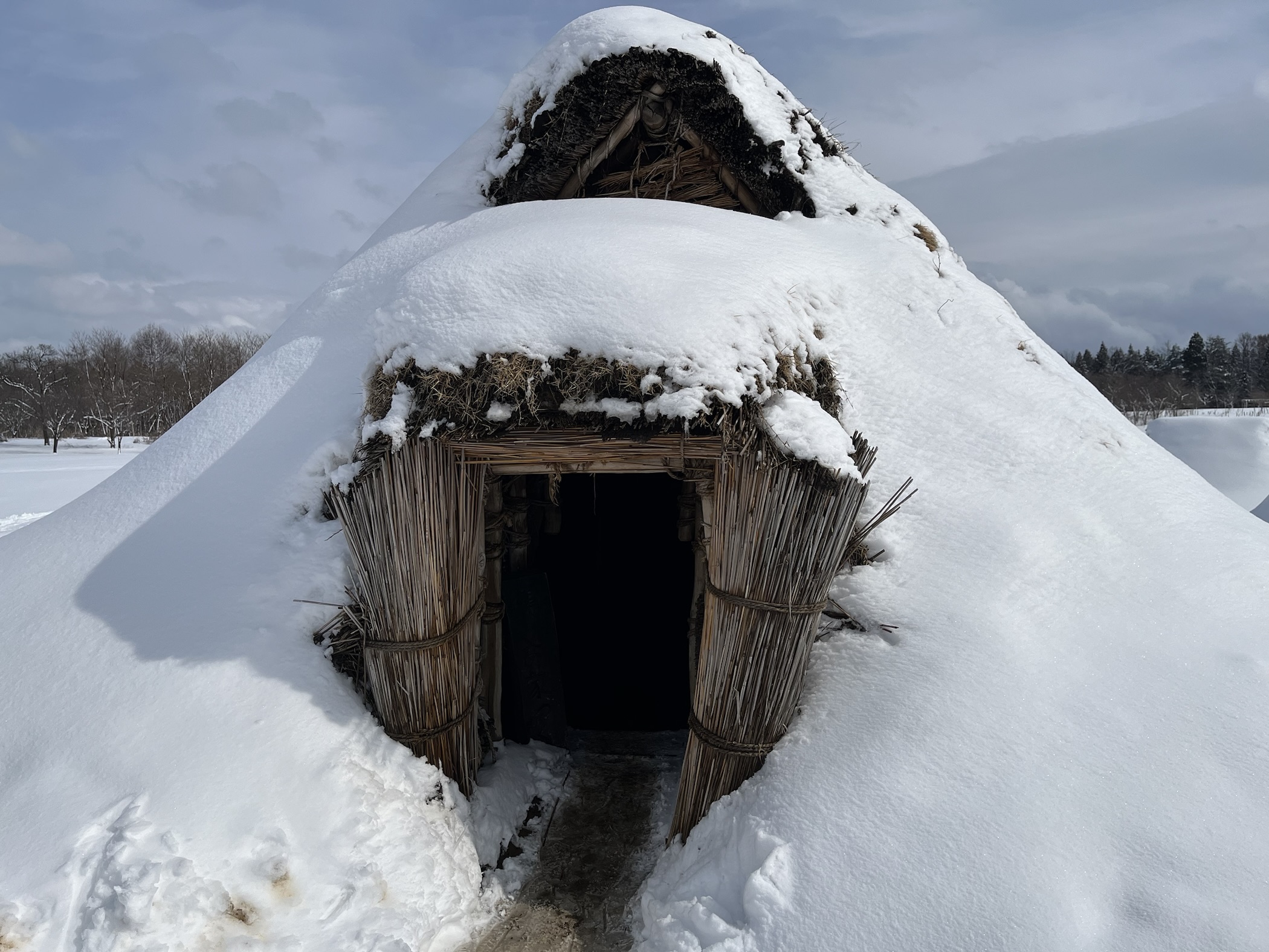
- Heavy snowfall continues along the Sea of Japan coast, particularly in Hokkaido, Tohoku, and Niigata prefectures
- Pacific coast often enjoys clear winter days with less precipitation, though temperatures remain cool
- “Spring Wind” (Haru Ichiban) may arrive, bringing temporary warmth, especially in late February
- Mountainous areas experience significantly colder temperatures than lowland regions
- Coastal areas may experience strong winds, particularly in exposed locations
Weather can change rapidly, especially in mountainous regions. Always check local forecasts before outdoor activities, as conditions may differ significantly from regional predictions.
- Recommended Activities
- Practical Travel Tips
- Common Mistakes to Avoid
- February Japan Travel Checklist
- Recommended Activities
- Practical Travel Tips
- Common Mistakes to Avoid
- February Japan Travel Checklist
- Recommended Activities
- Practical Travel Tips
- Common Mistakes to Avoid
- February Japan Travel Checklist
- Recommended Activities
- Practical Travel Tips
- Common Mistakes to Avoid
- February Japan Travel Checklist
- Weather and Climate
- Recommended Activities
- Practical Travel Tips
- Common Mistakes to Avoid
- February Japan Travel Checklist
- Weather and Climate
- Recommended Activities
- Practical Travel Tips
- Common Mistakes to Avoid
- February Japan Travel Checklist
- Traditional Events and Festivals
- Weather and Climate
- Recommended Activities
- Practical Travel Tips
- Common Mistakes to Avoid
- February Japan Travel Checklist
- Recommended Activities
- Practical Travel Tips
- Common Mistakes to Avoid
- February Japan Travel Checklist
- Traditional Events and Festivals
- Weather and Climate
- Recommended Activities
- Practical Travel Tips
- Common Mistakes to Avoid
- February Japan Travel Checklist
- Recommended Activities
- Practical Travel Tips
- Common Mistakes to Avoid
- February Japan Travel Checklist
- Traditional Events and Festivals
- Weather and Climate
- Recommended Activities
- Practical Travel Tips
- Common Mistakes to Avoid
- February Japan Travel Checklist
- Recommended Activities
- Practical Travel Tips
- Common Mistakes to Avoid
- February Japan Travel Checklist
- Traditional Events and Festivals
- Weather and Climate
- Recommended Activities
- Practical Travel Tips
- Common Mistakes to Avoid
- February Japan Travel Checklist
- Weather and Climate
- Recommended Activities
- Practical Travel Tips
- Common Mistakes to Avoid
- February Japan Travel Checklist
- Traditional Events and Festivals
- Weather and Climate
- Recommended Activities
- Practical Travel Tips
- Common Mistakes to Avoid
- February Japan Travel Checklist
- Weather and Climate
- Recommended Activities
- Practical Travel Tips
- Common Mistakes to Avoid
- February Japan Travel Checklist
- Traditional Events and Festivals
- Weather and Climate
- Recommended Activities
- Practical Travel Tips
- Common Mistakes to Avoid
- February Japan Travel Checklist
- Recommended Activities
- Practical Travel Tips
- Common Mistakes to Avoid
- February Japan Travel Checklist
- Weather and Climate
- Recommended Activities
- Practical Travel Tips
- Common Mistakes to Avoid
- February Japan Travel Checklist
- Traditional Events and Festivals
- Weather and Climate
- Recommended Activities
- Practical Travel Tips
- Common Mistakes to Avoid
- February Japan Travel Checklist
- Recommended Activities
- Practical Travel Tips
- Common Mistakes to Avoid
- February Japan Travel Checklist
- Weather and Climate
- Recommended Activities
- Practical Travel Tips
- Common Mistakes to Avoid
- February Japan Travel Checklist
- Traditional Events and Festivals
- Weather and Climate
- Recommended Activities
- Practical Travel Tips
- Common Mistakes to Avoid
- February Japan Travel Checklist
- Recommended Activities
- Practical Travel Tips
- Common Mistakes to Avoid
- February Japan Travel Checklist
- Weather and Climate
- Recommended Activities
- Practical Travel Tips
- Common Mistakes to Avoid
- February Japan Travel Checklist
- Traditional Events and Festivals
- Weather and Climate
- Recommended Activities
- Practical Travel Tips
- Common Mistakes to Avoid
- February Japan Travel Checklist
- Weather and Climate
- Recommended Activities
- Practical Travel Tips
- Common Mistakes to Avoid
- February Japan Travel Checklist
- Weather and Climate
- Recommended Activities
- Practical Travel Tips
- Common Mistakes to Avoid
- February Japan Travel Checklist
- Traditional Events and Festivals
- Weather and Climate
- Recommended Activities
- Practical Travel Tips
- Common Mistakes to Avoid
- February Japan Travel Checklist
- Recommended Activities
- Practical Travel Tips
- Common Mistakes to Avoid
- February Japan Travel Checklist
- Weather and Climate
- Recommended Activities
- Practical Travel Tips
- Common Mistakes to Avoid
- February Japan Travel Checklist
- Weather and Climate
- Recommended Activities
- Practical Travel Tips
- Common Mistakes to Avoid
- February Japan Travel Checklist
- Traditional Events and Festivals
- Weather and Climate
- Recommended Activities
- Practical Travel Tips
- Common Mistakes to Avoid
- February Japan Travel Checklist
- Recommended Activities
- Practical Travel Tips
- Common Mistakes to Avoid
- February Japan Travel Checklist
- Weather and Climate
- Recommended Activities
- Practical Travel Tips
- Common Mistakes to Avoid
- February Japan Travel Checklist
- Weather and Climate
- Recommended Activities
- Practical Travel Tips
- Common Mistakes to Avoid
- February Japan Travel Checklist
- Traditional Events and Festivals
- Weather and Climate
- Recommended Activities
- Practical Travel Tips
- Common Mistakes to Avoid
- February Japan Travel Checklist
- Recommended Activities
- Practical Travel Tips
- Common Mistakes to Avoid
- February Japan Travel Checklist
- Weather and Climate
- Recommended Activities
- Practical Travel Tips
- Common Mistakes to Avoid
- February Japan Travel Checklist
- Weather and Climate
- Recommended Activities
- Practical Travel Tips
- Common Mistakes to Avoid
- February Japan Travel Checklist
- Traditional Events and Festivals
- Weather and Climate
- Recommended Activities
- Practical Travel Tips
- Common Mistakes to Avoid
- February Japan Travel Checklist
- Recommended Activities
- Practical Travel Tips
- Common Mistakes to Avoid
- February Japan Travel Checklist
- Recommended Activities
- Practical Travel Tips
- Common Mistakes to Avoid
- February Japan Travel Checklist
- Weather and Climate
- Recommended Activities
- Practical Travel Tips
- Common Mistakes to Avoid
- February Japan Travel Checklist
- Weather and Climate
- Recommended Activities
- Practical Travel Tips
- Common Mistakes to Avoid
- February Japan Travel Checklist
- Traditional Events and Festivals
- Weather and Climate
- Recommended Activities
- Practical Travel Tips
- Common Mistakes to Avoid
- February Japan Travel Checklist
- Recommended Activities
- Practical Travel Tips
- Common Mistakes to Avoid
- February Japan Travel Checklist
- Recommended Activities
- Practical Travel Tips
- Common Mistakes to Avoid
- February Japan Travel Checklist
- Weather and Climate
- Recommended Activities
- Practical Travel Tips
- Common Mistakes to Avoid
- February Japan Travel Checklist
- Weather and Climate
- Recommended Activities
- Practical Travel Tips
- Common Mistakes to Avoid
- February Japan Travel Checklist
- Traditional Events and Festivals
- Weather and Climate
- Recommended Activities
- Practical Travel Tips
- Common Mistakes to Avoid
- February Japan Travel Checklist
- Recommended Activities
- Practical Travel Tips
- Common Mistakes to Avoid
- February Japan Travel Checklist
- Recommended Activities
- Practical Travel Tips
- Common Mistakes to Avoid
- February Japan Travel Checklist
- Recommended Activities
- Practical Travel Tips
- Common Mistakes to Avoid
- February Japan Travel Checklist
- Weather and Climate
- Recommended Activities
- Practical Travel Tips
- Common Mistakes to Avoid
- February Japan Travel Checklist
- Weather and Climate
- Recommended Activities
- Practical Travel Tips
- Common Mistakes to Avoid
- February Japan Travel Checklist
- Traditional Events and Festivals
- Weather and Climate
- Recommended Activities
- Practical Travel Tips
- Common Mistakes to Avoid
- February Japan Travel Checklist
Recommended Activities
Winter Sports and Adventures
February offers excellent conditions for winter sports across Japan’s northern and mountainous regions:
- Skiing and snowboarding: Resorts like Niseko in Hokkaido, Hakuba in Nagano, and Shiga Kogen in Nagano offer excellent conditions with well-groomed slopes. February typically has good snow coverage and fewer crowds than January. Many resorts have English-speaking instructors and rental equipment available.
- Snow trekking and cross-country skiing: Explore snow-covered landscapes in places like Daisetsuzan National Park (Hokkaido) or Kamikochi (Nagano). Guided tours are recommended for those without experience, as conditions can be challenging.
- Ice climbing: Adventure seekers can try ice climbing in locations like Tenryu Gorge in Nagano or Shikotsu-Toya National Park in Hokkaido. This activity requires proper equipment and guides, which are available through specialized tour operators.
- Winter canoeing: In frozen landscapes like Kushiro Wetland in Hokkaido, special winter canoeing tours allow visitors to experience serene winter scenery. These tours typically provide insulated suits and warm drinks.
Nature and Sightseeing
February offers unique natural beauty as winter transitions to spring:
- Plum blossom viewing: Plum trees begin blooming in late January and continue through February. Notable viewing spots include Kitano Tenmangu in Kyoto, Dazaifu Tenmangu in Fukuoka, and Hanegi Park in Tokyo. These early blossoms provide a preview of the coming cherry season.
- Early cherry blossoms: The Kawazu cherry trees in Shizuoka Prefecture begin blooming in late January and continue through February, offering an early opportunity to see sakura. These blossoms have a distinctive deep pink color and bloom earlier than standard cherry varieties.
- Snow viewing: Famous locations include:
- Kenroku-en Garden in Kanazawa with its iconic snow-covered landscapes and “snow lanterns”
- Mount Hakkoda in Aomori for spectacular snow monsters (ice-covered trees)
- Chion-in Temple in Kyoto, which offers beautiful illuminated snow scenes at night
- Takayama’s winter festival (Yayoi Matsuri) on February 15-16, featuring elaborate floats covered in snow
Southern Island Activities
While northern Japan experiences winter, southern regions offer spring-like conditions:
- Whale watching: The Ogasawara Islands (Bonin Islands) offer excellent whale watching opportunities, with humpback whales migrating through the area. Tours typically depart from Chichijima and Hahajima islands.
- Snorkeling and marine activities: Okinawa’s water temperatures remain mild enough for snorkeling and diving. Popular spots include Sesoko Island, Blue Cave in Onna Village, and Kerama Islands. February generally offers good visibility and fewer crowds than the summer months.
- Hiking in Yakushima: This subtropical island is perfect for exploring ancient cedar forests in February. The weather is generally mild with less rainfall than in summer. The Shiratani Unsuikyo Gorge, said to have inspired Princess Mononoke, is particularly beautiful in winter light.
Practical Travel Tips
Transportation
Getting around Japan in February requires some special considerations:
- Trains: JR Pass remains valid, but some mountain train lines may experience delays due to snow. Check service status before traveling. The Shinkansen runs reliably even in winter, though some services to snowy areas may be reduced.
- Buses: Mountain roads may be closed or require snow tires. Always check road conditions before planning trips to remote areas. Local buses in snowy regions may run less frequently than usual.
- Taxis: Readily available in urban areas but may be harder to find in smaller towns. In snowy regions, ensure the taxi has winter tires if traveling to mountainous areas.
- Rental cars: Available but require winter tires in snowy regions. International driving permits are mandatory. Roads in mountainous areas may be challenging for inexperienced winter drivers.
Accommodation
February accommodation options vary by region:
- Hotels and ryokan: Book well in advance, especially for festival periods. Many ryokan in snowy areas offer special winter packages with hot spring access and traditional multi-course meals (kaiseki).
- Minshuku: Family-run guesthouses provide authentic experiences and often include home-cooked meals. These are particularly popular in rural areas and may require Japanese language skills for communication.
- Hostels and budget options: Available in major cities but may be limited in smaller towns. Winter is generally less crowded than other seasons, offering better availability at budget accommodations.
What to Pack
Packing for February in Japan requires layering and preparation for various conditions:
- Clothing: Pack layers including thermal underwear, sweaters, a warm coat, waterproof outer layer, gloves, hat, and scarf. For snowy areas, consider insulated boots with good traction. In southern regions, lighter clothing may be sufficient, but evenings can be cool.
- Accessories: Sunglasses are useful for snow glare. Hand warmers are helpful for outdoor activities. A reusable water bottle can help stay hydrated in dry winter air.
- Electronics: Power adapters may be needed, as Japan uses Type A plugs. Portable chargers are useful for cold weather when battery life decreases. Consider a waterproof case for electronic devices when visiting snowy areas.
- Health items: Basic medications, lip balm for dry lips, moisturizer for winter skin, and any personal medications. Some travelers bring throat lozenges for the dry air.
Common Mistakes to Avoid
Travelers to Japan in February should be aware of these common pitfalls:
- Underestimating weather variations: Don’t assume all of Japan is cold. Research specific regional weather and pack accordingly. The difference between Hokkaido and Okinawa can be 30°C or more.
- Ignoring festival crowds: Major festivals like Sapporo Snow Festival attract significant crowds. Plan to visit early in the day or on weekdays for a better experience. Consider booking accommodations well in advance for festival periods.
- Assuming all cherry blossoms are out: Standard cherry blossoms don’t typically bloom until March or April. Only specific early varieties bloom in February. Don’t expect widespread sakura viewing.
- Overlooking indoor alternatives: Weather can be unpredictable. Have indoor backup plans for activities, especially in regions prone to heavy snow or rain.
- Not checking seasonal opening hours: Some attractions, particularly in rural areas, may have reduced hours or be closed in February. Always verify opening times before visiting.
February Japan Travel Checklist
Use this quick reference to ensure you’re prepared for your February trip to Japan:
- ☐ Research specific regional weather for your destinations
- ☐ Pack layers appropriate for both cold and potentially milder conditions
- ☐ Book accommodations well in advance, especially during festival periods
- ☐ Check transportation schedules, particularly for mountainous areas
- ☐ Verify opening hours for attractions and restaurants
- ☐ Learn basic Japanese phrases or have translation apps ready
- ☐ Have both cash and payment cards, as some places still prefer cash
- ☐ Consider travel insurance that covers weather-related disruptions
- ☐ Download offline maps in case of connectivity issues
- ☐ Research etiquette for specific festivals and religious sites
- ☐ Have backup indoor activities planned for weather changes
February in Japan offers a unique travel experience that bridges winter and spring, providing opportunities to experience both snowy landscapes and the first signs of seasonal change. With proper preparation and flexibility, visitors can enjoy the diverse attractions this transitional month has to offer, from world-famous snow festivals to emerging plum blossoms and the warm hospitality of onsen resorts.
Temperature fluctuations are common, especially in late February when spring-like weather can arrive unexpectedly, particularly in southern regions.
Weather Characteristics
Regional weather patterns create distinct experiences across Japan:
- Heavy snowfall continues along the Sea of Japan coast, particularly in Hokkaido, Tohoku, and Niigata prefectures
- Pacific coast often enjoys clear winter days with less precipitation, though temperatures remain cool
- “Spring Wind” (Haru Ichiban) may arrive, bringing temporary warmth, especially in late February
- Mountainous areas experience significantly colder temperatures than lowland regions
- Coastal areas may experience strong winds, particularly in exposed locations
Weather can change rapidly, especially in mountainous regions. Always check local forecasts before outdoor activities, as conditions may differ significantly from regional predictions.
Recommended Activities
Winter Sports and Adventures
February offers excellent conditions for winter sports across Japan’s northern and mountainous regions:
- Skiing and snowboarding: Resorts like Niseko in Hokkaido, Hakuba in Nagano, and Shiga Kogen in Nagano offer excellent conditions with well-groomed slopes. February typically has good snow coverage and fewer crowds than January. Many resorts have English-speaking instructors and rental equipment available.
- Snow trekking and cross-country skiing: Explore snow-covered landscapes in places like Daisetsuzan National Park (Hokkaido) or Kamikochi (Nagano). Guided tours are recommended for those without experience, as conditions can be challenging.
- Ice climbing: Adventure seekers can try ice climbing in locations like Tenryu Gorge in Nagano or Shikotsu-Toya National Park in Hokkaido. This activity requires proper equipment and guides, which are available through specialized tour operators.
- Winter canoeing: In frozen landscapes like Kushiro Wetland in Hokkaido, special winter canoeing tours allow visitors to experience serene winter scenery. These tours typically provide insulated suits and warm drinks.
Nature and Sightseeing
February offers unique natural beauty as winter transitions to spring:
- Plum blossom viewing: Plum trees begin blooming in late January and continue through February. Notable viewing spots include Kitano Tenmangu in Kyoto, Dazaifu Tenmangu in Fukuoka, and Hanegi Park in Tokyo. These early blossoms provide a preview of the coming cherry season.
- Early cherry blossoms: The Kawazu cherry trees in Shizuoka Prefecture begin blooming in late January and continue through February, offering an early opportunity to see sakura. These blossoms have a distinctive deep pink color and bloom earlier than standard cherry varieties.
- Snow viewing: Famous locations include:
- Kenroku-en Garden in Kanazawa with its iconic snow-covered landscapes and “snow lanterns”
- Mount Hakkoda in Aomori for spectacular snow monsters (ice-covered trees)
- Chion-in Temple in Kyoto, which offers beautiful illuminated snow scenes at night
- Takayama’s winter festival (Yayoi Matsuri) on February 15-16, featuring elaborate floats covered in snow
Southern Island Activities
While northern Japan experiences winter, southern regions offer spring-like conditions:
- Whale watching: The Ogasawara Islands (Bonin Islands) offer excellent whale watching opportunities, with humpback whales migrating through the area. Tours typically depart from Chichijima and Hahajima islands.
- Snorkeling and marine activities: Okinawa’s water temperatures remain mild enough for snorkeling and diving. Popular spots include Sesoko Island, Blue Cave in Onna Village, and Kerama Islands. February generally offers good visibility and fewer crowds than the summer months.
- Hiking in Yakushima: This subtropical island is perfect for exploring ancient cedar forests in February. The weather is generally mild with less rainfall than in summer. The Shiratani Unsuikyo Gorge, said to have inspired Princess Mononoke, is particularly beautiful in winter light.
Practical Travel Tips
Transportation
Getting around Japan in February requires some special considerations:
- Trains: JR Pass remains valid, but some mountain train lines may experience delays due to snow. Check service status before traveling. The Shinkansen runs reliably even in winter, though some services to snowy areas may be reduced.
- Buses: Mountain roads may be closed or require snow tires. Always check road conditions before planning trips to remote areas. Local buses in snowy regions may run less frequently than usual.
- Taxis: Readily available in urban areas but may be harder to find in smaller towns. In snowy regions, ensure the taxi has winter tires if traveling to mountainous areas.
- Rental cars: Available but require winter tires in snowy regions. International driving permits are mandatory. Roads in mountainous areas may be challenging for inexperienced winter drivers.
Accommodation
February accommodation options vary by region:
- Hotels and ryokan: Book well in advance, especially for festival periods. Many ryokan in snowy areas offer special winter packages with hot spring access and traditional multi-course meals (kaiseki).
- Minshuku: Family-run guesthouses provide authentic experiences and often include home-cooked meals. These are particularly popular in rural areas and may require Japanese language skills for communication.
- Hostels and budget options: Available in major cities but may be limited in smaller towns. Winter is generally less crowded than other seasons, offering better availability at budget accommodations.
What to Pack
Packing for February in Japan requires layering and preparation for various conditions:
- Clothing: Pack layers including thermal underwear, sweaters, a warm coat, waterproof outer layer, gloves, hat, and scarf. For snowy areas, consider insulated boots with good traction. In southern regions, lighter clothing may be sufficient, but evenings can be cool.
- Accessories: Sunglasses are useful for snow glare. Hand warmers are helpful for outdoor activities. A reusable water bottle can help stay hydrated in dry winter air.
- Electronics: Power adapters may be needed, as Japan uses Type A plugs. Portable chargers are useful for cold weather when battery life decreases. Consider a waterproof case for electronic devices when visiting snowy areas.
- Health items: Basic medications, lip balm for dry lips, moisturizer for winter skin, and any personal medications. Some travelers bring throat lozenges for the dry air.
Common Mistakes to Avoid
Travelers to Japan in February should be aware of these common pitfalls:
- Underestimating weather variations: Don’t assume all of Japan is cold. Research specific regional weather and pack accordingly. The difference between Hokkaido and Okinawa can be 30°C or more.
- Ignoring festival crowds: Major festivals like Sapporo Snow Festival attract significant crowds. Plan to visit early in the day or on weekdays for a better experience. Consider booking accommodations well in advance for festival periods.
- Assuming all cherry blossoms are out: Standard cherry blossoms don’t typically bloom until March or April. Only specific early varieties bloom in February. Don’t expect widespread sakura viewing.
- Overlooking indoor alternatives: Weather can be unpredictable. Have indoor backup plans for activities, especially in regions prone to heavy snow or rain.
- Not checking seasonal opening hours: Some attractions, particularly in rural areas, may have reduced hours or be closed in February. Always verify opening times before visiting.
February Japan Travel Checklist
Use this quick reference to ensure you’re prepared for your February trip to Japan:
- ☐ Research specific regional weather for your destinations
- ☐ Pack layers appropriate for both cold and potentially milder conditions
- ☐ Book accommodations well in advance, especially during festival periods
- ☐ Check transportation schedules, particularly for mountainous areas
- ☐ Verify opening hours for attractions and restaurants
- ☐ Learn basic Japanese phrases or have translation apps ready
- ☐ Have both cash and payment cards, as some places still prefer cash
- ☐ Consider travel insurance that covers weather-related disruptions
- ☐ Download offline maps in case of connectivity issues
- ☐ Research etiquette for specific festivals and religious sites
- ☐ Have backup indoor activities planned for weather changes
February in Japan offers a unique travel experience that bridges winter and spring, providing opportunities to experience both snowy landscapes and the first signs of seasonal change. With proper preparation and flexibility, visitors can enjoy the diverse attractions this transitional month has to offer, from world-famous snow festivals to emerging plum blossoms and the warm hospitality of onsen resorts.
Temperature fluctuations are common, especially in late February when spring-like weather can arrive unexpectedly, particularly in southern regions.
Weather Characteristics
Regional weather patterns create distinct experiences across Japan:
- Heavy snowfall continues along the Sea of Japan coast, particularly in Hokkaido, Tohoku, and Niigata prefectures
- Pacific coast often enjoys clear winter days with less precipitation, though temperatures remain cool
- “Spring Wind” (Haru Ichiban) may arrive, bringing temporary warmth, especially in late February
- Mountainous areas experience significantly colder temperatures than lowland regions
- Coastal areas may experience strong winds, particularly in exposed locations
Weather can change rapidly, especially in mountainous regions. Always check local forecasts before outdoor activities, as conditions may differ significantly from regional predictions.
Recommended Activities
Winter Sports and Adventures
February offers excellent conditions for winter sports across Japan’s northern and mountainous regions:
- Skiing and snowboarding: Resorts like Niseko in Hokkaido, Hakuba in Nagano, and Shiga Kogen in Nagano offer excellent conditions with well-groomed slopes. February typically has good snow coverage and fewer crowds than January. Many resorts have English-speaking instructors and rental equipment available.
- Snow trekking and cross-country skiing: Explore snow-covered landscapes in places like Daisetsuzan National Park (Hokkaido) or Kamikochi (Nagano). Guided tours are recommended for those without experience, as conditions can be challenging.
- Ice climbing: Adventure seekers can try ice climbing in locations like Tenryu Gorge in Nagano or Shikotsu-Toya National Park in Hokkaido. This activity requires proper equipment and guides, which are available through specialized tour operators.
- Winter canoeing: In frozen landscapes like Kushiro Wetland in Hokkaido, special winter canoeing tours allow visitors to experience serene winter scenery. These tours typically provide insulated suits and warm drinks.
Nature and Sightseeing
February offers unique natural beauty as winter transitions to spring:
- Plum blossom viewing: Plum trees begin blooming in late January and continue through February. Notable viewing spots include Kitano Tenmangu in Kyoto, Dazaifu Tenmangu in Fukuoka, and Hanegi Park in Tokyo. These early blossoms provide a preview of the coming cherry season.
- Early cherry blossoms: The Kawazu cherry trees in Shizuoka Prefecture begin blooming in late January and continue through February, offering an early opportunity to see sakura. These blossoms have a distinctive deep pink color and bloom earlier than standard cherry varieties.
- Snow viewing: Famous locations include:
- Kenroku-en Garden in Kanazawa with its iconic snow-covered landscapes and “snow lanterns”
- Mount Hakkoda in Aomori for spectacular snow monsters (ice-covered trees)
- Chion-in Temple in Kyoto, which offers beautiful illuminated snow scenes at night
- Takayama’s winter festival (Yayoi Matsuri) on February 15-16, featuring elaborate floats covered in snow
Southern Island Activities
While northern Japan experiences winter, southern regions offer spring-like conditions:
- Whale watching: The Ogasawara Islands (Bonin Islands) offer excellent whale watching opportunities, with humpback whales migrating through the area. Tours typically depart from Chichijima and Hahajima islands.
- Snorkeling and marine activities: Okinawa’s water temperatures remain mild enough for snorkeling and diving. Popular spots include Sesoko Island, Blue Cave in Onna Village, and Kerama Islands. February generally offers good visibility and fewer crowds than the summer months.
- Hiking in Yakushima: This subtropical island is perfect for exploring ancient cedar forests in February. The weather is generally mild with less rainfall than in summer. The Shiratani Unsuikyo Gorge, said to have inspired Princess Mononoke, is particularly beautiful in winter light.
Practical Travel Tips
Transportation
Getting around Japan in February requires some special considerations:
- Trains: JR Pass remains valid, but some mountain train lines may experience delays due to snow. Check service status before traveling. The Shinkansen runs reliably even in winter, though some services to snowy areas may be reduced.
- Buses: Mountain roads may be closed or require snow tires. Always check road conditions before planning trips to remote areas. Local buses in snowy regions may run less frequently than usual.
- Taxis: Readily available in urban areas but may be harder to find in smaller towns. In snowy regions, ensure the taxi has winter tires if traveling to mountainous areas.
- Rental cars: Available but require winter tires in snowy regions. International driving permits are mandatory. Roads in mountainous areas may be challenging for inexperienced winter drivers.
Accommodation
February accommodation options vary by region:
- Hotels and ryokan: Book well in advance, especially for festival periods. Many ryokan in snowy areas offer special winter packages with hot spring access and traditional multi-course meals (kaiseki).
- Minshuku: Family-run guesthouses provide authentic experiences and often include home-cooked meals. These are particularly popular in rural areas and may require Japanese language skills for communication.
- Hostels and budget options: Available in major cities but may be limited in smaller towns. Winter is generally less crowded than other seasons, offering better availability at budget accommodations.
What to Pack
Packing for February in Japan requires layering and preparation for various conditions:
- Clothing: Pack layers including thermal underwear, sweaters, a warm coat, waterproof outer layer, gloves, hat, and scarf. For snowy areas, consider insulated boots with good traction. In southern regions, lighter clothing may be sufficient, but evenings can be cool.
- Accessories: Sunglasses are useful for snow glare. Hand warmers are helpful for outdoor activities. A reusable water bottle can help stay hydrated in dry winter air.
- Electronics: Power adapters may be needed, as Japan uses Type A plugs. Portable chargers are useful for cold weather when battery life decreases. Consider a waterproof case for electronic devices when visiting snowy areas.
- Health items: Basic medications, lip balm for dry lips, moisturizer for winter skin, and any personal medications. Some travelers bring throat lozenges for the dry air.
Common Mistakes to Avoid
Travelers to Japan in February should be aware of these common pitfalls:
- Underestimating weather variations: Don’t assume all of Japan is cold. Research specific regional weather and pack accordingly. The difference between Hokkaido and Okinawa can be 30°C or more.
- Ignoring festival crowds: Major festivals like Sapporo Snow Festival attract significant crowds. Plan to visit early in the day or on weekdays for a better experience. Consider booking accommodations well in advance for festival periods.
- Assuming all cherry blossoms are out: Standard cherry blossoms don’t typically bloom until March or April. Only specific early varieties bloom in February. Don’t expect widespread sakura viewing.
- Overlooking indoor alternatives: Weather can be unpredictable. Have indoor backup plans for activities, especially in regions prone to heavy snow or rain.
- Not checking seasonal opening hours: Some attractions, particularly in rural areas, may have reduced hours or be closed in February. Always verify opening times before visiting.
February Japan Travel Checklist
Use this quick reference to ensure you’re prepared for your February trip to Japan:
- ☐ Research specific regional weather for your destinations
- ☐ Pack layers appropriate for both cold and potentially milder conditions
- ☐ Book accommodations well in advance, especially during festival periods
- ☐ Check transportation schedules, particularly for mountainous areas
- ☐ Verify opening hours for attractions and restaurants
- ☐ Learn basic Japanese phrases or have translation apps ready
- ☐ Have both cash and payment cards, as some places still prefer cash
- ☐ Consider travel insurance that covers weather-related disruptions
- ☐ Download offline maps in case of connectivity issues
- ☐ Research etiquette for specific festivals and religious sites
- ☐ Have backup indoor activities planned for weather changes
February in Japan offers a unique travel experience that bridges winter and spring, providing opportunities to experience both snowy landscapes and the first signs of seasonal change. With proper preparation and flexibility, visitors can enjoy the diverse attractions this transitional month has to offer, from world-famous snow festivals to emerging plum blossoms and the warm hospitality of onsen resorts.
- Tokyo: Average high 11.2°C, low 4.0°C. Generally mild but can experience cold snaps
- Kyoto: Average high 10.1°C, low 2.1°C. Similar to Tokyo but often slightly colder
- Sapporo: Average high -1.0°C, low -6.0°C. Consistently cold with heavy snow
- Okinawa: Much warmer with averages around 20°C. Tropical climate with occasional rain
- Northern Alps: Well below freezing, with some areas recording -15°C or lower
Temperature fluctuations are common, especially in late February when spring-like weather can arrive unexpectedly, particularly in southern regions.
Weather Characteristics
Regional weather patterns create distinct experiences across Japan:
- Heavy snowfall continues along the Sea of Japan coast, particularly in Hokkaido, Tohoku, and Niigata prefectures
- Pacific coast often enjoys clear winter days with less precipitation, though temperatures remain cool
- “Spring Wind” (Haru Ichiban) may arrive, bringing temporary warmth, especially in late February
- Mountainous areas experience significantly colder temperatures than lowland regions
- Coastal areas may experience strong winds, particularly in exposed locations
Weather can change rapidly, especially in mountainous regions. Always check local forecasts before outdoor activities, as conditions may differ significantly from regional predictions.
Recommended Activities
Winter Sports and Adventures
February offers excellent conditions for winter sports across Japan’s northern and mountainous regions:
- Skiing and snowboarding: Resorts like Niseko in Hokkaido, Hakuba in Nagano, and Shiga Kogen in Nagano offer excellent conditions with well-groomed slopes. February typically has good snow coverage and fewer crowds than January. Many resorts have English-speaking instructors and rental equipment available.
- Snow trekking and cross-country skiing: Explore snow-covered landscapes in places like Daisetsuzan National Park (Hokkaido) or Kamikochi (Nagano). Guided tours are recommended for those without experience, as conditions can be challenging.
- Ice climbing: Adventure seekers can try ice climbing in locations like Tenryu Gorge in Nagano or Shikotsu-Toya National Park in Hokkaido. This activity requires proper equipment and guides, which are available through specialized tour operators.
- Winter canoeing: In frozen landscapes like Kushiro Wetland in Hokkaido, special winter canoeing tours allow visitors to experience serene winter scenery. These tours typically provide insulated suits and warm drinks.
Nature and Sightseeing
February offers unique natural beauty as winter transitions to spring:
- Plum blossom viewing: Plum trees begin blooming in late January and continue through February. Notable viewing spots include Kitano Tenmangu in Kyoto, Dazaifu Tenmangu in Fukuoka, and Hanegi Park in Tokyo. These early blossoms provide a preview of the coming cherry season.
- Early cherry blossoms: The Kawazu cherry trees in Shizuoka Prefecture begin blooming in late January and continue through February, offering an early opportunity to see sakura. These blossoms have a distinctive deep pink color and bloom earlier than standard cherry varieties.
- Snow viewing: Famous locations include:
- Kenroku-en Garden in Kanazawa with its iconic snow-covered landscapes and “snow lanterns”
- Mount Hakkoda in Aomori for spectacular snow monsters (ice-covered trees)
- Chion-in Temple in Kyoto, which offers beautiful illuminated snow scenes at night
- Takayama’s winter festival (Yayoi Matsuri) on February 15-16, featuring elaborate floats covered in snow
Southern Island Activities
While northern Japan experiences winter, southern regions offer spring-like conditions:
- Whale watching: The Ogasawara Islands (Bonin Islands) offer excellent whale watching opportunities, with humpback whales migrating through the area. Tours typically depart from Chichijima and Hahajima islands.
- Snorkeling and marine activities: Okinawa’s water temperatures remain mild enough for snorkeling and diving. Popular spots include Sesoko Island, Blue Cave in Onna Village, and Kerama Islands. February generally offers good visibility and fewer crowds than the summer months.
- Hiking in Yakushima: This subtropical island is perfect for exploring ancient cedar forests in February. The weather is generally mild with less rainfall than in summer. The Shiratani Unsuikyo Gorge, said to have inspired Princess Mononoke, is particularly beautiful in winter light.
Practical Travel Tips
Transportation
Getting around Japan in February requires some special considerations:
- Trains: JR Pass remains valid, but some mountain train lines may experience delays due to snow. Check service status before traveling. The Shinkansen runs reliably even in winter, though some services to snowy areas may be reduced.
- Buses: Mountain roads may be closed or require snow tires. Always check road conditions before planning trips to remote areas. Local buses in snowy regions may run less frequently than usual.
- Taxis: Readily available in urban areas but may be harder to find in smaller towns. In snowy regions, ensure the taxi has winter tires if traveling to mountainous areas.
- Rental cars: Available but require winter tires in snowy regions. International driving permits are mandatory. Roads in mountainous areas may be challenging for inexperienced winter drivers.
Accommodation
February accommodation options vary by region:
- Hotels and ryokan: Book well in advance, especially for festival periods. Many ryokan in snowy areas offer special winter packages with hot spring access and traditional multi-course meals (kaiseki).
- Minshuku: Family-run guesthouses provide authentic experiences and often include home-cooked meals. These are particularly popular in rural areas and may require Japanese language skills for communication.
- Hostels and budget options: Available in major cities but may be limited in smaller towns. Winter is generally less crowded than other seasons, offering better availability at budget accommodations.
What to Pack
Packing for February in Japan requires layering and preparation for various conditions:
- Clothing: Pack layers including thermal underwear, sweaters, a warm coat, waterproof outer layer, gloves, hat, and scarf. For snowy areas, consider insulated boots with good traction. In southern regions, lighter clothing may be sufficient, but evenings can be cool.
- Accessories: Sunglasses are useful for snow glare. Hand warmers are helpful for outdoor activities. A reusable water bottle can help stay hydrated in dry winter air.
- Electronics: Power adapters may be needed, as Japan uses Type A plugs. Portable chargers are useful for cold weather when battery life decreases. Consider a waterproof case for electronic devices when visiting snowy areas.
- Health items: Basic medications, lip balm for dry lips, moisturizer for winter skin, and any personal medications. Some travelers bring throat lozenges for the dry air.
Common Mistakes to Avoid
Travelers to Japan in February should be aware of these common pitfalls:
- Underestimating weather variations: Don’t assume all of Japan is cold. Research specific regional weather and pack accordingly. The difference between Hokkaido and Okinawa can be 30°C or more.
- Ignoring festival crowds: Major festivals like Sapporo Snow Festival attract significant crowds. Plan to visit early in the day or on weekdays for a better experience. Consider booking accommodations well in advance for festival periods.
- Assuming all cherry blossoms are out: Standard cherry blossoms don’t typically bloom until March or April. Only specific early varieties bloom in February. Don’t expect widespread sakura viewing.
- Overlooking indoor alternatives: Weather can be unpredictable. Have indoor backup plans for activities, especially in regions prone to heavy snow or rain.
- Not checking seasonal opening hours: Some attractions, particularly in rural areas, may have reduced hours or be closed in February. Always verify opening times before visiting.
February Japan Travel Checklist
Use this quick reference to ensure you’re prepared for your February trip to Japan:
- ☐ Research specific regional weather for your destinations
- ☐ Pack layers appropriate for both cold and potentially milder conditions
- ☐ Book accommodations well in advance, especially during festival periods
- ☐ Check transportation schedules, particularly for mountainous areas
- ☐ Verify opening hours for attractions and restaurants
- ☐ Learn basic Japanese phrases or have translation apps ready
- ☐ Have both cash and payment cards, as some places still prefer cash
- ☐ Consider travel insurance that covers weather-related disruptions
- ☐ Download offline maps in case of connectivity issues
- ☐ Research etiquette for specific festivals and religious sites
- ☐ Have backup indoor activities planned for weather changes
February in Japan offers a unique travel experience that bridges winter and spring, providing opportunities to experience both snowy landscapes and the first signs of seasonal change. With proper preparation and flexibility, visitors can enjoy the diverse attractions this transitional month has to offer, from world-famous snow festivals to emerging plum blossoms and the warm hospitality of onsen resorts.
Namahage Sedo Festival (February 7-9, 2025)
Held in the Oga Peninsula of Akita Prefecture, this unique festival features performers dressed as Namahage—traditional demon-like creatures who visit homes to scare away laziness and bad behavior. The festival includes ritual dances, torchlight processions, and traditional performances. The Sedo portion involves a fire festival with purification rituals. This is a deeply local tradition, so visitors should approach with respect and observe rather than participate unless explicitly invited.Setsubun (February 3)
Marking the day before the traditional start of spring, Setsubun is celebrated nationwide with bean-throwing ceremonies (mamemaki) to drive away evil spirits. Many temples and shrines host special events, with celebrities and sumo wrestlers often participating in Tokyo’s Senso-ji Temple. Families also eat unrolled sushi rolls (ehomaki) while facing the year’s auspicious direction, which varies annually. Some temples offer lucky beans for visitors to take home.
Weather and Climate
February weather in Japan varies dramatically by region, creating diverse travel experiences across the country. Understanding these patterns helps travelers pack appropriately and plan activities that match conditions.
Temperature Patterns
Early February typically experiences winter conditions with periodic cold waves, while late February shows increasing temperature variations as spring approaches. Regional differences are significant:
- Tokyo: Average high 11.2°C, low 4.0°C. Generally mild but can experience cold snaps
- Kyoto: Average high 10.1°C, low 2.1°C. Similar to Tokyo but often slightly colder
- Sapporo: Average high -1.0°C, low -6.0°C. Consistently cold with heavy snow
- Okinawa: Much warmer with averages around 20°C. Tropical climate with occasional rain
- Northern Alps: Well below freezing, with some areas recording -15°C or lower
Temperature fluctuations are common, especially in late February when spring-like weather can arrive unexpectedly, particularly in southern regions.
Weather Characteristics
Regional weather patterns create distinct experiences across Japan:
- Heavy snowfall continues along the Sea of Japan coast, particularly in Hokkaido, Tohoku, and Niigata prefectures
- Pacific coast often enjoys clear winter days with less precipitation, though temperatures remain cool
- “Spring Wind” (Haru Ichiban) may arrive, bringing temporary warmth, especially in late February
- Mountainous areas experience significantly colder temperatures than lowland regions
- Coastal areas may experience strong winds, particularly in exposed locations
Weather can change rapidly, especially in mountainous regions. Always check local forecasts before outdoor activities, as conditions may differ significantly from regional predictions.
Recommended Activities
Winter Sports and Adventures
February offers excellent conditions for winter sports across Japan’s northern and mountainous regions:
- Skiing and snowboarding: Resorts like Niseko in Hokkaido, Hakuba in Nagano, and Shiga Kogen in Nagano offer excellent conditions with well-groomed slopes. February typically has good snow coverage and fewer crowds than January. Many resorts have English-speaking instructors and rental equipment available.
- Snow trekking and cross-country skiing: Explore snow-covered landscapes in places like Daisetsuzan National Park (Hokkaido) or Kamikochi (Nagano). Guided tours are recommended for those without experience, as conditions can be challenging.
- Ice climbing: Adventure seekers can try ice climbing in locations like Tenryu Gorge in Nagano or Shikotsu-Toya National Park in Hokkaido. This activity requires proper equipment and guides, which are available through specialized tour operators.
- Winter canoeing: In frozen landscapes like Kushiro Wetland in Hokkaido, special winter canoeing tours allow visitors to experience serene winter scenery. These tours typically provide insulated suits and warm drinks.
Nature and Sightseeing
February offers unique natural beauty as winter transitions to spring:
- Plum blossom viewing: Plum trees begin blooming in late January and continue through February. Notable viewing spots include Kitano Tenmangu in Kyoto, Dazaifu Tenmangu in Fukuoka, and Hanegi Park in Tokyo. These early blossoms provide a preview of the coming cherry season.
- Early cherry blossoms: The Kawazu cherry trees in Shizuoka Prefecture begin blooming in late January and continue through February, offering an early opportunity to see sakura. These blossoms have a distinctive deep pink color and bloom earlier than standard cherry varieties.
- Snow viewing: Famous locations include:
- Kenroku-en Garden in Kanazawa with its iconic snow-covered landscapes and “snow lanterns”
- Mount Hakkoda in Aomori for spectacular snow monsters (ice-covered trees)
- Chion-in Temple in Kyoto, which offers beautiful illuminated snow scenes at night
- Takayama’s winter festival (Yayoi Matsuri) on February 15-16, featuring elaborate floats covered in snow
Southern Island Activities
While northern Japan experiences winter, southern regions offer spring-like conditions:
- Whale watching: The Ogasawara Islands (Bonin Islands) offer excellent whale watching opportunities, with humpback whales migrating through the area. Tours typically depart from Chichijima and Hahajima islands.
- Snorkeling and marine activities: Okinawa’s water temperatures remain mild enough for snorkeling and diving. Popular spots include Sesoko Island, Blue Cave in Onna Village, and Kerama Islands. February generally offers good visibility and fewer crowds than the summer months.
- Hiking in Yakushima: This subtropical island is perfect for exploring ancient cedar forests in February. The weather is generally mild with less rainfall than in summer. The Shiratani Unsuikyo Gorge, said to have inspired Princess Mononoke, is particularly beautiful in winter light.
Practical Travel Tips
Transportation
Getting around Japan in February requires some special considerations:
- Trains: JR Pass remains valid, but some mountain train lines may experience delays due to snow. Check service status before traveling. The Shinkansen runs reliably even in winter, though some services to snowy areas may be reduced.
- Buses: Mountain roads may be closed or require snow tires. Always check road conditions before planning trips to remote areas. Local buses in snowy regions may run less frequently than usual.
- Taxis: Readily available in urban areas but may be harder to find in smaller towns. In snowy regions, ensure the taxi has winter tires if traveling to mountainous areas.
- Rental cars: Available but require winter tires in snowy regions. International driving permits are mandatory. Roads in mountainous areas may be challenging for inexperienced winter drivers.
Accommodation
February accommodation options vary by region:
- Hotels and ryokan: Book well in advance, especially for festival periods. Many ryokan in snowy areas offer special winter packages with hot spring access and traditional multi-course meals (kaiseki).
- Minshuku: Family-run guesthouses provide authentic experiences and often include home-cooked meals. These are particularly popular in rural areas and may require Japanese language skills for communication.
- Hostels and budget options: Available in major cities but may be limited in smaller towns. Winter is generally less crowded than other seasons, offering better availability at budget accommodations.
What to Pack
Packing for February in Japan requires layering and preparation for various conditions:
- Clothing: Pack layers including thermal underwear, sweaters, a warm coat, waterproof outer layer, gloves, hat, and scarf. For snowy areas, consider insulated boots with good traction. In southern regions, lighter clothing may be sufficient, but evenings can be cool.
- Accessories: Sunglasses are useful for snow glare. Hand warmers are helpful for outdoor activities. A reusable water bottle can help stay hydrated in dry winter air.
- Electronics: Power adapters may be needed, as Japan uses Type A plugs. Portable chargers are useful for cold weather when battery life decreases. Consider a waterproof case for electronic devices when visiting snowy areas.
- Health items: Basic medications, lip balm for dry lips, moisturizer for winter skin, and any personal medications. Some travelers bring throat lozenges for the dry air.
Common Mistakes to Avoid
Travelers to Japan in February should be aware of these common pitfalls:
- Underestimating weather variations: Don’t assume all of Japan is cold. Research specific regional weather and pack accordingly. The difference between Hokkaido and Okinawa can be 30°C or more.
- Ignoring festival crowds: Major festivals like Sapporo Snow Festival attract significant crowds. Plan to visit early in the day or on weekdays for a better experience. Consider booking accommodations well in advance for festival periods.
- Assuming all cherry blossoms are out: Standard cherry blossoms don’t typically bloom until March or April. Only specific early varieties bloom in February. Don’t expect widespread sakura viewing.
- Overlooking indoor alternatives: Weather can be unpredictable. Have indoor backup plans for activities, especially in regions prone to heavy snow or rain.
- Not checking seasonal opening hours: Some attractions, particularly in rural areas, may have reduced hours or be closed in February. Always verify opening times before visiting.
February Japan Travel Checklist
Use this quick reference to ensure you’re prepared for your February trip to Japan:
- ☐ Research specific regional weather for your destinations
- ☐ Pack layers appropriate for both cold and potentially milder conditions
- ☐ Book accommodations well in advance, especially during festival periods
- ☐ Check transportation schedules, particularly for mountainous areas
- ☐ Verify opening hours for attractions and restaurants
- ☐ Learn basic Japanese phrases or have translation apps ready
- ☐ Have both cash and payment cards, as some places still prefer cash
- ☐ Consider travel insurance that covers weather-related disruptions
- ☐ Download offline maps in case of connectivity issues
- ☐ Research etiquette for specific festivals and religious sites
- ☐ Have backup indoor activities planned for weather changes
February in Japan offers a unique travel experience that bridges winter and spring, providing opportunities to experience both snowy landscapes and the first signs of seasonal change. With proper preparation and flexibility, visitors can enjoy the diverse attractions this transitional month has to offer, from world-famous snow festivals to emerging plum blossoms and the warm hospitality of onsen resorts.
Namahage Sedo Festival (February 7-9, 2025)
Held in the Oga Peninsula of Akita Prefecture, this unique festival features performers dressed as Namahage—traditional demon-like creatures who visit homes to scare away laziness and bad behavior. The festival includes ritual dances, torchlight processions, and traditional performances. The Sedo portion involves a fire festival with purification rituals. This is a deeply local tradition, so visitors should approach with respect and observe rather than participate unless explicitly invited.Setsubun (February 3)
Marking the day before the traditional start of spring, Setsubun is celebrated nationwide with bean-throwing ceremonies (mamemaki) to drive away evil spirits. Many temples and shrines host special events, with celebrities and sumo wrestlers often participating in Tokyo’s Senso-ji Temple. Families also eat unrolled sushi rolls (ehomaki) while facing the year’s auspicious direction, which varies annually. Some temples offer lucky beans for visitors to take home.
Weather and Climate
February weather in Japan varies dramatically by region, creating diverse travel experiences across the country. Understanding these patterns helps travelers pack appropriately and plan activities that match conditions.
Temperature Patterns
Early February typically experiences winter conditions with periodic cold waves, while late February shows increasing temperature variations as spring approaches. Regional differences are significant:
- Tokyo: Average high 11.2°C, low 4.0°C. Generally mild but can experience cold snaps
- Kyoto: Average high 10.1°C, low 2.1°C. Similar to Tokyo but often slightly colder
- Sapporo: Average high -1.0°C, low -6.0°C. Consistently cold with heavy snow
- Okinawa: Much warmer with averages around 20°C. Tropical climate with occasional rain
- Northern Alps: Well below freezing, with some areas recording -15°C or lower
Temperature fluctuations are common, especially in late February when spring-like weather can arrive unexpectedly, particularly in southern regions.
Weather Characteristics
Regional weather patterns create distinct experiences across Japan:
- Heavy snowfall continues along the Sea of Japan coast, particularly in Hokkaido, Tohoku, and Niigata prefectures
- Pacific coast often enjoys clear winter days with less precipitation, though temperatures remain cool
- “Spring Wind” (Haru Ichiban) may arrive, bringing temporary warmth, especially in late February
- Mountainous areas experience significantly colder temperatures than lowland regions
- Coastal areas may experience strong winds, particularly in exposed locations
Weather can change rapidly, especially in mountainous regions. Always check local forecasts before outdoor activities, as conditions may differ significantly from regional predictions.
Recommended Activities
Winter Sports and Adventures
February offers excellent conditions for winter sports across Japan’s northern and mountainous regions:
- Skiing and snowboarding: Resorts like Niseko in Hokkaido, Hakuba in Nagano, and Shiga Kogen in Nagano offer excellent conditions with well-groomed slopes. February typically has good snow coverage and fewer crowds than January. Many resorts have English-speaking instructors and rental equipment available.
- Snow trekking and cross-country skiing: Explore snow-covered landscapes in places like Daisetsuzan National Park (Hokkaido) or Kamikochi (Nagano). Guided tours are recommended for those without experience, as conditions can be challenging.
- Ice climbing: Adventure seekers can try ice climbing in locations like Tenryu Gorge in Nagano or Shikotsu-Toya National Park in Hokkaido. This activity requires proper equipment and guides, which are available through specialized tour operators.
- Winter canoeing: In frozen landscapes like Kushiro Wetland in Hokkaido, special winter canoeing tours allow visitors to experience serene winter scenery. These tours typically provide insulated suits and warm drinks.
Nature and Sightseeing
February offers unique natural beauty as winter transitions to spring:
- Plum blossom viewing: Plum trees begin blooming in late January and continue through February. Notable viewing spots include Kitano Tenmangu in Kyoto, Dazaifu Tenmangu in Fukuoka, and Hanegi Park in Tokyo. These early blossoms provide a preview of the coming cherry season.
- Early cherry blossoms: The Kawazu cherry trees in Shizuoka Prefecture begin blooming in late January and continue through February, offering an early opportunity to see sakura. These blossoms have a distinctive deep pink color and bloom earlier than standard cherry varieties.
- Snow viewing: Famous locations include:
- Kenroku-en Garden in Kanazawa with its iconic snow-covered landscapes and “snow lanterns”
- Mount Hakkoda in Aomori for spectacular snow monsters (ice-covered trees)
- Chion-in Temple in Kyoto, which offers beautiful illuminated snow scenes at night
- Takayama’s winter festival (Yayoi Matsuri) on February 15-16, featuring elaborate floats covered in snow
Southern Island Activities
While northern Japan experiences winter, southern regions offer spring-like conditions:
- Whale watching: The Ogasawara Islands (Bonin Islands) offer excellent whale watching opportunities, with humpback whales migrating through the area. Tours typically depart from Chichijima and Hahajima islands.
- Snorkeling and marine activities: Okinawa’s water temperatures remain mild enough for snorkeling and diving. Popular spots include Sesoko Island, Blue Cave in Onna Village, and Kerama Islands. February generally offers good visibility and fewer crowds than the summer months.
- Hiking in Yakushima: This subtropical island is perfect for exploring ancient cedar forests in February. The weather is generally mild with less rainfall than in summer. The Shiratani Unsuikyo Gorge, said to have inspired Princess Mononoke, is particularly beautiful in winter light.
Practical Travel Tips
Transportation
Getting around Japan in February requires some special considerations:
- Trains: JR Pass remains valid, but some mountain train lines may experience delays due to snow. Check service status before traveling. The Shinkansen runs reliably even in winter, though some services to snowy areas may be reduced.
- Buses: Mountain roads may be closed or require snow tires. Always check road conditions before planning trips to remote areas. Local buses in snowy regions may run less frequently than usual.
- Taxis: Readily available in urban areas but may be harder to find in smaller towns. In snowy regions, ensure the taxi has winter tires if traveling to mountainous areas.
- Rental cars: Available but require winter tires in snowy regions. International driving permits are mandatory. Roads in mountainous areas may be challenging for inexperienced winter drivers.
Accommodation
February accommodation options vary by region:
- Hotels and ryokan: Book well in advance, especially for festival periods. Many ryokan in snowy areas offer special winter packages with hot spring access and traditional multi-course meals (kaiseki).
- Minshuku: Family-run guesthouses provide authentic experiences and often include home-cooked meals. These are particularly popular in rural areas and may require Japanese language skills for communication.
- Hostels and budget options: Available in major cities but may be limited in smaller towns. Winter is generally less crowded than other seasons, offering better availability at budget accommodations.
What to Pack
Packing for February in Japan requires layering and preparation for various conditions:
- Clothing: Pack layers including thermal underwear, sweaters, a warm coat, waterproof outer layer, gloves, hat, and scarf. For snowy areas, consider insulated boots with good traction. In southern regions, lighter clothing may be sufficient, but evenings can be cool.
- Accessories: Sunglasses are useful for snow glare. Hand warmers are helpful for outdoor activities. A reusable water bottle can help stay hydrated in dry winter air.
- Electronics: Power adapters may be needed, as Japan uses Type A plugs. Portable chargers are useful for cold weather when battery life decreases. Consider a waterproof case for electronic devices when visiting snowy areas.
- Health items: Basic medications, lip balm for dry lips, moisturizer for winter skin, and any personal medications. Some travelers bring throat lozenges for the dry air.
Common Mistakes to Avoid
Travelers to Japan in February should be aware of these common pitfalls:
- Underestimating weather variations: Don’t assume all of Japan is cold. Research specific regional weather and pack accordingly. The difference between Hokkaido and Okinawa can be 30°C or more.
- Ignoring festival crowds: Major festivals like Sapporo Snow Festival attract significant crowds. Plan to visit early in the day or on weekdays for a better experience. Consider booking accommodations well in advance for festival periods.
- Assuming all cherry blossoms are out: Standard cherry blossoms don’t typically bloom until March or April. Only specific early varieties bloom in February. Don’t expect widespread sakura viewing.
- Overlooking indoor alternatives: Weather can be unpredictable. Have indoor backup plans for activities, especially in regions prone to heavy snow or rain.
- Not checking seasonal opening hours: Some attractions, particularly in rural areas, may have reduced hours or be closed in February. Always verify opening times before visiting.
February Japan Travel Checklist
Use this quick reference to ensure you’re prepared for your February trip to Japan:
- ☐ Research specific regional weather for your destinations
- ☐ Pack layers appropriate for both cold and potentially milder conditions
- ☐ Book accommodations well in advance, especially during festival periods
- ☐ Check transportation schedules, particularly for mountainous areas
- ☐ Verify opening hours for attractions and restaurants
- ☐ Learn basic Japanese phrases or have translation apps ready
- ☐ Have both cash and payment cards, as some places still prefer cash
- ☐ Consider travel insurance that covers weather-related disruptions
- ☐ Download offline maps in case of connectivity issues
- ☐ Research etiquette for specific festivals and religious sites
- ☐ Have backup indoor activities planned for weather changes
February in Japan offers a unique travel experience that bridges winter and spring, providing opportunities to experience both snowy landscapes and the first signs of seasonal change. With proper preparation and flexibility, visitors can enjoy the diverse attractions this transitional month has to offer, from world-famous snow festivals to emerging plum blossoms and the warm hospitality of onsen resorts.
Japan in February offers a unique blend of winter festivities and early spring experiences, making it an exciting time to explore the country’s diverse attractions and traditions. This transitional month presents a fascinating contrast between snowy landscapes in the north and emerging signs of spring in the south, creating a distinctive travel experience unlike any other time of year.
Traditional Events and Festivals
February in Japan is rich with cultural celebrations that showcase the country’s deep traditions and seasonal transitions. These festivals provide authentic insights into Japanese culture and offer memorable experiences for visitors.
Major February Festivals
Sapporo Snow Festival (February 4-11, 2025)
Held in Odori Park, Susukino, and Tsudome areas, this internationally renowned festival features hundreds of spectacular snow and ice sculptures. The main site at Odori Park displays massive artistic creations, while Susukino focuses on ice sculptures illuminated with colorful lights. The Tsudome site offers interactive snow slides and family-friendly activities. Arrive early in the day to avoid crowds and consider purchasing a 1-day pass for multiple sites. Photography is permitted, but be mindful of tripods in crowded areas.
Nagasaki Lantern Festival
Running from January 1 to February 3, this festival illuminates Nagasaki with thousands of Chinese-style lanterns throughout the city. The main display is in Shinchi Chinatown, where lanterns depict various animals and mythical creatures. The festival culminates with a lantern parade on February 3. Visitors can enjoy special lantern-themed food and purchase small lanterns as souvenirs. The festival coincides with Chinese New Year celebrations, adding to the cultural significance.
Namahage Sedo Festival (February 7-9, 2025)
Held in the Oga Peninsula of Akita Prefecture, this unique festival features performers dressed as Namahage—traditional demon-like creatures who visit homes to scare away laziness and bad behavior. The festival includes ritual dances, torchlight processions, and traditional performances. The Sedo portion involves a fire festival with purification rituals. This is a deeply local tradition, so visitors should approach with respect and observe rather than participate unless explicitly invited.Setsubun (February 3)
Marking the day before the traditional start of spring, Setsubun is celebrated nationwide with bean-throwing ceremonies (mamemaki) to drive away evil spirits. Many temples and shrines host special events, with celebrities and sumo wrestlers often participating in Tokyo’s Senso-ji Temple. Families also eat unrolled sushi rolls (ehomaki) while facing the year’s auspicious direction, which varies annually. Some temples offer lucky beans for visitors to take home.
Weather and Climate
February weather in Japan varies dramatically by region, creating diverse travel experiences across the country. Understanding these patterns helps travelers pack appropriately and plan activities that match conditions.
Temperature Patterns
Early February typically experiences winter conditions with periodic cold waves, while late February shows increasing temperature variations as spring approaches. Regional differences are significant:
- Tokyo: Average high 11.2°C, low 4.0°C. Generally mild but can experience cold snaps
- Kyoto: Average high 10.1°C, low 2.1°C. Similar to Tokyo but often slightly colder
- Sapporo: Average high -1.0°C, low -6.0°C. Consistently cold with heavy snow
- Okinawa: Much warmer with averages around 20°C. Tropical climate with occasional rain
- Northern Alps: Well below freezing, with some areas recording -15°C or lower
Temperature fluctuations are common, especially in late February when spring-like weather can arrive unexpectedly, particularly in southern regions.
Weather Characteristics
Regional weather patterns create distinct experiences across Japan:
- Heavy snowfall continues along the Sea of Japan coast, particularly in Hokkaido, Tohoku, and Niigata prefectures
- Pacific coast often enjoys clear winter days with less precipitation, though temperatures remain cool
- “Spring Wind” (Haru Ichiban) may arrive, bringing temporary warmth, especially in late February
- Mountainous areas experience significantly colder temperatures than lowland regions
- Coastal areas may experience strong winds, particularly in exposed locations
Weather can change rapidly, especially in mountainous regions. Always check local forecasts before outdoor activities, as conditions may differ significantly from regional predictions.
Recommended Activities
Winter Sports and Adventures
February offers excellent conditions for winter sports across Japan’s northern and mountainous regions:
- Skiing and snowboarding: Resorts like Niseko in Hokkaido, Hakuba in Nagano, and Shiga Kogen in Nagano offer excellent conditions with well-groomed slopes. February typically has good snow coverage and fewer crowds than January. Many resorts have English-speaking instructors and rental equipment available.
- Snow trekking and cross-country skiing: Explore snow-covered landscapes in places like Daisetsuzan National Park (Hokkaido) or Kamikochi (Nagano). Guided tours are recommended for those without experience, as conditions can be challenging.
- Ice climbing: Adventure seekers can try ice climbing in locations like Tenryu Gorge in Nagano or Shikotsu-Toya National Park in Hokkaido. This activity requires proper equipment and guides, which are available through specialized tour operators.
- Winter canoeing: In frozen landscapes like Kushiro Wetland in Hokkaido, special winter canoeing tours allow visitors to experience serene winter scenery. These tours typically provide insulated suits and warm drinks.
Nature and Sightseeing
February offers unique natural beauty as winter transitions to spring:
- Plum blossom viewing: Plum trees begin blooming in late January and continue through February. Notable viewing spots include Kitano Tenmangu in Kyoto, Dazaifu Tenmangu in Fukuoka, and Hanegi Park in Tokyo. These early blossoms provide a preview of the coming cherry season.
- Early cherry blossoms: The Kawazu cherry trees in Shizuoka Prefecture begin blooming in late January and continue through February, offering an early opportunity to see sakura. These blossoms have a distinctive deep pink color and bloom earlier than standard cherry varieties.
- Snow viewing: Famous locations include:
- Kenroku-en Garden in Kanazawa with its iconic snow-covered landscapes and “snow lanterns”
- Mount Hakkoda in Aomori for spectacular snow monsters (ice-covered trees)
- Chion-in Temple in Kyoto, which offers beautiful illuminated snow scenes at night
- Takayama’s winter festival (Yayoi Matsuri) on February 15-16, featuring elaborate floats covered in snow
Southern Island Activities
While northern Japan experiences winter, southern regions offer spring-like conditions:
- Whale watching: The Ogasawara Islands (Bonin Islands) offer excellent whale watching opportunities, with humpback whales migrating through the area. Tours typically depart from Chichijima and Hahajima islands.
- Snorkeling and marine activities: Okinawa’s water temperatures remain mild enough for snorkeling and diving. Popular spots include Sesoko Island, Blue Cave in Onna Village, and Kerama Islands. February generally offers good visibility and fewer crowds than the summer months.
- Hiking in Yakushima: This subtropical island is perfect for exploring ancient cedar forests in February. The weather is generally mild with less rainfall than in summer. The Shiratani Unsuikyo Gorge, said to have inspired Princess Mononoke, is particularly beautiful in winter light.
Practical Travel Tips
Transportation
Getting around Japan in February requires some special considerations:
- Trains: JR Pass remains valid, but some mountain train lines may experience delays due to snow. Check service status before traveling. The Shinkansen runs reliably even in winter, though some services to snowy areas may be reduced.
- Buses: Mountain roads may be closed or require snow tires. Always check road conditions before planning trips to remote areas. Local buses in snowy regions may run less frequently than usual.
- Taxis: Readily available in urban areas but may be harder to find in smaller towns. In snowy regions, ensure the taxi has winter tires if traveling to mountainous areas.
- Rental cars: Available but require winter tires in snowy regions. International driving permits are mandatory. Roads in mountainous areas may be challenging for inexperienced winter drivers.
Accommodation
February accommodation options vary by region:
- Hotels and ryokan: Book well in advance, especially for festival periods. Many ryokan in snowy areas offer special winter packages with hot spring access and traditional multi-course meals (kaiseki).
- Minshuku: Family-run guesthouses provide authentic experiences and often include home-cooked meals. These are particularly popular in rural areas and may require Japanese language skills for communication.
- Hostels and budget options: Available in major cities but may be limited in smaller towns. Winter is generally less crowded than other seasons, offering better availability at budget accommodations.
What to Pack
Packing for February in Japan requires layering and preparation for various conditions:
- Clothing: Pack layers including thermal underwear, sweaters, a warm coat, waterproof outer layer, gloves, hat, and scarf. For snowy areas, consider insulated boots with good traction. In southern regions, lighter clothing may be sufficient, but evenings can be cool.
- Accessories: Sunglasses are useful for snow glare. Hand warmers are helpful for outdoor activities. A reusable water bottle can help stay hydrated in dry winter air.
- Electronics: Power adapters may be needed, as Japan uses Type A plugs. Portable chargers are useful for cold weather when battery life decreases. Consider a waterproof case for electronic devices when visiting snowy areas.
- Health items: Basic medications, lip balm for dry lips, moisturizer for winter skin, and any personal medications. Some travelers bring throat lozenges for the dry air.
Common Mistakes to Avoid
Travelers to Japan in February should be aware of these common pitfalls:
- Underestimating weather variations: Don’t assume all of Japan is cold. Research specific regional weather and pack accordingly. The difference between Hokkaido and Okinawa can be 30°C or more.
- Ignoring festival crowds: Major festivals like Sapporo Snow Festival attract significant crowds. Plan to visit early in the day or on weekdays for a better experience. Consider booking accommodations well in advance for festival periods.
- Assuming all cherry blossoms are out: Standard cherry blossoms don’t typically bloom until March or April. Only specific early varieties bloom in February. Don’t expect widespread sakura viewing.
- Overlooking indoor alternatives: Weather can be unpredictable. Have indoor backup plans for activities, especially in regions prone to heavy snow or rain.
- Not checking seasonal opening hours: Some attractions, particularly in rural areas, may have reduced hours or be closed in February. Always verify opening times before visiting.
February Japan Travel Checklist
Use this quick reference to ensure you’re prepared for your February trip to Japan:
- ☐ Research specific regional weather for your destinations
- ☐ Pack layers appropriate for both cold and potentially milder conditions
- ☐ Book accommodations well in advance, especially during festival periods
- ☐ Check transportation schedules, particularly for mountainous areas
- ☐ Verify opening hours for attractions and restaurants
- ☐ Learn basic Japanese phrases or have translation apps ready
- ☐ Have both cash and payment cards, as some places still prefer cash
- ☐ Consider travel insurance that covers weather-related disruptions
- ☐ Download offline maps in case of connectivity issues
- ☐ Research etiquette for specific festivals and religious sites
- ☐ Have backup indoor activities planned for weather changes
February in Japan offers a unique travel experience that bridges winter and spring, providing opportunities to experience both snowy landscapes and the first signs of seasonal change. With proper preparation and flexibility, visitors can enjoy the diverse attractions this transitional month has to offer, from world-famous snow festivals to emerging plum blossoms and the warm hospitality of onsen resorts.
Temperature fluctuations are common, especially in late February when spring-like weather can arrive unexpectedly, particularly in southern regions.
Weather Characteristics
Regional weather patterns create distinct experiences across Japan:
- Heavy snowfall continues along the Sea of Japan coast, particularly in Hokkaido, Tohoku, and Niigata prefectures
- Pacific coast often enjoys clear winter days with less precipitation, though temperatures remain cool
- “Spring Wind” (Haru Ichiban) may arrive, bringing temporary warmth, especially in late February
- Mountainous areas experience significantly colder temperatures than lowland regions
- Coastal areas may experience strong winds, particularly in exposed locations
Weather can change rapidly, especially in mountainous regions. Always check local forecasts before outdoor activities, as conditions may differ significantly from regional predictions.
Recommended Activities
Winter Sports and Adventures
February offers excellent conditions for winter sports across Japan’s northern and mountainous regions:
- Skiing and snowboarding: Resorts like Niseko in Hokkaido, Hakuba in Nagano, and Shiga Kogen in Nagano offer excellent conditions with well-groomed slopes. February typically has good snow coverage and fewer crowds than January. Many resorts have English-speaking instructors and rental equipment available.
- Snow trekking and cross-country skiing: Explore snow-covered landscapes in places like Daisetsuzan National Park (Hokkaido) or Kamikochi (Nagano). Guided tours are recommended for those without experience, as conditions can be challenging.
- Ice climbing: Adventure seekers can try ice climbing in locations like Tenryu Gorge in Nagano or Shikotsu-Toya National Park in Hokkaido. This activity requires proper equipment and guides, which are available through specialized tour operators.
- Winter canoeing: In frozen landscapes like Kushiro Wetland in Hokkaido, special winter canoeing tours allow visitors to experience serene winter scenery. These tours typically provide insulated suits and warm drinks.
Nature and Sightseeing
February offers unique natural beauty as winter transitions to spring:
- Plum blossom viewing: Plum trees begin blooming in late January and continue through February. Notable viewing spots include Kitano Tenmangu in Kyoto, Dazaifu Tenmangu in Fukuoka, and Hanegi Park in Tokyo. These early blossoms provide a preview of the coming cherry season.
- Early cherry blossoms: The Kawazu cherry trees in Shizuoka Prefecture begin blooming in late January and continue through February, offering an early opportunity to see sakura. These blossoms have a distinctive deep pink color and bloom earlier than standard cherry varieties.
- Snow viewing: Famous locations include:
- Kenroku-en Garden in Kanazawa with its iconic snow-covered landscapes and “snow lanterns”
- Mount Hakkoda in Aomori for spectacular snow monsters (ice-covered trees)
- Chion-in Temple in Kyoto, which offers beautiful illuminated snow scenes at night
- Takayama’s winter festival (Yayoi Matsuri) on February 15-16, featuring elaborate floats covered in snow
Southern Island Activities
While northern Japan experiences winter, southern regions offer spring-like conditions:
- Whale watching: The Ogasawara Islands (Bonin Islands) offer excellent whale watching opportunities, with humpback whales migrating through the area. Tours typically depart from Chichijima and Hahajima islands.
- Snorkeling and marine activities: Okinawa’s water temperatures remain mild enough for snorkeling and diving. Popular spots include Sesoko Island, Blue Cave in Onna Village, and Kerama Islands. February generally offers good visibility and fewer crowds than the summer months.
- Hiking in Yakushima: This subtropical island is perfect for exploring ancient cedar forests in February. The weather is generally mild with less rainfall than in summer. The Shiratani Unsuikyo Gorge, said to have inspired Princess Mononoke, is particularly beautiful in winter light.
Practical Travel Tips
Transportation
Getting around Japan in February requires some special considerations:
- Trains: JR Pass remains valid, but some mountain train lines may experience delays due to snow. Check service status before traveling. The Shinkansen runs reliably even in winter, though some services to snowy areas may be reduced.
- Buses: Mountain roads may be closed or require snow tires. Always check road conditions before planning trips to remote areas. Local buses in snowy regions may run less frequently than usual.
- Taxis: Readily available in urban areas but may be harder to find in smaller towns. In snowy regions, ensure the taxi has winter tires if traveling to mountainous areas.
- Rental cars: Available but require winter tires in snowy regions. International driving permits are mandatory. Roads in mountainous areas may be challenging for inexperienced winter drivers.
Accommodation
February accommodation options vary by region:
- Hotels and ryokan: Book well in advance, especially for festival periods. Many ryokan in snowy areas offer special winter packages with hot spring access and traditional multi-course meals (kaiseki).
- Minshuku: Family-run guesthouses provide authentic experiences and often include home-cooked meals. These are particularly popular in rural areas and may require Japanese language skills for communication.
- Hostels and budget options: Available in major cities but may be limited in smaller towns. Winter is generally less crowded than other seasons, offering better availability at budget accommodations.
What to Pack
Packing for February in Japan requires layering and preparation for various conditions:
- Clothing: Pack layers including thermal underwear, sweaters, a warm coat, waterproof outer layer, gloves, hat, and scarf. For snowy areas, consider insulated boots with good traction. In southern regions, lighter clothing may be sufficient, but evenings can be cool.
- Accessories: Sunglasses are useful for snow glare. Hand warmers are helpful for outdoor activities. A reusable water bottle can help stay hydrated in dry winter air.
- Electronics: Power adapters may be needed, as Japan uses Type A plugs. Portable chargers are useful for cold weather when battery life decreases. Consider a waterproof case for electronic devices when visiting snowy areas.
- Health items: Basic medications, lip balm for dry lips, moisturizer for winter skin, and any personal medications. Some travelers bring throat lozenges for the dry air.
Common Mistakes to Avoid
Travelers to Japan in February should be aware of these common pitfalls:
- Underestimating weather variations: Don’t assume all of Japan is cold. Research specific regional weather and pack accordingly. The difference between Hokkaido and Okinawa can be 30°C or more.
- Ignoring festival crowds: Major festivals like Sapporo Snow Festival attract significant crowds. Plan to visit early in the day or on weekdays for a better experience. Consider booking accommodations well in advance for festival periods.
- Assuming all cherry blossoms are out: Standard cherry blossoms don’t typically bloom until March or April. Only specific early varieties bloom in February. Don’t expect widespread sakura viewing.
- Overlooking indoor alternatives: Weather can be unpredictable. Have indoor backup plans for activities, especially in regions prone to heavy snow or rain.
- Not checking seasonal opening hours: Some attractions, particularly in rural areas, may have reduced hours or be closed in February. Always verify opening times before visiting.
February Japan Travel Checklist
Use this quick reference to ensure you’re prepared for your February trip to Japan:
- ☐ Research specific regional weather for your destinations
- ☐ Pack layers appropriate for both cold and potentially milder conditions
- ☐ Book accommodations well in advance, especially during festival periods
- ☐ Check transportation schedules, particularly for mountainous areas
- ☐ Verify opening hours for attractions and restaurants
- ☐ Learn basic Japanese phrases or have translation apps ready
- ☐ Have both cash and payment cards, as some places still prefer cash
- ☐ Consider travel insurance that covers weather-related disruptions
- ☐ Download offline maps in case of connectivity issues
- ☐ Research etiquette for specific festivals and religious sites
- ☐ Have backup indoor activities planned for weather changes
February in Japan offers a unique travel experience that bridges winter and spring, providing opportunities to experience both snowy landscapes and the first signs of seasonal change. With proper preparation and flexibility, visitors can enjoy the diverse attractions this transitional month has to offer, from world-famous snow festivals to emerging plum blossoms and the warm hospitality of onsen resorts.
Japan in February offers a unique blend of winter festivities and early spring experiences, making it an exciting time to explore the country’s diverse attractions and traditions. This transitional month presents a fascinating contrast between snowy landscapes in the north and emerging signs of spring in the south, creating a distinctive travel experience unlike any other time of year.
Traditional Events and Festivals
February in Japan is rich with cultural celebrations that showcase the country’s deep traditions and seasonal transitions. These festivals provide authentic insights into Japanese culture and offer memorable experiences for visitors.
Major February Festivals
Sapporo Snow Festival (February 4-11, 2025)
Held in Odori Park, Susukino, and Tsudome areas, this internationally renowned festival features hundreds of spectacular snow and ice sculptures. The main site at Odori Park displays massive artistic creations, while Susukino focuses on ice sculptures illuminated with colorful lights. The Tsudome site offers interactive snow slides and family-friendly activities. Arrive early in the day to avoid crowds and consider purchasing a 1-day pass for multiple sites. Photography is permitted, but be mindful of tripods in crowded areas.
Nagasaki Lantern Festival
Running from January 1 to February 3, this festival illuminates Nagasaki with thousands of Chinese-style lanterns throughout the city. The main display is in Shinchi Chinatown, where lanterns depict various animals and mythical creatures. The festival culminates with a lantern parade on February 3. Visitors can enjoy special lantern-themed food and purchase small lanterns as souvenirs. The festival coincides with Chinese New Year celebrations, adding to the cultural significance.
Namahage Sedo Festival (February 7-9, 2025)
Held in the Oga Peninsula of Akita Prefecture, this unique festival features performers dressed as Namahage—traditional demon-like creatures who visit homes to scare away laziness and bad behavior. The festival includes ritual dances, torchlight processions, and traditional performances. The Sedo portion involves a fire festival with purification rituals. This is a deeply local tradition, so visitors should approach with respect and observe rather than participate unless explicitly invited.Setsubun (February 3)
Marking the day before the traditional start of spring, Setsubun is celebrated nationwide with bean-throwing ceremonies (mamemaki) to drive away evil spirits. Many temples and shrines host special events, with celebrities and sumo wrestlers often participating in Tokyo’s Senso-ji Temple. Families also eat unrolled sushi rolls (ehomaki) while facing the year’s auspicious direction, which varies annually. Some temples offer lucky beans for visitors to take home.
Weather and Climate
February weather in Japan varies dramatically by region, creating diverse travel experiences across the country. Understanding these patterns helps travelers pack appropriately and plan activities that match conditions.
Temperature Patterns
Early February typically experiences winter conditions with periodic cold waves, while late February shows increasing temperature variations as spring approaches. Regional differences are significant:
- Tokyo: Average high 11.2°C, low 4.0°C. Generally mild but can experience cold snaps
- Kyoto: Average high 10.1°C, low 2.1°C. Similar to Tokyo but often slightly colder
- Sapporo: Average high -1.0°C, low -6.0°C. Consistently cold with heavy snow
- Okinawa: Much warmer with averages around 20°C. Tropical climate with occasional rain
- Northern Alps: Well below freezing, with some areas recording -15°C or lower
Temperature fluctuations are common, especially in late February when spring-like weather can arrive unexpectedly, particularly in southern regions.
Weather Characteristics
Regional weather patterns create distinct experiences across Japan:
- Heavy snowfall continues along the Sea of Japan coast, particularly in Hokkaido, Tohoku, and Niigata prefectures
- Pacific coast often enjoys clear winter days with less precipitation, though temperatures remain cool
- “Spring Wind” (Haru Ichiban) may arrive, bringing temporary warmth, especially in late February
- Mountainous areas experience significantly colder temperatures than lowland regions
- Coastal areas may experience strong winds, particularly in exposed locations
Weather can change rapidly, especially in mountainous regions. Always check local forecasts before outdoor activities, as conditions may differ significantly from regional predictions.
Recommended Activities
Winter Sports and Adventures
February offers excellent conditions for winter sports across Japan’s northern and mountainous regions:
- Skiing and snowboarding: Resorts like Niseko in Hokkaido, Hakuba in Nagano, and Shiga Kogen in Nagano offer excellent conditions with well-groomed slopes. February typically has good snow coverage and fewer crowds than January. Many resorts have English-speaking instructors and rental equipment available.
- Snow trekking and cross-country skiing: Explore snow-covered landscapes in places like Daisetsuzan National Park (Hokkaido) or Kamikochi (Nagano). Guided tours are recommended for those without experience, as conditions can be challenging.
- Ice climbing: Adventure seekers can try ice climbing in locations like Tenryu Gorge in Nagano or Shikotsu-Toya National Park in Hokkaido. This activity requires proper equipment and guides, which are available through specialized tour operators.
- Winter canoeing: In frozen landscapes like Kushiro Wetland in Hokkaido, special winter canoeing tours allow visitors to experience serene winter scenery. These tours typically provide insulated suits and warm drinks.
Nature and Sightseeing
February offers unique natural beauty as winter transitions to spring:
- Plum blossom viewing: Plum trees begin blooming in late January and continue through February. Notable viewing spots include Kitano Tenmangu in Kyoto, Dazaifu Tenmangu in Fukuoka, and Hanegi Park in Tokyo. These early blossoms provide a preview of the coming cherry season.
- Early cherry blossoms: The Kawazu cherry trees in Shizuoka Prefecture begin blooming in late January and continue through February, offering an early opportunity to see sakura. These blossoms have a distinctive deep pink color and bloom earlier than standard cherry varieties.
- Snow viewing: Famous locations include:
- Kenroku-en Garden in Kanazawa with its iconic snow-covered landscapes and “snow lanterns”
- Mount Hakkoda in Aomori for spectacular snow monsters (ice-covered trees)
- Chion-in Temple in Kyoto, which offers beautiful illuminated snow scenes at night
- Takayama’s winter festival (Yayoi Matsuri) on February 15-16, featuring elaborate floats covered in snow
Southern Island Activities
While northern Japan experiences winter, southern regions offer spring-like conditions:
- Whale watching: The Ogasawara Islands (Bonin Islands) offer excellent whale watching opportunities, with humpback whales migrating through the area. Tours typically depart from Chichijima and Hahajima islands.
- Snorkeling and marine activities: Okinawa’s water temperatures remain mild enough for snorkeling and diving. Popular spots include Sesoko Island, Blue Cave in Onna Village, and Kerama Islands. February generally offers good visibility and fewer crowds than the summer months.
- Hiking in Yakushima: This subtropical island is perfect for exploring ancient cedar forests in February. The weather is generally mild with less rainfall than in summer. The Shiratani Unsuikyo Gorge, said to have inspired Princess Mononoke, is particularly beautiful in winter light.
Practical Travel Tips
Transportation
Getting around Japan in February requires some special considerations:
- Trains: JR Pass remains valid, but some mountain train lines may experience delays due to snow. Check service status before traveling. The Shinkansen runs reliably even in winter, though some services to snowy areas may be reduced.
- Buses: Mountain roads may be closed or require snow tires. Always check road conditions before planning trips to remote areas. Local buses in snowy regions may run less frequently than usual.
- Taxis: Readily available in urban areas but may be harder to find in smaller towns. In snowy regions, ensure the taxi has winter tires if traveling to mountainous areas.
- Rental cars: Available but require winter tires in snowy regions. International driving permits are mandatory. Roads in mountainous areas may be challenging for inexperienced winter drivers.
Accommodation
February accommodation options vary by region:
- Hotels and ryokan: Book well in advance, especially for festival periods. Many ryokan in snowy areas offer special winter packages with hot spring access and traditional multi-course meals (kaiseki).
- Minshuku: Family-run guesthouses provide authentic experiences and often include home-cooked meals. These are particularly popular in rural areas and may require Japanese language skills for communication.
- Hostels and budget options: Available in major cities but may be limited in smaller towns. Winter is generally less crowded than other seasons, offering better availability at budget accommodations.
What to Pack
Packing for February in Japan requires layering and preparation for various conditions:
- Clothing: Pack layers including thermal underwear, sweaters, a warm coat, waterproof outer layer, gloves, hat, and scarf. For snowy areas, consider insulated boots with good traction. In southern regions, lighter clothing may be sufficient, but evenings can be cool.
- Accessories: Sunglasses are useful for snow glare. Hand warmers are helpful for outdoor activities. A reusable water bottle can help stay hydrated in dry winter air.
- Electronics: Power adapters may be needed, as Japan uses Type A plugs. Portable chargers are useful for cold weather when battery life decreases. Consider a waterproof case for electronic devices when visiting snowy areas.
- Health items: Basic medications, lip balm for dry lips, moisturizer for winter skin, and any personal medications. Some travelers bring throat lozenges for the dry air.
Common Mistakes to Avoid
Travelers to Japan in February should be aware of these common pitfalls:
- Underestimating weather variations: Don’t assume all of Japan is cold. Research specific regional weather and pack accordingly. The difference between Hokkaido and Okinawa can be 30°C or more.
- Ignoring festival crowds: Major festivals like Sapporo Snow Festival attract significant crowds. Plan to visit early in the day or on weekdays for a better experience. Consider booking accommodations well in advance for festival periods.
- Assuming all cherry blossoms are out: Standard cherry blossoms don’t typically bloom until March or April. Only specific early varieties bloom in February. Don’t expect widespread sakura viewing.
- Overlooking indoor alternatives: Weather can be unpredictable. Have indoor backup plans for activities, especially in regions prone to heavy snow or rain.
- Not checking seasonal opening hours: Some attractions, particularly in rural areas, may have reduced hours or be closed in February. Always verify opening times before visiting.
February Japan Travel Checklist
Use this quick reference to ensure you’re prepared for your February trip to Japan:
- ☐ Research specific regional weather for your destinations
- ☐ Pack layers appropriate for both cold and potentially milder conditions
- ☐ Book accommodations well in advance, especially during festival periods
- ☐ Check transportation schedules, particularly for mountainous areas
- ☐ Verify opening hours for attractions and restaurants
- ☐ Learn basic Japanese phrases or have translation apps ready
- ☐ Have both cash and payment cards, as some places still prefer cash
- ☐ Consider travel insurance that covers weather-related disruptions
- ☐ Download offline maps in case of connectivity issues
- ☐ Research etiquette for specific festivals and religious sites
- ☐ Have backup indoor activities planned for weather changes
February in Japan offers a unique travel experience that bridges winter and spring, providing opportunities to experience both snowy landscapes and the first signs of seasonal change. With proper preparation and flexibility, visitors can enjoy the diverse attractions this transitional month has to offer, from world-famous snow festivals to emerging plum blossoms and the warm hospitality of onsen resorts.
Temperature fluctuations are common, especially in late February when spring-like weather can arrive unexpectedly, particularly in southern regions.
Weather Characteristics
Regional weather patterns create distinct experiences across Japan:
- Heavy snowfall continues along the Sea of Japan coast, particularly in Hokkaido, Tohoku, and Niigata prefectures
- Pacific coast often enjoys clear winter days with less precipitation, though temperatures remain cool
- “Spring Wind” (Haru Ichiban) may arrive, bringing temporary warmth, especially in late February
- Mountainous areas experience significantly colder temperatures than lowland regions
- Coastal areas may experience strong winds, particularly in exposed locations
Weather can change rapidly, especially in mountainous regions. Always check local forecasts before outdoor activities, as conditions may differ significantly from regional predictions.
Recommended Activities
Winter Sports and Adventures
February offers excellent conditions for winter sports across Japan’s northern and mountainous regions:
- Skiing and snowboarding: Resorts like Niseko in Hokkaido, Hakuba in Nagano, and Shiga Kogen in Nagano offer excellent conditions with well-groomed slopes. February typically has good snow coverage and fewer crowds than January. Many resorts have English-speaking instructors and rental equipment available.
- Snow trekking and cross-country skiing: Explore snow-covered landscapes in places like Daisetsuzan National Park (Hokkaido) or Kamikochi (Nagano). Guided tours are recommended for those without experience, as conditions can be challenging.
- Ice climbing: Adventure seekers can try ice climbing in locations like Tenryu Gorge in Nagano or Shikotsu-Toya National Park in Hokkaido. This activity requires proper equipment and guides, which are available through specialized tour operators.
- Winter canoeing: In frozen landscapes like Kushiro Wetland in Hokkaido, special winter canoeing tours allow visitors to experience serene winter scenery. These tours typically provide insulated suits and warm drinks.
Nature and Sightseeing
February offers unique natural beauty as winter transitions to spring:
- Plum blossom viewing: Plum trees begin blooming in late January and continue through February. Notable viewing spots include Kitano Tenmangu in Kyoto, Dazaifu Tenmangu in Fukuoka, and Hanegi Park in Tokyo. These early blossoms provide a preview of the coming cherry season.
- Early cherry blossoms: The Kawazu cherry trees in Shizuoka Prefecture begin blooming in late January and continue through February, offering an early opportunity to see sakura. These blossoms have a distinctive deep pink color and bloom earlier than standard cherry varieties.
- Snow viewing: Famous locations include:
- Kenroku-en Garden in Kanazawa with its iconic snow-covered landscapes and “snow lanterns”
- Mount Hakkoda in Aomori for spectacular snow monsters (ice-covered trees)
- Chion-in Temple in Kyoto, which offers beautiful illuminated snow scenes at night
- Takayama’s winter festival (Yayoi Matsuri) on February 15-16, featuring elaborate floats covered in snow
Southern Island Activities
While northern Japan experiences winter, southern regions offer spring-like conditions:
- Whale watching: The Ogasawara Islands (Bonin Islands) offer excellent whale watching opportunities, with humpback whales migrating through the area. Tours typically depart from Chichijima and Hahajima islands.
- Snorkeling and marine activities: Okinawa’s water temperatures remain mild enough for snorkeling and diving. Popular spots include Sesoko Island, Blue Cave in Onna Village, and Kerama Islands. February generally offers good visibility and fewer crowds than the summer months.
- Hiking in Yakushima: This subtropical island is perfect for exploring ancient cedar forests in February. The weather is generally mild with less rainfall than in summer. The Shiratani Unsuikyo Gorge, said to have inspired Princess Mononoke, is particularly beautiful in winter light.
Practical Travel Tips
Transportation
Getting around Japan in February requires some special considerations:
- Trains: JR Pass remains valid, but some mountain train lines may experience delays due to snow. Check service status before traveling. The Shinkansen runs reliably even in winter, though some services to snowy areas may be reduced.
- Buses: Mountain roads may be closed or require snow tires. Always check road conditions before planning trips to remote areas. Local buses in snowy regions may run less frequently than usual.
- Taxis: Readily available in urban areas but may be harder to find in smaller towns. In snowy regions, ensure the taxi has winter tires if traveling to mountainous areas.
- Rental cars: Available but require winter tires in snowy regions. International driving permits are mandatory. Roads in mountainous areas may be challenging for inexperienced winter drivers.
Accommodation
February accommodation options vary by region:
- Hotels and ryokan: Book well in advance, especially for festival periods. Many ryokan in snowy areas offer special winter packages with hot spring access and traditional multi-course meals (kaiseki).
- Minshuku: Family-run guesthouses provide authentic experiences and often include home-cooked meals. These are particularly popular in rural areas and may require Japanese language skills for communication.
- Hostels and budget options: Available in major cities but may be limited in smaller towns. Winter is generally less crowded than other seasons, offering better availability at budget accommodations.
What to Pack
Packing for February in Japan requires layering and preparation for various conditions:
- Clothing: Pack layers including thermal underwear, sweaters, a warm coat, waterproof outer layer, gloves, hat, and scarf. For snowy areas, consider insulated boots with good traction. In southern regions, lighter clothing may be sufficient, but evenings can be cool.
- Accessories: Sunglasses are useful for snow glare. Hand warmers are helpful for outdoor activities. A reusable water bottle can help stay hydrated in dry winter air.
- Electronics: Power adapters may be needed, as Japan uses Type A plugs. Portable chargers are useful for cold weather when battery life decreases. Consider a waterproof case for electronic devices when visiting snowy areas.
- Health items: Basic medications, lip balm for dry lips, moisturizer for winter skin, and any personal medications. Some travelers bring throat lozenges for the dry air.
Common Mistakes to Avoid
Travelers to Japan in February should be aware of these common pitfalls:
- Underestimating weather variations: Don’t assume all of Japan is cold. Research specific regional weather and pack accordingly. The difference between Hokkaido and Okinawa can be 30°C or more.
- Ignoring festival crowds: Major festivals like Sapporo Snow Festival attract significant crowds. Plan to visit early in the day or on weekdays for a better experience. Consider booking accommodations well in advance for festival periods.
- Assuming all cherry blossoms are out: Standard cherry blossoms don’t typically bloom until March or April. Only specific early varieties bloom in February. Don’t expect widespread sakura viewing.
- Overlooking indoor alternatives: Weather can be unpredictable. Have indoor backup plans for activities, especially in regions prone to heavy snow or rain.
- Not checking seasonal opening hours: Some attractions, particularly in rural areas, may have reduced hours or be closed in February. Always verify opening times before visiting.
February Japan Travel Checklist
Use this quick reference to ensure you’re prepared for your February trip to Japan:
- ☐ Research specific regional weather for your destinations
- ☐ Pack layers appropriate for both cold and potentially milder conditions
- ☐ Book accommodations well in advance, especially during festival periods
- ☐ Check transportation schedules, particularly for mountainous areas
- ☐ Verify opening hours for attractions and restaurants
- ☐ Learn basic Japanese phrases or have translation apps ready
- ☐ Have both cash and payment cards, as some places still prefer cash
- ☐ Consider travel insurance that covers weather-related disruptions
- ☐ Download offline maps in case of connectivity issues
- ☐ Research etiquette for specific festivals and religious sites
- ☐ Have backup indoor activities planned for weather changes
February in Japan offers a unique travel experience that bridges winter and spring, providing opportunities to experience both snowy landscapes and the first signs of seasonal change. With proper preparation and flexibility, visitors can enjoy the diverse attractions this transitional month has to offer, from world-famous snow festivals to emerging plum blossoms and the warm hospitality of onsen resorts.
Japan in February offers a unique blend of winter festivities and early spring experiences, making it an exciting time to explore the country’s diverse attractions and traditions. This transitional month presents a fascinating contrast between snowy landscapes in the north and emerging signs of spring in the south, creating a distinctive travel experience unlike any other time of year.
Traditional Events and Festivals
February in Japan is rich with cultural celebrations that showcase the country’s deep traditions and seasonal transitions. These festivals provide authentic insights into Japanese culture and offer memorable experiences for visitors.
Major February Festivals
Sapporo Snow Festival (February 4-11, 2025)
Held in Odori Park, Susukino, and Tsudome areas, this internationally renowned festival features hundreds of spectacular snow and ice sculptures. The main site at Odori Park displays massive artistic creations, while Susukino focuses on ice sculptures illuminated with colorful lights. The Tsudome site offers interactive snow slides and family-friendly activities. Arrive early in the day to avoid crowds and consider purchasing a 1-day pass for multiple sites. Photography is permitted, but be mindful of tripods in crowded areas.
Nagasaki Lantern Festival
Running from January 1 to February 3, this festival illuminates Nagasaki with thousands of Chinese-style lanterns throughout the city. The main display is in Shinchi Chinatown, where lanterns depict various animals and mythical creatures. The festival culminates with a lantern parade on February 3. Visitors can enjoy special lantern-themed food and purchase small lanterns as souvenirs. The festival coincides with Chinese New Year celebrations, adding to the cultural significance.
Namahage Sedo Festival (February 7-9, 2025)
Held in the Oga Peninsula of Akita Prefecture, this unique festival features performers dressed as Namahage—traditional demon-like creatures who visit homes to scare away laziness and bad behavior. The festival includes ritual dances, torchlight processions, and traditional performances. The Sedo portion involves a fire festival with purification rituals. This is a deeply local tradition, so visitors should approach with respect and observe rather than participate unless explicitly invited.Setsubun (February 3)
Marking the day before the traditional start of spring, Setsubun is celebrated nationwide with bean-throwing ceremonies (mamemaki) to drive away evil spirits. Many temples and shrines host special events, with celebrities and sumo wrestlers often participating in Tokyo’s Senso-ji Temple. Families also eat unrolled sushi rolls (ehomaki) while facing the year’s auspicious direction, which varies annually. Some temples offer lucky beans for visitors to take home.
Weather and Climate
February weather in Japan varies dramatically by region, creating diverse travel experiences across the country. Understanding these patterns helps travelers pack appropriately and plan activities that match conditions.
Temperature Patterns
Early February typically experiences winter conditions with periodic cold waves, while late February shows increasing temperature variations as spring approaches. Regional differences are significant:
- Tokyo: Average high 11.2°C, low 4.0°C. Generally mild but can experience cold snaps
- Kyoto: Average high 10.1°C, low 2.1°C. Similar to Tokyo but often slightly colder
- Sapporo: Average high -1.0°C, low -6.0°C. Consistently cold with heavy snow
- Okinawa: Much warmer with averages around 20°C. Tropical climate with occasional rain
- Northern Alps: Well below freezing, with some areas recording -15°C or lower
Temperature fluctuations are common, especially in late February when spring-like weather can arrive unexpectedly, particularly in southern regions.
Weather Characteristics
Regional weather patterns create distinct experiences across Japan:
- Heavy snowfall continues along the Sea of Japan coast, particularly in Hokkaido, Tohoku, and Niigata prefectures
- Pacific coast often enjoys clear winter days with less precipitation, though temperatures remain cool
- “Spring Wind” (Haru Ichiban) may arrive, bringing temporary warmth, especially in late February
- Mountainous areas experience significantly colder temperatures than lowland regions
- Coastal areas may experience strong winds, particularly in exposed locations
Weather can change rapidly, especially in mountainous regions. Always check local forecasts before outdoor activities, as conditions may differ significantly from regional predictions.
Recommended Activities
Winter Sports and Adventures
February offers excellent conditions for winter sports across Japan’s northern and mountainous regions:
- Skiing and snowboarding: Resorts like Niseko in Hokkaido, Hakuba in Nagano, and Shiga Kogen in Nagano offer excellent conditions with well-groomed slopes. February typically has good snow coverage and fewer crowds than January. Many resorts have English-speaking instructors and rental equipment available.
- Snow trekking and cross-country skiing: Explore snow-covered landscapes in places like Daisetsuzan National Park (Hokkaido) or Kamikochi (Nagano). Guided tours are recommended for those without experience, as conditions can be challenging.
- Ice climbing: Adventure seekers can try ice climbing in locations like Tenryu Gorge in Nagano or Shikotsu-Toya National Park in Hokkaido. This activity requires proper equipment and guides, which are available through specialized tour operators.
- Winter canoeing: In frozen landscapes like Kushiro Wetland in Hokkaido, special winter canoeing tours allow visitors to experience serene winter scenery. These tours typically provide insulated suits and warm drinks.
Nature and Sightseeing
February offers unique natural beauty as winter transitions to spring:
- Plum blossom viewing: Plum trees begin blooming in late January and continue through February. Notable viewing spots include Kitano Tenmangu in Kyoto, Dazaifu Tenmangu in Fukuoka, and Hanegi Park in Tokyo. These early blossoms provide a preview of the coming cherry season.
- Early cherry blossoms: The Kawazu cherry trees in Shizuoka Prefecture begin blooming in late January and continue through February, offering an early opportunity to see sakura. These blossoms have a distinctive deep pink color and bloom earlier than standard cherry varieties.
- Snow viewing: Famous locations include:
- Kenroku-en Garden in Kanazawa with its iconic snow-covered landscapes and “snow lanterns”
- Mount Hakkoda in Aomori for spectacular snow monsters (ice-covered trees)
- Chion-in Temple in Kyoto, which offers beautiful illuminated snow scenes at night
- Takayama’s winter festival (Yayoi Matsuri) on February 15-16, featuring elaborate floats covered in snow
Southern Island Activities
While northern Japan experiences winter, southern regions offer spring-like conditions:
- Whale watching: The Ogasawara Islands (Bonin Islands) offer excellent whale watching opportunities, with humpback whales migrating through the area. Tours typically depart from Chichijima and Hahajima islands.
- Snorkeling and marine activities: Okinawa’s water temperatures remain mild enough for snorkeling and diving. Popular spots include Sesoko Island, Blue Cave in Onna Village, and Kerama Islands. February generally offers good visibility and fewer crowds than the summer months.
- Hiking in Yakushima: This subtropical island is perfect for exploring ancient cedar forests in February. The weather is generally mild with less rainfall than in summer. The Shiratani Unsuikyo Gorge, said to have inspired Princess Mononoke, is particularly beautiful in winter light.
Practical Travel Tips
Transportation
Getting around Japan in February requires some special considerations:
- Trains: JR Pass remains valid, but some mountain train lines may experience delays due to snow. Check service status before traveling. The Shinkansen runs reliably even in winter, though some services to snowy areas may be reduced.
- Buses: Mountain roads may be closed or require snow tires. Always check road conditions before planning trips to remote areas. Local buses in snowy regions may run less frequently than usual.
- Taxis: Readily available in urban areas but may be harder to find in smaller towns. In snowy regions, ensure the taxi has winter tires if traveling to mountainous areas.
- Rental cars: Available but require winter tires in snowy regions. International driving permits are mandatory. Roads in mountainous areas may be challenging for inexperienced winter drivers.
Accommodation
February accommodation options vary by region:
- Hotels and ryokan: Book well in advance, especially for festival periods. Many ryokan in snowy areas offer special winter packages with hot spring access and traditional multi-course meals (kaiseki).
- Minshuku: Family-run guesthouses provide authentic experiences and often include home-cooked meals. These are particularly popular in rural areas and may require Japanese language skills for communication.
- Hostels and budget options: Available in major cities but may be limited in smaller towns. Winter is generally less crowded than other seasons, offering better availability at budget accommodations.
What to Pack
Packing for February in Japan requires layering and preparation for various conditions:
- Clothing: Pack layers including thermal underwear, sweaters, a warm coat, waterproof outer layer, gloves, hat, and scarf. For snowy areas, consider insulated boots with good traction. In southern regions, lighter clothing may be sufficient, but evenings can be cool.
- Accessories: Sunglasses are useful for snow glare. Hand warmers are helpful for outdoor activities. A reusable water bottle can help stay hydrated in dry winter air.
- Electronics: Power adapters may be needed, as Japan uses Type A plugs. Portable chargers are useful for cold weather when battery life decreases. Consider a waterproof case for electronic devices when visiting snowy areas.
- Health items: Basic medications, lip balm for dry lips, moisturizer for winter skin, and any personal medications. Some travelers bring throat lozenges for the dry air.
Common Mistakes to Avoid
Travelers to Japan in February should be aware of these common pitfalls:
- Underestimating weather variations: Don’t assume all of Japan is cold. Research specific regional weather and pack accordingly. The difference between Hokkaido and Okinawa can be 30°C or more.
- Ignoring festival crowds: Major festivals like Sapporo Snow Festival attract significant crowds. Plan to visit early in the day or on weekdays for a better experience. Consider booking accommodations well in advance for festival periods.
- Assuming all cherry blossoms are out: Standard cherry blossoms don’t typically bloom until March or April. Only specific early varieties bloom in February. Don’t expect widespread sakura viewing.
- Overlooking indoor alternatives: Weather can be unpredictable. Have indoor backup plans for activities, especially in regions prone to heavy snow or rain.
- Not checking seasonal opening hours: Some attractions, particularly in rural areas, may have reduced hours or be closed in February. Always verify opening times before visiting.
February Japan Travel Checklist
Use this quick reference to ensure you’re prepared for your February trip to Japan:
- ☐ Research specific regional weather for your destinations
- ☐ Pack layers appropriate for both cold and potentially milder conditions
- ☐ Book accommodations well in advance, especially during festival periods
- ☐ Check transportation schedules, particularly for mountainous areas
- ☐ Verify opening hours for attractions and restaurants
- ☐ Learn basic Japanese phrases or have translation apps ready
- ☐ Have both cash and payment cards, as some places still prefer cash
- ☐ Consider travel insurance that covers weather-related disruptions
- ☐ Download offline maps in case of connectivity issues
- ☐ Research etiquette for specific festivals and religious sites
- ☐ Have backup indoor activities planned for weather changes
February in Japan offers a unique travel experience that bridges winter and spring, providing opportunities to experience both snowy landscapes and the first signs of seasonal change. With proper preparation and flexibility, visitors can enjoy the diverse attractions this transitional month has to offer, from world-famous snow festivals to emerging plum blossoms and the warm hospitality of onsen resorts.
- Tokyo: Average high 11.2°C, low 4.0°C. Generally mild but can experience cold snaps
- Kyoto: Average high 10.1°C, low 2.1°C. Similar to Tokyo but often slightly colder
- Sapporo: Average high -1.0°C, low -6.0°C. Consistently cold with heavy snow
- Okinawa: Much warmer with averages around 20°C. Tropical climate with occasional rain
- Northern Alps: Well below freezing, with some areas recording -15°C or lower
Temperature fluctuations are common, especially in late February when spring-like weather can arrive unexpectedly, particularly in southern regions.
Weather Characteristics
Regional weather patterns create distinct experiences across Japan:
- Heavy snowfall continues along the Sea of Japan coast, particularly in Hokkaido, Tohoku, and Niigata prefectures
- Pacific coast often enjoys clear winter days with less precipitation, though temperatures remain cool
- “Spring Wind” (Haru Ichiban) may arrive, bringing temporary warmth, especially in late February
- Mountainous areas experience significantly colder temperatures than lowland regions
- Coastal areas may experience strong winds, particularly in exposed locations
Weather can change rapidly, especially in mountainous regions. Always check local forecasts before outdoor activities, as conditions may differ significantly from regional predictions.
Recommended Activities
Winter Sports and Adventures
February offers excellent conditions for winter sports across Japan’s northern and mountainous regions:
- Skiing and snowboarding: Resorts like Niseko in Hokkaido, Hakuba in Nagano, and Shiga Kogen in Nagano offer excellent conditions with well-groomed slopes. February typically has good snow coverage and fewer crowds than January. Many resorts have English-speaking instructors and rental equipment available.
- Snow trekking and cross-country skiing: Explore snow-covered landscapes in places like Daisetsuzan National Park (Hokkaido) or Kamikochi (Nagano). Guided tours are recommended for those without experience, as conditions can be challenging.
- Ice climbing: Adventure seekers can try ice climbing in locations like Tenryu Gorge in Nagano or Shikotsu-Toya National Park in Hokkaido. This activity requires proper equipment and guides, which are available through specialized tour operators.
- Winter canoeing: In frozen landscapes like Kushiro Wetland in Hokkaido, special winter canoeing tours allow visitors to experience serene winter scenery. These tours typically provide insulated suits and warm drinks.
Nature and Sightseeing
February offers unique natural beauty as winter transitions to spring:
- Plum blossom viewing: Plum trees begin blooming in late January and continue through February. Notable viewing spots include Kitano Tenmangu in Kyoto, Dazaifu Tenmangu in Fukuoka, and Hanegi Park in Tokyo. These early blossoms provide a preview of the coming cherry season.
- Early cherry blossoms: The Kawazu cherry trees in Shizuoka Prefecture begin blooming in late January and continue through February, offering an early opportunity to see sakura. These blossoms have a distinctive deep pink color and bloom earlier than standard cherry varieties.
- Snow viewing: Famous locations include:
- Kenroku-en Garden in Kanazawa with its iconic snow-covered landscapes and “snow lanterns”
- Mount Hakkoda in Aomori for spectacular snow monsters (ice-covered trees)
- Chion-in Temple in Kyoto, which offers beautiful illuminated snow scenes at night
- Takayama’s winter festival (Yayoi Matsuri) on February 15-16, featuring elaborate floats covered in snow
Southern Island Activities
While northern Japan experiences winter, southern regions offer spring-like conditions:
- Whale watching: The Ogasawara Islands (Bonin Islands) offer excellent whale watching opportunities, with humpback whales migrating through the area. Tours typically depart from Chichijima and Hahajima islands.
- Snorkeling and marine activities: Okinawa’s water temperatures remain mild enough for snorkeling and diving. Popular spots include Sesoko Island, Blue Cave in Onna Village, and Kerama Islands. February generally offers good visibility and fewer crowds than the summer months.
- Hiking in Yakushima: This subtropical island is perfect for exploring ancient cedar forests in February. The weather is generally mild with less rainfall than in summer. The Shiratani Unsuikyo Gorge, said to have inspired Princess Mononoke, is particularly beautiful in winter light.
Practical Travel Tips
Transportation
Getting around Japan in February requires some special considerations:
- Trains: JR Pass remains valid, but some mountain train lines may experience delays due to snow. Check service status before traveling. The Shinkansen runs reliably even in winter, though some services to snowy areas may be reduced.
- Buses: Mountain roads may be closed or require snow tires. Always check road conditions before planning trips to remote areas. Local buses in snowy regions may run less frequently than usual.
- Taxis: Readily available in urban areas but may be harder to find in smaller towns. In snowy regions, ensure the taxi has winter tires if traveling to mountainous areas.
- Rental cars: Available but require winter tires in snowy regions. International driving permits are mandatory. Roads in mountainous areas may be challenging for inexperienced winter drivers.
Accommodation
February accommodation options vary by region:
- Hotels and ryokan: Book well in advance, especially for festival periods. Many ryokan in snowy areas offer special winter packages with hot spring access and traditional multi-course meals (kaiseki).
- Minshuku: Family-run guesthouses provide authentic experiences and often include home-cooked meals. These are particularly popular in rural areas and may require Japanese language skills for communication.
- Hostels and budget options: Available in major cities but may be limited in smaller towns. Winter is generally less crowded than other seasons, offering better availability at budget accommodations.
What to Pack
Packing for February in Japan requires layering and preparation for various conditions:
- Clothing: Pack layers including thermal underwear, sweaters, a warm coat, waterproof outer layer, gloves, hat, and scarf. For snowy areas, consider insulated boots with good traction. In southern regions, lighter clothing may be sufficient, but evenings can be cool.
- Accessories: Sunglasses are useful for snow glare. Hand warmers are helpful for outdoor activities. A reusable water bottle can help stay hydrated in dry winter air.
- Electronics: Power adapters may be needed, as Japan uses Type A plugs. Portable chargers are useful for cold weather when battery life decreases. Consider a waterproof case for electronic devices when visiting snowy areas.
- Health items: Basic medications, lip balm for dry lips, moisturizer for winter skin, and any personal medications. Some travelers bring throat lozenges for the dry air.
Common Mistakes to Avoid
Travelers to Japan in February should be aware of these common pitfalls:
- Underestimating weather variations: Don’t assume all of Japan is cold. Research specific regional weather and pack accordingly. The difference between Hokkaido and Okinawa can be 30°C or more.
- Ignoring festival crowds: Major festivals like Sapporo Snow Festival attract significant crowds. Plan to visit early in the day or on weekdays for a better experience. Consider booking accommodations well in advance for festival periods.
- Assuming all cherry blossoms are out: Standard cherry blossoms don’t typically bloom until March or April. Only specific early varieties bloom in February. Don’t expect widespread sakura viewing.
- Overlooking indoor alternatives: Weather can be unpredictable. Have indoor backup plans for activities, especially in regions prone to heavy snow or rain.
- Not checking seasonal opening hours: Some attractions, particularly in rural areas, may have reduced hours or be closed in February. Always verify opening times before visiting.
February Japan Travel Checklist
Use this quick reference to ensure you’re prepared for your February trip to Japan:
- ☐ Research specific regional weather for your destinations
- ☐ Pack layers appropriate for both cold and potentially milder conditions
- ☐ Book accommodations well in advance, especially during festival periods
- ☐ Check transportation schedules, particularly for mountainous areas
- ☐ Verify opening hours for attractions and restaurants
- ☐ Learn basic Japanese phrases or have translation apps ready
- ☐ Have both cash and payment cards, as some places still prefer cash
- ☐ Consider travel insurance that covers weather-related disruptions
- ☐ Download offline maps in case of connectivity issues
- ☐ Research etiquette for specific festivals and religious sites
- ☐ Have backup indoor activities planned for weather changes
February in Japan offers a unique travel experience that bridges winter and spring, providing opportunities to experience both snowy landscapes and the first signs of seasonal change. With proper preparation and flexibility, visitors can enjoy the diverse attractions this transitional month has to offer, from world-famous snow festivals to emerging plum blossoms and the warm hospitality of onsen resorts.
Japan in February offers a unique blend of winter festivities and early spring experiences, making it an exciting time to explore the country’s diverse attractions and traditions. This transitional month presents a fascinating contrast between snowy landscapes in the north and emerging signs of spring in the south, creating a distinctive travel experience unlike any other time of year.
Traditional Events and Festivals
February in Japan is rich with cultural celebrations that showcase the country’s deep traditions and seasonal transitions. These festivals provide authentic insights into Japanese culture and offer memorable experiences for visitors.
Major February Festivals
Sapporo Snow Festival (February 4-11, 2025)
Held in Odori Park, Susukino, and Tsudome areas, this internationally renowned festival features hundreds of spectacular snow and ice sculptures. The main site at Odori Park displays massive artistic creations, while Susukino focuses on ice sculptures illuminated with colorful lights. The Tsudome site offers interactive snow slides and family-friendly activities. Arrive early in the day to avoid crowds and consider purchasing a 1-day pass for multiple sites. Photography is permitted, but be mindful of tripods in crowded areas.
Nagasaki Lantern Festival
Running from January 1 to February 3, this festival illuminates Nagasaki with thousands of Chinese-style lanterns throughout the city. The main display is in Shinchi Chinatown, where lanterns depict various animals and mythical creatures. The festival culminates with a lantern parade on February 3. Visitors can enjoy special lantern-themed food and purchase small lanterns as souvenirs. The festival coincides with Chinese New Year celebrations, adding to the cultural significance.
Namahage Sedo Festival (February 7-9, 2025)
Held in the Oga Peninsula of Akita Prefecture, this unique festival features performers dressed as Namahage—traditional demon-like creatures who visit homes to scare away laziness and bad behavior. The festival includes ritual dances, torchlight processions, and traditional performances. The Sedo portion involves a fire festival with purification rituals. This is a deeply local tradition, so visitors should approach with respect and observe rather than participate unless explicitly invited.Setsubun (February 3)
Marking the day before the traditional start of spring, Setsubun is celebrated nationwide with bean-throwing ceremonies (mamemaki) to drive away evil spirits. Many temples and shrines host special events, with celebrities and sumo wrestlers often participating in Tokyo’s Senso-ji Temple. Families also eat unrolled sushi rolls (ehomaki) while facing the year’s auspicious direction, which varies annually. Some temples offer lucky beans for visitors to take home.
Weather and Climate
February weather in Japan varies dramatically by region, creating diverse travel experiences across the country. Understanding these patterns helps travelers pack appropriately and plan activities that match conditions.
Temperature Patterns
Early February typically experiences winter conditions with periodic cold waves, while late February shows increasing temperature variations as spring approaches. Regional differences are significant:
- Tokyo: Average high 11.2°C, low 4.0°C. Generally mild but can experience cold snaps
- Kyoto: Average high 10.1°C, low 2.1°C. Similar to Tokyo but often slightly colder
- Sapporo: Average high -1.0°C, low -6.0°C. Consistently cold with heavy snow
- Okinawa: Much warmer with averages around 20°C. Tropical climate with occasional rain
- Northern Alps: Well below freezing, with some areas recording -15°C or lower
Temperature fluctuations are common, especially in late February when spring-like weather can arrive unexpectedly, particularly in southern regions.
Weather Characteristics
Regional weather patterns create distinct experiences across Japan:
- Heavy snowfall continues along the Sea of Japan coast, particularly in Hokkaido, Tohoku, and Niigata prefectures
- Pacific coast often enjoys clear winter days with less precipitation, though temperatures remain cool
- “Spring Wind” (Haru Ichiban) may arrive, bringing temporary warmth, especially in late February
- Mountainous areas experience significantly colder temperatures than lowland regions
- Coastal areas may experience strong winds, particularly in exposed locations
Weather can change rapidly, especially in mountainous regions. Always check local forecasts before outdoor activities, as conditions may differ significantly from regional predictions.
Recommended Activities
Winter Sports and Adventures
February offers excellent conditions for winter sports across Japan’s northern and mountainous regions:
- Skiing and snowboarding: Resorts like Niseko in Hokkaido, Hakuba in Nagano, and Shiga Kogen in Nagano offer excellent conditions with well-groomed slopes. February typically has good snow coverage and fewer crowds than January. Many resorts have English-speaking instructors and rental equipment available.
- Snow trekking and cross-country skiing: Explore snow-covered landscapes in places like Daisetsuzan National Park (Hokkaido) or Kamikochi (Nagano). Guided tours are recommended for those without experience, as conditions can be challenging.
- Ice climbing: Adventure seekers can try ice climbing in locations like Tenryu Gorge in Nagano or Shikotsu-Toya National Park in Hokkaido. This activity requires proper equipment and guides, which are available through specialized tour operators.
- Winter canoeing: In frozen landscapes like Kushiro Wetland in Hokkaido, special winter canoeing tours allow visitors to experience serene winter scenery. These tours typically provide insulated suits and warm drinks.
Nature and Sightseeing
February offers unique natural beauty as winter transitions to spring:
- Plum blossom viewing: Plum trees begin blooming in late January and continue through February. Notable viewing spots include Kitano Tenmangu in Kyoto, Dazaifu Tenmangu in Fukuoka, and Hanegi Park in Tokyo. These early blossoms provide a preview of the coming cherry season.
- Early cherry blossoms: The Kawazu cherry trees in Shizuoka Prefecture begin blooming in late January and continue through February, offering an early opportunity to see sakura. These blossoms have a distinctive deep pink color and bloom earlier than standard cherry varieties.
- Snow viewing: Famous locations include:
- Kenroku-en Garden in Kanazawa with its iconic snow-covered landscapes and “snow lanterns”
- Mount Hakkoda in Aomori for spectacular snow monsters (ice-covered trees)
- Chion-in Temple in Kyoto, which offers beautiful illuminated snow scenes at night
- Takayama’s winter festival (Yayoi Matsuri) on February 15-16, featuring elaborate floats covered in snow
Southern Island Activities
While northern Japan experiences winter, southern regions offer spring-like conditions:
- Whale watching: The Ogasawara Islands (Bonin Islands) offer excellent whale watching opportunities, with humpback whales migrating through the area. Tours typically depart from Chichijima and Hahajima islands.
- Snorkeling and marine activities: Okinawa’s water temperatures remain mild enough for snorkeling and diving. Popular spots include Sesoko Island, Blue Cave in Onna Village, and Kerama Islands. February generally offers good visibility and fewer crowds than the summer months.
- Hiking in Yakushima: This subtropical island is perfect for exploring ancient cedar forests in February. The weather is generally mild with less rainfall than in summer. The Shiratani Unsuikyo Gorge, said to have inspired Princess Mononoke, is particularly beautiful in winter light.
Practical Travel Tips
Transportation
Getting around Japan in February requires some special considerations:
- Trains: JR Pass remains valid, but some mountain train lines may experience delays due to snow. Check service status before traveling. The Shinkansen runs reliably even in winter, though some services to snowy areas may be reduced.
- Buses: Mountain roads may be closed or require snow tires. Always check road conditions before planning trips to remote areas. Local buses in snowy regions may run less frequently than usual.
- Taxis: Readily available in urban areas but may be harder to find in smaller towns. In snowy regions, ensure the taxi has winter tires if traveling to mountainous areas.
- Rental cars: Available but require winter tires in snowy regions. International driving permits are mandatory. Roads in mountainous areas may be challenging for inexperienced winter drivers.
Accommodation
February accommodation options vary by region:
- Hotels and ryokan: Book well in advance, especially for festival periods. Many ryokan in snowy areas offer special winter packages with hot spring access and traditional multi-course meals (kaiseki).
- Minshuku: Family-run guesthouses provide authentic experiences and often include home-cooked meals. These are particularly popular in rural areas and may require Japanese language skills for communication.
- Hostels and budget options: Available in major cities but may be limited in smaller towns. Winter is generally less crowded than other seasons, offering better availability at budget accommodations.
What to Pack
Packing for February in Japan requires layering and preparation for various conditions:
- Clothing: Pack layers including thermal underwear, sweaters, a warm coat, waterproof outer layer, gloves, hat, and scarf. For snowy areas, consider insulated boots with good traction. In southern regions, lighter clothing may be sufficient, but evenings can be cool.
- Accessories: Sunglasses are useful for snow glare. Hand warmers are helpful for outdoor activities. A reusable water bottle can help stay hydrated in dry winter air.
- Electronics: Power adapters may be needed, as Japan uses Type A plugs. Portable chargers are useful for cold weather when battery life decreases. Consider a waterproof case for electronic devices when visiting snowy areas.
- Health items: Basic medications, lip balm for dry lips, moisturizer for winter skin, and any personal medications. Some travelers bring throat lozenges for the dry air.
Common Mistakes to Avoid
Travelers to Japan in February should be aware of these common pitfalls:
- Underestimating weather variations: Don’t assume all of Japan is cold. Research specific regional weather and pack accordingly. The difference between Hokkaido and Okinawa can be 30°C or more.
- Ignoring festival crowds: Major festivals like Sapporo Snow Festival attract significant crowds. Plan to visit early in the day or on weekdays for a better experience. Consider booking accommodations well in advance for festival periods.
- Assuming all cherry blossoms are out: Standard cherry blossoms don’t typically bloom until March or April. Only specific early varieties bloom in February. Don’t expect widespread sakura viewing.
- Overlooking indoor alternatives: Weather can be unpredictable. Have indoor backup plans for activities, especially in regions prone to heavy snow or rain.
- Not checking seasonal opening hours: Some attractions, particularly in rural areas, may have reduced hours or be closed in February. Always verify opening times before visiting.
February Japan Travel Checklist
Use this quick reference to ensure you’re prepared for your February trip to Japan:
- ☐ Research specific regional weather for your destinations
- ☐ Pack layers appropriate for both cold and potentially milder conditions
- ☐ Book accommodations well in advance, especially during festival periods
- ☐ Check transportation schedules, particularly for mountainous areas
- ☐ Verify opening hours for attractions and restaurants
- ☐ Learn basic Japanese phrases or have translation apps ready
- ☐ Have both cash and payment cards, as some places still prefer cash
- ☐ Consider travel insurance that covers weather-related disruptions
- ☐ Download offline maps in case of connectivity issues
- ☐ Research etiquette for specific festivals and religious sites
- ☐ Have backup indoor activities planned for weather changes
February in Japan offers a unique travel experience that bridges winter and spring, providing opportunities to experience both snowy landscapes and the first signs of seasonal change. With proper preparation and flexibility, visitors can enjoy the diverse attractions this transitional month has to offer, from world-famous snow festivals to emerging plum blossoms and the warm hospitality of onsen resorts.
Namahage Sedo Festival (February 7-9, 2025)
Held in the Oga Peninsula of Akita Prefecture, this unique festival features performers dressed as Namahage—traditional demon-like creatures who visit homes to scare away laziness and bad behavior. The festival includes ritual dances, torchlight processions, and traditional performances. The Sedo portion involves a fire festival with purification rituals. This is a deeply local tradition, so visitors should approach with respect and observe rather than participate unless explicitly invited.Setsubun (February 3)
Marking the day before the traditional start of spring, Setsubun is celebrated nationwide with bean-throwing ceremonies (mamemaki) to drive away evil spirits. Many temples and shrines host special events, with celebrities and sumo wrestlers often participating in Tokyo’s Senso-ji Temple. Families also eat unrolled sushi rolls (ehomaki) while facing the year’s auspicious direction, which varies annually. Some temples offer lucky beans for visitors to take home.
Weather and Climate
February weather in Japan varies dramatically by region, creating diverse travel experiences across the country. Understanding these patterns helps travelers pack appropriately and plan activities that match conditions.
Temperature Patterns
Early February typically experiences winter conditions with periodic cold waves, while late February shows increasing temperature variations as spring approaches. Regional differences are significant:
- Tokyo: Average high 11.2°C, low 4.0°C. Generally mild but can experience cold snaps
- Kyoto: Average high 10.1°C, low 2.1°C. Similar to Tokyo but often slightly colder
- Sapporo: Average high -1.0°C, low -6.0°C. Consistently cold with heavy snow
- Okinawa: Much warmer with averages around 20°C. Tropical climate with occasional rain
- Northern Alps: Well below freezing, with some areas recording -15°C or lower
Temperature fluctuations are common, especially in late February when spring-like weather can arrive unexpectedly, particularly in southern regions.
Weather Characteristics
Regional weather patterns create distinct experiences across Japan:
- Heavy snowfall continues along the Sea of Japan coast, particularly in Hokkaido, Tohoku, and Niigata prefectures
- Pacific coast often enjoys clear winter days with less precipitation, though temperatures remain cool
- “Spring Wind” (Haru Ichiban) may arrive, bringing temporary warmth, especially in late February
- Mountainous areas experience significantly colder temperatures than lowland regions
- Coastal areas may experience strong winds, particularly in exposed locations
Weather can change rapidly, especially in mountainous regions. Always check local forecasts before outdoor activities, as conditions may differ significantly from regional predictions.
Recommended Activities
Winter Sports and Adventures
February offers excellent conditions for winter sports across Japan’s northern and mountainous regions:
- Skiing and snowboarding: Resorts like Niseko in Hokkaido, Hakuba in Nagano, and Shiga Kogen in Nagano offer excellent conditions with well-groomed slopes. February typically has good snow coverage and fewer crowds than January. Many resorts have English-speaking instructors and rental equipment available.
- Snow trekking and cross-country skiing: Explore snow-covered landscapes in places like Daisetsuzan National Park (Hokkaido) or Kamikochi (Nagano). Guided tours are recommended for those without experience, as conditions can be challenging.
- Ice climbing: Adventure seekers can try ice climbing in locations like Tenryu Gorge in Nagano or Shikotsu-Toya National Park in Hokkaido. This activity requires proper equipment and guides, which are available through specialized tour operators.
- Winter canoeing: In frozen landscapes like Kushiro Wetland in Hokkaido, special winter canoeing tours allow visitors to experience serene winter scenery. These tours typically provide insulated suits and warm drinks.
Nature and Sightseeing
February offers unique natural beauty as winter transitions to spring:
- Plum blossom viewing: Plum trees begin blooming in late January and continue through February. Notable viewing spots include Kitano Tenmangu in Kyoto, Dazaifu Tenmangu in Fukuoka, and Hanegi Park in Tokyo. These early blossoms provide a preview of the coming cherry season.
- Early cherry blossoms: The Kawazu cherry trees in Shizuoka Prefecture begin blooming in late January and continue through February, offering an early opportunity to see sakura. These blossoms have a distinctive deep pink color and bloom earlier than standard cherry varieties.
- Snow viewing: Famous locations include:
- Kenroku-en Garden in Kanazawa with its iconic snow-covered landscapes and “snow lanterns”
- Mount Hakkoda in Aomori for spectacular snow monsters (ice-covered trees)
- Chion-in Temple in Kyoto, which offers beautiful illuminated snow scenes at night
- Takayama’s winter festival (Yayoi Matsuri) on February 15-16, featuring elaborate floats covered in snow
Southern Island Activities
While northern Japan experiences winter, southern regions offer spring-like conditions:
- Whale watching: The Ogasawara Islands (Bonin Islands) offer excellent whale watching opportunities, with humpback whales migrating through the area. Tours typically depart from Chichijima and Hahajima islands.
- Snorkeling and marine activities: Okinawa’s water temperatures remain mild enough for snorkeling and diving. Popular spots include Sesoko Island, Blue Cave in Onna Village, and Kerama Islands. February generally offers good visibility and fewer crowds than the summer months.
- Hiking in Yakushima: This subtropical island is perfect for exploring ancient cedar forests in February. The weather is generally mild with less rainfall than in summer. The Shiratani Unsuikyo Gorge, said to have inspired Princess Mononoke, is particularly beautiful in winter light.
Practical Travel Tips
Transportation
Getting around Japan in February requires some special considerations:
- Trains: JR Pass remains valid, but some mountain train lines may experience delays due to snow. Check service status before traveling. The Shinkansen runs reliably even in winter, though some services to snowy areas may be reduced.
- Buses: Mountain roads may be closed or require snow tires. Always check road conditions before planning trips to remote areas. Local buses in snowy regions may run less frequently than usual.
- Taxis: Readily available in urban areas but may be harder to find in smaller towns. In snowy regions, ensure the taxi has winter tires if traveling to mountainous areas.
- Rental cars: Available but require winter tires in snowy regions. International driving permits are mandatory. Roads in mountainous areas may be challenging for inexperienced winter drivers.
Accommodation
February accommodation options vary by region:
- Hotels and ryokan: Book well in advance, especially for festival periods. Many ryokan in snowy areas offer special winter packages with hot spring access and traditional multi-course meals (kaiseki).
- Minshuku: Family-run guesthouses provide authentic experiences and often include home-cooked meals. These are particularly popular in rural areas and may require Japanese language skills for communication.
- Hostels and budget options: Available in major cities but may be limited in smaller towns. Winter is generally less crowded than other seasons, offering better availability at budget accommodations.
What to Pack
Packing for February in Japan requires layering and preparation for various conditions:
- Clothing: Pack layers including thermal underwear, sweaters, a warm coat, waterproof outer layer, gloves, hat, and scarf. For snowy areas, consider insulated boots with good traction. In southern regions, lighter clothing may be sufficient, but evenings can be cool.
- Accessories: Sunglasses are useful for snow glare. Hand warmers are helpful for outdoor activities. A reusable water bottle can help stay hydrated in dry winter air.
- Electronics: Power adapters may be needed, as Japan uses Type A plugs. Portable chargers are useful for cold weather when battery life decreases. Consider a waterproof case for electronic devices when visiting snowy areas.
- Health items: Basic medications, lip balm for dry lips, moisturizer for winter skin, and any personal medications. Some travelers bring throat lozenges for the dry air.
Common Mistakes to Avoid
Travelers to Japan in February should be aware of these common pitfalls:
- Underestimating weather variations: Don’t assume all of Japan is cold. Research specific regional weather and pack accordingly. The difference between Hokkaido and Okinawa can be 30°C or more.
- Ignoring festival crowds: Major festivals like Sapporo Snow Festival attract significant crowds. Plan to visit early in the day or on weekdays for a better experience. Consider booking accommodations well in advance for festival periods.
- Assuming all cherry blossoms are out: Standard cherry blossoms don’t typically bloom until March or April. Only specific early varieties bloom in February. Don’t expect widespread sakura viewing.
- Overlooking indoor alternatives: Weather can be unpredictable. Have indoor backup plans for activities, especially in regions prone to heavy snow or rain.
- Not checking seasonal opening hours: Some attractions, particularly in rural areas, may have reduced hours or be closed in February. Always verify opening times before visiting.
February Japan Travel Checklist
Use this quick reference to ensure you’re prepared for your February trip to Japan:
- ☐ Research specific regional weather for your destinations
- ☐ Pack layers appropriate for both cold and potentially milder conditions
- ☐ Book accommodations well in advance, especially during festival periods
- ☐ Check transportation schedules, particularly for mountainous areas
- ☐ Verify opening hours for attractions and restaurants
- ☐ Learn basic Japanese phrases or have translation apps ready
- ☐ Have both cash and payment cards, as some places still prefer cash
- ☐ Consider travel insurance that covers weather-related disruptions
- ☐ Download offline maps in case of connectivity issues
- ☐ Research etiquette for specific festivals and religious sites
- ☐ Have backup indoor activities planned for weather changes
February in Japan offers a unique travel experience that bridges winter and spring, providing opportunities to experience both snowy landscapes and the first signs of seasonal change. With proper preparation and flexibility, visitors can enjoy the diverse attractions this transitional month has to offer, from world-famous snow festivals to emerging plum blossoms and the warm hospitality of onsen resorts.
Japan in February offers a unique blend of winter festivities and early spring experiences, making it an exciting time to explore the country’s diverse attractions and traditions. This transitional month presents a fascinating contrast between snowy landscapes in the north and emerging signs of spring in the south, creating a distinctive travel experience unlike any other time of year.
Traditional Events and Festivals
February in Japan is rich with cultural celebrations that showcase the country’s deep traditions and seasonal transitions. These festivals provide authentic insights into Japanese culture and offer memorable experiences for visitors.
Major February Festivals
Sapporo Snow Festival (February 4-11, 2025)
Held in Odori Park, Susukino, and Tsudome areas, this internationally renowned festival features hundreds of spectacular snow and ice sculptures. The main site at Odori Park displays massive artistic creations, while Susukino focuses on ice sculptures illuminated with colorful lights. The Tsudome site offers interactive snow slides and family-friendly activities. Arrive early in the day to avoid crowds and consider purchasing a 1-day pass for multiple sites. Photography is permitted, but be mindful of tripods in crowded areas.
Nagasaki Lantern Festival
Running from January 1 to February 3, this festival illuminates Nagasaki with thousands of Chinese-style lanterns throughout the city. The main display is in Shinchi Chinatown, where lanterns depict various animals and mythical creatures. The festival culminates with a lantern parade on February 3. Visitors can enjoy special lantern-themed food and purchase small lanterns as souvenirs. The festival coincides with Chinese New Year celebrations, adding to the cultural significance.
Namahage Sedo Festival (February 7-9, 2025)
Held in the Oga Peninsula of Akita Prefecture, this unique festival features performers dressed as Namahage—traditional demon-like creatures who visit homes to scare away laziness and bad behavior. The festival includes ritual dances, torchlight processions, and traditional performances. The Sedo portion involves a fire festival with purification rituals. This is a deeply local tradition, so visitors should approach with respect and observe rather than participate unless explicitly invited.Setsubun (February 3)
Marking the day before the traditional start of spring, Setsubun is celebrated nationwide with bean-throwing ceremonies (mamemaki) to drive away evil spirits. Many temples and shrines host special events, with celebrities and sumo wrestlers often participating in Tokyo’s Senso-ji Temple. Families also eat unrolled sushi rolls (ehomaki) while facing the year’s auspicious direction, which varies annually. Some temples offer lucky beans for visitors to take home.
Weather and Climate
February weather in Japan varies dramatically by region, creating diverse travel experiences across the country. Understanding these patterns helps travelers pack appropriately and plan activities that match conditions.
Temperature Patterns
Early February typically experiences winter conditions with periodic cold waves, while late February shows increasing temperature variations as spring approaches. Regional differences are significant:
- Tokyo: Average high 11.2°C, low 4.0°C. Generally mild but can experience cold snaps
- Kyoto: Average high 10.1°C, low 2.1°C. Similar to Tokyo but often slightly colder
- Sapporo: Average high -1.0°C, low -6.0°C. Consistently cold with heavy snow
- Okinawa: Much warmer with averages around 20°C. Tropical climate with occasional rain
- Northern Alps: Well below freezing, with some areas recording -15°C or lower
Temperature fluctuations are common, especially in late February when spring-like weather can arrive unexpectedly, particularly in southern regions.
Weather Characteristics
Regional weather patterns create distinct experiences across Japan:
- Heavy snowfall continues along the Sea of Japan coast, particularly in Hokkaido, Tohoku, and Niigata prefectures
- Pacific coast often enjoys clear winter days with less precipitation, though temperatures remain cool
- “Spring Wind” (Haru Ichiban) may arrive, bringing temporary warmth, especially in late February
- Mountainous areas experience significantly colder temperatures than lowland regions
- Coastal areas may experience strong winds, particularly in exposed locations
Weather can change rapidly, especially in mountainous regions. Always check local forecasts before outdoor activities, as conditions may differ significantly from regional predictions.
Recommended Activities
Winter Sports and Adventures
February offers excellent conditions for winter sports across Japan’s northern and mountainous regions:
- Skiing and snowboarding: Resorts like Niseko in Hokkaido, Hakuba in Nagano, and Shiga Kogen in Nagano offer excellent conditions with well-groomed slopes. February typically has good snow coverage and fewer crowds than January. Many resorts have English-speaking instructors and rental equipment available.
- Snow trekking and cross-country skiing: Explore snow-covered landscapes in places like Daisetsuzan National Park (Hokkaido) or Kamikochi (Nagano). Guided tours are recommended for those without experience, as conditions can be challenging.
- Ice climbing: Adventure seekers can try ice climbing in locations like Tenryu Gorge in Nagano or Shikotsu-Toya National Park in Hokkaido. This activity requires proper equipment and guides, which are available through specialized tour operators.
- Winter canoeing: In frozen landscapes like Kushiro Wetland in Hokkaido, special winter canoeing tours allow visitors to experience serene winter scenery. These tours typically provide insulated suits and warm drinks.
Nature and Sightseeing
February offers unique natural beauty as winter transitions to spring:
- Plum blossom viewing: Plum trees begin blooming in late January and continue through February. Notable viewing spots include Kitano Tenmangu in Kyoto, Dazaifu Tenmangu in Fukuoka, and Hanegi Park in Tokyo. These early blossoms provide a preview of the coming cherry season.
- Early cherry blossoms: The Kawazu cherry trees in Shizuoka Prefecture begin blooming in late January and continue through February, offering an early opportunity to see sakura. These blossoms have a distinctive deep pink color and bloom earlier than standard cherry varieties.
- Snow viewing: Famous locations include:
- Kenroku-en Garden in Kanazawa with its iconic snow-covered landscapes and “snow lanterns”
- Mount Hakkoda in Aomori for spectacular snow monsters (ice-covered trees)
- Chion-in Temple in Kyoto, which offers beautiful illuminated snow scenes at night
- Takayama’s winter festival (Yayoi Matsuri) on February 15-16, featuring elaborate floats covered in snow
Southern Island Activities
While northern Japan experiences winter, southern regions offer spring-like conditions:
- Whale watching: The Ogasawara Islands (Bonin Islands) offer excellent whale watching opportunities, with humpback whales migrating through the area. Tours typically depart from Chichijima and Hahajima islands.
- Snorkeling and marine activities: Okinawa’s water temperatures remain mild enough for snorkeling and diving. Popular spots include Sesoko Island, Blue Cave in Onna Village, and Kerama Islands. February generally offers good visibility and fewer crowds than the summer months.
- Hiking in Yakushima: This subtropical island is perfect for exploring ancient cedar forests in February. The weather is generally mild with less rainfall than in summer. The Shiratani Unsuikyo Gorge, said to have inspired Princess Mononoke, is particularly beautiful in winter light.
Practical Travel Tips
Transportation
Getting around Japan in February requires some special considerations:
- Trains: JR Pass remains valid, but some mountain train lines may experience delays due to snow. Check service status before traveling. The Shinkansen runs reliably even in winter, though some services to snowy areas may be reduced.
- Buses: Mountain roads may be closed or require snow tires. Always check road conditions before planning trips to remote areas. Local buses in snowy regions may run less frequently than usual.
- Taxis: Readily available in urban areas but may be harder to find in smaller towns. In snowy regions, ensure the taxi has winter tires if traveling to mountainous areas.
- Rental cars: Available but require winter tires in snowy regions. International driving permits are mandatory. Roads in mountainous areas may be challenging for inexperienced winter drivers.
Accommodation
February accommodation options vary by region:
- Hotels and ryokan: Book well in advance, especially for festival periods. Many ryokan in snowy areas offer special winter packages with hot spring access and traditional multi-course meals (kaiseki).
- Minshuku: Family-run guesthouses provide authentic experiences and often include home-cooked meals. These are particularly popular in rural areas and may require Japanese language skills for communication.
- Hostels and budget options: Available in major cities but may be limited in smaller towns. Winter is generally less crowded than other seasons, offering better availability at budget accommodations.
What to Pack
Packing for February in Japan requires layering and preparation for various conditions:
- Clothing: Pack layers including thermal underwear, sweaters, a warm coat, waterproof outer layer, gloves, hat, and scarf. For snowy areas, consider insulated boots with good traction. In southern regions, lighter clothing may be sufficient, but evenings can be cool.
- Accessories: Sunglasses are useful for snow glare. Hand warmers are helpful for outdoor activities. A reusable water bottle can help stay hydrated in dry winter air.
- Electronics: Power adapters may be needed, as Japan uses Type A plugs. Portable chargers are useful for cold weather when battery life decreases. Consider a waterproof case for electronic devices when visiting snowy areas.
- Health items: Basic medications, lip balm for dry lips, moisturizer for winter skin, and any personal medications. Some travelers bring throat lozenges for the dry air.
Common Mistakes to Avoid
Travelers to Japan in February should be aware of these common pitfalls:
- Underestimating weather variations: Don’t assume all of Japan is cold. Research specific regional weather and pack accordingly. The difference between Hokkaido and Okinawa can be 30°C or more.
- Ignoring festival crowds: Major festivals like Sapporo Snow Festival attract significant crowds. Plan to visit early in the day or on weekdays for a better experience. Consider booking accommodations well in advance for festival periods.
- Assuming all cherry blossoms are out: Standard cherry blossoms don’t typically bloom until March or April. Only specific early varieties bloom in February. Don’t expect widespread sakura viewing.
- Overlooking indoor alternatives: Weather can be unpredictable. Have indoor backup plans for activities, especially in regions prone to heavy snow or rain.
- Not checking seasonal opening hours: Some attractions, particularly in rural areas, may have reduced hours or be closed in February. Always verify opening times before visiting.
February Japan Travel Checklist
Use this quick reference to ensure you’re prepared for your February trip to Japan:
- ☐ Research specific regional weather for your destinations
- ☐ Pack layers appropriate for both cold and potentially milder conditions
- ☐ Book accommodations well in advance, especially during festival periods
- ☐ Check transportation schedules, particularly for mountainous areas
- ☐ Verify opening hours for attractions and restaurants
- ☐ Learn basic Japanese phrases or have translation apps ready
- ☐ Have both cash and payment cards, as some places still prefer cash
- ☐ Consider travel insurance that covers weather-related disruptions
- ☐ Download offline maps in case of connectivity issues
- ☐ Research etiquette for specific festivals and religious sites
- ☐ Have backup indoor activities planned for weather changes
February in Japan offers a unique travel experience that bridges winter and spring, providing opportunities to experience both snowy landscapes and the first signs of seasonal change. With proper preparation and flexibility, visitors can enjoy the diverse attractions this transitional month has to offer, from world-famous snow festivals to emerging plum blossoms and the warm hospitality of onsen resorts.
Namahage Sedo Festival (February 7-9, 2025)
Held in the Oga Peninsula of Akita Prefecture, this unique festival features performers dressed as Namahage—traditional demon-like creatures who visit homes to scare away laziness and bad behavior. The festival includes ritual dances, torchlight processions, and traditional performances. The Sedo portion involves a fire festival with purification rituals. This is a deeply local tradition, so visitors should approach with respect and observe rather than participate unless explicitly invited.Setsubun (February 3)
Marking the day before the traditional start of spring, Setsubun is celebrated nationwide with bean-throwing ceremonies (mamemaki) to drive away evil spirits. Many temples and shrines host special events, with celebrities and sumo wrestlers often participating in Tokyo’s Senso-ji Temple. Families also eat unrolled sushi rolls (ehomaki) while facing the year’s auspicious direction, which varies annually. Some temples offer lucky beans for visitors to take home.
Weather and Climate
February weather in Japan varies dramatically by region, creating diverse travel experiences across the country. Understanding these patterns helps travelers pack appropriately and plan activities that match conditions.
Temperature Patterns
Early February typically experiences winter conditions with periodic cold waves, while late February shows increasing temperature variations as spring approaches. Regional differences are significant:
- Tokyo: Average high 11.2°C, low 4.0°C. Generally mild but can experience cold snaps
- Kyoto: Average high 10.1°C, low 2.1°C. Similar to Tokyo but often slightly colder
- Sapporo: Average high -1.0°C, low -6.0°C. Consistently cold with heavy snow
- Okinawa: Much warmer with averages around 20°C. Tropical climate with occasional rain
- Northern Alps: Well below freezing, with some areas recording -15°C or lower
Temperature fluctuations are common, especially in late February when spring-like weather can arrive unexpectedly, particularly in southern regions.
Weather Characteristics
Regional weather patterns create distinct experiences across Japan:
- Heavy snowfall continues along the Sea of Japan coast, particularly in Hokkaido, Tohoku, and Niigata prefectures
- Pacific coast often enjoys clear winter days with less precipitation, though temperatures remain cool
- “Spring Wind” (Haru Ichiban) may arrive, bringing temporary warmth, especially in late February
- Mountainous areas experience significantly colder temperatures than lowland regions
- Coastal areas may experience strong winds, particularly in exposed locations
Weather can change rapidly, especially in mountainous regions. Always check local forecasts before outdoor activities, as conditions may differ significantly from regional predictions.
Recommended Activities
Winter Sports and Adventures
February offers excellent conditions for winter sports across Japan’s northern and mountainous regions:
- Skiing and snowboarding: Resorts like Niseko in Hokkaido, Hakuba in Nagano, and Shiga Kogen in Nagano offer excellent conditions with well-groomed slopes. February typically has good snow coverage and fewer crowds than January. Many resorts have English-speaking instructors and rental equipment available.
- Snow trekking and cross-country skiing: Explore snow-covered landscapes in places like Daisetsuzan National Park (Hokkaido) or Kamikochi (Nagano). Guided tours are recommended for those without experience, as conditions can be challenging.
- Ice climbing: Adventure seekers can try ice climbing in locations like Tenryu Gorge in Nagano or Shikotsu-Toya National Park in Hokkaido. This activity requires proper equipment and guides, which are available through specialized tour operators.
- Winter canoeing: In frozen landscapes like Kushiro Wetland in Hokkaido, special winter canoeing tours allow visitors to experience serene winter scenery. These tours typically provide insulated suits and warm drinks.
Nature and Sightseeing
February offers unique natural beauty as winter transitions to spring:
- Plum blossom viewing: Plum trees begin blooming in late January and continue through February. Notable viewing spots include Kitano Tenmangu in Kyoto, Dazaifu Tenmangu in Fukuoka, and Hanegi Park in Tokyo. These early blossoms provide a preview of the coming cherry season.
- Early cherry blossoms: The Kawazu cherry trees in Shizuoka Prefecture begin blooming in late January and continue through February, offering an early opportunity to see sakura. These blossoms have a distinctive deep pink color and bloom earlier than standard cherry varieties.
- Snow viewing: Famous locations include:
- Kenroku-en Garden in Kanazawa with its iconic snow-covered landscapes and “snow lanterns”
- Mount Hakkoda in Aomori for spectacular snow monsters (ice-covered trees)
- Chion-in Temple in Kyoto, which offers beautiful illuminated snow scenes at night
- Takayama’s winter festival (Yayoi Matsuri) on February 15-16, featuring elaborate floats covered in snow
Southern Island Activities
While northern Japan experiences winter, southern regions offer spring-like conditions:
- Whale watching: The Ogasawara Islands (Bonin Islands) offer excellent whale watching opportunities, with humpback whales migrating through the area. Tours typically depart from Chichijima and Hahajima islands.
- Snorkeling and marine activities: Okinawa’s water temperatures remain mild enough for snorkeling and diving. Popular spots include Sesoko Island, Blue Cave in Onna Village, and Kerama Islands. February generally offers good visibility and fewer crowds than the summer months.
- Hiking in Yakushima: This subtropical island is perfect for exploring ancient cedar forests in February. The weather is generally mild with less rainfall than in summer. The Shiratani Unsuikyo Gorge, said to have inspired Princess Mononoke, is particularly beautiful in winter light.
Practical Travel Tips
Transportation
Getting around Japan in February requires some special considerations:
- Trains: JR Pass remains valid, but some mountain train lines may experience delays due to snow. Check service status before traveling. The Shinkansen runs reliably even in winter, though some services to snowy areas may be reduced.
- Buses: Mountain roads may be closed or require snow tires. Always check road conditions before planning trips to remote areas. Local buses in snowy regions may run less frequently than usual.
- Taxis: Readily available in urban areas but may be harder to find in smaller towns. In snowy regions, ensure the taxi has winter tires if traveling to mountainous areas.
- Rental cars: Available but require winter tires in snowy regions. International driving permits are mandatory. Roads in mountainous areas may be challenging for inexperienced winter drivers.
Accommodation
February accommodation options vary by region:
- Hotels and ryokan: Book well in advance, especially for festival periods. Many ryokan in snowy areas offer special winter packages with hot spring access and traditional multi-course meals (kaiseki).
- Minshuku: Family-run guesthouses provide authentic experiences and often include home-cooked meals. These are particularly popular in rural areas and may require Japanese language skills for communication.
- Hostels and budget options: Available in major cities but may be limited in smaller towns. Winter is generally less crowded than other seasons, offering better availability at budget accommodations.
What to Pack
Packing for February in Japan requires layering and preparation for various conditions:
- Clothing: Pack layers including thermal underwear, sweaters, a warm coat, waterproof outer layer, gloves, hat, and scarf. For snowy areas, consider insulated boots with good traction. In southern regions, lighter clothing may be sufficient, but evenings can be cool.
- Accessories: Sunglasses are useful for snow glare. Hand warmers are helpful for outdoor activities. A reusable water bottle can help stay hydrated in dry winter air.
- Electronics: Power adapters may be needed, as Japan uses Type A plugs. Portable chargers are useful for cold weather when battery life decreases. Consider a waterproof case for electronic devices when visiting snowy areas.
- Health items: Basic medications, lip balm for dry lips, moisturizer for winter skin, and any personal medications. Some travelers bring throat lozenges for the dry air.
Common Mistakes to Avoid
Travelers to Japan in February should be aware of these common pitfalls:
- Underestimating weather variations: Don’t assume all of Japan is cold. Research specific regional weather and pack accordingly. The difference between Hokkaido and Okinawa can be 30°C or more.
- Ignoring festival crowds: Major festivals like Sapporo Snow Festival attract significant crowds. Plan to visit early in the day or on weekdays for a better experience. Consider booking accommodations well in advance for festival periods.
- Assuming all cherry blossoms are out: Standard cherry blossoms don’t typically bloom until March or April. Only specific early varieties bloom in February. Don’t expect widespread sakura viewing.
- Overlooking indoor alternatives: Weather can be unpredictable. Have indoor backup plans for activities, especially in regions prone to heavy snow or rain.
- Not checking seasonal opening hours: Some attractions, particularly in rural areas, may have reduced hours or be closed in February. Always verify opening times before visiting.
February Japan Travel Checklist
Use this quick reference to ensure you’re prepared for your February trip to Japan:
- ☐ Research specific regional weather for your destinations
- ☐ Pack layers appropriate for both cold and potentially milder conditions
- ☐ Book accommodations well in advance, especially during festival periods
- ☐ Check transportation schedules, particularly for mountainous areas
- ☐ Verify opening hours for attractions and restaurants
- ☐ Learn basic Japanese phrases or have translation apps ready
- ☐ Have both cash and payment cards, as some places still prefer cash
- ☐ Consider travel insurance that covers weather-related disruptions
- ☐ Download offline maps in case of connectivity issues
- ☐ Research etiquette for specific festivals and religious sites
- ☐ Have backup indoor activities planned for weather changes
February in Japan offers a unique travel experience that bridges winter and spring, providing opportunities to experience both snowy landscapes and the first signs of seasonal change. With proper preparation and flexibility, visitors can enjoy the diverse attractions this transitional month has to offer, from world-famous snow festivals to emerging plum blossoms and the warm hospitality of onsen resorts.
Japan in February offers a unique blend of winter festivities and early spring experiences, making it an exciting time to explore the country’s diverse attractions and traditions. This transitional month presents a fascinating contrast between snowy landscapes in the north and emerging signs of spring in the south, creating a distinctive travel experience unlike any other time of year.
Traditional Events and Festivals
February in Japan is rich with cultural celebrations that showcase the country’s deep traditions and seasonal transitions. These festivals provide authentic insights into Japanese culture and offer memorable experiences for visitors.
Major February Festivals
Sapporo Snow Festival (February 4-11, 2025)
Held in Odori Park, Susukino, and Tsudome areas, this internationally renowned festival features hundreds of spectacular snow and ice sculptures. The main site at Odori Park displays massive artistic creations, while Susukino focuses on ice sculptures illuminated with colorful lights. The Tsudome site offers interactive snow slides and family-friendly activities. Arrive early in the day to avoid crowds and consider purchasing a 1-day pass for multiple sites. Photography is permitted, but be mindful of tripods in crowded areas.
Nagasaki Lantern Festival
Running from January 1 to February 3, this festival illuminates Nagasaki with thousands of Chinese-style lanterns throughout the city. The main display is in Shinchi Chinatown, where lanterns depict various animals and mythical creatures. The festival culminates with a lantern parade on February 3. Visitors can enjoy special lantern-themed food and purchase small lanterns as souvenirs. The festival coincides with Chinese New Year celebrations, adding to the cultural significance.
Namahage Sedo Festival (February 7-9, 2025)
Held in the Oga Peninsula of Akita Prefecture, this unique festival features performers dressed as Namahage—traditional demon-like creatures who visit homes to scare away laziness and bad behavior. The festival includes ritual dances, torchlight processions, and traditional performances. The Sedo portion involves a fire festival with purification rituals. This is a deeply local tradition, so visitors should approach with respect and observe rather than participate unless explicitly invited.Setsubun (February 3)
Marking the day before the traditional start of spring, Setsubun is celebrated nationwide with bean-throwing ceremonies (mamemaki) to drive away evil spirits. Many temples and shrines host special events, with celebrities and sumo wrestlers often participating in Tokyo’s Senso-ji Temple. Families also eat unrolled sushi rolls (ehomaki) while facing the year’s auspicious direction, which varies annually. Some temples offer lucky beans for visitors to take home.
Weather and Climate
February weather in Japan varies dramatically by region, creating diverse travel experiences across the country. Understanding these patterns helps travelers pack appropriately and plan activities that match conditions.
Temperature Patterns
Early February typically experiences winter conditions with periodic cold waves, while late February shows increasing temperature variations as spring approaches. Regional differences are significant:
- Tokyo: Average high 11.2°C, low 4.0°C. Generally mild but can experience cold snaps
- Kyoto: Average high 10.1°C, low 2.1°C. Similar to Tokyo but often slightly colder
- Sapporo: Average high -1.0°C, low -6.0°C. Consistently cold with heavy snow
- Okinawa: Much warmer with averages around 20°C. Tropical climate with occasional rain
- Northern Alps: Well below freezing, with some areas recording -15°C or lower
Temperature fluctuations are common, especially in late February when spring-like weather can arrive unexpectedly, particularly in southern regions.
Weather Characteristics
Regional weather patterns create distinct experiences across Japan:
- Heavy snowfall continues along the Sea of Japan coast, particularly in Hokkaido, Tohoku, and Niigata prefectures
- Pacific coast often enjoys clear winter days with less precipitation, though temperatures remain cool
- “Spring Wind” (Haru Ichiban) may arrive, bringing temporary warmth, especially in late February
- Mountainous areas experience significantly colder temperatures than lowland regions
- Coastal areas may experience strong winds, particularly in exposed locations
Weather can change rapidly, especially in mountainous regions. Always check local forecasts before outdoor activities, as conditions may differ significantly from regional predictions.
Recommended Activities
Winter Sports and Adventures
February offers excellent conditions for winter sports across Japan’s northern and mountainous regions:
- Skiing and snowboarding: Resorts like Niseko in Hokkaido, Hakuba in Nagano, and Shiga Kogen in Nagano offer excellent conditions with well-groomed slopes. February typically has good snow coverage and fewer crowds than January. Many resorts have English-speaking instructors and rental equipment available.
- Snow trekking and cross-country skiing: Explore snow-covered landscapes in places like Daisetsuzan National Park (Hokkaido) or Kamikochi (Nagano). Guided tours are recommended for those without experience, as conditions can be challenging.
- Ice climbing: Adventure seekers can try ice climbing in locations like Tenryu Gorge in Nagano or Shikotsu-Toya National Park in Hokkaido. This activity requires proper equipment and guides, which are available through specialized tour operators.
- Winter canoeing: In frozen landscapes like Kushiro Wetland in Hokkaido, special winter canoeing tours allow visitors to experience serene winter scenery. These tours typically provide insulated suits and warm drinks.
Nature and Sightseeing
February offers unique natural beauty as winter transitions to spring:
- Plum blossom viewing: Plum trees begin blooming in late January and continue through February. Notable viewing spots include Kitano Tenmangu in Kyoto, Dazaifu Tenmangu in Fukuoka, and Hanegi Park in Tokyo. These early blossoms provide a preview of the coming cherry season.
- Early cherry blossoms: The Kawazu cherry trees in Shizuoka Prefecture begin blooming in late January and continue through February, offering an early opportunity to see sakura. These blossoms have a distinctive deep pink color and bloom earlier than standard cherry varieties.
- Snow viewing: Famous locations include:
- Kenroku-en Garden in Kanazawa with its iconic snow-covered landscapes and “snow lanterns”
- Mount Hakkoda in Aomori for spectacular snow monsters (ice-covered trees)
- Chion-in Temple in Kyoto, which offers beautiful illuminated snow scenes at night
- Takayama’s winter festival (Yayoi Matsuri) on February 15-16, featuring elaborate floats covered in snow
Southern Island Activities
While northern Japan experiences winter, southern regions offer spring-like conditions:
- Whale watching: The Ogasawara Islands (Bonin Islands) offer excellent whale watching opportunities, with humpback whales migrating through the area. Tours typically depart from Chichijima and Hahajima islands.
- Snorkeling and marine activities: Okinawa’s water temperatures remain mild enough for snorkeling and diving. Popular spots include Sesoko Island, Blue Cave in Onna Village, and Kerama Islands. February generally offers good visibility and fewer crowds than the summer months.
- Hiking in Yakushima: This subtropical island is perfect for exploring ancient cedar forests in February. The weather is generally mild with less rainfall than in summer. The Shiratani Unsuikyo Gorge, said to have inspired Princess Mononoke, is particularly beautiful in winter light.
Practical Travel Tips
Transportation
Getting around Japan in February requires some special considerations:
- Trains: JR Pass remains valid, but some mountain train lines may experience delays due to snow. Check service status before traveling. The Shinkansen runs reliably even in winter, though some services to snowy areas may be reduced.
- Buses: Mountain roads may be closed or require snow tires. Always check road conditions before planning trips to remote areas. Local buses in snowy regions may run less frequently than usual.
- Taxis: Readily available in urban areas but may be harder to find in smaller towns. In snowy regions, ensure the taxi has winter tires if traveling to mountainous areas.
- Rental cars: Available but require winter tires in snowy regions. International driving permits are mandatory. Roads in mountainous areas may be challenging for inexperienced winter drivers.
Accommodation
February accommodation options vary by region:
- Hotels and ryokan: Book well in advance, especially for festival periods. Many ryokan in snowy areas offer special winter packages with hot spring access and traditional multi-course meals (kaiseki).
- Minshuku: Family-run guesthouses provide authentic experiences and often include home-cooked meals. These are particularly popular in rural areas and may require Japanese language skills for communication.
- Hostels and budget options: Available in major cities but may be limited in smaller towns. Winter is generally less crowded than other seasons, offering better availability at budget accommodations.
What to Pack
Packing for February in Japan requires layering and preparation for various conditions:
- Clothing: Pack layers including thermal underwear, sweaters, a warm coat, waterproof outer layer, gloves, hat, and scarf. For snowy areas, consider insulated boots with good traction. In southern regions, lighter clothing may be sufficient, but evenings can be cool.
- Accessories: Sunglasses are useful for snow glare. Hand warmers are helpful for outdoor activities. A reusable water bottle can help stay hydrated in dry winter air.
- Electronics: Power adapters may be needed, as Japan uses Type A plugs. Portable chargers are useful for cold weather when battery life decreases. Consider a waterproof case for electronic devices when visiting snowy areas.
- Health items: Basic medications, lip balm for dry lips, moisturizer for winter skin, and any personal medications. Some travelers bring throat lozenges for the dry air.
Common Mistakes to Avoid
Travelers to Japan in February should be aware of these common pitfalls:
- Underestimating weather variations: Don’t assume all of Japan is cold. Research specific regional weather and pack accordingly. The difference between Hokkaido and Okinawa can be 30°C or more.
- Ignoring festival crowds: Major festivals like Sapporo Snow Festival attract significant crowds. Plan to visit early in the day or on weekdays for a better experience. Consider booking accommodations well in advance for festival periods.
- Assuming all cherry blossoms are out: Standard cherry blossoms don’t typically bloom until March or April. Only specific early varieties bloom in February. Don’t expect widespread sakura viewing.
- Overlooking indoor alternatives: Weather can be unpredictable. Have indoor backup plans for activities, especially in regions prone to heavy snow or rain.
- Not checking seasonal opening hours: Some attractions, particularly in rural areas, may have reduced hours or be closed in February. Always verify opening times before visiting.
February Japan Travel Checklist
Use this quick reference to ensure you’re prepared for your February trip to Japan:
- ☐ Research specific regional weather for your destinations
- ☐ Pack layers appropriate for both cold and potentially milder conditions
- ☐ Book accommodations well in advance, especially during festival periods
- ☐ Check transportation schedules, particularly for mountainous areas
- ☐ Verify opening hours for attractions and restaurants
- ☐ Learn basic Japanese phrases or have translation apps ready
- ☐ Have both cash and payment cards, as some places still prefer cash
- ☐ Consider travel insurance that covers weather-related disruptions
- ☐ Download offline maps in case of connectivity issues
- ☐ Research etiquette for specific festivals and religious sites
- ☐ Have backup indoor activities planned for weather changes
February in Japan offers a unique travel experience that bridges winter and spring, providing opportunities to experience both snowy landscapes and the first signs of seasonal change. With proper preparation and flexibility, visitors can enjoy the diverse attractions this transitional month has to offer, from world-famous snow festivals to emerging plum blossoms and the warm hospitality of onsen resorts.
Temperature fluctuations are common, especially in late February when spring-like weather can arrive unexpectedly, particularly in southern regions.
Weather Characteristics
Regional weather patterns create distinct experiences across Japan:
- Heavy snowfall continues along the Sea of Japan coast, particularly in Hokkaido, Tohoku, and Niigata prefectures
- Pacific coast often enjoys clear winter days with less precipitation, though temperatures remain cool
- “Spring Wind” (Haru Ichiban) may arrive, bringing temporary warmth, especially in late February
- Mountainous areas experience significantly colder temperatures than lowland regions
- Coastal areas may experience strong winds, particularly in exposed locations
Weather can change rapidly, especially in mountainous regions. Always check local forecasts before outdoor activities, as conditions may differ significantly from regional predictions.
Recommended Activities
Winter Sports and Adventures
February offers excellent conditions for winter sports across Japan’s northern and mountainous regions:
- Skiing and snowboarding: Resorts like Niseko in Hokkaido, Hakuba in Nagano, and Shiga Kogen in Nagano offer excellent conditions with well-groomed slopes. February typically has good snow coverage and fewer crowds than January. Many resorts have English-speaking instructors and rental equipment available.
- Snow trekking and cross-country skiing: Explore snow-covered landscapes in places like Daisetsuzan National Park (Hokkaido) or Kamikochi (Nagano). Guided tours are recommended for those without experience, as conditions can be challenging.
- Ice climbing: Adventure seekers can try ice climbing in locations like Tenryu Gorge in Nagano or Shikotsu-Toya National Park in Hokkaido. This activity requires proper equipment and guides, which are available through specialized tour operators.
- Winter canoeing: In frozen landscapes like Kushiro Wetland in Hokkaido, special winter canoeing tours allow visitors to experience serene winter scenery. These tours typically provide insulated suits and warm drinks.
Nature and Sightseeing
February offers unique natural beauty as winter transitions to spring:
- Plum blossom viewing: Plum trees begin blooming in late January and continue through February. Notable viewing spots include Kitano Tenmangu in Kyoto, Dazaifu Tenmangu in Fukuoka, and Hanegi Park in Tokyo. These early blossoms provide a preview of the coming cherry season.
- Early cherry blossoms: The Kawazu cherry trees in Shizuoka Prefecture begin blooming in late January and continue through February, offering an early opportunity to see sakura. These blossoms have a distinctive deep pink color and bloom earlier than standard cherry varieties.
- Snow viewing: Famous locations include:
- Kenroku-en Garden in Kanazawa with its iconic snow-covered landscapes and “snow lanterns”
- Mount Hakkoda in Aomori for spectacular snow monsters (ice-covered trees)
- Chion-in Temple in Kyoto, which offers beautiful illuminated snow scenes at night
- Takayama’s winter festival (Yayoi Matsuri) on February 15-16, featuring elaborate floats covered in snow
Southern Island Activities
While northern Japan experiences winter, southern regions offer spring-like conditions:
- Whale watching: The Ogasawara Islands (Bonin Islands) offer excellent whale watching opportunities, with humpback whales migrating through the area. Tours typically depart from Chichijima and Hahajima islands.
- Snorkeling and marine activities: Okinawa’s water temperatures remain mild enough for snorkeling and diving. Popular spots include Sesoko Island, Blue Cave in Onna Village, and Kerama Islands. February generally offers good visibility and fewer crowds than the summer months.
- Hiking in Yakushima: This subtropical island is perfect for exploring ancient cedar forests in February. The weather is generally mild with less rainfall than in summer. The Shiratani Unsuikyo Gorge, said to have inspired Princess Mononoke, is particularly beautiful in winter light.
Practical Travel Tips
Transportation
Getting around Japan in February requires some special considerations:
- Trains: JR Pass remains valid, but some mountain train lines may experience delays due to snow. Check service status before traveling. The Shinkansen runs reliably even in winter, though some services to snowy areas may be reduced.
- Buses: Mountain roads may be closed or require snow tires. Always check road conditions before planning trips to remote areas. Local buses in snowy regions may run less frequently than usual.
- Taxis: Readily available in urban areas but may be harder to find in smaller towns. In snowy regions, ensure the taxi has winter tires if traveling to mountainous areas.
- Rental cars: Available but require winter tires in snowy regions. International driving permits are mandatory. Roads in mountainous areas may be challenging for inexperienced winter drivers.
Accommodation
February accommodation options vary by region:
- Hotels and ryokan: Book well in advance, especially for festival periods. Many ryokan in snowy areas offer special winter packages with hot spring access and traditional multi-course meals (kaiseki).
- Minshuku: Family-run guesthouses provide authentic experiences and often include home-cooked meals. These are particularly popular in rural areas and may require Japanese language skills for communication.
- Hostels and budget options: Available in major cities but may be limited in smaller towns. Winter is generally less crowded than other seasons, offering better availability at budget accommodations.
What to Pack
Packing for February in Japan requires layering and preparation for various conditions:
- Clothing: Pack layers including thermal underwear, sweaters, a warm coat, waterproof outer layer, gloves, hat, and scarf. For snowy areas, consider insulated boots with good traction. In southern regions, lighter clothing may be sufficient, but evenings can be cool.
- Accessories: Sunglasses are useful for snow glare. Hand warmers are helpful for outdoor activities. A reusable water bottle can help stay hydrated in dry winter air.
- Electronics: Power adapters may be needed, as Japan uses Type A plugs. Portable chargers are useful for cold weather when battery life decreases. Consider a waterproof case for electronic devices when visiting snowy areas.
- Health items: Basic medications, lip balm for dry lips, moisturizer for winter skin, and any personal medications. Some travelers bring throat lozenges for the dry air.
Common Mistakes to Avoid
Travelers to Japan in February should be aware of these common pitfalls:
- Underestimating weather variations: Don’t assume all of Japan is cold. Research specific regional weather and pack accordingly. The difference between Hokkaido and Okinawa can be 30°C or more.
- Ignoring festival crowds: Major festivals like Sapporo Snow Festival attract significant crowds. Plan to visit early in the day or on weekdays for a better experience. Consider booking accommodations well in advance for festival periods.
- Assuming all cherry blossoms are out: Standard cherry blossoms don’t typically bloom until March or April. Only specific early varieties bloom in February. Don’t expect widespread sakura viewing.
- Overlooking indoor alternatives: Weather can be unpredictable. Have indoor backup plans for activities, especially in regions prone to heavy snow or rain.
- Not checking seasonal opening hours: Some attractions, particularly in rural areas, may have reduced hours or be closed in February. Always verify opening times before visiting.
February Japan Travel Checklist
Use this quick reference to ensure you’re prepared for your February trip to Japan:
- ☐ Research specific regional weather for your destinations
- ☐ Pack layers appropriate for both cold and potentially milder conditions
- ☐ Book accommodations well in advance, especially during festival periods
- ☐ Check transportation schedules, particularly for mountainous areas
- ☐ Verify opening hours for attractions and restaurants
- ☐ Learn basic Japanese phrases or have translation apps ready
- ☐ Have both cash and payment cards, as some places still prefer cash
- ☐ Consider travel insurance that covers weather-related disruptions
- ☐ Download offline maps in case of connectivity issues
- ☐ Research etiquette for specific festivals and religious sites
- ☐ Have backup indoor activities planned for weather changes
February in Japan offers a unique travel experience that bridges winter and spring, providing opportunities to experience both snowy landscapes and the first signs of seasonal change. With proper preparation and flexibility, visitors can enjoy the diverse attractions this transitional month has to offer, from world-famous snow festivals to emerging plum blossoms and the warm hospitality of onsen resorts.
Namahage Sedo Festival (February 7-9, 2025)
Held in the Oga Peninsula of Akita Prefecture, this unique festival features performers dressed as Namahage—traditional demon-like creatures who visit homes to scare away laziness and bad behavior. The festival includes ritual dances, torchlight processions, and traditional performances. The Sedo portion involves a fire festival with purification rituals. This is a deeply local tradition, so visitors should approach with respect and observe rather than participate unless explicitly invited.Setsubun (February 3)
Marking the day before the traditional start of spring, Setsubun is celebrated nationwide with bean-throwing ceremonies (mamemaki) to drive away evil spirits. Many temples and shrines host special events, with celebrities and sumo wrestlers often participating in Tokyo’s Senso-ji Temple. Families also eat unrolled sushi rolls (ehomaki) while facing the year’s auspicious direction, which varies annually. Some temples offer lucky beans for visitors to take home.
Weather and Climate
February weather in Japan varies dramatically by region, creating diverse travel experiences across the country. Understanding these patterns helps travelers pack appropriately and plan activities that match conditions.
Temperature Patterns
Early February typically experiences winter conditions with periodic cold waves, while late February shows increasing temperature variations as spring approaches. Regional differences are significant:
- Tokyo: Average high 11.2°C, low 4.0°C. Generally mild but can experience cold snaps
- Kyoto: Average high 10.1°C, low 2.1°C. Similar to Tokyo but often slightly colder
- Sapporo: Average high -1.0°C, low -6.0°C. Consistently cold with heavy snow
- Okinawa: Much warmer with averages around 20°C. Tropical climate with occasional rain
- Northern Alps: Well below freezing, with some areas recording -15°C or lower
Temperature fluctuations are common, especially in late February when spring-like weather can arrive unexpectedly, particularly in southern regions.
Weather Characteristics
Regional weather patterns create distinct experiences across Japan:
- Heavy snowfall continues along the Sea of Japan coast, particularly in Hokkaido, Tohoku, and Niigata prefectures
- Pacific coast often enjoys clear winter days with less precipitation, though temperatures remain cool
- “Spring Wind” (Haru Ichiban) may arrive, bringing temporary warmth, especially in late February
- Mountainous areas experience significantly colder temperatures than lowland regions
- Coastal areas may experience strong winds, particularly in exposed locations
Weather can change rapidly, especially in mountainous regions. Always check local forecasts before outdoor activities, as conditions may differ significantly from regional predictions.
Recommended Activities
Winter Sports and Adventures
February offers excellent conditions for winter sports across Japan’s northern and mountainous regions:
- Skiing and snowboarding: Resorts like Niseko in Hokkaido, Hakuba in Nagano, and Shiga Kogen in Nagano offer excellent conditions with well-groomed slopes. February typically has good snow coverage and fewer crowds than January. Many resorts have English-speaking instructors and rental equipment available.
- Snow trekking and cross-country skiing: Explore snow-covered landscapes in places like Daisetsuzan National Park (Hokkaido) or Kamikochi (Nagano). Guided tours are recommended for those without experience, as conditions can be challenging.
- Ice climbing: Adventure seekers can try ice climbing in locations like Tenryu Gorge in Nagano or Shikotsu-Toya National Park in Hokkaido. This activity requires proper equipment and guides, which are available through specialized tour operators.
- Winter canoeing: In frozen landscapes like Kushiro Wetland in Hokkaido, special winter canoeing tours allow visitors to experience serene winter scenery. These tours typically provide insulated suits and warm drinks.
Nature and Sightseeing
February offers unique natural beauty as winter transitions to spring:
- Plum blossom viewing: Plum trees begin blooming in late January and continue through February. Notable viewing spots include Kitano Tenmangu in Kyoto, Dazaifu Tenmangu in Fukuoka, and Hanegi Park in Tokyo. These early blossoms provide a preview of the coming cherry season.
- Early cherry blossoms: The Kawazu cherry trees in Shizuoka Prefecture begin blooming in late January and continue through February, offering an early opportunity to see sakura. These blossoms have a distinctive deep pink color and bloom earlier than standard cherry varieties.
- Snow viewing: Famous locations include:
- Kenroku-en Garden in Kanazawa with its iconic snow-covered landscapes and “snow lanterns”
- Mount Hakkoda in Aomori for spectacular snow monsters (ice-covered trees)
- Chion-in Temple in Kyoto, which offers beautiful illuminated snow scenes at night
- Takayama’s winter festival (Yayoi Matsuri) on February 15-16, featuring elaborate floats covered in snow
Southern Island Activities
While northern Japan experiences winter, southern regions offer spring-like conditions:
- Whale watching: The Ogasawara Islands (Bonin Islands) offer excellent whale watching opportunities, with humpback whales migrating through the area. Tours typically depart from Chichijima and Hahajima islands.
- Snorkeling and marine activities: Okinawa’s water temperatures remain mild enough for snorkeling and diving. Popular spots include Sesoko Island, Blue Cave in Onna Village, and Kerama Islands. February generally offers good visibility and fewer crowds than the summer months.
- Hiking in Yakushima: This subtropical island is perfect for exploring ancient cedar forests in February. The weather is generally mild with less rainfall than in summer. The Shiratani Unsuikyo Gorge, said to have inspired Princess Mononoke, is particularly beautiful in winter light.
Practical Travel Tips
Transportation
Getting around Japan in February requires some special considerations:
- Trains: JR Pass remains valid, but some mountain train lines may experience delays due to snow. Check service status before traveling. The Shinkansen runs reliably even in winter, though some services to snowy areas may be reduced.
- Buses: Mountain roads may be closed or require snow tires. Always check road conditions before planning trips to remote areas. Local buses in snowy regions may run less frequently than usual.
- Taxis: Readily available in urban areas but may be harder to find in smaller towns. In snowy regions, ensure the taxi has winter tires if traveling to mountainous areas.
- Rental cars: Available but require winter tires in snowy regions. International driving permits are mandatory. Roads in mountainous areas may be challenging for inexperienced winter drivers.
Accommodation
February accommodation options vary by region:
- Hotels and ryokan: Book well in advance, especially for festival periods. Many ryokan in snowy areas offer special winter packages with hot spring access and traditional multi-course meals (kaiseki).
- Minshuku: Family-run guesthouses provide authentic experiences and often include home-cooked meals. These are particularly popular in rural areas and may require Japanese language skills for communication.
- Hostels and budget options: Available in major cities but may be limited in smaller towns. Winter is generally less crowded than other seasons, offering better availability at budget accommodations.
What to Pack
Packing for February in Japan requires layering and preparation for various conditions:
- Clothing: Pack layers including thermal underwear, sweaters, a warm coat, waterproof outer layer, gloves, hat, and scarf. For snowy areas, consider insulated boots with good traction. In southern regions, lighter clothing may be sufficient, but evenings can be cool.
- Accessories: Sunglasses are useful for snow glare. Hand warmers are helpful for outdoor activities. A reusable water bottle can help stay hydrated in dry winter air.
- Electronics: Power adapters may be needed, as Japan uses Type A plugs. Portable chargers are useful for cold weather when battery life decreases. Consider a waterproof case for electronic devices when visiting snowy areas.
- Health items: Basic medications, lip balm for dry lips, moisturizer for winter skin, and any personal medications. Some travelers bring throat lozenges for the dry air.
Common Mistakes to Avoid
Travelers to Japan in February should be aware of these common pitfalls:
- Underestimating weather variations: Don’t assume all of Japan is cold. Research specific regional weather and pack accordingly. The difference between Hokkaido and Okinawa can be 30°C or more.
- Ignoring festival crowds: Major festivals like Sapporo Snow Festival attract significant crowds. Plan to visit early in the day or on weekdays for a better experience. Consider booking accommodations well in advance for festival periods.
- Assuming all cherry blossoms are out: Standard cherry blossoms don’t typically bloom until March or April. Only specific early varieties bloom in February. Don’t expect widespread sakura viewing.
- Overlooking indoor alternatives: Weather can be unpredictable. Have indoor backup plans for activities, especially in regions prone to heavy snow or rain.
- Not checking seasonal opening hours: Some attractions, particularly in rural areas, may have reduced hours or be closed in February. Always verify opening times before visiting.
February Japan Travel Checklist
Use this quick reference to ensure you’re prepared for your February trip to Japan:
- ☐ Research specific regional weather for your destinations
- ☐ Pack layers appropriate for both cold and potentially milder conditions
- ☐ Book accommodations well in advance, especially during festival periods
- ☐ Check transportation schedules, particularly for mountainous areas
- ☐ Verify opening hours for attractions and restaurants
- ☐ Learn basic Japanese phrases or have translation apps ready
- ☐ Have both cash and payment cards, as some places still prefer cash
- ☐ Consider travel insurance that covers weather-related disruptions
- ☐ Download offline maps in case of connectivity issues
- ☐ Research etiquette for specific festivals and religious sites
- ☐ Have backup indoor activities planned for weather changes
February in Japan offers a unique travel experience that bridges winter and spring, providing opportunities to experience both snowy landscapes and the first signs of seasonal change. With proper preparation and flexibility, visitors can enjoy the diverse attractions this transitional month has to offer, from world-famous snow festivals to emerging plum blossoms and the warm hospitality of onsen resorts.
Japan in February offers a unique blend of winter festivities and early spring experiences, making it an exciting time to explore the country’s diverse attractions and traditions. This transitional month presents a fascinating contrast between snowy landscapes in the north and emerging signs of spring in the south, creating a distinctive travel experience unlike any other time of year.
Traditional Events and Festivals
February in Japan is rich with cultural celebrations that showcase the country’s deep traditions and seasonal transitions. These festivals provide authentic insights into Japanese culture and offer memorable experiences for visitors.
Major February Festivals
Sapporo Snow Festival (February 4-11, 2025)
Held in Odori Park, Susukino, and Tsudome areas, this internationally renowned festival features hundreds of spectacular snow and ice sculptures. The main site at Odori Park displays massive artistic creations, while Susukino focuses on ice sculptures illuminated with colorful lights. The Tsudome site offers interactive snow slides and family-friendly activities. Arrive early in the day to avoid crowds and consider purchasing a 1-day pass for multiple sites. Photography is permitted, but be mindful of tripods in crowded areas.
Nagasaki Lantern Festival
Running from January 1 to February 3, this festival illuminates Nagasaki with thousands of Chinese-style lanterns throughout the city. The main display is in Shinchi Chinatown, where lanterns depict various animals and mythical creatures. The festival culminates with a lantern parade on February 3. Visitors can enjoy special lantern-themed food and purchase small lanterns as souvenirs. The festival coincides with Chinese New Year celebrations, adding to the cultural significance.
Namahage Sedo Festival (February 7-9, 2025)
Held in the Oga Peninsula of Akita Prefecture, this unique festival features performers dressed as Namahage—traditional demon-like creatures who visit homes to scare away laziness and bad behavior. The festival includes ritual dances, torchlight processions, and traditional performances. The Sedo portion involves a fire festival with purification rituals. This is a deeply local tradition, so visitors should approach with respect and observe rather than participate unless explicitly invited.Setsubun (February 3)
Marking the day before the traditional start of spring, Setsubun is celebrated nationwide with bean-throwing ceremonies (mamemaki) to drive away evil spirits. Many temples and shrines host special events, with celebrities and sumo wrestlers often participating in Tokyo’s Senso-ji Temple. Families also eat unrolled sushi rolls (ehomaki) while facing the year’s auspicious direction, which varies annually. Some temples offer lucky beans for visitors to take home.
Weather and Climate
February weather in Japan varies dramatically by region, creating diverse travel experiences across the country. Understanding these patterns helps travelers pack appropriately and plan activities that match conditions.
Temperature Patterns
Early February typically experiences winter conditions with periodic cold waves, while late February shows increasing temperature variations as spring approaches. Regional differences are significant:
- Tokyo: Average high 11.2°C, low 4.0°C. Generally mild but can experience cold snaps
- Kyoto: Average high 10.1°C, low 2.1°C. Similar to Tokyo but often slightly colder
- Sapporo: Average high -1.0°C, low -6.0°C. Consistently cold with heavy snow
- Okinawa: Much warmer with averages around 20°C. Tropical climate with occasional rain
- Northern Alps: Well below freezing, with some areas recording -15°C or lower
Temperature fluctuations are common, especially in late February when spring-like weather can arrive unexpectedly, particularly in southern regions.
Weather Characteristics
Regional weather patterns create distinct experiences across Japan:
- Heavy snowfall continues along the Sea of Japan coast, particularly in Hokkaido, Tohoku, and Niigata prefectures
- Pacific coast often enjoys clear winter days with less precipitation, though temperatures remain cool
- “Spring Wind” (Haru Ichiban) may arrive, bringing temporary warmth, especially in late February
- Mountainous areas experience significantly colder temperatures than lowland regions
- Coastal areas may experience strong winds, particularly in exposed locations
Weather can change rapidly, especially in mountainous regions. Always check local forecasts before outdoor activities, as conditions may differ significantly from regional predictions.
Recommended Activities
Winter Sports and Adventures
February offers excellent conditions for winter sports across Japan’s northern and mountainous regions:
- Skiing and snowboarding: Resorts like Niseko in Hokkaido, Hakuba in Nagano, and Shiga Kogen in Nagano offer excellent conditions with well-groomed slopes. February typically has good snow coverage and fewer crowds than January. Many resorts have English-speaking instructors and rental equipment available.
- Snow trekking and cross-country skiing: Explore snow-covered landscapes in places like Daisetsuzan National Park (Hokkaido) or Kamikochi (Nagano). Guided tours are recommended for those without experience, as conditions can be challenging.
- Ice climbing: Adventure seekers can try ice climbing in locations like Tenryu Gorge in Nagano or Shikotsu-Toya National Park in Hokkaido. This activity requires proper equipment and guides, which are available through specialized tour operators.
- Winter canoeing: In frozen landscapes like Kushiro Wetland in Hokkaido, special winter canoeing tours allow visitors to experience serene winter scenery. These tours typically provide insulated suits and warm drinks.
Nature and Sightseeing
February offers unique natural beauty as winter transitions to spring:
- Plum blossom viewing: Plum trees begin blooming in late January and continue through February. Notable viewing spots include Kitano Tenmangu in Kyoto, Dazaifu Tenmangu in Fukuoka, and Hanegi Park in Tokyo. These early blossoms provide a preview of the coming cherry season.
- Early cherry blossoms: The Kawazu cherry trees in Shizuoka Prefecture begin blooming in late January and continue through February, offering an early opportunity to see sakura. These blossoms have a distinctive deep pink color and bloom earlier than standard cherry varieties.
- Snow viewing: Famous locations include:
- Kenroku-en Garden in Kanazawa with its iconic snow-covered landscapes and “snow lanterns”
- Mount Hakkoda in Aomori for spectacular snow monsters (ice-covered trees)
- Chion-in Temple in Kyoto, which offers beautiful illuminated snow scenes at night
- Takayama’s winter festival (Yayoi Matsuri) on February 15-16, featuring elaborate floats covered in snow
Southern Island Activities
While northern Japan experiences winter, southern regions offer spring-like conditions:
- Whale watching: The Ogasawara Islands (Bonin Islands) offer excellent whale watching opportunities, with humpback whales migrating through the area. Tours typically depart from Chichijima and Hahajima islands.
- Snorkeling and marine activities: Okinawa’s water temperatures remain mild enough for snorkeling and diving. Popular spots include Sesoko Island, Blue Cave in Onna Village, and Kerama Islands. February generally offers good visibility and fewer crowds than the summer months.
- Hiking in Yakushima: This subtropical island is perfect for exploring ancient cedar forests in February. The weather is generally mild with less rainfall than in summer. The Shiratani Unsuikyo Gorge, said to have inspired Princess Mononoke, is particularly beautiful in winter light.
Practical Travel Tips
Transportation
Getting around Japan in February requires some special considerations:
- Trains: JR Pass remains valid, but some mountain train lines may experience delays due to snow. Check service status before traveling. The Shinkansen runs reliably even in winter, though some services to snowy areas may be reduced.
- Buses: Mountain roads may be closed or require snow tires. Always check road conditions before planning trips to remote areas. Local buses in snowy regions may run less frequently than usual.
- Taxis: Readily available in urban areas but may be harder to find in smaller towns. In snowy regions, ensure the taxi has winter tires if traveling to mountainous areas.
- Rental cars: Available but require winter tires in snowy regions. International driving permits are mandatory. Roads in mountainous areas may be challenging for inexperienced winter drivers.
Accommodation
February accommodation options vary by region:
- Hotels and ryokan: Book well in advance, especially for festival periods. Many ryokan in snowy areas offer special winter packages with hot spring access and traditional multi-course meals (kaiseki).
- Minshuku: Family-run guesthouses provide authentic experiences and often include home-cooked meals. These are particularly popular in rural areas and may require Japanese language skills for communication.
- Hostels and budget options: Available in major cities but may be limited in smaller towns. Winter is generally less crowded than other seasons, offering better availability at budget accommodations.
What to Pack
Packing for February in Japan requires layering and preparation for various conditions:
- Clothing: Pack layers including thermal underwear, sweaters, a warm coat, waterproof outer layer, gloves, hat, and scarf. For snowy areas, consider insulated boots with good traction. In southern regions, lighter clothing may be sufficient, but evenings can be cool.
- Accessories: Sunglasses are useful for snow glare. Hand warmers are helpful for outdoor activities. A reusable water bottle can help stay hydrated in dry winter air.
- Electronics: Power adapters may be needed, as Japan uses Type A plugs. Portable chargers are useful for cold weather when battery life decreases. Consider a waterproof case for electronic devices when visiting snowy areas.
- Health items: Basic medications, lip balm for dry lips, moisturizer for winter skin, and any personal medications. Some travelers bring throat lozenges for the dry air.
Common Mistakes to Avoid
Travelers to Japan in February should be aware of these common pitfalls:
- Underestimating weather variations: Don’t assume all of Japan is cold. Research specific regional weather and pack accordingly. The difference between Hokkaido and Okinawa can be 30°C or more.
- Ignoring festival crowds: Major festivals like Sapporo Snow Festival attract significant crowds. Plan to visit early in the day or on weekdays for a better experience. Consider booking accommodations well in advance for festival periods.
- Assuming all cherry blossoms are out: Standard cherry blossoms don’t typically bloom until March or April. Only specific early varieties bloom in February. Don’t expect widespread sakura viewing.
- Overlooking indoor alternatives: Weather can be unpredictable. Have indoor backup plans for activities, especially in regions prone to heavy snow or rain.
- Not checking seasonal opening hours: Some attractions, particularly in rural areas, may have reduced hours or be closed in February. Always verify opening times before visiting.
February Japan Travel Checklist
Use this quick reference to ensure you’re prepared for your February trip to Japan:
- ☐ Research specific regional weather for your destinations
- ☐ Pack layers appropriate for both cold and potentially milder conditions
- ☐ Book accommodations well in advance, especially during festival periods
- ☐ Check transportation schedules, particularly for mountainous areas
- ☐ Verify opening hours for attractions and restaurants
- ☐ Learn basic Japanese phrases or have translation apps ready
- ☐ Have both cash and payment cards, as some places still prefer cash
- ☐ Consider travel insurance that covers weather-related disruptions
- ☐ Download offline maps in case of connectivity issues
- ☐ Research etiquette for specific festivals and religious sites
- ☐ Have backup indoor activities planned for weather changes
February in Japan offers a unique travel experience that bridges winter and spring, providing opportunities to experience both snowy landscapes and the first signs of seasonal change. With proper preparation and flexibility, visitors can enjoy the diverse attractions this transitional month has to offer, from world-famous snow festivals to emerging plum blossoms and the warm hospitality of onsen resorts.
Temperature fluctuations are common, especially in late February when spring-like weather can arrive unexpectedly, particularly in southern regions.
Weather Characteristics
Regional weather patterns create distinct experiences across Japan:
- Heavy snowfall continues along the Sea of Japan coast, particularly in Hokkaido, Tohoku, and Niigata prefectures
- Pacific coast often enjoys clear winter days with less precipitation, though temperatures remain cool
- “Spring Wind” (Haru Ichiban) may arrive, bringing temporary warmth, especially in late February
- Mountainous areas experience significantly colder temperatures than lowland regions
- Coastal areas may experience strong winds, particularly in exposed locations
Weather can change rapidly, especially in mountainous regions. Always check local forecasts before outdoor activities, as conditions may differ significantly from regional predictions.
Recommended Activities
Winter Sports and Adventures
February offers excellent conditions for winter sports across Japan’s northern and mountainous regions:
- Skiing and snowboarding: Resorts like Niseko in Hokkaido, Hakuba in Nagano, and Shiga Kogen in Nagano offer excellent conditions with well-groomed slopes. February typically has good snow coverage and fewer crowds than January. Many resorts have English-speaking instructors and rental equipment available.
- Snow trekking and cross-country skiing: Explore snow-covered landscapes in places like Daisetsuzan National Park (Hokkaido) or Kamikochi (Nagano). Guided tours are recommended for those without experience, as conditions can be challenging.
- Ice climbing: Adventure seekers can try ice climbing in locations like Tenryu Gorge in Nagano or Shikotsu-Toya National Park in Hokkaido. This activity requires proper equipment and guides, which are available through specialized tour operators.
- Winter canoeing: In frozen landscapes like Kushiro Wetland in Hokkaido, special winter canoeing tours allow visitors to experience serene winter scenery. These tours typically provide insulated suits and warm drinks.
Nature and Sightseeing
February offers unique natural beauty as winter transitions to spring:
- Plum blossom viewing: Plum trees begin blooming in late January and continue through February. Notable viewing spots include Kitano Tenmangu in Kyoto, Dazaifu Tenmangu in Fukuoka, and Hanegi Park in Tokyo. These early blossoms provide a preview of the coming cherry season.
- Early cherry blossoms: The Kawazu cherry trees in Shizuoka Prefecture begin blooming in late January and continue through February, offering an early opportunity to see sakura. These blossoms have a distinctive deep pink color and bloom earlier than standard cherry varieties.
- Snow viewing: Famous locations include:
- Kenroku-en Garden in Kanazawa with its iconic snow-covered landscapes and “snow lanterns”
- Mount Hakkoda in Aomori for spectacular snow monsters (ice-covered trees)
- Chion-in Temple in Kyoto, which offers beautiful illuminated snow scenes at night
- Takayama’s winter festival (Yayoi Matsuri) on February 15-16, featuring elaborate floats covered in snow
Southern Island Activities
While northern Japan experiences winter, southern regions offer spring-like conditions:
- Whale watching: The Ogasawara Islands (Bonin Islands) offer excellent whale watching opportunities, with humpback whales migrating through the area. Tours typically depart from Chichijima and Hahajima islands.
- Snorkeling and marine activities: Okinawa’s water temperatures remain mild enough for snorkeling and diving. Popular spots include Sesoko Island, Blue Cave in Onna Village, and Kerama Islands. February generally offers good visibility and fewer crowds than the summer months.
- Hiking in Yakushima: This subtropical island is perfect for exploring ancient cedar forests in February. The weather is generally mild with less rainfall than in summer. The Shiratani Unsuikyo Gorge, said to have inspired Princess Mononoke, is particularly beautiful in winter light.
Practical Travel Tips
Transportation
Getting around Japan in February requires some special considerations:
- Trains: JR Pass remains valid, but some mountain train lines may experience delays due to snow. Check service status before traveling. The Shinkansen runs reliably even in winter, though some services to snowy areas may be reduced.
- Buses: Mountain roads may be closed or require snow tires. Always check road conditions before planning trips to remote areas. Local buses in snowy regions may run less frequently than usual.
- Taxis: Readily available in urban areas but may be harder to find in smaller towns. In snowy regions, ensure the taxi has winter tires if traveling to mountainous areas.
- Rental cars: Available but require winter tires in snowy regions. International driving permits are mandatory. Roads in mountainous areas may be challenging for inexperienced winter drivers.
Accommodation
February accommodation options vary by region:
- Hotels and ryokan: Book well in advance, especially for festival periods. Many ryokan in snowy areas offer special winter packages with hot spring access and traditional multi-course meals (kaiseki).
- Minshuku: Family-run guesthouses provide authentic experiences and often include home-cooked meals. These are particularly popular in rural areas and may require Japanese language skills for communication.
- Hostels and budget options: Available in major cities but may be limited in smaller towns. Winter is generally less crowded than other seasons, offering better availability at budget accommodations.
What to Pack
Packing for February in Japan requires layering and preparation for various conditions:
- Clothing: Pack layers including thermal underwear, sweaters, a warm coat, waterproof outer layer, gloves, hat, and scarf. For snowy areas, consider insulated boots with good traction. In southern regions, lighter clothing may be sufficient, but evenings can be cool.
- Accessories: Sunglasses are useful for snow glare. Hand warmers are helpful for outdoor activities. A reusable water bottle can help stay hydrated in dry winter air.
- Electronics: Power adapters may be needed, as Japan uses Type A plugs. Portable chargers are useful for cold weather when battery life decreases. Consider a waterproof case for electronic devices when visiting snowy areas.
- Health items: Basic medications, lip balm for dry lips, moisturizer for winter skin, and any personal medications. Some travelers bring throat lozenges for the dry air.
Common Mistakes to Avoid
Travelers to Japan in February should be aware of these common pitfalls:
- Underestimating weather variations: Don’t assume all of Japan is cold. Research specific regional weather and pack accordingly. The difference between Hokkaido and Okinawa can be 30°C or more.
- Ignoring festival crowds: Major festivals like Sapporo Snow Festival attract significant crowds. Plan to visit early in the day or on weekdays for a better experience. Consider booking accommodations well in advance for festival periods.
- Assuming all cherry blossoms are out: Standard cherry blossoms don’t typically bloom until March or April. Only specific early varieties bloom in February. Don’t expect widespread sakura viewing.
- Overlooking indoor alternatives: Weather can be unpredictable. Have indoor backup plans for activities, especially in regions prone to heavy snow or rain.
- Not checking seasonal opening hours: Some attractions, particularly in rural areas, may have reduced hours or be closed in February. Always verify opening times before visiting.
February Japan Travel Checklist
Use this quick reference to ensure you’re prepared for your February trip to Japan:
- ☐ Research specific regional weather for your destinations
- ☐ Pack layers appropriate for both cold and potentially milder conditions
- ☐ Book accommodations well in advance, especially during festival periods
- ☐ Check transportation schedules, particularly for mountainous areas
- ☐ Verify opening hours for attractions and restaurants
- ☐ Learn basic Japanese phrases or have translation apps ready
- ☐ Have both cash and payment cards, as some places still prefer cash
- ☐ Consider travel insurance that covers weather-related disruptions
- ☐ Download offline maps in case of connectivity issues
- ☐ Research etiquette for specific festivals and religious sites
- ☐ Have backup indoor activities planned for weather changes
February in Japan offers a unique travel experience that bridges winter and spring, providing opportunities to experience both snowy landscapes and the first signs of seasonal change. With proper preparation and flexibility, visitors can enjoy the diverse attractions this transitional month has to offer, from world-famous snow festivals to emerging plum blossoms and the warm hospitality of onsen resorts.
Namahage Sedo Festival (February 7-9, 2025)
Held in the Oga Peninsula of Akita Prefecture, this unique festival features performers dressed as Namahage—traditional demon-like creatures who visit homes to scare away laziness and bad behavior. The festival includes ritual dances, torchlight processions, and traditional performances. The Sedo portion involves a fire festival with purification rituals. This is a deeply local tradition, so visitors should approach with respect and observe rather than participate unless explicitly invited.Setsubun (February 3)
Marking the day before the traditional start of spring, Setsubun is celebrated nationwide with bean-throwing ceremonies (mamemaki) to drive away evil spirits. Many temples and shrines host special events, with celebrities and sumo wrestlers often participating in Tokyo’s Senso-ji Temple. Families also eat unrolled sushi rolls (ehomaki) while facing the year’s auspicious direction, which varies annually. Some temples offer lucky beans for visitors to take home.
Weather and Climate
February weather in Japan varies dramatically by region, creating diverse travel experiences across the country. Understanding these patterns helps travelers pack appropriately and plan activities that match conditions.
Temperature Patterns
Early February typically experiences winter conditions with periodic cold waves, while late February shows increasing temperature variations as spring approaches. Regional differences are significant:
- Tokyo: Average high 11.2°C, low 4.0°C. Generally mild but can experience cold snaps
- Kyoto: Average high 10.1°C, low 2.1°C. Similar to Tokyo but often slightly colder
- Sapporo: Average high -1.0°C, low -6.0°C. Consistently cold with heavy snow
- Okinawa: Much warmer with averages around 20°C. Tropical climate with occasional rain
- Northern Alps: Well below freezing, with some areas recording -15°C or lower
Temperature fluctuations are common, especially in late February when spring-like weather can arrive unexpectedly, particularly in southern regions.
Weather Characteristics
Regional weather patterns create distinct experiences across Japan:
- Heavy snowfall continues along the Sea of Japan coast, particularly in Hokkaido, Tohoku, and Niigata prefectures
- Pacific coast often enjoys clear winter days with less precipitation, though temperatures remain cool
- “Spring Wind” (Haru Ichiban) may arrive, bringing temporary warmth, especially in late February
- Mountainous areas experience significantly colder temperatures than lowland regions
- Coastal areas may experience strong winds, particularly in exposed locations
Weather can change rapidly, especially in mountainous regions. Always check local forecasts before outdoor activities, as conditions may differ significantly from regional predictions.
Recommended Activities
Winter Sports and Adventures
February offers excellent conditions for winter sports across Japan’s northern and mountainous regions:
- Skiing and snowboarding: Resorts like Niseko in Hokkaido, Hakuba in Nagano, and Shiga Kogen in Nagano offer excellent conditions with well-groomed slopes. February typically has good snow coverage and fewer crowds than January. Many resorts have English-speaking instructors and rental equipment available.
- Snow trekking and cross-country skiing: Explore snow-covered landscapes in places like Daisetsuzan National Park (Hokkaido) or Kamikochi (Nagano). Guided tours are recommended for those without experience, as conditions can be challenging.
- Ice climbing: Adventure seekers can try ice climbing in locations like Tenryu Gorge in Nagano or Shikotsu-Toya National Park in Hokkaido. This activity requires proper equipment and guides, which are available through specialized tour operators.
- Winter canoeing: In frozen landscapes like Kushiro Wetland in Hokkaido, special winter canoeing tours allow visitors to experience serene winter scenery. These tours typically provide insulated suits and warm drinks.
Nature and Sightseeing
February offers unique natural beauty as winter transitions to spring:
- Plum blossom viewing: Plum trees begin blooming in late January and continue through February. Notable viewing spots include Kitano Tenmangu in Kyoto, Dazaifu Tenmangu in Fukuoka, and Hanegi Park in Tokyo. These early blossoms provide a preview of the coming cherry season.
- Early cherry blossoms: The Kawazu cherry trees in Shizuoka Prefecture begin blooming in late January and continue through February, offering an early opportunity to see sakura. These blossoms have a distinctive deep pink color and bloom earlier than standard cherry varieties.
- Snow viewing: Famous locations include:
- Kenroku-en Garden in Kanazawa with its iconic snow-covered landscapes and “snow lanterns”
- Mount Hakkoda in Aomori for spectacular snow monsters (ice-covered trees)
- Chion-in Temple in Kyoto, which offers beautiful illuminated snow scenes at night
- Takayama’s winter festival (Yayoi Matsuri) on February 15-16, featuring elaborate floats covered in snow
Southern Island Activities
While northern Japan experiences winter, southern regions offer spring-like conditions:
- Whale watching: The Ogasawara Islands (Bonin Islands) offer excellent whale watching opportunities, with humpback whales migrating through the area. Tours typically depart from Chichijima and Hahajima islands.
- Snorkeling and marine activities: Okinawa’s water temperatures remain mild enough for snorkeling and diving. Popular spots include Sesoko Island, Blue Cave in Onna Village, and Kerama Islands. February generally offers good visibility and fewer crowds than the summer months.
- Hiking in Yakushima: This subtropical island is perfect for exploring ancient cedar forests in February. The weather is generally mild with less rainfall than in summer. The Shiratani Unsuikyo Gorge, said to have inspired Princess Mononoke, is particularly beautiful in winter light.
Practical Travel Tips
Transportation
Getting around Japan in February requires some special considerations:
- Trains: JR Pass remains valid, but some mountain train lines may experience delays due to snow. Check service status before traveling. The Shinkansen runs reliably even in winter, though some services to snowy areas may be reduced.
- Buses: Mountain roads may be closed or require snow tires. Always check road conditions before planning trips to remote areas. Local buses in snowy regions may run less frequently than usual.
- Taxis: Readily available in urban areas but may be harder to find in smaller towns. In snowy regions, ensure the taxi has winter tires if traveling to mountainous areas.
- Rental cars: Available but require winter tires in snowy regions. International driving permits are mandatory. Roads in mountainous areas may be challenging for inexperienced winter drivers.
Accommodation
February accommodation options vary by region:
- Hotels and ryokan: Book well in advance, especially for festival periods. Many ryokan in snowy areas offer special winter packages with hot spring access and traditional multi-course meals (kaiseki).
- Minshuku: Family-run guesthouses provide authentic experiences and often include home-cooked meals. These are particularly popular in rural areas and may require Japanese language skills for communication.
- Hostels and budget options: Available in major cities but may be limited in smaller towns. Winter is generally less crowded than other seasons, offering better availability at budget accommodations.
What to Pack
Packing for February in Japan requires layering and preparation for various conditions:
- Clothing: Pack layers including thermal underwear, sweaters, a warm coat, waterproof outer layer, gloves, hat, and scarf. For snowy areas, consider insulated boots with good traction. In southern regions, lighter clothing may be sufficient, but evenings can be cool.
- Accessories: Sunglasses are useful for snow glare. Hand warmers are helpful for outdoor activities. A reusable water bottle can help stay hydrated in dry winter air.
- Electronics: Power adapters may be needed, as Japan uses Type A plugs. Portable chargers are useful for cold weather when battery life decreases. Consider a waterproof case for electronic devices when visiting snowy areas.
- Health items: Basic medications, lip balm for dry lips, moisturizer for winter skin, and any personal medications. Some travelers bring throat lozenges for the dry air.
Common Mistakes to Avoid
Travelers to Japan in February should be aware of these common pitfalls:
- Underestimating weather variations: Don’t assume all of Japan is cold. Research specific regional weather and pack accordingly. The difference between Hokkaido and Okinawa can be 30°C or more.
- Ignoring festival crowds: Major festivals like Sapporo Snow Festival attract significant crowds. Plan to visit early in the day or on weekdays for a better experience. Consider booking accommodations well in advance for festival periods.
- Assuming all cherry blossoms are out: Standard cherry blossoms don’t typically bloom until March or April. Only specific early varieties bloom in February. Don’t expect widespread sakura viewing.
- Overlooking indoor alternatives: Weather can be unpredictable. Have indoor backup plans for activities, especially in regions prone to heavy snow or rain.
- Not checking seasonal opening hours: Some attractions, particularly in rural areas, may have reduced hours or be closed in February. Always verify opening times before visiting.
February Japan Travel Checklist
Use this quick reference to ensure you’re prepared for your February trip to Japan:
- ☐ Research specific regional weather for your destinations
- ☐ Pack layers appropriate for both cold and potentially milder conditions
- ☐ Book accommodations well in advance, especially during festival periods
- ☐ Check transportation schedules, particularly for mountainous areas
- ☐ Verify opening hours for attractions and restaurants
- ☐ Learn basic Japanese phrases or have translation apps ready
- ☐ Have both cash and payment cards, as some places still prefer cash
- ☐ Consider travel insurance that covers weather-related disruptions
- ☐ Download offline maps in case of connectivity issues
- ☐ Research etiquette for specific festivals and religious sites
- ☐ Have backup indoor activities planned for weather changes
February in Japan offers a unique travel experience that bridges winter and spring, providing opportunities to experience both snowy landscapes and the first signs of seasonal change. With proper preparation and flexibility, visitors can enjoy the diverse attractions this transitional month has to offer, from world-famous snow festivals to emerging plum blossoms and the warm hospitality of onsen resorts.
Japan in February offers a unique blend of winter festivities and early spring experiences, making it an exciting time to explore the country’s diverse attractions and traditions. This transitional month presents a fascinating contrast between snowy landscapes in the north and emerging signs of spring in the south, creating a distinctive travel experience unlike any other time of year.
Traditional Events and Festivals
February in Japan is rich with cultural celebrations that showcase the country’s deep traditions and seasonal transitions. These festivals provide authentic insights into Japanese culture and offer memorable experiences for visitors.
Major February Festivals
Sapporo Snow Festival (February 4-11, 2025)
Held in Odori Park, Susukino, and Tsudome areas, this internationally renowned festival features hundreds of spectacular snow and ice sculptures. The main site at Odori Park displays massive artistic creations, while Susukino focuses on ice sculptures illuminated with colorful lights. The Tsudome site offers interactive snow slides and family-friendly activities. Arrive early in the day to avoid crowds and consider purchasing a 1-day pass for multiple sites. Photography is permitted, but be mindful of tripods in crowded areas.
Nagasaki Lantern Festival
Running from January 1 to February 3, this festival illuminates Nagasaki with thousands of Chinese-style lanterns throughout the city. The main display is in Shinchi Chinatown, where lanterns depict various animals and mythical creatures. The festival culminates with a lantern parade on February 3. Visitors can enjoy special lantern-themed food and purchase small lanterns as souvenirs. The festival coincides with Chinese New Year celebrations, adding to the cultural significance.
Namahage Sedo Festival (February 7-9, 2025)
Held in the Oga Peninsula of Akita Prefecture, this unique festival features performers dressed as Namahage—traditional demon-like creatures who visit homes to scare away laziness and bad behavior. The festival includes ritual dances, torchlight processions, and traditional performances. The Sedo portion involves a fire festival with purification rituals. This is a deeply local tradition, so visitors should approach with respect and observe rather than participate unless explicitly invited.Setsubun (February 3)
Marking the day before the traditional start of spring, Setsubun is celebrated nationwide with bean-throwing ceremonies (mamemaki) to drive away evil spirits. Many temples and shrines host special events, with celebrities and sumo wrestlers often participating in Tokyo’s Senso-ji Temple. Families also eat unrolled sushi rolls (ehomaki) while facing the year’s auspicious direction, which varies annually. Some temples offer lucky beans for visitors to take home.
Weather and Climate
February weather in Japan varies dramatically by region, creating diverse travel experiences across the country. Understanding these patterns helps travelers pack appropriately and plan activities that match conditions.
Temperature Patterns
Early February typically experiences winter conditions with periodic cold waves, while late February shows increasing temperature variations as spring approaches. Regional differences are significant:
- Tokyo: Average high 11.2°C, low 4.0°C. Generally mild but can experience cold snaps
- Kyoto: Average high 10.1°C, low 2.1°C. Similar to Tokyo but often slightly colder
- Sapporo: Average high -1.0°C, low -6.0°C. Consistently cold with heavy snow
- Okinawa: Much warmer with averages around 20°C. Tropical climate with occasional rain
- Northern Alps: Well below freezing, with some areas recording -15°C or lower
Temperature fluctuations are common, especially in late February when spring-like weather can arrive unexpectedly, particularly in southern regions.
Weather Characteristics
Regional weather patterns create distinct experiences across Japan:
- Heavy snowfall continues along the Sea of Japan coast, particularly in Hokkaido, Tohoku, and Niigata prefectures
- Pacific coast often enjoys clear winter days with less precipitation, though temperatures remain cool
- “Spring Wind” (Haru Ichiban) may arrive, bringing temporary warmth, especially in late February
- Mountainous areas experience significantly colder temperatures than lowland regions
- Coastal areas may experience strong winds, particularly in exposed locations
Weather can change rapidly, especially in mountainous regions. Always check local forecasts before outdoor activities, as conditions may differ significantly from regional predictions.
Recommended Activities
Winter Sports and Adventures
February offers excellent conditions for winter sports across Japan’s northern and mountainous regions:
- Skiing and snowboarding: Resorts like Niseko in Hokkaido, Hakuba in Nagano, and Shiga Kogen in Nagano offer excellent conditions with well-groomed slopes. February typically has good snow coverage and fewer crowds than January. Many resorts have English-speaking instructors and rental equipment available.
- Snow trekking and cross-country skiing: Explore snow-covered landscapes in places like Daisetsuzan National Park (Hokkaido) or Kamikochi (Nagano). Guided tours are recommended for those without experience, as conditions can be challenging.
- Ice climbing: Adventure seekers can try ice climbing in locations like Tenryu Gorge in Nagano or Shikotsu-Toya National Park in Hokkaido. This activity requires proper equipment and guides, which are available through specialized tour operators.
- Winter canoeing: In frozen landscapes like Kushiro Wetland in Hokkaido, special winter canoeing tours allow visitors to experience serene winter scenery. These tours typically provide insulated suits and warm drinks.
Nature and Sightseeing
February offers unique natural beauty as winter transitions to spring:
- Plum blossom viewing: Plum trees begin blooming in late January and continue through February. Notable viewing spots include Kitano Tenmangu in Kyoto, Dazaifu Tenmangu in Fukuoka, and Hanegi Park in Tokyo. These early blossoms provide a preview of the coming cherry season.
- Early cherry blossoms: The Kawazu cherry trees in Shizuoka Prefecture begin blooming in late January and continue through February, offering an early opportunity to see sakura. These blossoms have a distinctive deep pink color and bloom earlier than standard cherry varieties.
- Snow viewing: Famous locations include:
- Kenroku-en Garden in Kanazawa with its iconic snow-covered landscapes and “snow lanterns”
- Mount Hakkoda in Aomori for spectacular snow monsters (ice-covered trees)
- Chion-in Temple in Kyoto, which offers beautiful illuminated snow scenes at night
- Takayama’s winter festival (Yayoi Matsuri) on February 15-16, featuring elaborate floats covered in snow
Southern Island Activities
While northern Japan experiences winter, southern regions offer spring-like conditions:
- Whale watching: The Ogasawara Islands (Bonin Islands) offer excellent whale watching opportunities, with humpback whales migrating through the area. Tours typically depart from Chichijima and Hahajima islands.
- Snorkeling and marine activities: Okinawa’s water temperatures remain mild enough for snorkeling and diving. Popular spots include Sesoko Island, Blue Cave in Onna Village, and Kerama Islands. February generally offers good visibility and fewer crowds than the summer months.
- Hiking in Yakushima: This subtropical island is perfect for exploring ancient cedar forests in February. The weather is generally mild with less rainfall than in summer. The Shiratani Unsuikyo Gorge, said to have inspired Princess Mononoke, is particularly beautiful in winter light.
Practical Travel Tips
Transportation
Getting around Japan in February requires some special considerations:
- Trains: JR Pass remains valid, but some mountain train lines may experience delays due to snow. Check service status before traveling. The Shinkansen runs reliably even in winter, though some services to snowy areas may be reduced.
- Buses: Mountain roads may be closed or require snow tires. Always check road conditions before planning trips to remote areas. Local buses in snowy regions may run less frequently than usual.
- Taxis: Readily available in urban areas but may be harder to find in smaller towns. In snowy regions, ensure the taxi has winter tires if traveling to mountainous areas.
- Rental cars: Available but require winter tires in snowy regions. International driving permits are mandatory. Roads in mountainous areas may be challenging for inexperienced winter drivers.
Accommodation
February accommodation options vary by region:
- Hotels and ryokan: Book well in advance, especially for festival periods. Many ryokan in snowy areas offer special winter packages with hot spring access and traditional multi-course meals (kaiseki).
- Minshuku: Family-run guesthouses provide authentic experiences and often include home-cooked meals. These are particularly popular in rural areas and may require Japanese language skills for communication.
- Hostels and budget options: Available in major cities but may be limited in smaller towns. Winter is generally less crowded than other seasons, offering better availability at budget accommodations.
What to Pack
Packing for February in Japan requires layering and preparation for various conditions:
- Clothing: Pack layers including thermal underwear, sweaters, a warm coat, waterproof outer layer, gloves, hat, and scarf. For snowy areas, consider insulated boots with good traction. In southern regions, lighter clothing may be sufficient, but evenings can be cool.
- Accessories: Sunglasses are useful for snow glare. Hand warmers are helpful for outdoor activities. A reusable water bottle can help stay hydrated in dry winter air.
- Electronics: Power adapters may be needed, as Japan uses Type A plugs. Portable chargers are useful for cold weather when battery life decreases. Consider a waterproof case for electronic devices when visiting snowy areas.
- Health items: Basic medications, lip balm for dry lips, moisturizer for winter skin, and any personal medications. Some travelers bring throat lozenges for the dry air.
Common Mistakes to Avoid
Travelers to Japan in February should be aware of these common pitfalls:
- Underestimating weather variations: Don’t assume all of Japan is cold. Research specific regional weather and pack accordingly. The difference between Hokkaido and Okinawa can be 30°C or more.
- Ignoring festival crowds: Major festivals like Sapporo Snow Festival attract significant crowds. Plan to visit early in the day or on weekdays for a better experience. Consider booking accommodations well in advance for festival periods.
- Assuming all cherry blossoms are out: Standard cherry blossoms don’t typically bloom until March or April. Only specific early varieties bloom in February. Don’t expect widespread sakura viewing.
- Overlooking indoor alternatives: Weather can be unpredictable. Have indoor backup plans for activities, especially in regions prone to heavy snow or rain.
- Not checking seasonal opening hours: Some attractions, particularly in rural areas, may have reduced hours or be closed in February. Always verify opening times before visiting.
February Japan Travel Checklist
Use this quick reference to ensure you’re prepared for your February trip to Japan:
- ☐ Research specific regional weather for your destinations
- ☐ Pack layers appropriate for both cold and potentially milder conditions
- ☐ Book accommodations well in advance, especially during festival periods
- ☐ Check transportation schedules, particularly for mountainous areas
- ☐ Verify opening hours for attractions and restaurants
- ☐ Learn basic Japanese phrases or have translation apps ready
- ☐ Have both cash and payment cards, as some places still prefer cash
- ☐ Consider travel insurance that covers weather-related disruptions
- ☐ Download offline maps in case of connectivity issues
- ☐ Research etiquette for specific festivals and religious sites
- ☐ Have backup indoor activities planned for weather changes
February in Japan offers a unique travel experience that bridges winter and spring, providing opportunities to experience both snowy landscapes and the first signs of seasonal change. With proper preparation and flexibility, visitors can enjoy the diverse attractions this transitional month has to offer, from world-famous snow festivals to emerging plum blossoms and the warm hospitality of onsen resorts.
- Tokyo: Average high 11.2°C, low 4.0°C. Generally mild but can experience cold snaps
- Kyoto: Average high 10.1°C, low 2.1°C. Similar to Tokyo but often slightly colder
- Sapporo: Average high -1.0°C, low -6.0°C. Consistently cold with heavy snow
- Okinawa: Much warmer with averages around 20°C. Tropical climate with occasional rain
- Northern Alps: Well below freezing, with some areas recording -15°C or lower
Temperature fluctuations are common, especially in late February when spring-like weather can arrive unexpectedly, particularly in southern regions.
Weather Characteristics
Regional weather patterns create distinct experiences across Japan:
- Heavy snowfall continues along the Sea of Japan coast, particularly in Hokkaido, Tohoku, and Niigata prefectures
- Pacific coast often enjoys clear winter days with less precipitation, though temperatures remain cool
- “Spring Wind” (Haru Ichiban) may arrive, bringing temporary warmth, especially in late February
- Mountainous areas experience significantly colder temperatures than lowland regions
- Coastal areas may experience strong winds, particularly in exposed locations
Weather can change rapidly, especially in mountainous regions. Always check local forecasts before outdoor activities, as conditions may differ significantly from regional predictions.
Recommended Activities
Winter Sports and Adventures
February offers excellent conditions for winter sports across Japan’s northern and mountainous regions:
- Skiing and snowboarding: Resorts like Niseko in Hokkaido, Hakuba in Nagano, and Shiga Kogen in Nagano offer excellent conditions with well-groomed slopes. February typically has good snow coverage and fewer crowds than January. Many resorts have English-speaking instructors and rental equipment available.
- Snow trekking and cross-country skiing: Explore snow-covered landscapes in places like Daisetsuzan National Park (Hokkaido) or Kamikochi (Nagano). Guided tours are recommended for those without experience, as conditions can be challenging.
- Ice climbing: Adventure seekers can try ice climbing in locations like Tenryu Gorge in Nagano or Shikotsu-Toya National Park in Hokkaido. This activity requires proper equipment and guides, which are available through specialized tour operators.
- Winter canoeing: In frozen landscapes like Kushiro Wetland in Hokkaido, special winter canoeing tours allow visitors to experience serene winter scenery. These tours typically provide insulated suits and warm drinks.
Nature and Sightseeing
February offers unique natural beauty as winter transitions to spring:
- Plum blossom viewing: Plum trees begin blooming in late January and continue through February. Notable viewing spots include Kitano Tenmangu in Kyoto, Dazaifu Tenmangu in Fukuoka, and Hanegi Park in Tokyo. These early blossoms provide a preview of the coming cherry season.
- Early cherry blossoms: The Kawazu cherry trees in Shizuoka Prefecture begin blooming in late January and continue through February, offering an early opportunity to see sakura. These blossoms have a distinctive deep pink color and bloom earlier than standard cherry varieties.
- Snow viewing: Famous locations include:
- Kenroku-en Garden in Kanazawa with its iconic snow-covered landscapes and “snow lanterns”
- Mount Hakkoda in Aomori for spectacular snow monsters (ice-covered trees)
- Chion-in Temple in Kyoto, which offers beautiful illuminated snow scenes at night
- Takayama’s winter festival (Yayoi Matsuri) on February 15-16, featuring elaborate floats covered in snow
Southern Island Activities
While northern Japan experiences winter, southern regions offer spring-like conditions:
- Whale watching: The Ogasawara Islands (Bonin Islands) offer excellent whale watching opportunities, with humpback whales migrating through the area. Tours typically depart from Chichijima and Hahajima islands.
- Snorkeling and marine activities: Okinawa’s water temperatures remain mild enough for snorkeling and diving. Popular spots include Sesoko Island, Blue Cave in Onna Village, and Kerama Islands. February generally offers good visibility and fewer crowds than the summer months.
- Hiking in Yakushima: This subtropical island is perfect for exploring ancient cedar forests in February. The weather is generally mild with less rainfall than in summer. The Shiratani Unsuikyo Gorge, said to have inspired Princess Mononoke, is particularly beautiful in winter light.
Practical Travel Tips
Transportation
Getting around Japan in February requires some special considerations:
- Trains: JR Pass remains valid, but some mountain train lines may experience delays due to snow. Check service status before traveling. The Shinkansen runs reliably even in winter, though some services to snowy areas may be reduced.
- Buses: Mountain roads may be closed or require snow tires. Always check road conditions before planning trips to remote areas. Local buses in snowy regions may run less frequently than usual.
- Taxis: Readily available in urban areas but may be harder to find in smaller towns. In snowy regions, ensure the taxi has winter tires if traveling to mountainous areas.
- Rental cars: Available but require winter tires in snowy regions. International driving permits are mandatory. Roads in mountainous areas may be challenging for inexperienced winter drivers.
Accommodation
February accommodation options vary by region:
- Hotels and ryokan: Book well in advance, especially for festival periods. Many ryokan in snowy areas offer special winter packages with hot spring access and traditional multi-course meals (kaiseki).
- Minshuku: Family-run guesthouses provide authentic experiences and often include home-cooked meals. These are particularly popular in rural areas and may require Japanese language skills for communication.
- Hostels and budget options: Available in major cities but may be limited in smaller towns. Winter is generally less crowded than other seasons, offering better availability at budget accommodations.
What to Pack
Packing for February in Japan requires layering and preparation for various conditions:
- Clothing: Pack layers including thermal underwear, sweaters, a warm coat, waterproof outer layer, gloves, hat, and scarf. For snowy areas, consider insulated boots with good traction. In southern regions, lighter clothing may be sufficient, but evenings can be cool.
- Accessories: Sunglasses are useful for snow glare. Hand warmers are helpful for outdoor activities. A reusable water bottle can help stay hydrated in dry winter air.
- Electronics: Power adapters may be needed, as Japan uses Type A plugs. Portable chargers are useful for cold weather when battery life decreases. Consider a waterproof case for electronic devices when visiting snowy areas.
- Health items: Basic medications, lip balm for dry lips, moisturizer for winter skin, and any personal medications. Some travelers bring throat lozenges for the dry air.
Common Mistakes to Avoid
Travelers to Japan in February should be aware of these common pitfalls:
- Underestimating weather variations: Don’t assume all of Japan is cold. Research specific regional weather and pack accordingly. The difference between Hokkaido and Okinawa can be 30°C or more.
- Ignoring festival crowds: Major festivals like Sapporo Snow Festival attract significant crowds. Plan to visit early in the day or on weekdays for a better experience. Consider booking accommodations well in advance for festival periods.
- Assuming all cherry blossoms are out: Standard cherry blossoms don’t typically bloom until March or April. Only specific early varieties bloom in February. Don’t expect widespread sakura viewing.
- Overlooking indoor alternatives: Weather can be unpredictable. Have indoor backup plans for activities, especially in regions prone to heavy snow or rain.
- Not checking seasonal opening hours: Some attractions, particularly in rural areas, may have reduced hours or be closed in February. Always verify opening times before visiting.
February Japan Travel Checklist
Use this quick reference to ensure you’re prepared for your February trip to Japan:
- ☐ Research specific regional weather for your destinations
- ☐ Pack layers appropriate for both cold and potentially milder conditions
- ☐ Book accommodations well in advance, especially during festival periods
- ☐ Check transportation schedules, particularly for mountainous areas
- ☐ Verify opening hours for attractions and restaurants
- ☐ Learn basic Japanese phrases or have translation apps ready
- ☐ Have both cash and payment cards, as some places still prefer cash
- ☐ Consider travel insurance that covers weather-related disruptions
- ☐ Download offline maps in case of connectivity issues
- ☐ Research etiquette for specific festivals and religious sites
- ☐ Have backup indoor activities planned for weather changes
February in Japan offers a unique travel experience that bridges winter and spring, providing opportunities to experience both snowy landscapes and the first signs of seasonal change. With proper preparation and flexibility, visitors can enjoy the diverse attractions this transitional month has to offer, from world-famous snow festivals to emerging plum blossoms and the warm hospitality of onsen resorts.
Namahage Sedo Festival (February 7-9, 2025)
Held in the Oga Peninsula of Akita Prefecture, this unique festival features performers dressed as Namahage—traditional demon-like creatures who visit homes to scare away laziness and bad behavior. The festival includes ritual dances, torchlight processions, and traditional performances. The Sedo portion involves a fire festival with purification rituals. This is a deeply local tradition, so visitors should approach with respect and observe rather than participate unless explicitly invited.Setsubun (February 3)
Marking the day before the traditional start of spring, Setsubun is celebrated nationwide with bean-throwing ceremonies (mamemaki) to drive away evil spirits. Many temples and shrines host special events, with celebrities and sumo wrestlers often participating in Tokyo’s Senso-ji Temple. Families also eat unrolled sushi rolls (ehomaki) while facing the year’s auspicious direction, which varies annually. Some temples offer lucky beans for visitors to take home.
Weather and Climate
February weather in Japan varies dramatically by region, creating diverse travel experiences across the country. Understanding these patterns helps travelers pack appropriately and plan activities that match conditions.
Temperature Patterns
Early February typically experiences winter conditions with periodic cold waves, while late February shows increasing temperature variations as spring approaches. Regional differences are significant:
- Tokyo: Average high 11.2°C, low 4.0°C. Generally mild but can experience cold snaps
- Kyoto: Average high 10.1°C, low 2.1°C. Similar to Tokyo but often slightly colder
- Sapporo: Average high -1.0°C, low -6.0°C. Consistently cold with heavy snow
- Okinawa: Much warmer with averages around 20°C. Tropical climate with occasional rain
- Northern Alps: Well below freezing, with some areas recording -15°C or lower
Temperature fluctuations are common, especially in late February when spring-like weather can arrive unexpectedly, particularly in southern regions.
Weather Characteristics
Regional weather patterns create distinct experiences across Japan:
- Heavy snowfall continues along the Sea of Japan coast, particularly in Hokkaido, Tohoku, and Niigata prefectures
- Pacific coast often enjoys clear winter days with less precipitation, though temperatures remain cool
- “Spring Wind” (Haru Ichiban) may arrive, bringing temporary warmth, especially in late February
- Mountainous areas experience significantly colder temperatures than lowland regions
- Coastal areas may experience strong winds, particularly in exposed locations
Weather can change rapidly, especially in mountainous regions. Always check local forecasts before outdoor activities, as conditions may differ significantly from regional predictions.
Recommended Activities
Winter Sports and Adventures
February offers excellent conditions for winter sports across Japan’s northern and mountainous regions:
- Skiing and snowboarding: Resorts like Niseko in Hokkaido, Hakuba in Nagano, and Shiga Kogen in Nagano offer excellent conditions with well-groomed slopes. February typically has good snow coverage and fewer crowds than January. Many resorts have English-speaking instructors and rental equipment available.
- Snow trekking and cross-country skiing: Explore snow-covered landscapes in places like Daisetsuzan National Park (Hokkaido) or Kamikochi (Nagano). Guided tours are recommended for those without experience, as conditions can be challenging.
- Ice climbing: Adventure seekers can try ice climbing in locations like Tenryu Gorge in Nagano or Shikotsu-Toya National Park in Hokkaido. This activity requires proper equipment and guides, which are available through specialized tour operators.
- Winter canoeing: In frozen landscapes like Kushiro Wetland in Hokkaido, special winter canoeing tours allow visitors to experience serene winter scenery. These tours typically provide insulated suits and warm drinks.
Nature and Sightseeing
February offers unique natural beauty as winter transitions to spring:
- Plum blossom viewing: Plum trees begin blooming in late January and continue through February. Notable viewing spots include Kitano Tenmangu in Kyoto, Dazaifu Tenmangu in Fukuoka, and Hanegi Park in Tokyo. These early blossoms provide a preview of the coming cherry season.
- Early cherry blossoms: The Kawazu cherry trees in Shizuoka Prefecture begin blooming in late January and continue through February, offering an early opportunity to see sakura. These blossoms have a distinctive deep pink color and bloom earlier than standard cherry varieties.
- Snow viewing: Famous locations include:
- Kenroku-en Garden in Kanazawa with its iconic snow-covered landscapes and “snow lanterns”
- Mount Hakkoda in Aomori for spectacular snow monsters (ice-covered trees)
- Chion-in Temple in Kyoto, which offers beautiful illuminated snow scenes at night
- Takayama’s winter festival (Yayoi Matsuri) on February 15-16, featuring elaborate floats covered in snow
Southern Island Activities
While northern Japan experiences winter, southern regions offer spring-like conditions:
- Whale watching: The Ogasawara Islands (Bonin Islands) offer excellent whale watching opportunities, with humpback whales migrating through the area. Tours typically depart from Chichijima and Hahajima islands.
- Snorkeling and marine activities: Okinawa’s water temperatures remain mild enough for snorkeling and diving. Popular spots include Sesoko Island, Blue Cave in Onna Village, and Kerama Islands. February generally offers good visibility and fewer crowds than the summer months.
- Hiking in Yakushima: This subtropical island is perfect for exploring ancient cedar forests in February. The weather is generally mild with less rainfall than in summer. The Shiratani Unsuikyo Gorge, said to have inspired Princess Mononoke, is particularly beautiful in winter light.
Practical Travel Tips
Transportation
Getting around Japan in February requires some special considerations:
- Trains: JR Pass remains valid, but some mountain train lines may experience delays due to snow. Check service status before traveling. The Shinkansen runs reliably even in winter, though some services to snowy areas may be reduced.
- Buses: Mountain roads may be closed or require snow tires. Always check road conditions before planning trips to remote areas. Local buses in snowy regions may run less frequently than usual.
- Taxis: Readily available in urban areas but may be harder to find in smaller towns. In snowy regions, ensure the taxi has winter tires if traveling to mountainous areas.
- Rental cars: Available but require winter tires in snowy regions. International driving permits are mandatory. Roads in mountainous areas may be challenging for inexperienced winter drivers.
Accommodation
February accommodation options vary by region:
- Hotels and ryokan: Book well in advance, especially for festival periods. Many ryokan in snowy areas offer special winter packages with hot spring access and traditional multi-course meals (kaiseki).
- Minshuku: Family-run guesthouses provide authentic experiences and often include home-cooked meals. These are particularly popular in rural areas and may require Japanese language skills for communication.
- Hostels and budget options: Available in major cities but may be limited in smaller towns. Winter is generally less crowded than other seasons, offering better availability at budget accommodations.
What to Pack
Packing for February in Japan requires layering and preparation for various conditions:
- Clothing: Pack layers including thermal underwear, sweaters, a warm coat, waterproof outer layer, gloves, hat, and scarf. For snowy areas, consider insulated boots with good traction. In southern regions, lighter clothing may be sufficient, but evenings can be cool.
- Accessories: Sunglasses are useful for snow glare. Hand warmers are helpful for outdoor activities. A reusable water bottle can help stay hydrated in dry winter air.
- Electronics: Power adapters may be needed, as Japan uses Type A plugs. Portable chargers are useful for cold weather when battery life decreases. Consider a waterproof case for electronic devices when visiting snowy areas.
- Health items: Basic medications, lip balm for dry lips, moisturizer for winter skin, and any personal medications. Some travelers bring throat lozenges for the dry air.
Common Mistakes to Avoid
Travelers to Japan in February should be aware of these common pitfalls:
- Underestimating weather variations: Don’t assume all of Japan is cold. Research specific regional weather and pack accordingly. The difference between Hokkaido and Okinawa can be 30°C or more.
- Ignoring festival crowds: Major festivals like Sapporo Snow Festival attract significant crowds. Plan to visit early in the day or on weekdays for a better experience. Consider booking accommodations well in advance for festival periods.
- Assuming all cherry blossoms are out: Standard cherry blossoms don’t typically bloom until March or April. Only specific early varieties bloom in February. Don’t expect widespread sakura viewing.
- Overlooking indoor alternatives: Weather can be unpredictable. Have indoor backup plans for activities, especially in regions prone to heavy snow or rain.
- Not checking seasonal opening hours: Some attractions, particularly in rural areas, may have reduced hours or be closed in February. Always verify opening times before visiting.
February Japan Travel Checklist
Use this quick reference to ensure you’re prepared for your February trip to Japan:
- ☐ Research specific regional weather for your destinations
- ☐ Pack layers appropriate for both cold and potentially milder conditions
- ☐ Book accommodations well in advance, especially during festival periods
- ☐ Check transportation schedules, particularly for mountainous areas
- ☐ Verify opening hours for attractions and restaurants
- ☐ Learn basic Japanese phrases or have translation apps ready
- ☐ Have both cash and payment cards, as some places still prefer cash
- ☐ Consider travel insurance that covers weather-related disruptions
- ☐ Download offline maps in case of connectivity issues
- ☐ Research etiquette for specific festivals and religious sites
- ☐ Have backup indoor activities planned for weather changes
February in Japan offers a unique travel experience that bridges winter and spring, providing opportunities to experience both snowy landscapes and the first signs of seasonal change. With proper preparation and flexibility, visitors can enjoy the diverse attractions this transitional month has to offer, from world-famous snow festivals to emerging plum blossoms and the warm hospitality of onsen resorts.
Japan in February offers a unique blend of winter festivities and early spring experiences, making it an exciting time to explore the country’s diverse attractions and traditions. This transitional month presents a fascinating contrast between snowy landscapes in the north and emerging signs of spring in the south, creating a distinctive travel experience unlike any other time of year.
Traditional Events and Festivals
February in Japan is rich with cultural celebrations that showcase the country’s deep traditions and seasonal transitions. These festivals provide authentic insights into Japanese culture and offer memorable experiences for visitors.
Major February Festivals
Sapporo Snow Festival (February 4-11, 2025)
Held in Odori Park, Susukino, and Tsudome areas, this internationally renowned festival features hundreds of spectacular snow and ice sculptures. The main site at Odori Park displays massive artistic creations, while Susukino focuses on ice sculptures illuminated with colorful lights. The Tsudome site offers interactive snow slides and family-friendly activities. Arrive early in the day to avoid crowds and consider purchasing a 1-day pass for multiple sites. Photography is permitted, but be mindful of tripods in crowded areas.
Nagasaki Lantern Festival
Running from January 1 to February 3, this festival illuminates Nagasaki with thousands of Chinese-style lanterns throughout the city. The main display is in Shinchi Chinatown, where lanterns depict various animals and mythical creatures. The festival culminates with a lantern parade on February 3. Visitors can enjoy special lantern-themed food and purchase small lanterns as souvenirs. The festival coincides with Chinese New Year celebrations, adding to the cultural significance.
Namahage Sedo Festival (February 7-9, 2025)
Held in the Oga Peninsula of Akita Prefecture, this unique festival features performers dressed as Namahage—traditional demon-like creatures who visit homes to scare away laziness and bad behavior. The festival includes ritual dances, torchlight processions, and traditional performances. The Sedo portion involves a fire festival with purification rituals. This is a deeply local tradition, so visitors should approach with respect and observe rather than participate unless explicitly invited.Setsubun (February 3)
Marking the day before the traditional start of spring, Setsubun is celebrated nationwide with bean-throwing ceremonies (mamemaki) to drive away evil spirits. Many temples and shrines host special events, with celebrities and sumo wrestlers often participating in Tokyo’s Senso-ji Temple. Families also eat unrolled sushi rolls (ehomaki) while facing the year’s auspicious direction, which varies annually. Some temples offer lucky beans for visitors to take home.
Weather and Climate
February weather in Japan varies dramatically by region, creating diverse travel experiences across the country. Understanding these patterns helps travelers pack appropriately and plan activities that match conditions.
Temperature Patterns
Early February typically experiences winter conditions with periodic cold waves, while late February shows increasing temperature variations as spring approaches. Regional differences are significant:
- Tokyo: Average high 11.2°C, low 4.0°C. Generally mild but can experience cold snaps
- Kyoto: Average high 10.1°C, low 2.1°C. Similar to Tokyo but often slightly colder
- Sapporo: Average high -1.0°C, low -6.0°C. Consistently cold with heavy snow
- Okinawa: Much warmer with averages around 20°C. Tropical climate with occasional rain
- Northern Alps: Well below freezing, with some areas recording -15°C or lower
Temperature fluctuations are common, especially in late February when spring-like weather can arrive unexpectedly, particularly in southern regions.
Weather Characteristics
Regional weather patterns create distinct experiences across Japan:
- Heavy snowfall continues along the Sea of Japan coast, particularly in Hokkaido, Tohoku, and Niigata prefectures
- Pacific coast often enjoys clear winter days with less precipitation, though temperatures remain cool
- “Spring Wind” (Haru Ichiban) may arrive, bringing temporary warmth, especially in late February
- Mountainous areas experience significantly colder temperatures than lowland regions
- Coastal areas may experience strong winds, particularly in exposed locations
Weather can change rapidly, especially in mountainous regions. Always check local forecasts before outdoor activities, as conditions may differ significantly from regional predictions.
Recommended Activities
Winter Sports and Adventures
February offers excellent conditions for winter sports across Japan’s northern and mountainous regions:
- Skiing and snowboarding: Resorts like Niseko in Hokkaido, Hakuba in Nagano, and Shiga Kogen in Nagano offer excellent conditions with well-groomed slopes. February typically has good snow coverage and fewer crowds than January. Many resorts have English-speaking instructors and rental equipment available.
- Snow trekking and cross-country skiing: Explore snow-covered landscapes in places like Daisetsuzan National Park (Hokkaido) or Kamikochi (Nagano). Guided tours are recommended for those without experience, as conditions can be challenging.
- Ice climbing: Adventure seekers can try ice climbing in locations like Tenryu Gorge in Nagano or Shikotsu-Toya National Park in Hokkaido. This activity requires proper equipment and guides, which are available through specialized tour operators.
- Winter canoeing: In frozen landscapes like Kushiro Wetland in Hokkaido, special winter canoeing tours allow visitors to experience serene winter scenery. These tours typically provide insulated suits and warm drinks.
Nature and Sightseeing
February offers unique natural beauty as winter transitions to spring:
- Plum blossom viewing: Plum trees begin blooming in late January and continue through February. Notable viewing spots include Kitano Tenmangu in Kyoto, Dazaifu Tenmangu in Fukuoka, and Hanegi Park in Tokyo. These early blossoms provide a preview of the coming cherry season.
- Early cherry blossoms: The Kawazu cherry trees in Shizuoka Prefecture begin blooming in late January and continue through February, offering an early opportunity to see sakura. These blossoms have a distinctive deep pink color and bloom earlier than standard cherry varieties.
- Snow viewing: Famous locations include:
- Kenroku-en Garden in Kanazawa with its iconic snow-covered landscapes and “snow lanterns”
- Mount Hakkoda in Aomori for spectacular snow monsters (ice-covered trees)
- Chion-in Temple in Kyoto, which offers beautiful illuminated snow scenes at night
- Takayama’s winter festival (Yayoi Matsuri) on February 15-16, featuring elaborate floats covered in snow
Southern Island Activities
While northern Japan experiences winter, southern regions offer spring-like conditions:
- Whale watching: The Ogasawara Islands (Bonin Islands) offer excellent whale watching opportunities, with humpback whales migrating through the area. Tours typically depart from Chichijima and Hahajima islands.
- Snorkeling and marine activities: Okinawa’s water temperatures remain mild enough for snorkeling and diving. Popular spots include Sesoko Island, Blue Cave in Onna Village, and Kerama Islands. February generally offers good visibility and fewer crowds than the summer months.
- Hiking in Yakushima: This subtropical island is perfect for exploring ancient cedar forests in February. The weather is generally mild with less rainfall than in summer. The Shiratani Unsuikyo Gorge, said to have inspired Princess Mononoke, is particularly beautiful in winter light.
Practical Travel Tips
Transportation
Getting around Japan in February requires some special considerations:
- Trains: JR Pass remains valid, but some mountain train lines may experience delays due to snow. Check service status before traveling. The Shinkansen runs reliably even in winter, though some services to snowy areas may be reduced.
- Buses: Mountain roads may be closed or require snow tires. Always check road conditions before planning trips to remote areas. Local buses in snowy regions may run less frequently than usual.
- Taxis: Readily available in urban areas but may be harder to find in smaller towns. In snowy regions, ensure the taxi has winter tires if traveling to mountainous areas.
- Rental cars: Available but require winter tires in snowy regions. International driving permits are mandatory. Roads in mountainous areas may be challenging for inexperienced winter drivers.
Accommodation
February accommodation options vary by region:
- Hotels and ryokan: Book well in advance, especially for festival periods. Many ryokan in snowy areas offer special winter packages with hot spring access and traditional multi-course meals (kaiseki).
- Minshuku: Family-run guesthouses provide authentic experiences and often include home-cooked meals. These are particularly popular in rural areas and may require Japanese language skills for communication.
- Hostels and budget options: Available in major cities but may be limited in smaller towns. Winter is generally less crowded than other seasons, offering better availability at budget accommodations.
What to Pack
Packing for February in Japan requires layering and preparation for various conditions:
- Clothing: Pack layers including thermal underwear, sweaters, a warm coat, waterproof outer layer, gloves, hat, and scarf. For snowy areas, consider insulated boots with good traction. In southern regions, lighter clothing may be sufficient, but evenings can be cool.
- Accessories: Sunglasses are useful for snow glare. Hand warmers are helpful for outdoor activities. A reusable water bottle can help stay hydrated in dry winter air.
- Electronics: Power adapters may be needed, as Japan uses Type A plugs. Portable chargers are useful for cold weather when battery life decreases. Consider a waterproof case for electronic devices when visiting snowy areas.
- Health items: Basic medications, lip balm for dry lips, moisturizer for winter skin, and any personal medications. Some travelers bring throat lozenges for the dry air.
Common Mistakes to Avoid
Travelers to Japan in February should be aware of these common pitfalls:
- Underestimating weather variations: Don’t assume all of Japan is cold. Research specific regional weather and pack accordingly. The difference between Hokkaido and Okinawa can be 30°C or more.
- Ignoring festival crowds: Major festivals like Sapporo Snow Festival attract significant crowds. Plan to visit early in the day or on weekdays for a better experience. Consider booking accommodations well in advance for festival periods.
- Assuming all cherry blossoms are out: Standard cherry blossoms don’t typically bloom until March or April. Only specific early varieties bloom in February. Don’t expect widespread sakura viewing.
- Overlooking indoor alternatives: Weather can be unpredictable. Have indoor backup plans for activities, especially in regions prone to heavy snow or rain.
- Not checking seasonal opening hours: Some attractions, particularly in rural areas, may have reduced hours or be closed in February. Always verify opening times before visiting.
February Japan Travel Checklist
Use this quick reference to ensure you’re prepared for your February trip to Japan:
- ☐ Research specific regional weather for your destinations
- ☐ Pack layers appropriate for both cold and potentially milder conditions
- ☐ Book accommodations well in advance, especially during festival periods
- ☐ Check transportation schedules, particularly for mountainous areas
- ☐ Verify opening hours for attractions and restaurants
- ☐ Learn basic Japanese phrases or have translation apps ready
- ☐ Have both cash and payment cards, as some places still prefer cash
- ☐ Consider travel insurance that covers weather-related disruptions
- ☐ Download offline maps in case of connectivity issues
- ☐ Research etiquette for specific festivals and religious sites
- ☐ Have backup indoor activities planned for weather changes
February in Japan offers a unique travel experience that bridges winter and spring, providing opportunities to experience both snowy landscapes and the first signs of seasonal change. With proper preparation and flexibility, visitors can enjoy the diverse attractions this transitional month has to offer, from world-famous snow festivals to emerging plum blossoms and the warm hospitality of onsen resorts.
Namahage Sedo Festival (February 7-9, 2025)
Held in the Oga Peninsula of Akita Prefecture, this unique festival features performers dressed as Namahage—traditional demon-like creatures who visit homes to scare away laziness and bad behavior. The festival includes ritual dances, torchlight processions, and traditional performances. The Sedo portion involves a fire festival with purification rituals. This is a deeply local tradition, so visitors should approach with respect and observe rather than participate unless explicitly invited.Setsubun (February 3)
Marking the day before the traditional start of spring, Setsubun is celebrated nationwide with bean-throwing ceremonies (mamemaki) to drive away evil spirits. Many temples and shrines host special events, with celebrities and sumo wrestlers often participating in Tokyo’s Senso-ji Temple. Families also eat unrolled sushi rolls (ehomaki) while facing the year’s auspicious direction, which varies annually. Some temples offer lucky beans for visitors to take home.
Weather and Climate
February weather in Japan varies dramatically by region, creating diverse travel experiences across the country. Understanding these patterns helps travelers pack appropriately and plan activities that match conditions.
Temperature Patterns
Early February typically experiences winter conditions with periodic cold waves, while late February shows increasing temperature variations as spring approaches. Regional differences are significant:
- Tokyo: Average high 11.2°C, low 4.0°C. Generally mild but can experience cold snaps
- Kyoto: Average high 10.1°C, low 2.1°C. Similar to Tokyo but often slightly colder
- Sapporo: Average high -1.0°C, low -6.0°C. Consistently cold with heavy snow
- Okinawa: Much warmer with averages around 20°C. Tropical climate with occasional rain
- Northern Alps: Well below freezing, with some areas recording -15°C or lower
Temperature fluctuations are common, especially in late February when spring-like weather can arrive unexpectedly, particularly in southern regions.
Weather Characteristics
Regional weather patterns create distinct experiences across Japan:
- Heavy snowfall continues along the Sea of Japan coast, particularly in Hokkaido, Tohoku, and Niigata prefectures
- Pacific coast often enjoys clear winter days with less precipitation, though temperatures remain cool
- “Spring Wind” (Haru Ichiban) may arrive, bringing temporary warmth, especially in late February
- Mountainous areas experience significantly colder temperatures than lowland regions
- Coastal areas may experience strong winds, particularly in exposed locations
Weather can change rapidly, especially in mountainous regions. Always check local forecasts before outdoor activities, as conditions may differ significantly from regional predictions.
Recommended Activities
Winter Sports and Adventures
February offers excellent conditions for winter sports across Japan’s northern and mountainous regions:
- Skiing and snowboarding: Resorts like Niseko in Hokkaido, Hakuba in Nagano, and Shiga Kogen in Nagano offer excellent conditions with well-groomed slopes. February typically has good snow coverage and fewer crowds than January. Many resorts have English-speaking instructors and rental equipment available.
- Snow trekking and cross-country skiing: Explore snow-covered landscapes in places like Daisetsuzan National Park (Hokkaido) or Kamikochi (Nagano). Guided tours are recommended for those without experience, as conditions can be challenging.
- Ice climbing: Adventure seekers can try ice climbing in locations like Tenryu Gorge in Nagano or Shikotsu-Toya National Park in Hokkaido. This activity requires proper equipment and guides, which are available through specialized tour operators.
- Winter canoeing: In frozen landscapes like Kushiro Wetland in Hokkaido, special winter canoeing tours allow visitors to experience serene winter scenery. These tours typically provide insulated suits and warm drinks.
Nature and Sightseeing
February offers unique natural beauty as winter transitions to spring:
- Plum blossom viewing: Plum trees begin blooming in late January and continue through February. Notable viewing spots include Kitano Tenmangu in Kyoto, Dazaifu Tenmangu in Fukuoka, and Hanegi Park in Tokyo. These early blossoms provide a preview of the coming cherry season.
- Early cherry blossoms: The Kawazu cherry trees in Shizuoka Prefecture begin blooming in late January and continue through February, offering an early opportunity to see sakura. These blossoms have a distinctive deep pink color and bloom earlier than standard cherry varieties.
- Snow viewing: Famous locations include:
- Kenroku-en Garden in Kanazawa with its iconic snow-covered landscapes and “snow lanterns”
- Mount Hakkoda in Aomori for spectacular snow monsters (ice-covered trees)
- Chion-in Temple in Kyoto, which offers beautiful illuminated snow scenes at night
- Takayama’s winter festival (Yayoi Matsuri) on February 15-16, featuring elaborate floats covered in snow
Southern Island Activities
While northern Japan experiences winter, southern regions offer spring-like conditions:
- Whale watching: The Ogasawara Islands (Bonin Islands) offer excellent whale watching opportunities, with humpback whales migrating through the area. Tours typically depart from Chichijima and Hahajima islands.
- Snorkeling and marine activities: Okinawa’s water temperatures remain mild enough for snorkeling and diving. Popular spots include Sesoko Island, Blue Cave in Onna Village, and Kerama Islands. February generally offers good visibility and fewer crowds than the summer months.
- Hiking in Yakushima: This subtropical island is perfect for exploring ancient cedar forests in February. The weather is generally mild with less rainfall than in summer. The Shiratani Unsuikyo Gorge, said to have inspired Princess Mononoke, is particularly beautiful in winter light.
Practical Travel Tips
Transportation
Getting around Japan in February requires some special considerations:
- Trains: JR Pass remains valid, but some mountain train lines may experience delays due to snow. Check service status before traveling. The Shinkansen runs reliably even in winter, though some services to snowy areas may be reduced.
- Buses: Mountain roads may be closed or require snow tires. Always check road conditions before planning trips to remote areas. Local buses in snowy regions may run less frequently than usual.
- Taxis: Readily available in urban areas but may be harder to find in smaller towns. In snowy regions, ensure the taxi has winter tires if traveling to mountainous areas.
- Rental cars: Available but require winter tires in snowy regions. International driving permits are mandatory. Roads in mountainous areas may be challenging for inexperienced winter drivers.
Accommodation
February accommodation options vary by region:
- Hotels and ryokan: Book well in advance, especially for festival periods. Many ryokan in snowy areas offer special winter packages with hot spring access and traditional multi-course meals (kaiseki).
- Minshuku: Family-run guesthouses provide authentic experiences and often include home-cooked meals. These are particularly popular in rural areas and may require Japanese language skills for communication.
- Hostels and budget options: Available in major cities but may be limited in smaller towns. Winter is generally less crowded than other seasons, offering better availability at budget accommodations.
What to Pack
Packing for February in Japan requires layering and preparation for various conditions:
- Clothing: Pack layers including thermal underwear, sweaters, a warm coat, waterproof outer layer, gloves, hat, and scarf. For snowy areas, consider insulated boots with good traction. In southern regions, lighter clothing may be sufficient, but evenings can be cool.
- Accessories: Sunglasses are useful for snow glare. Hand warmers are helpful for outdoor activities. A reusable water bottle can help stay hydrated in dry winter air.
- Electronics: Power adapters may be needed, as Japan uses Type A plugs. Portable chargers are useful for cold weather when battery life decreases. Consider a waterproof case for electronic devices when visiting snowy areas.
- Health items: Basic medications, lip balm for dry lips, moisturizer for winter skin, and any personal medications. Some travelers bring throat lozenges for the dry air.
Common Mistakes to Avoid
Travelers to Japan in February should be aware of these common pitfalls:
- Underestimating weather variations: Don’t assume all of Japan is cold. Research specific regional weather and pack accordingly. The difference between Hokkaido and Okinawa can be 30°C or more.
- Ignoring festival crowds: Major festivals like Sapporo Snow Festival attract significant crowds. Plan to visit early in the day or on weekdays for a better experience. Consider booking accommodations well in advance for festival periods.
- Assuming all cherry blossoms are out: Standard cherry blossoms don’t typically bloom until March or April. Only specific early varieties bloom in February. Don’t expect widespread sakura viewing.
- Overlooking indoor alternatives: Weather can be unpredictable. Have indoor backup plans for activities, especially in regions prone to heavy snow or rain.
- Not checking seasonal opening hours: Some attractions, particularly in rural areas, may have reduced hours or be closed in February. Always verify opening times before visiting.
February Japan Travel Checklist
Use this quick reference to ensure you’re prepared for your February trip to Japan:
- ☐ Research specific regional weather for your destinations
- ☐ Pack layers appropriate for both cold and potentially milder conditions
- ☐ Book accommodations well in advance, especially during festival periods
- ☐ Check transportation schedules, particularly for mountainous areas
- ☐ Verify opening hours for attractions and restaurants
- ☐ Learn basic Japanese phrases or have translation apps ready
- ☐ Have both cash and payment cards, as some places still prefer cash
- ☐ Consider travel insurance that covers weather-related disruptions
- ☐ Download offline maps in case of connectivity issues
- ☐ Research etiquette for specific festivals and religious sites
- ☐ Have backup indoor activities planned for weather changes
February in Japan offers a unique travel experience that bridges winter and spring, providing opportunities to experience both snowy landscapes and the first signs of seasonal change. With proper preparation and flexibility, visitors can enjoy the diverse attractions this transitional month has to offer, from world-famous snow festivals to emerging plum blossoms and the warm hospitality of onsen resorts.
Namahage Sedo Festival (February 7-9, 2025)
Held in the Oga Peninsula of Akita Prefecture, this unique festival features performers dressed as Namahage—traditional demon-like creatures who visit homes to scare away laziness and bad behavior. The festival includes ritual dances, torchlight processions, and traditional performances. The Sedo portion involves a fire festival with purification rituals. This is a deeply local tradition, so visitors should approach with respect and observe rather than participate unless explicitly invited.Setsubun (February 3)
Marking the day before the traditional start of spring, Setsubun is celebrated nationwide with bean-throwing ceremonies (mamemaki) to drive away evil spirits. Many temples and shrines host special events, with celebrities and sumo wrestlers often participating in Tokyo’s Senso-ji Temple. Families also eat unrolled sushi rolls (ehomaki) while facing the year’s auspicious direction, which varies annually. Some temples offer lucky beans for visitors to take home.
Weather and Climate
February weather in Japan varies dramatically by region, creating diverse travel experiences across the country. Understanding these patterns helps travelers pack appropriately and plan activities that match conditions.
Temperature Patterns
Early February typically experiences winter conditions with periodic cold waves, while late February shows increasing temperature variations as spring approaches. Regional differences are significant:
- Tokyo: Average high 11.2°C, low 4.0°C. Generally mild but can experience cold snaps
- Kyoto: Average high 10.1°C, low 2.1°C. Similar to Tokyo but often slightly colder
- Sapporo: Average high -1.0°C, low -6.0°C. Consistently cold with heavy snow
- Okinawa: Much warmer with averages around 20°C. Tropical climate with occasional rain
- Northern Alps: Well below freezing, with some areas recording -15°C or lower
Temperature fluctuations are common, especially in late February when spring-like weather can arrive unexpectedly, particularly in southern regions.
Weather Characteristics
Regional weather patterns create distinct experiences across Japan:
- Heavy snowfall continues along the Sea of Japan coast, particularly in Hokkaido, Tohoku, and Niigata prefectures
- Pacific coast often enjoys clear winter days with less precipitation, though temperatures remain cool
- “Spring Wind” (Haru Ichiban) may arrive, bringing temporary warmth, especially in late February
- Mountainous areas experience significantly colder temperatures than lowland regions
- Coastal areas may experience strong winds, particularly in exposed locations
Weather can change rapidly, especially in mountainous regions. Always check local forecasts before outdoor activities, as conditions may differ significantly from regional predictions.
Recommended Activities
Winter Sports and Adventures
February offers excellent conditions for winter sports across Japan’s northern and mountainous regions:
- Skiing and snowboarding: Resorts like Niseko in Hokkaido, Hakuba in Nagano, and Shiga Kogen in Nagano offer excellent conditions with well-groomed slopes. February typically has good snow coverage and fewer crowds than January. Many resorts have English-speaking instructors and rental equipment available.
- Snow trekking and cross-country skiing: Explore snow-covered landscapes in places like Daisetsuzan National Park (Hokkaido) or Kamikochi (Nagano). Guided tours are recommended for those without experience, as conditions can be challenging.
- Ice climbing: Adventure seekers can try ice climbing in locations like Tenryu Gorge in Nagano or Shikotsu-Toya National Park in Hokkaido. This activity requires proper equipment and guides, which are available through specialized tour operators.
- Winter canoeing: In frozen landscapes like Kushiro Wetland in Hokkaido, special winter canoeing tours allow visitors to experience serene winter scenery. These tours typically provide insulated suits and warm drinks.
Nature and Sightseeing
February offers unique natural beauty as winter transitions to spring:
- Plum blossom viewing: Plum trees begin blooming in late January and continue through February. Notable viewing spots include Kitano Tenmangu in Kyoto, Dazaifu Tenmangu in Fukuoka, and Hanegi Park in Tokyo. These early blossoms provide a preview of the coming cherry season.
- Early cherry blossoms: The Kawazu cherry trees in Shizuoka Prefecture begin blooming in late January and continue through February, offering an early opportunity to see sakura. These blossoms have a distinctive deep pink color and bloom earlier than standard cherry varieties.
- Snow viewing: Famous locations include:
- Kenroku-en Garden in Kanazawa with its iconic snow-covered landscapes and “snow lanterns”
- Mount Hakkoda in Aomori for spectacular snow monsters (ice-covered trees)
- Chion-in Temple in Kyoto, which offers beautiful illuminated snow scenes at night
- Takayama’s winter festival (Yayoi Matsuri) on February 15-16, featuring elaborate floats covered in snow
Southern Island Activities
While northern Japan experiences winter, southern regions offer spring-like conditions:
- Whale watching: The Ogasawara Islands (Bonin Islands) offer excellent whale watching opportunities, with humpback whales migrating through the area. Tours typically depart from Chichijima and Hahajima islands.
- Snorkeling and marine activities: Okinawa’s water temperatures remain mild enough for snorkeling and diving. Popular spots include Sesoko Island, Blue Cave in Onna Village, and Kerama Islands. February generally offers good visibility and fewer crowds than the summer months.
- Hiking in Yakushima: This subtropical island is perfect for exploring ancient cedar forests in February. The weather is generally mild with less rainfall than in summer. The Shiratani Unsuikyo Gorge, said to have inspired Princess Mononoke, is particularly beautiful in winter light.
Practical Travel Tips
Transportation
Getting around Japan in February requires some special considerations:
- Trains: JR Pass remains valid, but some mountain train lines may experience delays due to snow. Check service status before traveling. The Shinkansen runs reliably even in winter, though some services to snowy areas may be reduced.
- Buses: Mountain roads may be closed or require snow tires. Always check road conditions before planning trips to remote areas. Local buses in snowy regions may run less frequently than usual.
- Taxis: Readily available in urban areas but may be harder to find in smaller towns. In snowy regions, ensure the taxi has winter tires if traveling to mountainous areas.
- Rental cars: Available but require winter tires in snowy regions. International driving permits are mandatory. Roads in mountainous areas may be challenging for inexperienced winter drivers.
Accommodation
February accommodation options vary by region:
- Hotels and ryokan: Book well in advance, especially for festival periods. Many ryokan in snowy areas offer special winter packages with hot spring access and traditional multi-course meals (kaiseki).
- Minshuku: Family-run guesthouses provide authentic experiences and often include home-cooked meals. These are particularly popular in rural areas and may require Japanese language skills for communication.
- Hostels and budget options: Available in major cities but may be limited in smaller towns. Winter is generally less crowded than other seasons, offering better availability at budget accommodations.
What to Pack
Packing for February in Japan requires layering and preparation for various conditions:
- Clothing: Pack layers including thermal underwear, sweaters, a warm coat, waterproof outer layer, gloves, hat, and scarf. For snowy areas, consider insulated boots with good traction. In southern regions, lighter clothing may be sufficient, but evenings can be cool.
- Accessories: Sunglasses are useful for snow glare. Hand warmers are helpful for outdoor activities. A reusable water bottle can help stay hydrated in dry winter air.
- Electronics: Power adapters may be needed, as Japan uses Type A plugs. Portable chargers are useful for cold weather when battery life decreases. Consider a waterproof case for electronic devices when visiting snowy areas.
- Health items: Basic medications, lip balm for dry lips, moisturizer for winter skin, and any personal medications. Some travelers bring throat lozenges for the dry air.
Common Mistakes to Avoid
Travelers to Japan in February should be aware of these common pitfalls:
- Underestimating weather variations: Don’t assume all of Japan is cold. Research specific regional weather and pack accordingly. The difference between Hokkaido and Okinawa can be 30°C or more.
- Ignoring festival crowds: Major festivals like Sapporo Snow Festival attract significant crowds. Plan to visit early in the day or on weekdays for a better experience. Consider booking accommodations well in advance for festival periods.
- Assuming all cherry blossoms are out: Standard cherry blossoms don’t typically bloom until March or April. Only specific early varieties bloom in February. Don’t expect widespread sakura viewing.
- Overlooking indoor alternatives: Weather can be unpredictable. Have indoor backup plans for activities, especially in regions prone to heavy snow or rain.
- Not checking seasonal opening hours: Some attractions, particularly in rural areas, may have reduced hours or be closed in February. Always verify opening times before visiting.
February Japan Travel Checklist
Use this quick reference to ensure you’re prepared for your February trip to Japan:
- ☐ Research specific regional weather for your destinations
- ☐ Pack layers appropriate for both cold and potentially milder conditions
- ☐ Book accommodations well in advance, especially during festival periods
- ☐ Check transportation schedules, particularly for mountainous areas
- ☐ Verify opening hours for attractions and restaurants
- ☐ Learn basic Japanese phrases or have translation apps ready
- ☐ Have both cash and payment cards, as some places still prefer cash
- ☐ Consider travel insurance that covers weather-related disruptions
- ☐ Download offline maps in case of connectivity issues
- ☐ Research etiquette for specific festivals and religious sites
- ☐ Have backup indoor activities planned for weather changes
February in Japan offers a unique travel experience that bridges winter and spring, providing opportunities to experience both snowy landscapes and the first signs of seasonal change. With proper preparation and flexibility, visitors can enjoy the diverse attractions this transitional month has to offer, from world-famous snow festivals to emerging plum blossoms and the warm hospitality of onsen resorts.
Japan in February offers a unique blend of winter festivities and early spring experiences, making it an exciting time to explore the country’s diverse attractions and traditions. This transitional month presents a fascinating contrast between snowy landscapes in the north and emerging signs of spring in the south, creating a distinctive travel experience unlike any other time of year.
Traditional Events and Festivals
February in Japan is rich with cultural celebrations that showcase the country’s deep traditions and seasonal transitions. These festivals provide authentic insights into Japanese culture and offer memorable experiences for visitors.
Major February Festivals
Sapporo Snow Festival (February 4-11, 2025)
Held in Odori Park, Susukino, and Tsudome areas, this internationally renowned festival features hundreds of spectacular snow and ice sculptures. The main site at Odori Park displays massive artistic creations, while Susukino focuses on ice sculptures illuminated with colorful lights. The Tsudome site offers interactive snow slides and family-friendly activities. Arrive early in the day to avoid crowds and consider purchasing a 1-day pass for multiple sites. Photography is permitted, but be mindful of tripods in crowded areas.
Nagasaki Lantern Festival
Running from January 1 to February 3, this festival illuminates Nagasaki with thousands of Chinese-style lanterns throughout the city. The main display is in Shinchi Chinatown, where lanterns depict various animals and mythical creatures. The festival culminates with a lantern parade on February 3. Visitors can enjoy special lantern-themed food and purchase small lanterns as souvenirs. The festival coincides with Chinese New Year celebrations, adding to the cultural significance.
Namahage Sedo Festival (February 7-9, 2025)
Held in the Oga Peninsula of Akita Prefecture, this unique festival features performers dressed as Namahage—traditional demon-like creatures who visit homes to scare away laziness and bad behavior. The festival includes ritual dances, torchlight processions, and traditional performances. The Sedo portion involves a fire festival with purification rituals. This is a deeply local tradition, so visitors should approach with respect and observe rather than participate unless explicitly invited.Setsubun (February 3)
Marking the day before the traditional start of spring, Setsubun is celebrated nationwide with bean-throwing ceremonies (mamemaki) to drive away evil spirits. Many temples and shrines host special events, with celebrities and sumo wrestlers often participating in Tokyo’s Senso-ji Temple. Families also eat unrolled sushi rolls (ehomaki) while facing the year’s auspicious direction, which varies annually. Some temples offer lucky beans for visitors to take home.
Weather and Climate
February weather in Japan varies dramatically by region, creating diverse travel experiences across the country. Understanding these patterns helps travelers pack appropriately and plan activities that match conditions.
Temperature Patterns
Early February typically experiences winter conditions with periodic cold waves, while late February shows increasing temperature variations as spring approaches. Regional differences are significant:
- Tokyo: Average high 11.2°C, low 4.0°C. Generally mild but can experience cold snaps
- Kyoto: Average high 10.1°C, low 2.1°C. Similar to Tokyo but often slightly colder
- Sapporo: Average high -1.0°C, low -6.0°C. Consistently cold with heavy snow
- Okinawa: Much warmer with averages around 20°C. Tropical climate with occasional rain
- Northern Alps: Well below freezing, with some areas recording -15°C or lower
Temperature fluctuations are common, especially in late February when spring-like weather can arrive unexpectedly, particularly in southern regions.
Weather Characteristics
Regional weather patterns create distinct experiences across Japan:
- Heavy snowfall continues along the Sea of Japan coast, particularly in Hokkaido, Tohoku, and Niigata prefectures
- Pacific coast often enjoys clear winter days with less precipitation, though temperatures remain cool
- “Spring Wind” (Haru Ichiban) may arrive, bringing temporary warmth, especially in late February
- Mountainous areas experience significantly colder temperatures than lowland regions
- Coastal areas may experience strong winds, particularly in exposed locations
Weather can change rapidly, especially in mountainous regions. Always check local forecasts before outdoor activities, as conditions may differ significantly from regional predictions.
Recommended Activities
Winter Sports and Adventures
February offers excellent conditions for winter sports across Japan’s northern and mountainous regions:
- Skiing and snowboarding: Resorts like Niseko in Hokkaido, Hakuba in Nagano, and Shiga Kogen in Nagano offer excellent conditions with well-groomed slopes. February typically has good snow coverage and fewer crowds than January. Many resorts have English-speaking instructors and rental equipment available.
- Snow trekking and cross-country skiing: Explore snow-covered landscapes in places like Daisetsuzan National Park (Hokkaido) or Kamikochi (Nagano). Guided tours are recommended for those without experience, as conditions can be challenging.
- Ice climbing: Adventure seekers can try ice climbing in locations like Tenryu Gorge in Nagano or Shikotsu-Toya National Park in Hokkaido. This activity requires proper equipment and guides, which are available through specialized tour operators.
- Winter canoeing: In frozen landscapes like Kushiro Wetland in Hokkaido, special winter canoeing tours allow visitors to experience serene winter scenery. These tours typically provide insulated suits and warm drinks.
Nature and Sightseeing
February offers unique natural beauty as winter transitions to spring:
- Plum blossom viewing: Plum trees begin blooming in late January and continue through February. Notable viewing spots include Kitano Tenmangu in Kyoto, Dazaifu Tenmangu in Fukuoka, and Hanegi Park in Tokyo. These early blossoms provide a preview of the coming cherry season.
- Early cherry blossoms: The Kawazu cherry trees in Shizuoka Prefecture begin blooming in late January and continue through February, offering an early opportunity to see sakura. These blossoms have a distinctive deep pink color and bloom earlier than standard cherry varieties.
- Snow viewing: Famous locations include:
- Kenroku-en Garden in Kanazawa with its iconic snow-covered landscapes and “snow lanterns”
- Mount Hakkoda in Aomori for spectacular snow monsters (ice-covered trees)
- Chion-in Temple in Kyoto, which offers beautiful illuminated snow scenes at night
- Takayama’s winter festival (Yayoi Matsuri) on February 15-16, featuring elaborate floats covered in snow
Southern Island Activities
While northern Japan experiences winter, southern regions offer spring-like conditions:
- Whale watching: The Ogasawara Islands (Bonin Islands) offer excellent whale watching opportunities, with humpback whales migrating through the area. Tours typically depart from Chichijima and Hahajima islands.
- Snorkeling and marine activities: Okinawa’s water temperatures remain mild enough for snorkeling and diving. Popular spots include Sesoko Island, Blue Cave in Onna Village, and Kerama Islands. February generally offers good visibility and fewer crowds than the summer months.
- Hiking in Yakushima: This subtropical island is perfect for exploring ancient cedar forests in February. The weather is generally mild with less rainfall than in summer. The Shiratani Unsuikyo Gorge, said to have inspired Princess Mononoke, is particularly beautiful in winter light.
Practical Travel Tips
Transportation
Getting around Japan in February requires some special considerations:
- Trains: JR Pass remains valid, but some mountain train lines may experience delays due to snow. Check service status before traveling. The Shinkansen runs reliably even in winter, though some services to snowy areas may be reduced.
- Buses: Mountain roads may be closed or require snow tires. Always check road conditions before planning trips to remote areas. Local buses in snowy regions may run less frequently than usual.
- Taxis: Readily available in urban areas but may be harder to find in smaller towns. In snowy regions, ensure the taxi has winter tires if traveling to mountainous areas.
- Rental cars: Available but require winter tires in snowy regions. International driving permits are mandatory. Roads in mountainous areas may be challenging for inexperienced winter drivers.
Accommodation
February accommodation options vary by region:
- Hotels and ryokan: Book well in advance, especially for festival periods. Many ryokan in snowy areas offer special winter packages with hot spring access and traditional multi-course meals (kaiseki).
- Minshuku: Family-run guesthouses provide authentic experiences and often include home-cooked meals. These are particularly popular in rural areas and may require Japanese language skills for communication.
- Hostels and budget options: Available in major cities but may be limited in smaller towns. Winter is generally less crowded than other seasons, offering better availability at budget accommodations.
What to Pack
Packing for February in Japan requires layering and preparation for various conditions:
- Clothing: Pack layers including thermal underwear, sweaters, a warm coat, waterproof outer layer, gloves, hat, and scarf. For snowy areas, consider insulated boots with good traction. In southern regions, lighter clothing may be sufficient, but evenings can be cool.
- Accessories: Sunglasses are useful for snow glare. Hand warmers are helpful for outdoor activities. A reusable water bottle can help stay hydrated in dry winter air.
- Electronics: Power adapters may be needed, as Japan uses Type A plugs. Portable chargers are useful for cold weather when battery life decreases. Consider a waterproof case for electronic devices when visiting snowy areas.
- Health items: Basic medications, lip balm for dry lips, moisturizer for winter skin, and any personal medications. Some travelers bring throat lozenges for the dry air.
Common Mistakes to Avoid
Travelers to Japan in February should be aware of these common pitfalls:
- Underestimating weather variations: Don’t assume all of Japan is cold. Research specific regional weather and pack accordingly. The difference between Hokkaido and Okinawa can be 30°C or more.
- Ignoring festival crowds: Major festivals like Sapporo Snow Festival attract significant crowds. Plan to visit early in the day or on weekdays for a better experience. Consider booking accommodations well in advance for festival periods.
- Assuming all cherry blossoms are out: Standard cherry blossoms don’t typically bloom until March or April. Only specific early varieties bloom in February. Don’t expect widespread sakura viewing.
- Overlooking indoor alternatives: Weather can be unpredictable. Have indoor backup plans for activities, especially in regions prone to heavy snow or rain.
- Not checking seasonal opening hours: Some attractions, particularly in rural areas, may have reduced hours or be closed in February. Always verify opening times before visiting.
February Japan Travel Checklist
Use this quick reference to ensure you’re prepared for your February trip to Japan:
- ☐ Research specific regional weather for your destinations
- ☐ Pack layers appropriate for both cold and potentially milder conditions
- ☐ Book accommodations well in advance, especially during festival periods
- ☐ Check transportation schedules, particularly for mountainous areas
- ☐ Verify opening hours for attractions and restaurants
- ☐ Learn basic Japanese phrases or have translation apps ready
- ☐ Have both cash and payment cards, as some places still prefer cash
- ☐ Consider travel insurance that covers weather-related disruptions
- ☐ Download offline maps in case of connectivity issues
- ☐ Research etiquette for specific festivals and religious sites
- ☐ Have backup indoor activities planned for weather changes
February in Japan offers a unique travel experience that bridges winter and spring, providing opportunities to experience both snowy landscapes and the first signs of seasonal change. With proper preparation and flexibility, visitors can enjoy the diverse attractions this transitional month has to offer, from world-famous snow festivals to emerging plum blossoms and the warm hospitality of onsen resorts.
Temperature fluctuations are common, especially in late February when spring-like weather can arrive unexpectedly, particularly in southern regions.
Weather Characteristics
Regional weather patterns create distinct experiences across Japan:
- Heavy snowfall continues along the Sea of Japan coast, particularly in Hokkaido, Tohoku, and Niigata prefectures
- Pacific coast often enjoys clear winter days with less precipitation, though temperatures remain cool
- “Spring Wind” (Haru Ichiban) may arrive, bringing temporary warmth, especially in late February
- Mountainous areas experience significantly colder temperatures than lowland regions
- Coastal areas may experience strong winds, particularly in exposed locations
Weather can change rapidly, especially in mountainous regions. Always check local forecasts before outdoor activities, as conditions may differ significantly from regional predictions.
Recommended Activities
Winter Sports and Adventures
February offers excellent conditions for winter sports across Japan’s northern and mountainous regions:
- Skiing and snowboarding: Resorts like Niseko in Hokkaido, Hakuba in Nagano, and Shiga Kogen in Nagano offer excellent conditions with well-groomed slopes. February typically has good snow coverage and fewer crowds than January. Many resorts have English-speaking instructors and rental equipment available.
- Snow trekking and cross-country skiing: Explore snow-covered landscapes in places like Daisetsuzan National Park (Hokkaido) or Kamikochi (Nagano). Guided tours are recommended for those without experience, as conditions can be challenging.
- Ice climbing: Adventure seekers can try ice climbing in locations like Tenryu Gorge in Nagano or Shikotsu-Toya National Park in Hokkaido. This activity requires proper equipment and guides, which are available through specialized tour operators.
- Winter canoeing: In frozen landscapes like Kushiro Wetland in Hokkaido, special winter canoeing tours allow visitors to experience serene winter scenery. These tours typically provide insulated suits and warm drinks.
Nature and Sightseeing
February offers unique natural beauty as winter transitions to spring:
- Plum blossom viewing: Plum trees begin blooming in late January and continue through February. Notable viewing spots include Kitano Tenmangu in Kyoto, Dazaifu Tenmangu in Fukuoka, and Hanegi Park in Tokyo. These early blossoms provide a preview of the coming cherry season.
- Early cherry blossoms: The Kawazu cherry trees in Shizuoka Prefecture begin blooming in late January and continue through February, offering an early opportunity to see sakura. These blossoms have a distinctive deep pink color and bloom earlier than standard cherry varieties.
- Snow viewing: Famous locations include:
- Kenroku-en Garden in Kanazawa with its iconic snow-covered landscapes and “snow lanterns”
- Mount Hakkoda in Aomori for spectacular snow monsters (ice-covered trees)
- Chion-in Temple in Kyoto, which offers beautiful illuminated snow scenes at night
- Takayama’s winter festival (Yayoi Matsuri) on February 15-16, featuring elaborate floats covered in snow
Southern Island Activities
While northern Japan experiences winter, southern regions offer spring-like conditions:
- Whale watching: The Ogasawara Islands (Bonin Islands) offer excellent whale watching opportunities, with humpback whales migrating through the area. Tours typically depart from Chichijima and Hahajima islands.
- Snorkeling and marine activities: Okinawa’s water temperatures remain mild enough for snorkeling and diving. Popular spots include Sesoko Island, Blue Cave in Onna Village, and Kerama Islands. February generally offers good visibility and fewer crowds than the summer months.
- Hiking in Yakushima: This subtropical island is perfect for exploring ancient cedar forests in February. The weather is generally mild with less rainfall than in summer. The Shiratani Unsuikyo Gorge, said to have inspired Princess Mononoke, is particularly beautiful in winter light.
Practical Travel Tips
Transportation
Getting around Japan in February requires some special considerations:
- Trains: JR Pass remains valid, but some mountain train lines may experience delays due to snow. Check service status before traveling. The Shinkansen runs reliably even in winter, though some services to snowy areas may be reduced.
- Buses: Mountain roads may be closed or require snow tires. Always check road conditions before planning trips to remote areas. Local buses in snowy regions may run less frequently than usual.
- Taxis: Readily available in urban areas but may be harder to find in smaller towns. In snowy regions, ensure the taxi has winter tires if traveling to mountainous areas.
- Rental cars: Available but require winter tires in snowy regions. International driving permits are mandatory. Roads in mountainous areas may be challenging for inexperienced winter drivers.
Accommodation
February accommodation options vary by region:
- Hotels and ryokan: Book well in advance, especially for festival periods. Many ryokan in snowy areas offer special winter packages with hot spring access and traditional multi-course meals (kaiseki).
- Minshuku: Family-run guesthouses provide authentic experiences and often include home-cooked meals. These are particularly popular in rural areas and may require Japanese language skills for communication.
- Hostels and budget options: Available in major cities but may be limited in smaller towns. Winter is generally less crowded than other seasons, offering better availability at budget accommodations.
What to Pack
Packing for February in Japan requires layering and preparation for various conditions:
- Clothing: Pack layers including thermal underwear, sweaters, a warm coat, waterproof outer layer, gloves, hat, and scarf. For snowy areas, consider insulated boots with good traction. In southern regions, lighter clothing may be sufficient, but evenings can be cool.
- Accessories: Sunglasses are useful for snow glare. Hand warmers are helpful for outdoor activities. A reusable water bottle can help stay hydrated in dry winter air.
- Electronics: Power adapters may be needed, as Japan uses Type A plugs. Portable chargers are useful for cold weather when battery life decreases. Consider a waterproof case for electronic devices when visiting snowy areas.
- Health items: Basic medications, lip balm for dry lips, moisturizer for winter skin, and any personal medications. Some travelers bring throat lozenges for the dry air.
Common Mistakes to Avoid
Travelers to Japan in February should be aware of these common pitfalls:
- Underestimating weather variations: Don’t assume all of Japan is cold. Research specific regional weather and pack accordingly. The difference between Hokkaido and Okinawa can be 30°C or more.
- Ignoring festival crowds: Major festivals like Sapporo Snow Festival attract significant crowds. Plan to visit early in the day or on weekdays for a better experience. Consider booking accommodations well in advance for festival periods.
- Assuming all cherry blossoms are out: Standard cherry blossoms don’t typically bloom until March or April. Only specific early varieties bloom in February. Don’t expect widespread sakura viewing.
- Overlooking indoor alternatives: Weather can be unpredictable. Have indoor backup plans for activities, especially in regions prone to heavy snow or rain.
- Not checking seasonal opening hours: Some attractions, particularly in rural areas, may have reduced hours or be closed in February. Always verify opening times before visiting.
February Japan Travel Checklist
Use this quick reference to ensure you’re prepared for your February trip to Japan:
- ☐ Research specific regional weather for your destinations
- ☐ Pack layers appropriate for both cold and potentially milder conditions
- ☐ Book accommodations well in advance, especially during festival periods
- ☐ Check transportation schedules, particularly for mountainous areas
- ☐ Verify opening hours for attractions and restaurants
- ☐ Learn basic Japanese phrases or have translation apps ready
- ☐ Have both cash and payment cards, as some places still prefer cash
- ☐ Consider travel insurance that covers weather-related disruptions
- ☐ Download offline maps in case of connectivity issues
- ☐ Research etiquette for specific festivals and religious sites
- ☐ Have backup indoor activities planned for weather changes
February in Japan offers a unique travel experience that bridges winter and spring, providing opportunities to experience both snowy landscapes and the first signs of seasonal change. With proper preparation and flexibility, visitors can enjoy the diverse attractions this transitional month has to offer, from world-famous snow festivals to emerging plum blossoms and the warm hospitality of onsen resorts.
Namahage Sedo Festival (February 7-9, 2025)
Held in the Oga Peninsula of Akita Prefecture, this unique festival features performers dressed as Namahage—traditional demon-like creatures who visit homes to scare away laziness and bad behavior. The festival includes ritual dances, torchlight processions, and traditional performances. The Sedo portion involves a fire festival with purification rituals. This is a deeply local tradition, so visitors should approach with respect and observe rather than participate unless explicitly invited.Setsubun (February 3)
Marking the day before the traditional start of spring, Setsubun is celebrated nationwide with bean-throwing ceremonies (mamemaki) to drive away evil spirits. Many temples and shrines host special events, with celebrities and sumo wrestlers often participating in Tokyo’s Senso-ji Temple. Families also eat unrolled sushi rolls (ehomaki) while facing the year’s auspicious direction, which varies annually. Some temples offer lucky beans for visitors to take home.
Weather and Climate
February weather in Japan varies dramatically by region, creating diverse travel experiences across the country. Understanding these patterns helps travelers pack appropriately and plan activities that match conditions.
Temperature Patterns
Early February typically experiences winter conditions with periodic cold waves, while late February shows increasing temperature variations as spring approaches. Regional differences are significant:
- Tokyo: Average high 11.2°C, low 4.0°C. Generally mild but can experience cold snaps
- Kyoto: Average high 10.1°C, low 2.1°C. Similar to Tokyo but often slightly colder
- Sapporo: Average high -1.0°C, low -6.0°C. Consistently cold with heavy snow
- Okinawa: Much warmer with averages around 20°C. Tropical climate with occasional rain
- Northern Alps: Well below freezing, with some areas recording -15°C or lower
Temperature fluctuations are common, especially in late February when spring-like weather can arrive unexpectedly, particularly in southern regions.
Weather Characteristics
Regional weather patterns create distinct experiences across Japan:
- Heavy snowfall continues along the Sea of Japan coast, particularly in Hokkaido, Tohoku, and Niigata prefectures
- Pacific coast often enjoys clear winter days with less precipitation, though temperatures remain cool
- “Spring Wind” (Haru Ichiban) may arrive, bringing temporary warmth, especially in late February
- Mountainous areas experience significantly colder temperatures than lowland regions
- Coastal areas may experience strong winds, particularly in exposed locations
Weather can change rapidly, especially in mountainous regions. Always check local forecasts before outdoor activities, as conditions may differ significantly from regional predictions.
Recommended Activities
Winter Sports and Adventures
February offers excellent conditions for winter sports across Japan’s northern and mountainous regions:
- Skiing and snowboarding: Resorts like Niseko in Hokkaido, Hakuba in Nagano, and Shiga Kogen in Nagano offer excellent conditions with well-groomed slopes. February typically has good snow coverage and fewer crowds than January. Many resorts have English-speaking instructors and rental equipment available.
- Snow trekking and cross-country skiing: Explore snow-covered landscapes in places like Daisetsuzan National Park (Hokkaido) or Kamikochi (Nagano). Guided tours are recommended for those without experience, as conditions can be challenging.
- Ice climbing: Adventure seekers can try ice climbing in locations like Tenryu Gorge in Nagano or Shikotsu-Toya National Park in Hokkaido. This activity requires proper equipment and guides, which are available through specialized tour operators.
- Winter canoeing: In frozen landscapes like Kushiro Wetland in Hokkaido, special winter canoeing tours allow visitors to experience serene winter scenery. These tours typically provide insulated suits and warm drinks.
Nature and Sightseeing
February offers unique natural beauty as winter transitions to spring:
- Plum blossom viewing: Plum trees begin blooming in late January and continue through February. Notable viewing spots include Kitano Tenmangu in Kyoto, Dazaifu Tenmangu in Fukuoka, and Hanegi Park in Tokyo. These early blossoms provide a preview of the coming cherry season.
- Early cherry blossoms: The Kawazu cherry trees in Shizuoka Prefecture begin blooming in late January and continue through February, offering an early opportunity to see sakura. These blossoms have a distinctive deep pink color and bloom earlier than standard cherry varieties.
- Snow viewing: Famous locations include:
- Kenroku-en Garden in Kanazawa with its iconic snow-covered landscapes and “snow lanterns”
- Mount Hakkoda in Aomori for spectacular snow monsters (ice-covered trees)
- Chion-in Temple in Kyoto, which offers beautiful illuminated snow scenes at night
- Takayama’s winter festival (Yayoi Matsuri) on February 15-16, featuring elaborate floats covered in snow
Southern Island Activities
While northern Japan experiences winter, southern regions offer spring-like conditions:
- Whale watching: The Ogasawara Islands (Bonin Islands) offer excellent whale watching opportunities, with humpback whales migrating through the area. Tours typically depart from Chichijima and Hahajima islands.
- Snorkeling and marine activities: Okinawa’s water temperatures remain mild enough for snorkeling and diving. Popular spots include Sesoko Island, Blue Cave in Onna Village, and Kerama Islands. February generally offers good visibility and fewer crowds than the summer months.
- Hiking in Yakushima: This subtropical island is perfect for exploring ancient cedar forests in February. The weather is generally mild with less rainfall than in summer. The Shiratani Unsuikyo Gorge, said to have inspired Princess Mononoke, is particularly beautiful in winter light.
Practical Travel Tips
Transportation
Getting around Japan in February requires some special considerations:
- Trains: JR Pass remains valid, but some mountain train lines may experience delays due to snow. Check service status before traveling. The Shinkansen runs reliably even in winter, though some services to snowy areas may be reduced.
- Buses: Mountain roads may be closed or require snow tires. Always check road conditions before planning trips to remote areas. Local buses in snowy regions may run less frequently than usual.
- Taxis: Readily available in urban areas but may be harder to find in smaller towns. In snowy regions, ensure the taxi has winter tires if traveling to mountainous areas.
- Rental cars: Available but require winter tires in snowy regions. International driving permits are mandatory. Roads in mountainous areas may be challenging for inexperienced winter drivers.
Accommodation
February accommodation options vary by region:
- Hotels and ryokan: Book well in advance, especially for festival periods. Many ryokan in snowy areas offer special winter packages with hot spring access and traditional multi-course meals (kaiseki).
- Minshuku: Family-run guesthouses provide authentic experiences and often include home-cooked meals. These are particularly popular in rural areas and may require Japanese language skills for communication.
- Hostels and budget options: Available in major cities but may be limited in smaller towns. Winter is generally less crowded than other seasons, offering better availability at budget accommodations.
What to Pack
Packing for February in Japan requires layering and preparation for various conditions:
- Clothing: Pack layers including thermal underwear, sweaters, a warm coat, waterproof outer layer, gloves, hat, and scarf. For snowy areas, consider insulated boots with good traction. In southern regions, lighter clothing may be sufficient, but evenings can be cool.
- Accessories: Sunglasses are useful for snow glare. Hand warmers are helpful for outdoor activities. A reusable water bottle can help stay hydrated in dry winter air.
- Electronics: Power adapters may be needed, as Japan uses Type A plugs. Portable chargers are useful for cold weather when battery life decreases. Consider a waterproof case for electronic devices when visiting snowy areas.
- Health items: Basic medications, lip balm for dry lips, moisturizer for winter skin, and any personal medications. Some travelers bring throat lozenges for the dry air.
Common Mistakes to Avoid
Travelers to Japan in February should be aware of these common pitfalls:
- Underestimating weather variations: Don’t assume all of Japan is cold. Research specific regional weather and pack accordingly. The difference between Hokkaido and Okinawa can be 30°C or more.
- Ignoring festival crowds: Major festivals like Sapporo Snow Festival attract significant crowds. Plan to visit early in the day or on weekdays for a better experience. Consider booking accommodations well in advance for festival periods.
- Assuming all cherry blossoms are out: Standard cherry blossoms don’t typically bloom until March or April. Only specific early varieties bloom in February. Don’t expect widespread sakura viewing.
- Overlooking indoor alternatives: Weather can be unpredictable. Have indoor backup plans for activities, especially in regions prone to heavy snow or rain.
- Not checking seasonal opening hours: Some attractions, particularly in rural areas, may have reduced hours or be closed in February. Always verify opening times before visiting.
February Japan Travel Checklist
Use this quick reference to ensure you’re prepared for your February trip to Japan:
- ☐ Research specific regional weather for your destinations
- ☐ Pack layers appropriate for both cold and potentially milder conditions
- ☐ Book accommodations well in advance, especially during festival periods
- ☐ Check transportation schedules, particularly for mountainous areas
- ☐ Verify opening hours for attractions and restaurants
- ☐ Learn basic Japanese phrases or have translation apps ready
- ☐ Have both cash and payment cards, as some places still prefer cash
- ☐ Consider travel insurance that covers weather-related disruptions
- ☐ Download offline maps in case of connectivity issues
- ☐ Research etiquette for specific festivals and religious sites
- ☐ Have backup indoor activities planned for weather changes
February in Japan offers a unique travel experience that bridges winter and spring, providing opportunities to experience both snowy landscapes and the first signs of seasonal change. With proper preparation and flexibility, visitors can enjoy the diverse attractions this transitional month has to offer, from world-famous snow festivals to emerging plum blossoms and the warm hospitality of onsen resorts.
Namahage Sedo Festival (February 7-9, 2025)
Held in the Oga Peninsula of Akita Prefecture, this unique festival features performers dressed as Namahage—traditional demon-like creatures who visit homes to scare away laziness and bad behavior. The festival includes ritual dances, torchlight processions, and traditional performances. The Sedo portion involves a fire festival with purification rituals. This is a deeply local tradition, so visitors should approach with respect and observe rather than participate unless explicitly invited.Setsubun (February 3)
Marking the day before the traditional start of spring, Setsubun is celebrated nationwide with bean-throwing ceremonies (mamemaki) to drive away evil spirits. Many temples and shrines host special events, with celebrities and sumo wrestlers often participating in Tokyo’s Senso-ji Temple. Families also eat unrolled sushi rolls (ehomaki) while facing the year’s auspicious direction, which varies annually. Some temples offer lucky beans for visitors to take home.
Weather and Climate
February weather in Japan varies dramatically by region, creating diverse travel experiences across the country. Understanding these patterns helps travelers pack appropriately and plan activities that match conditions.
Temperature Patterns
Early February typically experiences winter conditions with periodic cold waves, while late February shows increasing temperature variations as spring approaches. Regional differences are significant:
- Tokyo: Average high 11.2°C, low 4.0°C. Generally mild but can experience cold snaps
- Kyoto: Average high 10.1°C, low 2.1°C. Similar to Tokyo but often slightly colder
- Sapporo: Average high -1.0°C, low -6.0°C. Consistently cold with heavy snow
- Okinawa: Much warmer with averages around 20°C. Tropical climate with occasional rain
- Northern Alps: Well below freezing, with some areas recording -15°C or lower
Temperature fluctuations are common, especially in late February when spring-like weather can arrive unexpectedly, particularly in southern regions.
Weather Characteristics
Regional weather patterns create distinct experiences across Japan:
- Heavy snowfall continues along the Sea of Japan coast, particularly in Hokkaido, Tohoku, and Niigata prefectures
- Pacific coast often enjoys clear winter days with less precipitation, though temperatures remain cool
- “Spring Wind” (Haru Ichiban) may arrive, bringing temporary warmth, especially in late February
- Mountainous areas experience significantly colder temperatures than lowland regions
- Coastal areas may experience strong winds, particularly in exposed locations
Weather can change rapidly, especially in mountainous regions. Always check local forecasts before outdoor activities, as conditions may differ significantly from regional predictions.
Recommended Activities
Winter Sports and Adventures
February offers excellent conditions for winter sports across Japan’s northern and mountainous regions:
- Skiing and snowboarding: Resorts like Niseko in Hokkaido, Hakuba in Nagano, and Shiga Kogen in Nagano offer excellent conditions with well-groomed slopes. February typically has good snow coverage and fewer crowds than January. Many resorts have English-speaking instructors and rental equipment available.
- Snow trekking and cross-country skiing: Explore snow-covered landscapes in places like Daisetsuzan National Park (Hokkaido) or Kamikochi (Nagano). Guided tours are recommended for those without experience, as conditions can be challenging.
- Ice climbing: Adventure seekers can try ice climbing in locations like Tenryu Gorge in Nagano or Shikotsu-Toya National Park in Hokkaido. This activity requires proper equipment and guides, which are available through specialized tour operators.
- Winter canoeing: In frozen landscapes like Kushiro Wetland in Hokkaido, special winter canoeing tours allow visitors to experience serene winter scenery. These tours typically provide insulated suits and warm drinks.
Nature and Sightseeing
February offers unique natural beauty as winter transitions to spring:
- Plum blossom viewing: Plum trees begin blooming in late January and continue through February. Notable viewing spots include Kitano Tenmangu in Kyoto, Dazaifu Tenmangu in Fukuoka, and Hanegi Park in Tokyo. These early blossoms provide a preview of the coming cherry season.
- Early cherry blossoms: The Kawazu cherry trees in Shizuoka Prefecture begin blooming in late January and continue through February, offering an early opportunity to see sakura. These blossoms have a distinctive deep pink color and bloom earlier than standard cherry varieties.
- Snow viewing: Famous locations include:
- Kenroku-en Garden in Kanazawa with its iconic snow-covered landscapes and “snow lanterns”
- Mount Hakkoda in Aomori for spectacular snow monsters (ice-covered trees)
- Chion-in Temple in Kyoto, which offers beautiful illuminated snow scenes at night
- Takayama’s winter festival (Yayoi Matsuri) on February 15-16, featuring elaborate floats covered in snow
Southern Island Activities
While northern Japan experiences winter, southern regions offer spring-like conditions:
- Whale watching: The Ogasawara Islands (Bonin Islands) offer excellent whale watching opportunities, with humpback whales migrating through the area. Tours typically depart from Chichijima and Hahajima islands.
- Snorkeling and marine activities: Okinawa’s water temperatures remain mild enough for snorkeling and diving. Popular spots include Sesoko Island, Blue Cave in Onna Village, and Kerama Islands. February generally offers good visibility and fewer crowds than the summer months.
- Hiking in Yakushima: This subtropical island is perfect for exploring ancient cedar forests in February. The weather is generally mild with less rainfall than in summer. The Shiratani Unsuikyo Gorge, said to have inspired Princess Mononoke, is particularly beautiful in winter light.
Practical Travel Tips
Transportation
Getting around Japan in February requires some special considerations:
- Trains: JR Pass remains valid, but some mountain train lines may experience delays due to snow. Check service status before traveling. The Shinkansen runs reliably even in winter, though some services to snowy areas may be reduced.
- Buses: Mountain roads may be closed or require snow tires. Always check road conditions before planning trips to remote areas. Local buses in snowy regions may run less frequently than usual.
- Taxis: Readily available in urban areas but may be harder to find in smaller towns. In snowy regions, ensure the taxi has winter tires if traveling to mountainous areas.
- Rental cars: Available but require winter tires in snowy regions. International driving permits are mandatory. Roads in mountainous areas may be challenging for inexperienced winter drivers.
Accommodation
February accommodation options vary by region:
- Hotels and ryokan: Book well in advance, especially for festival periods. Many ryokan in snowy areas offer special winter packages with hot spring access and traditional multi-course meals (kaiseki).
- Minshuku: Family-run guesthouses provide authentic experiences and often include home-cooked meals. These are particularly popular in rural areas and may require Japanese language skills for communication.
- Hostels and budget options: Available in major cities but may be limited in smaller towns. Winter is generally less crowded than other seasons, offering better availability at budget accommodations.
What to Pack
Packing for February in Japan requires layering and preparation for various conditions:
- Clothing: Pack layers including thermal underwear, sweaters, a warm coat, waterproof outer layer, gloves, hat, and scarf. For snowy areas, consider insulated boots with good traction. In southern regions, lighter clothing may be sufficient, but evenings can be cool.
- Accessories: Sunglasses are useful for snow glare. Hand warmers are helpful for outdoor activities. A reusable water bottle can help stay hydrated in dry winter air.
- Electronics: Power adapters may be needed, as Japan uses Type A plugs. Portable chargers are useful for cold weather when battery life decreases. Consider a waterproof case for electronic devices when visiting snowy areas.
- Health items: Basic medications, lip balm for dry lips, moisturizer for winter skin, and any personal medications. Some travelers bring throat lozenges for the dry air.
Common Mistakes to Avoid
Travelers to Japan in February should be aware of these common pitfalls:
- Underestimating weather variations: Don’t assume all of Japan is cold. Research specific regional weather and pack accordingly. The difference between Hokkaido and Okinawa can be 30°C or more.
- Ignoring festival crowds: Major festivals like Sapporo Snow Festival attract significant crowds. Plan to visit early in the day or on weekdays for a better experience. Consider booking accommodations well in advance for festival periods.
- Assuming all cherry blossoms are out: Standard cherry blossoms don’t typically bloom until March or April. Only specific early varieties bloom in February. Don’t expect widespread sakura viewing.
- Overlooking indoor alternatives: Weather can be unpredictable. Have indoor backup plans for activities, especially in regions prone to heavy snow or rain.
- Not checking seasonal opening hours: Some attractions, particularly in rural areas, may have reduced hours or be closed in February. Always verify opening times before visiting.
February Japan Travel Checklist
Use this quick reference to ensure you’re prepared for your February trip to Japan:
- ☐ Research specific regional weather for your destinations
- ☐ Pack layers appropriate for both cold and potentially milder conditions
- ☐ Book accommodations well in advance, especially during festival periods
- ☐ Check transportation schedules, particularly for mountainous areas
- ☐ Verify opening hours for attractions and restaurants
- ☐ Learn basic Japanese phrases or have translation apps ready
- ☐ Have both cash and payment cards, as some places still prefer cash
- ☐ Consider travel insurance that covers weather-related disruptions
- ☐ Download offline maps in case of connectivity issues
- ☐ Research etiquette for specific festivals and religious sites
- ☐ Have backup indoor activities planned for weather changes
February in Japan offers a unique travel experience that bridges winter and spring, providing opportunities to experience both snowy landscapes and the first signs of seasonal change. With proper preparation and flexibility, visitors can enjoy the diverse attractions this transitional month has to offer, from world-famous snow festivals to emerging plum blossoms and the warm hospitality of onsen resorts.
Japan in February offers a unique blend of winter festivities and early spring experiences, making it an exciting time to explore the country’s diverse attractions and traditions. This transitional month presents a fascinating contrast between snowy landscapes in the north and emerging signs of spring in the south, creating a distinctive travel experience unlike any other time of year.
Traditional Events and Festivals
February in Japan is rich with cultural celebrations that showcase the country’s deep traditions and seasonal transitions. These festivals provide authentic insights into Japanese culture and offer memorable experiences for visitors.
Major February Festivals
Sapporo Snow Festival (February 4-11, 2025)
Held in Odori Park, Susukino, and Tsudome areas, this internationally renowned festival features hundreds of spectacular snow and ice sculptures. The main site at Odori Park displays massive artistic creations, while Susukino focuses on ice sculptures illuminated with colorful lights. The Tsudome site offers interactive snow slides and family-friendly activities. Arrive early in the day to avoid crowds and consider purchasing a 1-day pass for multiple sites. Photography is permitted, but be mindful of tripods in crowded areas.
Nagasaki Lantern Festival
Running from January 1 to February 3, this festival illuminates Nagasaki with thousands of Chinese-style lanterns throughout the city. The main display is in Shinchi Chinatown, where lanterns depict various animals and mythical creatures. The festival culminates with a lantern parade on February 3. Visitors can enjoy special lantern-themed food and purchase small lanterns as souvenirs. The festival coincides with Chinese New Year celebrations, adding to the cultural significance.
Namahage Sedo Festival (February 7-9, 2025)
Held in the Oga Peninsula of Akita Prefecture, this unique festival features performers dressed as Namahage—traditional demon-like creatures who visit homes to scare away laziness and bad behavior. The festival includes ritual dances, torchlight processions, and traditional performances. The Sedo portion involves a fire festival with purification rituals. This is a deeply local tradition, so visitors should approach with respect and observe rather than participate unless explicitly invited.Setsubun (February 3)
Marking the day before the traditional start of spring, Setsubun is celebrated nationwide with bean-throwing ceremonies (mamemaki) to drive away evil spirits. Many temples and shrines host special events, with celebrities and sumo wrestlers often participating in Tokyo’s Senso-ji Temple. Families also eat unrolled sushi rolls (ehomaki) while facing the year’s auspicious direction, which varies annually. Some temples offer lucky beans for visitors to take home.
Weather and Climate
February weather in Japan varies dramatically by region, creating diverse travel experiences across the country. Understanding these patterns helps travelers pack appropriately and plan activities that match conditions.
Temperature Patterns
Early February typically experiences winter conditions with periodic cold waves, while late February shows increasing temperature variations as spring approaches. Regional differences are significant:
- Tokyo: Average high 11.2°C, low 4.0°C. Generally mild but can experience cold snaps
- Kyoto: Average high 10.1°C, low 2.1°C. Similar to Tokyo but often slightly colder
- Sapporo: Average high -1.0°C, low -6.0°C. Consistently cold with heavy snow
- Okinawa: Much warmer with averages around 20°C. Tropical climate with occasional rain
- Northern Alps: Well below freezing, with some areas recording -15°C or lower
Temperature fluctuations are common, especially in late February when spring-like weather can arrive unexpectedly, particularly in southern regions.
Weather Characteristics
Regional weather patterns create distinct experiences across Japan:
- Heavy snowfall continues along the Sea of Japan coast, particularly in Hokkaido, Tohoku, and Niigata prefectures
- Pacific coast often enjoys clear winter days with less precipitation, though temperatures remain cool
- “Spring Wind” (Haru Ichiban) may arrive, bringing temporary warmth, especially in late February
- Mountainous areas experience significantly colder temperatures than lowland regions
- Coastal areas may experience strong winds, particularly in exposed locations
Weather can change rapidly, especially in mountainous regions. Always check local forecasts before outdoor activities, as conditions may differ significantly from regional predictions.
Recommended Activities
Winter Sports and Adventures
February offers excellent conditions for winter sports across Japan’s northern and mountainous regions:
- Skiing and snowboarding: Resorts like Niseko in Hokkaido, Hakuba in Nagano, and Shiga Kogen in Nagano offer excellent conditions with well-groomed slopes. February typically has good snow coverage and fewer crowds than January. Many resorts have English-speaking instructors and rental equipment available.
- Snow trekking and cross-country skiing: Explore snow-covered landscapes in places like Daisetsuzan National Park (Hokkaido) or Kamikochi (Nagano). Guided tours are recommended for those without experience, as conditions can be challenging.
- Ice climbing: Adventure seekers can try ice climbing in locations like Tenryu Gorge in Nagano or Shikotsu-Toya National Park in Hokkaido. This activity requires proper equipment and guides, which are available through specialized tour operators.
- Winter canoeing: In frozen landscapes like Kushiro Wetland in Hokkaido, special winter canoeing tours allow visitors to experience serene winter scenery. These tours typically provide insulated suits and warm drinks.
Nature and Sightseeing
February offers unique natural beauty as winter transitions to spring:
- Plum blossom viewing: Plum trees begin blooming in late January and continue through February. Notable viewing spots include Kitano Tenmangu in Kyoto, Dazaifu Tenmangu in Fukuoka, and Hanegi Park in Tokyo. These early blossoms provide a preview of the coming cherry season.
- Early cherry blossoms: The Kawazu cherry trees in Shizuoka Prefecture begin blooming in late January and continue through February, offering an early opportunity to see sakura. These blossoms have a distinctive deep pink color and bloom earlier than standard cherry varieties.
- Snow viewing: Famous locations include:
- Kenroku-en Garden in Kanazawa with its iconic snow-covered landscapes and “snow lanterns”
- Mount Hakkoda in Aomori for spectacular snow monsters (ice-covered trees)
- Chion-in Temple in Kyoto, which offers beautiful illuminated snow scenes at night
- Takayama’s winter festival (Yayoi Matsuri) on February 15-16, featuring elaborate floats covered in snow
Southern Island Activities
While northern Japan experiences winter, southern regions offer spring-like conditions:
- Whale watching: The Ogasawara Islands (Bonin Islands) offer excellent whale watching opportunities, with humpback whales migrating through the area. Tours typically depart from Chichijima and Hahajima islands.
- Snorkeling and marine activities: Okinawa’s water temperatures remain mild enough for snorkeling and diving. Popular spots include Sesoko Island, Blue Cave in Onna Village, and Kerama Islands. February generally offers good visibility and fewer crowds than the summer months.
- Hiking in Yakushima: This subtropical island is perfect for exploring ancient cedar forests in February. The weather is generally mild with less rainfall than in summer. The Shiratani Unsuikyo Gorge, said to have inspired Princess Mononoke, is particularly beautiful in winter light.
Practical Travel Tips
Transportation
Getting around Japan in February requires some special considerations:
- Trains: JR Pass remains valid, but some mountain train lines may experience delays due to snow. Check service status before traveling. The Shinkansen runs reliably even in winter, though some services to snowy areas may be reduced.
- Buses: Mountain roads may be closed or require snow tires. Always check road conditions before planning trips to remote areas. Local buses in snowy regions may run less frequently than usual.
- Taxis: Readily available in urban areas but may be harder to find in smaller towns. In snowy regions, ensure the taxi has winter tires if traveling to mountainous areas.
- Rental cars: Available but require winter tires in snowy regions. International driving permits are mandatory. Roads in mountainous areas may be challenging for inexperienced winter drivers.
Accommodation
February accommodation options vary by region:
- Hotels and ryokan: Book well in advance, especially for festival periods. Many ryokan in snowy areas offer special winter packages with hot spring access and traditional multi-course meals (kaiseki).
- Minshuku: Family-run guesthouses provide authentic experiences and often include home-cooked meals. These are particularly popular in rural areas and may require Japanese language skills for communication.
- Hostels and budget options: Available in major cities but may be limited in smaller towns. Winter is generally less crowded than other seasons, offering better availability at budget accommodations.
What to Pack
Packing for February in Japan requires layering and preparation for various conditions:
- Clothing: Pack layers including thermal underwear, sweaters, a warm coat, waterproof outer layer, gloves, hat, and scarf. For snowy areas, consider insulated boots with good traction. In southern regions, lighter clothing may be sufficient, but evenings can be cool.
- Accessories: Sunglasses are useful for snow glare. Hand warmers are helpful for outdoor activities. A reusable water bottle can help stay hydrated in dry winter air.
- Electronics: Power adapters may be needed, as Japan uses Type A plugs. Portable chargers are useful for cold weather when battery life decreases. Consider a waterproof case for electronic devices when visiting snowy areas.
- Health items: Basic medications, lip balm for dry lips, moisturizer for winter skin, and any personal medications. Some travelers bring throat lozenges for the dry air.
Common Mistakes to Avoid
Travelers to Japan in February should be aware of these common pitfalls:
- Underestimating weather variations: Don’t assume all of Japan is cold. Research specific regional weather and pack accordingly. The difference between Hokkaido and Okinawa can be 30°C or more.
- Ignoring festival crowds: Major festivals like Sapporo Snow Festival attract significant crowds. Plan to visit early in the day or on weekdays for a better experience. Consider booking accommodations well in advance for festival periods.
- Assuming all cherry blossoms are out: Standard cherry blossoms don’t typically bloom until March or April. Only specific early varieties bloom in February. Don’t expect widespread sakura viewing.
- Overlooking indoor alternatives: Weather can be unpredictable. Have indoor backup plans for activities, especially in regions prone to heavy snow or rain.
- Not checking seasonal opening hours: Some attractions, particularly in rural areas, may have reduced hours or be closed in February. Always verify opening times before visiting.
February Japan Travel Checklist
Use this quick reference to ensure you’re prepared for your February trip to Japan:
- ☐ Research specific regional weather for your destinations
- ☐ Pack layers appropriate for both cold and potentially milder conditions
- ☐ Book accommodations well in advance, especially during festival periods
- ☐ Check transportation schedules, particularly for mountainous areas
- ☐ Verify opening hours for attractions and restaurants
- ☐ Learn basic Japanese phrases or have translation apps ready
- ☐ Have both cash and payment cards, as some places still prefer cash
- ☐ Consider travel insurance that covers weather-related disruptions
- ☐ Download offline maps in case of connectivity issues
- ☐ Research etiquette for specific festivals and religious sites
- ☐ Have backup indoor activities planned for weather changes
February in Japan offers a unique travel experience that bridges winter and spring, providing opportunities to experience both snowy landscapes and the first signs of seasonal change. With proper preparation and flexibility, visitors can enjoy the diverse attractions this transitional month has to offer, from world-famous snow festivals to emerging plum blossoms and the warm hospitality of onsen resorts.
Temperature fluctuations are common, especially in late February when spring-like weather can arrive unexpectedly, particularly in southern regions.
Weather Characteristics
Regional weather patterns create distinct experiences across Japan:
- Heavy snowfall continues along the Sea of Japan coast, particularly in Hokkaido, Tohoku, and Niigata prefectures
- Pacific coast often enjoys clear winter days with less precipitation, though temperatures remain cool
- “Spring Wind” (Haru Ichiban) may arrive, bringing temporary warmth, especially in late February
- Mountainous areas experience significantly colder temperatures than lowland regions
- Coastal areas may experience strong winds, particularly in exposed locations
Weather can change rapidly, especially in mountainous regions. Always check local forecasts before outdoor activities, as conditions may differ significantly from regional predictions.
Recommended Activities
Winter Sports and Adventures
February offers excellent conditions for winter sports across Japan’s northern and mountainous regions:
- Skiing and snowboarding: Resorts like Niseko in Hokkaido, Hakuba in Nagano, and Shiga Kogen in Nagano offer excellent conditions with well-groomed slopes. February typically has good snow coverage and fewer crowds than January. Many resorts have English-speaking instructors and rental equipment available.
- Snow trekking and cross-country skiing: Explore snow-covered landscapes in places like Daisetsuzan National Park (Hokkaido) or Kamikochi (Nagano). Guided tours are recommended for those without experience, as conditions can be challenging.
- Ice climbing: Adventure seekers can try ice climbing in locations like Tenryu Gorge in Nagano or Shikotsu-Toya National Park in Hokkaido. This activity requires proper equipment and guides, which are available through specialized tour operators.
- Winter canoeing: In frozen landscapes like Kushiro Wetland in Hokkaido, special winter canoeing tours allow visitors to experience serene winter scenery. These tours typically provide insulated suits and warm drinks.
Nature and Sightseeing
February offers unique natural beauty as winter transitions to spring:
- Plum blossom viewing: Plum trees begin blooming in late January and continue through February. Notable viewing spots include Kitano Tenmangu in Kyoto, Dazaifu Tenmangu in Fukuoka, and Hanegi Park in Tokyo. These early blossoms provide a preview of the coming cherry season.
- Early cherry blossoms: The Kawazu cherry trees in Shizuoka Prefecture begin blooming in late January and continue through February, offering an early opportunity to see sakura. These blossoms have a distinctive deep pink color and bloom earlier than standard cherry varieties.
- Snow viewing: Famous locations include:
- Kenroku-en Garden in Kanazawa with its iconic snow-covered landscapes and “snow lanterns”
- Mount Hakkoda in Aomori for spectacular snow monsters (ice-covered trees)
- Chion-in Temple in Kyoto, which offers beautiful illuminated snow scenes at night
- Takayama’s winter festival (Yayoi Matsuri) on February 15-16, featuring elaborate floats covered in snow
Southern Island Activities
While northern Japan experiences winter, southern regions offer spring-like conditions:
- Whale watching: The Ogasawara Islands (Bonin Islands) offer excellent whale watching opportunities, with humpback whales migrating through the area. Tours typically depart from Chichijima and Hahajima islands.
- Snorkeling and marine activities: Okinawa’s water temperatures remain mild enough for snorkeling and diving. Popular spots include Sesoko Island, Blue Cave in Onna Village, and Kerama Islands. February generally offers good visibility and fewer crowds than the summer months.
- Hiking in Yakushima: This subtropical island is perfect for exploring ancient cedar forests in February. The weather is generally mild with less rainfall than in summer. The Shiratani Unsuikyo Gorge, said to have inspired Princess Mononoke, is particularly beautiful in winter light.
Practical Travel Tips
Transportation
Getting around Japan in February requires some special considerations:
- Trains: JR Pass remains valid, but some mountain train lines may experience delays due to snow. Check service status before traveling. The Shinkansen runs reliably even in winter, though some services to snowy areas may be reduced.
- Buses: Mountain roads may be closed or require snow tires. Always check road conditions before planning trips to remote areas. Local buses in snowy regions may run less frequently than usual.
- Taxis: Readily available in urban areas but may be harder to find in smaller towns. In snowy regions, ensure the taxi has winter tires if traveling to mountainous areas.
- Rental cars: Available but require winter tires in snowy regions. International driving permits are mandatory. Roads in mountainous areas may be challenging for inexperienced winter drivers.
Accommodation
February accommodation options vary by region:
- Hotels and ryokan: Book well in advance, especially for festival periods. Many ryokan in snowy areas offer special winter packages with hot spring access and traditional multi-course meals (kaiseki).
- Minshuku: Family-run guesthouses provide authentic experiences and often include home-cooked meals. These are particularly popular in rural areas and may require Japanese language skills for communication.
- Hostels and budget options: Available in major cities but may be limited in smaller towns. Winter is generally less crowded than other seasons, offering better availability at budget accommodations.
What to Pack
Packing for February in Japan requires layering and preparation for various conditions:
- Clothing: Pack layers including thermal underwear, sweaters, a warm coat, waterproof outer layer, gloves, hat, and scarf. For snowy areas, consider insulated boots with good traction. In southern regions, lighter clothing may be sufficient, but evenings can be cool.
- Accessories: Sunglasses are useful for snow glare. Hand warmers are helpful for outdoor activities. A reusable water bottle can help stay hydrated in dry winter air.
- Electronics: Power adapters may be needed, as Japan uses Type A plugs. Portable chargers are useful for cold weather when battery life decreases. Consider a waterproof case for electronic devices when visiting snowy areas.
- Health items: Basic medications, lip balm for dry lips, moisturizer for winter skin, and any personal medications. Some travelers bring throat lozenges for the dry air.
Common Mistakes to Avoid
Travelers to Japan in February should be aware of these common pitfalls:
- Underestimating weather variations: Don’t assume all of Japan is cold. Research specific regional weather and pack accordingly. The difference between Hokkaido and Okinawa can be 30°C or more.
- Ignoring festival crowds: Major festivals like Sapporo Snow Festival attract significant crowds. Plan to visit early in the day or on weekdays for a better experience. Consider booking accommodations well in advance for festival periods.
- Assuming all cherry blossoms are out: Standard cherry blossoms don’t typically bloom until March or April. Only specific early varieties bloom in February. Don’t expect widespread sakura viewing.
- Overlooking indoor alternatives: Weather can be unpredictable. Have indoor backup plans for activities, especially in regions prone to heavy snow or rain.
- Not checking seasonal opening hours: Some attractions, particularly in rural areas, may have reduced hours or be closed in February. Always verify opening times before visiting.
February Japan Travel Checklist
Use this quick reference to ensure you’re prepared for your February trip to Japan:
- ☐ Research specific regional weather for your destinations
- ☐ Pack layers appropriate for both cold and potentially milder conditions
- ☐ Book accommodations well in advance, especially during festival periods
- ☐ Check transportation schedules, particularly for mountainous areas
- ☐ Verify opening hours for attractions and restaurants
- ☐ Learn basic Japanese phrases or have translation apps ready
- ☐ Have both cash and payment cards, as some places still prefer cash
- ☐ Consider travel insurance that covers weather-related disruptions
- ☐ Download offline maps in case of connectivity issues
- ☐ Research etiquette for specific festivals and religious sites
- ☐ Have backup indoor activities planned for weather changes
February in Japan offers a unique travel experience that bridges winter and spring, providing opportunities to experience both snowy landscapes and the first signs of seasonal change. With proper preparation and flexibility, visitors can enjoy the diverse attractions this transitional month has to offer, from world-famous snow festivals to emerging plum blossoms and the warm hospitality of onsen resorts.
Namahage Sedo Festival (February 7-9, 2025)
Held in the Oga Peninsula of Akita Prefecture, this unique festival features performers dressed as Namahage—traditional demon-like creatures who visit homes to scare away laziness and bad behavior. The festival includes ritual dances, torchlight processions, and traditional performances. The Sedo portion involves a fire festival with purification rituals. This is a deeply local tradition, so visitors should approach with respect and observe rather than participate unless explicitly invited.Setsubun (February 3)
Marking the day before the traditional start of spring, Setsubun is celebrated nationwide with bean-throwing ceremonies (mamemaki) to drive away evil spirits. Many temples and shrines host special events, with celebrities and sumo wrestlers often participating in Tokyo’s Senso-ji Temple. Families also eat unrolled sushi rolls (ehomaki) while facing the year’s auspicious direction, which varies annually. Some temples offer lucky beans for visitors to take home.
Weather and Climate
February weather in Japan varies dramatically by region, creating diverse travel experiences across the country. Understanding these patterns helps travelers pack appropriately and plan activities that match conditions.
Temperature Patterns
Early February typically experiences winter conditions with periodic cold waves, while late February shows increasing temperature variations as spring approaches. Regional differences are significant:
- Tokyo: Average high 11.2°C, low 4.0°C. Generally mild but can experience cold snaps
- Kyoto: Average high 10.1°C, low 2.1°C. Similar to Tokyo but often slightly colder
- Sapporo: Average high -1.0°C, low -6.0°C. Consistently cold with heavy snow
- Okinawa: Much warmer with averages around 20°C. Tropical climate with occasional rain
- Northern Alps: Well below freezing, with some areas recording -15°C or lower
Temperature fluctuations are common, especially in late February when spring-like weather can arrive unexpectedly, particularly in southern regions.
Weather Characteristics
Regional weather patterns create distinct experiences across Japan:
- Heavy snowfall continues along the Sea of Japan coast, particularly in Hokkaido, Tohoku, and Niigata prefectures
- Pacific coast often enjoys clear winter days with less precipitation, though temperatures remain cool
- “Spring Wind” (Haru Ichiban) may arrive, bringing temporary warmth, especially in late February
- Mountainous areas experience significantly colder temperatures than lowland regions
- Coastal areas may experience strong winds, particularly in exposed locations
Weather can change rapidly, especially in mountainous regions. Always check local forecasts before outdoor activities, as conditions may differ significantly from regional predictions.
Recommended Activities
Winter Sports and Adventures
February offers excellent conditions for winter sports across Japan’s northern and mountainous regions:
- Skiing and snowboarding: Resorts like Niseko in Hokkaido, Hakuba in Nagano, and Shiga Kogen in Nagano offer excellent conditions with well-groomed slopes. February typically has good snow coverage and fewer crowds than January. Many resorts have English-speaking instructors and rental equipment available.
- Snow trekking and cross-country skiing: Explore snow-covered landscapes in places like Daisetsuzan National Park (Hokkaido) or Kamikochi (Nagano). Guided tours are recommended for those without experience, as conditions can be challenging.
- Ice climbing: Adventure seekers can try ice climbing in locations like Tenryu Gorge in Nagano or Shikotsu-Toya National Park in Hokkaido. This activity requires proper equipment and guides, which are available through specialized tour operators.
- Winter canoeing: In frozen landscapes like Kushiro Wetland in Hokkaido, special winter canoeing tours allow visitors to experience serene winter scenery. These tours typically provide insulated suits and warm drinks.
Nature and Sightseeing
February offers unique natural beauty as winter transitions to spring:
- Plum blossom viewing: Plum trees begin blooming in late January and continue through February. Notable viewing spots include Kitano Tenmangu in Kyoto, Dazaifu Tenmangu in Fukuoka, and Hanegi Park in Tokyo. These early blossoms provide a preview of the coming cherry season.
- Early cherry blossoms: The Kawazu cherry trees in Shizuoka Prefecture begin blooming in late January and continue through February, offering an early opportunity to see sakura. These blossoms have a distinctive deep pink color and bloom earlier than standard cherry varieties.
- Snow viewing: Famous locations include:
- Kenroku-en Garden in Kanazawa with its iconic snow-covered landscapes and “snow lanterns”
- Mount Hakkoda in Aomori for spectacular snow monsters (ice-covered trees)
- Chion-in Temple in Kyoto, which offers beautiful illuminated snow scenes at night
- Takayama’s winter festival (Yayoi Matsuri) on February 15-16, featuring elaborate floats covered in snow
Southern Island Activities
While northern Japan experiences winter, southern regions offer spring-like conditions:
- Whale watching: The Ogasawara Islands (Bonin Islands) offer excellent whale watching opportunities, with humpback whales migrating through the area. Tours typically depart from Chichijima and Hahajima islands.
- Snorkeling and marine activities: Okinawa’s water temperatures remain mild enough for snorkeling and diving. Popular spots include Sesoko Island, Blue Cave in Onna Village, and Kerama Islands. February generally offers good visibility and fewer crowds than the summer months.
- Hiking in Yakushima: This subtropical island is perfect for exploring ancient cedar forests in February. The weather is generally mild with less rainfall than in summer. The Shiratani Unsuikyo Gorge, said to have inspired Princess Mononoke, is particularly beautiful in winter light.
Practical Travel Tips
Transportation
Getting around Japan in February requires some special considerations:
- Trains: JR Pass remains valid, but some mountain train lines may experience delays due to snow. Check service status before traveling. The Shinkansen runs reliably even in winter, though some services to snowy areas may be reduced.
- Buses: Mountain roads may be closed or require snow tires. Always check road conditions before planning trips to remote areas. Local buses in snowy regions may run less frequently than usual.
- Taxis: Readily available in urban areas but may be harder to find in smaller towns. In snowy regions, ensure the taxi has winter tires if traveling to mountainous areas.
- Rental cars: Available but require winter tires in snowy regions. International driving permits are mandatory. Roads in mountainous areas may be challenging for inexperienced winter drivers.
Accommodation
February accommodation options vary by region:
- Hotels and ryokan: Book well in advance, especially for festival periods. Many ryokan in snowy areas offer special winter packages with hot spring access and traditional multi-course meals (kaiseki).
- Minshuku: Family-run guesthouses provide authentic experiences and often include home-cooked meals. These are particularly popular in rural areas and may require Japanese language skills for communication.
- Hostels and budget options: Available in major cities but may be limited in smaller towns. Winter is generally less crowded than other seasons, offering better availability at budget accommodations.
What to Pack
Packing for February in Japan requires layering and preparation for various conditions:
- Clothing: Pack layers including thermal underwear, sweaters, a warm coat, waterproof outer layer, gloves, hat, and scarf. For snowy areas, consider insulated boots with good traction. In southern regions, lighter clothing may be sufficient, but evenings can be cool.
- Accessories: Sunglasses are useful for snow glare. Hand warmers are helpful for outdoor activities. A reusable water bottle can help stay hydrated in dry winter air.
- Electronics: Power adapters may be needed, as Japan uses Type A plugs. Portable chargers are useful for cold weather when battery life decreases. Consider a waterproof case for electronic devices when visiting snowy areas.
- Health items: Basic medications, lip balm for dry lips, moisturizer for winter skin, and any personal medications. Some travelers bring throat lozenges for the dry air.
Common Mistakes to Avoid
Travelers to Japan in February should be aware of these common pitfalls:
- Underestimating weather variations: Don’t assume all of Japan is cold. Research specific regional weather and pack accordingly. The difference between Hokkaido and Okinawa can be 30°C or more.
- Ignoring festival crowds: Major festivals like Sapporo Snow Festival attract significant crowds. Plan to visit early in the day or on weekdays for a better experience. Consider booking accommodations well in advance for festival periods.
- Assuming all cherry blossoms are out: Standard cherry blossoms don’t typically bloom until March or April. Only specific early varieties bloom in February. Don’t expect widespread sakura viewing.
- Overlooking indoor alternatives: Weather can be unpredictable. Have indoor backup plans for activities, especially in regions prone to heavy snow or rain.
- Not checking seasonal opening hours: Some attractions, particularly in rural areas, may have reduced hours or be closed in February. Always verify opening times before visiting.
February Japan Travel Checklist
Use this quick reference to ensure you’re prepared for your February trip to Japan:
- ☐ Research specific regional weather for your destinations
- ☐ Pack layers appropriate for both cold and potentially milder conditions
- ☐ Book accommodations well in advance, especially during festival periods
- ☐ Check transportation schedules, particularly for mountainous areas
- ☐ Verify opening hours for attractions and restaurants
- ☐ Learn basic Japanese phrases or have translation apps ready
- ☐ Have both cash and payment cards, as some places still prefer cash
- ☐ Consider travel insurance that covers weather-related disruptions
- ☐ Download offline maps in case of connectivity issues
- ☐ Research etiquette for specific festivals and religious sites
- ☐ Have backup indoor activities planned for weather changes
February in Japan offers a unique travel experience that bridges winter and spring, providing opportunities to experience both snowy landscapes and the first signs of seasonal change. With proper preparation and flexibility, visitors can enjoy the diverse attractions this transitional month has to offer, from world-famous snow festivals to emerging plum blossoms and the warm hospitality of onsen resorts.
Namahage Sedo Festival (February 7-9, 2025)
Held in the Oga Peninsula of Akita Prefecture, this unique festival features performers dressed as Namahage—traditional demon-like creatures who visit homes to scare away laziness and bad behavior. The festival includes ritual dances, torchlight processions, and traditional performances. The Sedo portion involves a fire festival with purification rituals. This is a deeply local tradition, so visitors should approach with respect and observe rather than participate unless explicitly invited.Setsubun (February 3)
Marking the day before the traditional start of spring, Setsubun is celebrated nationwide with bean-throwing ceremonies (mamemaki) to drive away evil spirits. Many temples and shrines host special events, with celebrities and sumo wrestlers often participating in Tokyo’s Senso-ji Temple. Families also eat unrolled sushi rolls (ehomaki) while facing the year’s auspicious direction, which varies annually. Some temples offer lucky beans for visitors to take home.
Weather and Climate
February weather in Japan varies dramatically by region, creating diverse travel experiences across the country. Understanding these patterns helps travelers pack appropriately and plan activities that match conditions.
Temperature Patterns
Early February typically experiences winter conditions with periodic cold waves, while late February shows increasing temperature variations as spring approaches. Regional differences are significant:
- Tokyo: Average high 11.2°C, low 4.0°C. Generally mild but can experience cold snaps
- Kyoto: Average high 10.1°C, low 2.1°C. Similar to Tokyo but often slightly colder
- Sapporo: Average high -1.0°C, low -6.0°C. Consistently cold with heavy snow
- Okinawa: Much warmer with averages around 20°C. Tropical climate with occasional rain
- Northern Alps: Well below freezing, with some areas recording -15°C or lower
Temperature fluctuations are common, especially in late February when spring-like weather can arrive unexpectedly, particularly in southern regions.
Weather Characteristics
Regional weather patterns create distinct experiences across Japan:
- Heavy snowfall continues along the Sea of Japan coast, particularly in Hokkaido, Tohoku, and Niigata prefectures
- Pacific coast often enjoys clear winter days with less precipitation, though temperatures remain cool
- “Spring Wind” (Haru Ichiban) may arrive, bringing temporary warmth, especially in late February
- Mountainous areas experience significantly colder temperatures than lowland regions
- Coastal areas may experience strong winds, particularly in exposed locations
Weather can change rapidly, especially in mountainous regions. Always check local forecasts before outdoor activities, as conditions may differ significantly from regional predictions.
Recommended Activities
Winter Sports and Adventures
February offers excellent conditions for winter sports across Japan’s northern and mountainous regions:
- Skiing and snowboarding: Resorts like Niseko in Hokkaido, Hakuba in Nagano, and Shiga Kogen in Nagano offer excellent conditions with well-groomed slopes. February typically has good snow coverage and fewer crowds than January. Many resorts have English-speaking instructors and rental equipment available.
- Snow trekking and cross-country skiing: Explore snow-covered landscapes in places like Daisetsuzan National Park (Hokkaido) or Kamikochi (Nagano). Guided tours are recommended for those without experience, as conditions can be challenging.
- Ice climbing: Adventure seekers can try ice climbing in locations like Tenryu Gorge in Nagano or Shikotsu-Toya National Park in Hokkaido. This activity requires proper equipment and guides, which are available through specialized tour operators.
- Winter canoeing: In frozen landscapes like Kushiro Wetland in Hokkaido, special winter canoeing tours allow visitors to experience serene winter scenery. These tours typically provide insulated suits and warm drinks.
Nature and Sightseeing
February offers unique natural beauty as winter transitions to spring:
- Plum blossom viewing: Plum trees begin blooming in late January and continue through February. Notable viewing spots include Kitano Tenmangu in Kyoto, Dazaifu Tenmangu in Fukuoka, and Hanegi Park in Tokyo. These early blossoms provide a preview of the coming cherry season.
- Early cherry blossoms: The Kawazu cherry trees in Shizuoka Prefecture begin blooming in late January and continue through February, offering an early opportunity to see sakura. These blossoms have a distinctive deep pink color and bloom earlier than standard cherry varieties.
- Snow viewing: Famous locations include:
- Kenroku-en Garden in Kanazawa with its iconic snow-covered landscapes and “snow lanterns”
- Mount Hakkoda in Aomori for spectacular snow monsters (ice-covered trees)
- Chion-in Temple in Kyoto, which offers beautiful illuminated snow scenes at night
- Takayama’s winter festival (Yayoi Matsuri) on February 15-16, featuring elaborate floats covered in snow
Southern Island Activities
While northern Japan experiences winter, southern regions offer spring-like conditions:
- Whale watching: The Ogasawara Islands (Bonin Islands) offer excellent whale watching opportunities, with humpback whales migrating through the area. Tours typically depart from Chichijima and Hahajima islands.
- Snorkeling and marine activities: Okinawa’s water temperatures remain mild enough for snorkeling and diving. Popular spots include Sesoko Island, Blue Cave in Onna Village, and Kerama Islands. February generally offers good visibility and fewer crowds than the summer months.
- Hiking in Yakushima: This subtropical island is perfect for exploring ancient cedar forests in February. The weather is generally mild with less rainfall than in summer. The Shiratani Unsuikyo Gorge, said to have inspired Princess Mononoke, is particularly beautiful in winter light.
Practical Travel Tips
Transportation
Getting around Japan in February requires some special considerations:
- Trains: JR Pass remains valid, but some mountain train lines may experience delays due to snow. Check service status before traveling. The Shinkansen runs reliably even in winter, though some services to snowy areas may be reduced.
- Buses: Mountain roads may be closed or require snow tires. Always check road conditions before planning trips to remote areas. Local buses in snowy regions may run less frequently than usual.
- Taxis: Readily available in urban areas but may be harder to find in smaller towns. In snowy regions, ensure the taxi has winter tires if traveling to mountainous areas.
- Rental cars: Available but require winter tires in snowy regions. International driving permits are mandatory. Roads in mountainous areas may be challenging for inexperienced winter drivers.
Accommodation
February accommodation options vary by region:
- Hotels and ryokan: Book well in advance, especially for festival periods. Many ryokan in snowy areas offer special winter packages with hot spring access and traditional multi-course meals (kaiseki).
- Minshuku: Family-run guesthouses provide authentic experiences and often include home-cooked meals. These are particularly popular in rural areas and may require Japanese language skills for communication.
- Hostels and budget options: Available in major cities but may be limited in smaller towns. Winter is generally less crowded than other seasons, offering better availability at budget accommodations.
What to Pack
Packing for February in Japan requires layering and preparation for various conditions:
- Clothing: Pack layers including thermal underwear, sweaters, a warm coat, waterproof outer layer, gloves, hat, and scarf. For snowy areas, consider insulated boots with good traction. In southern regions, lighter clothing may be sufficient, but evenings can be cool.
- Accessories: Sunglasses are useful for snow glare. Hand warmers are helpful for outdoor activities. A reusable water bottle can help stay hydrated in dry winter air.
- Electronics: Power adapters may be needed, as Japan uses Type A plugs. Portable chargers are useful for cold weather when battery life decreases. Consider a waterproof case for electronic devices when visiting snowy areas.
- Health items: Basic medications, lip balm for dry lips, moisturizer for winter skin, and any personal medications. Some travelers bring throat lozenges for the dry air.
Common Mistakes to Avoid
Travelers to Japan in February should be aware of these common pitfalls:
- Underestimating weather variations: Don’t assume all of Japan is cold. Research specific regional weather and pack accordingly. The difference between Hokkaido and Okinawa can be 30°C or more.
- Ignoring festival crowds: Major festivals like Sapporo Snow Festival attract significant crowds. Plan to visit early in the day or on weekdays for a better experience. Consider booking accommodations well in advance for festival periods.
- Assuming all cherry blossoms are out: Standard cherry blossoms don’t typically bloom until March or April. Only specific early varieties bloom in February. Don’t expect widespread sakura viewing.
- Overlooking indoor alternatives: Weather can be unpredictable. Have indoor backup plans for activities, especially in regions prone to heavy snow or rain.
- Not checking seasonal opening hours: Some attractions, particularly in rural areas, may have reduced hours or be closed in February. Always verify opening times before visiting.
February Japan Travel Checklist
Use this quick reference to ensure you’re prepared for your February trip to Japan:
- ☐ Research specific regional weather for your destinations
- ☐ Pack layers appropriate for both cold and potentially milder conditions
- ☐ Book accommodations well in advance, especially during festival periods
- ☐ Check transportation schedules, particularly for mountainous areas
- ☐ Verify opening hours for attractions and restaurants
- ☐ Learn basic Japanese phrases or have translation apps ready
- ☐ Have both cash and payment cards, as some places still prefer cash
- ☐ Consider travel insurance that covers weather-related disruptions
- ☐ Download offline maps in case of connectivity issues
- ☐ Research etiquette for specific festivals and religious sites
- ☐ Have backup indoor activities planned for weather changes
February in Japan offers a unique travel experience that bridges winter and spring, providing opportunities to experience both snowy landscapes and the first signs of seasonal change. With proper preparation and flexibility, visitors can enjoy the diverse attractions this transitional month has to offer, from world-famous snow festivals to emerging plum blossoms and the warm hospitality of onsen resorts.
Japan in February offers a unique blend of winter festivities and early spring experiences, making it an exciting time to explore the country’s diverse attractions and traditions. This transitional month presents a fascinating contrast between snowy landscapes in the north and emerging signs of spring in the south, creating a distinctive travel experience unlike any other time of year.
Traditional Events and Festivals
February in Japan is rich with cultural celebrations that showcase the country’s deep traditions and seasonal transitions. These festivals provide authentic insights into Japanese culture and offer memorable experiences for visitors.
Major February Festivals
Sapporo Snow Festival (February 4-11, 2025)
Held in Odori Park, Susukino, and Tsudome areas, this internationally renowned festival features hundreds of spectacular snow and ice sculptures. The main site at Odori Park displays massive artistic creations, while Susukino focuses on ice sculptures illuminated with colorful lights. The Tsudome site offers interactive snow slides and family-friendly activities. Arrive early in the day to avoid crowds and consider purchasing a 1-day pass for multiple sites. Photography is permitted, but be mindful of tripods in crowded areas.
Nagasaki Lantern Festival
Running from January 1 to February 3, this festival illuminates Nagasaki with thousands of Chinese-style lanterns throughout the city. The main display is in Shinchi Chinatown, where lanterns depict various animals and mythical creatures. The festival culminates with a lantern parade on February 3. Visitors can enjoy special lantern-themed food and purchase small lanterns as souvenirs. The festival coincides with Chinese New Year celebrations, adding to the cultural significance.
Namahage Sedo Festival (February 7-9, 2025)
Held in the Oga Peninsula of Akita Prefecture, this unique festival features performers dressed as Namahage—traditional demon-like creatures who visit homes to scare away laziness and bad behavior. The festival includes ritual dances, torchlight processions, and traditional performances. The Sedo portion involves a fire festival with purification rituals. This is a deeply local tradition, so visitors should approach with respect and observe rather than participate unless explicitly invited.Setsubun (February 3)
Marking the day before the traditional start of spring, Setsubun is celebrated nationwide with bean-throwing ceremonies (mamemaki) to drive away evil spirits. Many temples and shrines host special events, with celebrities and sumo wrestlers often participating in Tokyo’s Senso-ji Temple. Families also eat unrolled sushi rolls (ehomaki) while facing the year’s auspicious direction, which varies annually. Some temples offer lucky beans for visitors to take home.
Weather and Climate
February weather in Japan varies dramatically by region, creating diverse travel experiences across the country. Understanding these patterns helps travelers pack appropriately and plan activities that match conditions.
Temperature Patterns
Early February typically experiences winter conditions with periodic cold waves, while late February shows increasing temperature variations as spring approaches. Regional differences are significant:
- Tokyo: Average high 11.2°C, low 4.0°C. Generally mild but can experience cold snaps
- Kyoto: Average high 10.1°C, low 2.1°C. Similar to Tokyo but often slightly colder
- Sapporo: Average high -1.0°C, low -6.0°C. Consistently cold with heavy snow
- Okinawa: Much warmer with averages around 20°C. Tropical climate with occasional rain
- Northern Alps: Well below freezing, with some areas recording -15°C or lower
Temperature fluctuations are common, especially in late February when spring-like weather can arrive unexpectedly, particularly in southern regions.
Weather Characteristics
Regional weather patterns create distinct experiences across Japan:
- Heavy snowfall continues along the Sea of Japan coast, particularly in Hokkaido, Tohoku, and Niigata prefectures
- Pacific coast often enjoys clear winter days with less precipitation, though temperatures remain cool
- “Spring Wind” (Haru Ichiban) may arrive, bringing temporary warmth, especially in late February
- Mountainous areas experience significantly colder temperatures than lowland regions
- Coastal areas may experience strong winds, particularly in exposed locations
Weather can change rapidly, especially in mountainous regions. Always check local forecasts before outdoor activities, as conditions may differ significantly from regional predictions.
Recommended Activities
Winter Sports and Adventures
February offers excellent conditions for winter sports across Japan’s northern and mountainous regions:
- Skiing and snowboarding: Resorts like Niseko in Hokkaido, Hakuba in Nagano, and Shiga Kogen in Nagano offer excellent conditions with well-groomed slopes. February typically has good snow coverage and fewer crowds than January. Many resorts have English-speaking instructors and rental equipment available.
- Snow trekking and cross-country skiing: Explore snow-covered landscapes in places like Daisetsuzan National Park (Hokkaido) or Kamikochi (Nagano). Guided tours are recommended for those without experience, as conditions can be challenging.
- Ice climbing: Adventure seekers can try ice climbing in locations like Tenryu Gorge in Nagano or Shikotsu-Toya National Park in Hokkaido. This activity requires proper equipment and guides, which are available through specialized tour operators.
- Winter canoeing: In frozen landscapes like Kushiro Wetland in Hokkaido, special winter canoeing tours allow visitors to experience serene winter scenery. These tours typically provide insulated suits and warm drinks.
Nature and Sightseeing
February offers unique natural beauty as winter transitions to spring:
- Plum blossom viewing: Plum trees begin blooming in late January and continue through February. Notable viewing spots include Kitano Tenmangu in Kyoto, Dazaifu Tenmangu in Fukuoka, and Hanegi Park in Tokyo. These early blossoms provide a preview of the coming cherry season.
- Early cherry blossoms: The Kawazu cherry trees in Shizuoka Prefecture begin blooming in late January and continue through February, offering an early opportunity to see sakura. These blossoms have a distinctive deep pink color and bloom earlier than standard cherry varieties.
- Snow viewing: Famous locations include:
- Kenroku-en Garden in Kanazawa with its iconic snow-covered landscapes and “snow lanterns”
- Mount Hakkoda in Aomori for spectacular snow monsters (ice-covered trees)
- Chion-in Temple in Kyoto, which offers beautiful illuminated snow scenes at night
- Takayama’s winter festival (Yayoi Matsuri) on February 15-16, featuring elaborate floats covered in snow
Southern Island Activities
While northern Japan experiences winter, southern regions offer spring-like conditions:
- Whale watching: The Ogasawara Islands (Bonin Islands) offer excellent whale watching opportunities, with humpback whales migrating through the area. Tours typically depart from Chichijima and Hahajima islands.
- Snorkeling and marine activities: Okinawa’s water temperatures remain mild enough for snorkeling and diving. Popular spots include Sesoko Island, Blue Cave in Onna Village, and Kerama Islands. February generally offers good visibility and fewer crowds than the summer months.
- Hiking in Yakushima: This subtropical island is perfect for exploring ancient cedar forests in February. The weather is generally mild with less rainfall than in summer. The Shiratani Unsuikyo Gorge, said to have inspired Princess Mononoke, is particularly beautiful in winter light.
Practical Travel Tips
Transportation
Getting around Japan in February requires some special considerations:
- Trains: JR Pass remains valid, but some mountain train lines may experience delays due to snow. Check service status before traveling. The Shinkansen runs reliably even in winter, though some services to snowy areas may be reduced.
- Buses: Mountain roads may be closed or require snow tires. Always check road conditions before planning trips to remote areas. Local buses in snowy regions may run less frequently than usual.
- Taxis: Readily available in urban areas but may be harder to find in smaller towns. In snowy regions, ensure the taxi has winter tires if traveling to mountainous areas.
- Rental cars: Available but require winter tires in snowy regions. International driving permits are mandatory. Roads in mountainous areas may be challenging for inexperienced winter drivers.
Accommodation
February accommodation options vary by region:
- Hotels and ryokan: Book well in advance, especially for festival periods. Many ryokan in snowy areas offer special winter packages with hot spring access and traditional multi-course meals (kaiseki).
- Minshuku: Family-run guesthouses provide authentic experiences and often include home-cooked meals. These are particularly popular in rural areas and may require Japanese language skills for communication.
- Hostels and budget options: Available in major cities but may be limited in smaller towns. Winter is generally less crowded than other seasons, offering better availability at budget accommodations.
What to Pack
Packing for February in Japan requires layering and preparation for various conditions:
- Clothing: Pack layers including thermal underwear, sweaters, a warm coat, waterproof outer layer, gloves, hat, and scarf. For snowy areas, consider insulated boots with good traction. In southern regions, lighter clothing may be sufficient, but evenings can be cool.
- Accessories: Sunglasses are useful for snow glare. Hand warmers are helpful for outdoor activities. A reusable water bottle can help stay hydrated in dry winter air.
- Electronics: Power adapters may be needed, as Japan uses Type A plugs. Portable chargers are useful for cold weather when battery life decreases. Consider a waterproof case for electronic devices when visiting snowy areas.
- Health items: Basic medications, lip balm for dry lips, moisturizer for winter skin, and any personal medications. Some travelers bring throat lozenges for the dry air.
Common Mistakes to Avoid
Travelers to Japan in February should be aware of these common pitfalls:
- Underestimating weather variations: Don’t assume all of Japan is cold. Research specific regional weather and pack accordingly. The difference between Hokkaido and Okinawa can be 30°C or more.
- Ignoring festival crowds: Major festivals like Sapporo Snow Festival attract significant crowds. Plan to visit early in the day or on weekdays for a better experience. Consider booking accommodations well in advance for festival periods.
- Assuming all cherry blossoms are out: Standard cherry blossoms don’t typically bloom until March or April. Only specific early varieties bloom in February. Don’t expect widespread sakura viewing.
- Overlooking indoor alternatives: Weather can be unpredictable. Have indoor backup plans for activities, especially in regions prone to heavy snow or rain.
- Not checking seasonal opening hours: Some attractions, particularly in rural areas, may have reduced hours or be closed in February. Always verify opening times before visiting.
February Japan Travel Checklist
Use this quick reference to ensure you’re prepared for your February trip to Japan:
- ☐ Research specific regional weather for your destinations
- ☐ Pack layers appropriate for both cold and potentially milder conditions
- ☐ Book accommodations well in advance, especially during festival periods
- ☐ Check transportation schedules, particularly for mountainous areas
- ☐ Verify opening hours for attractions and restaurants
- ☐ Learn basic Japanese phrases or have translation apps ready
- ☐ Have both cash and payment cards, as some places still prefer cash
- ☐ Consider travel insurance that covers weather-related disruptions
- ☐ Download offline maps in case of connectivity issues
- ☐ Research etiquette for specific festivals and religious sites
- ☐ Have backup indoor activities planned for weather changes
February in Japan offers a unique travel experience that bridges winter and spring, providing opportunities to experience both snowy landscapes and the first signs of seasonal change. With proper preparation and flexibility, visitors can enjoy the diverse attractions this transitional month has to offer, from world-famous snow festivals to emerging plum blossoms and the warm hospitality of onsen resorts.
- Tokyo: Average high 11.2°C, low 4.0°C. Generally mild but can experience cold snaps
- Kyoto: Average high 10.1°C, low 2.1°C. Similar to Tokyo but often slightly colder
- Sapporo: Average high -1.0°C, low -6.0°C. Consistently cold with heavy snow
- Okinawa: Much warmer with averages around 20°C. Tropical climate with occasional rain
- Northern Alps: Well below freezing, with some areas recording -15°C or lower
Temperature fluctuations are common, especially in late February when spring-like weather can arrive unexpectedly, particularly in southern regions.
Weather Characteristics
Regional weather patterns create distinct experiences across Japan:
- Heavy snowfall continues along the Sea of Japan coast, particularly in Hokkaido, Tohoku, and Niigata prefectures
- Pacific coast often enjoys clear winter days with less precipitation, though temperatures remain cool
- “Spring Wind” (Haru Ichiban) may arrive, bringing temporary warmth, especially in late February
- Mountainous areas experience significantly colder temperatures than lowland regions
- Coastal areas may experience strong winds, particularly in exposed locations
Weather can change rapidly, especially in mountainous regions. Always check local forecasts before outdoor activities, as conditions may differ significantly from regional predictions.
Recommended Activities
Winter Sports and Adventures
February offers excellent conditions for winter sports across Japan’s northern and mountainous regions:
- Skiing and snowboarding: Resorts like Niseko in Hokkaido, Hakuba in Nagano, and Shiga Kogen in Nagano offer excellent conditions with well-groomed slopes. February typically has good snow coverage and fewer crowds than January. Many resorts have English-speaking instructors and rental equipment available.
- Snow trekking and cross-country skiing: Explore snow-covered landscapes in places like Daisetsuzan National Park (Hokkaido) or Kamikochi (Nagano). Guided tours are recommended for those without experience, as conditions can be challenging.
- Ice climbing: Adventure seekers can try ice climbing in locations like Tenryu Gorge in Nagano or Shikotsu-Toya National Park in Hokkaido. This activity requires proper equipment and guides, which are available through specialized tour operators.
- Winter canoeing: In frozen landscapes like Kushiro Wetland in Hokkaido, special winter canoeing tours allow visitors to experience serene winter scenery. These tours typically provide insulated suits and warm drinks.
Nature and Sightseeing
February offers unique natural beauty as winter transitions to spring:
- Plum blossom viewing: Plum trees begin blooming in late January and continue through February. Notable viewing spots include Kitano Tenmangu in Kyoto, Dazaifu Tenmangu in Fukuoka, and Hanegi Park in Tokyo. These early blossoms provide a preview of the coming cherry season.
- Early cherry blossoms: The Kawazu cherry trees in Shizuoka Prefecture begin blooming in late January and continue through February, offering an early opportunity to see sakura. These blossoms have a distinctive deep pink color and bloom earlier than standard cherry varieties.
- Snow viewing: Famous locations include:
- Kenroku-en Garden in Kanazawa with its iconic snow-covered landscapes and “snow lanterns”
- Mount Hakkoda in Aomori for spectacular snow monsters (ice-covered trees)
- Chion-in Temple in Kyoto, which offers beautiful illuminated snow scenes at night
- Takayama’s winter festival (Yayoi Matsuri) on February 15-16, featuring elaborate floats covered in snow
Southern Island Activities
While northern Japan experiences winter, southern regions offer spring-like conditions:
- Whale watching: The Ogasawara Islands (Bonin Islands) offer excellent whale watching opportunities, with humpback whales migrating through the area. Tours typically depart from Chichijima and Hahajima islands.
- Snorkeling and marine activities: Okinawa’s water temperatures remain mild enough for snorkeling and diving. Popular spots include Sesoko Island, Blue Cave in Onna Village, and Kerama Islands. February generally offers good visibility and fewer crowds than the summer months.
- Hiking in Yakushima: This subtropical island is perfect for exploring ancient cedar forests in February. The weather is generally mild with less rainfall than in summer. The Shiratani Unsuikyo Gorge, said to have inspired Princess Mononoke, is particularly beautiful in winter light.
Practical Travel Tips
Transportation
Getting around Japan in February requires some special considerations:
- Trains: JR Pass remains valid, but some mountain train lines may experience delays due to snow. Check service status before traveling. The Shinkansen runs reliably even in winter, though some services to snowy areas may be reduced.
- Buses: Mountain roads may be closed or require snow tires. Always check road conditions before planning trips to remote areas. Local buses in snowy regions may run less frequently than usual.
- Taxis: Readily available in urban areas but may be harder to find in smaller towns. In snowy regions, ensure the taxi has winter tires if traveling to mountainous areas.
- Rental cars: Available but require winter tires in snowy regions. International driving permits are mandatory. Roads in mountainous areas may be challenging for inexperienced winter drivers.
Accommodation
February accommodation options vary by region:
- Hotels and ryokan: Book well in advance, especially for festival periods. Many ryokan in snowy areas offer special winter packages with hot spring access and traditional multi-course meals (kaiseki).
- Minshuku: Family-run guesthouses provide authentic experiences and often include home-cooked meals. These are particularly popular in rural areas and may require Japanese language skills for communication.
- Hostels and budget options: Available in major cities but may be limited in smaller towns. Winter is generally less crowded than other seasons, offering better availability at budget accommodations.
What to Pack
Packing for February in Japan requires layering and preparation for various conditions:
- Clothing: Pack layers including thermal underwear, sweaters, a warm coat, waterproof outer layer, gloves, hat, and scarf. For snowy areas, consider insulated boots with good traction. In southern regions, lighter clothing may be sufficient, but evenings can be cool.
- Accessories: Sunglasses are useful for snow glare. Hand warmers are helpful for outdoor activities. A reusable water bottle can help stay hydrated in dry winter air.
- Electronics: Power adapters may be needed, as Japan uses Type A plugs. Portable chargers are useful for cold weather when battery life decreases. Consider a waterproof case for electronic devices when visiting snowy areas.
- Health items: Basic medications, lip balm for dry lips, moisturizer for winter skin, and any personal medications. Some travelers bring throat lozenges for the dry air.
Common Mistakes to Avoid
Travelers to Japan in February should be aware of these common pitfalls:
- Underestimating weather variations: Don’t assume all of Japan is cold. Research specific regional weather and pack accordingly. The difference between Hokkaido and Okinawa can be 30°C or more.
- Ignoring festival crowds: Major festivals like Sapporo Snow Festival attract significant crowds. Plan to visit early in the day or on weekdays for a better experience. Consider booking accommodations well in advance for festival periods.
- Assuming all cherry blossoms are out: Standard cherry blossoms don’t typically bloom until March or April. Only specific early varieties bloom in February. Don’t expect widespread sakura viewing.
- Overlooking indoor alternatives: Weather can be unpredictable. Have indoor backup plans for activities, especially in regions prone to heavy snow or rain.
- Not checking seasonal opening hours: Some attractions, particularly in rural areas, may have reduced hours or be closed in February. Always verify opening times before visiting.
February Japan Travel Checklist
Use this quick reference to ensure you’re prepared for your February trip to Japan:
- ☐ Research specific regional weather for your destinations
- ☐ Pack layers appropriate for both cold and potentially milder conditions
- ☐ Book accommodations well in advance, especially during festival periods
- ☐ Check transportation schedules, particularly for mountainous areas
- ☐ Verify opening hours for attractions and restaurants
- ☐ Learn basic Japanese phrases or have translation apps ready
- ☐ Have both cash and payment cards, as some places still prefer cash
- ☐ Consider travel insurance that covers weather-related disruptions
- ☐ Download offline maps in case of connectivity issues
- ☐ Research etiquette for specific festivals and religious sites
- ☐ Have backup indoor activities planned for weather changes
February in Japan offers a unique travel experience that bridges winter and spring, providing opportunities to experience both snowy landscapes and the first signs of seasonal change. With proper preparation and flexibility, visitors can enjoy the diverse attractions this transitional month has to offer, from world-famous snow festivals to emerging plum blossoms and the warm hospitality of onsen resorts.
Namahage Sedo Festival (February 7-9, 2025)
Held in the Oga Peninsula of Akita Prefecture, this unique festival features performers dressed as Namahage—traditional demon-like creatures who visit homes to scare away laziness and bad behavior. The festival includes ritual dances, torchlight processions, and traditional performances. The Sedo portion involves a fire festival with purification rituals. This is a deeply local tradition, so visitors should approach with respect and observe rather than participate unless explicitly invited.Setsubun (February 3)
Marking the day before the traditional start of spring, Setsubun is celebrated nationwide with bean-throwing ceremonies (mamemaki) to drive away evil spirits. Many temples and shrines host special events, with celebrities and sumo wrestlers often participating in Tokyo’s Senso-ji Temple. Families also eat unrolled sushi rolls (ehomaki) while facing the year’s auspicious direction, which varies annually. Some temples offer lucky beans for visitors to take home.
Weather and Climate
February weather in Japan varies dramatically by region, creating diverse travel experiences across the country. Understanding these patterns helps travelers pack appropriately and plan activities that match conditions.
Temperature Patterns
Early February typically experiences winter conditions with periodic cold waves, while late February shows increasing temperature variations as spring approaches. Regional differences are significant:
- Tokyo: Average high 11.2°C, low 4.0°C. Generally mild but can experience cold snaps
- Kyoto: Average high 10.1°C, low 2.1°C. Similar to Tokyo but often slightly colder
- Sapporo: Average high -1.0°C, low -6.0°C. Consistently cold with heavy snow
- Okinawa: Much warmer with averages around 20°C. Tropical climate with occasional rain
- Northern Alps: Well below freezing, with some areas recording -15°C or lower
Temperature fluctuations are common, especially in late February when spring-like weather can arrive unexpectedly, particularly in southern regions.
Weather Characteristics
Regional weather patterns create distinct experiences across Japan:
- Heavy snowfall continues along the Sea of Japan coast, particularly in Hokkaido, Tohoku, and Niigata prefectures
- Pacific coast often enjoys clear winter days with less precipitation, though temperatures remain cool
- “Spring Wind” (Haru Ichiban) may arrive, bringing temporary warmth, especially in late February
- Mountainous areas experience significantly colder temperatures than lowland regions
- Coastal areas may experience strong winds, particularly in exposed locations
Weather can change rapidly, especially in mountainous regions. Always check local forecasts before outdoor activities, as conditions may differ significantly from regional predictions.
Recommended Activities
Winter Sports and Adventures
February offers excellent conditions for winter sports across Japan’s northern and mountainous regions:
- Skiing and snowboarding: Resorts like Niseko in Hokkaido, Hakuba in Nagano, and Shiga Kogen in Nagano offer excellent conditions with well-groomed slopes. February typically has good snow coverage and fewer crowds than January. Many resorts have English-speaking instructors and rental equipment available.
- Snow trekking and cross-country skiing: Explore snow-covered landscapes in places like Daisetsuzan National Park (Hokkaido) or Kamikochi (Nagano). Guided tours are recommended for those without experience, as conditions can be challenging.
- Ice climbing: Adventure seekers can try ice climbing in locations like Tenryu Gorge in Nagano or Shikotsu-Toya National Park in Hokkaido. This activity requires proper equipment and guides, which are available through specialized tour operators.
- Winter canoeing: In frozen landscapes like Kushiro Wetland in Hokkaido, special winter canoeing tours allow visitors to experience serene winter scenery. These tours typically provide insulated suits and warm drinks.
Nature and Sightseeing
February offers unique natural beauty as winter transitions to spring:
- Plum blossom viewing: Plum trees begin blooming in late January and continue through February. Notable viewing spots include Kitano Tenmangu in Kyoto, Dazaifu Tenmangu in Fukuoka, and Hanegi Park in Tokyo. These early blossoms provide a preview of the coming cherry season.
- Early cherry blossoms: The Kawazu cherry trees in Shizuoka Prefecture begin blooming in late January and continue through February, offering an early opportunity to see sakura. These blossoms have a distinctive deep pink color and bloom earlier than standard cherry varieties.
- Snow viewing: Famous locations include:
- Kenroku-en Garden in Kanazawa with its iconic snow-covered landscapes and “snow lanterns”
- Mount Hakkoda in Aomori for spectacular snow monsters (ice-covered trees)
- Chion-in Temple in Kyoto, which offers beautiful illuminated snow scenes at night
- Takayama’s winter festival (Yayoi Matsuri) on February 15-16, featuring elaborate floats covered in snow
Southern Island Activities
While northern Japan experiences winter, southern regions offer spring-like conditions:
- Whale watching: The Ogasawara Islands (Bonin Islands) offer excellent whale watching opportunities, with humpback whales migrating through the area. Tours typically depart from Chichijima and Hahajima islands.
- Snorkeling and marine activities: Okinawa’s water temperatures remain mild enough for snorkeling and diving. Popular spots include Sesoko Island, Blue Cave in Onna Village, and Kerama Islands. February generally offers good visibility and fewer crowds than the summer months.
- Hiking in Yakushima: This subtropical island is perfect for exploring ancient cedar forests in February. The weather is generally mild with less rainfall than in summer. The Shiratani Unsuikyo Gorge, said to have inspired Princess Mononoke, is particularly beautiful in winter light.
Practical Travel Tips
Transportation
Getting around Japan in February requires some special considerations:
- Trains: JR Pass remains valid, but some mountain train lines may experience delays due to snow. Check service status before traveling. The Shinkansen runs reliably even in winter, though some services to snowy areas may be reduced.
- Buses: Mountain roads may be closed or require snow tires. Always check road conditions before planning trips to remote areas. Local buses in snowy regions may run less frequently than usual.
- Taxis: Readily available in urban areas but may be harder to find in smaller towns. In snowy regions, ensure the taxi has winter tires if traveling to mountainous areas.
- Rental cars: Available but require winter tires in snowy regions. International driving permits are mandatory. Roads in mountainous areas may be challenging for inexperienced winter drivers.
Accommodation
February accommodation options vary by region:
- Hotels and ryokan: Book well in advance, especially for festival periods. Many ryokan in snowy areas offer special winter packages with hot spring access and traditional multi-course meals (kaiseki).
- Minshuku: Family-run guesthouses provide authentic experiences and often include home-cooked meals. These are particularly popular in rural areas and may require Japanese language skills for communication.
- Hostels and budget options: Available in major cities but may be limited in smaller towns. Winter is generally less crowded than other seasons, offering better availability at budget accommodations.
What to Pack
Packing for February in Japan requires layering and preparation for various conditions:
- Clothing: Pack layers including thermal underwear, sweaters, a warm coat, waterproof outer layer, gloves, hat, and scarf. For snowy areas, consider insulated boots with good traction. In southern regions, lighter clothing may be sufficient, but evenings can be cool.
- Accessories: Sunglasses are useful for snow glare. Hand warmers are helpful for outdoor activities. A reusable water bottle can help stay hydrated in dry winter air.
- Electronics: Power adapters may be needed, as Japan uses Type A plugs. Portable chargers are useful for cold weather when battery life decreases. Consider a waterproof case for electronic devices when visiting snowy areas.
- Health items: Basic medications, lip balm for dry lips, moisturizer for winter skin, and any personal medications. Some travelers bring throat lozenges for the dry air.
Common Mistakes to Avoid
Travelers to Japan in February should be aware of these common pitfalls:
- Underestimating weather variations: Don’t assume all of Japan is cold. Research specific regional weather and pack accordingly. The difference between Hokkaido and Okinawa can be 30°C or more.
- Ignoring festival crowds: Major festivals like Sapporo Snow Festival attract significant crowds. Plan to visit early in the day or on weekdays for a better experience. Consider booking accommodations well in advance for festival periods.
- Assuming all cherry blossoms are out: Standard cherry blossoms don’t typically bloom until March or April. Only specific early varieties bloom in February. Don’t expect widespread sakura viewing.
- Overlooking indoor alternatives: Weather can be unpredictable. Have indoor backup plans for activities, especially in regions prone to heavy snow or rain.
- Not checking seasonal opening hours: Some attractions, particularly in rural areas, may have reduced hours or be closed in February. Always verify opening times before visiting.
February Japan Travel Checklist
Use this quick reference to ensure you’re prepared for your February trip to Japan:
- ☐ Research specific regional weather for your destinations
- ☐ Pack layers appropriate for both cold and potentially milder conditions
- ☐ Book accommodations well in advance, especially during festival periods
- ☐ Check transportation schedules, particularly for mountainous areas
- ☐ Verify opening hours for attractions and restaurants
- ☐ Learn basic Japanese phrases or have translation apps ready
- ☐ Have both cash and payment cards, as some places still prefer cash
- ☐ Consider travel insurance that covers weather-related disruptions
- ☐ Download offline maps in case of connectivity issues
- ☐ Research etiquette for specific festivals and religious sites
- ☐ Have backup indoor activities planned for weather changes
February in Japan offers a unique travel experience that bridges winter and spring, providing opportunities to experience both snowy landscapes and the first signs of seasonal change. With proper preparation and flexibility, visitors can enjoy the diverse attractions this transitional month has to offer, from world-famous snow festivals to emerging plum blossoms and the warm hospitality of onsen resorts.
Namahage Sedo Festival (February 7-9, 2025)
Held in the Oga Peninsula of Akita Prefecture, this unique festival features performers dressed as Namahage—traditional demon-like creatures who visit homes to scare away laziness and bad behavior. The festival includes ritual dances, torchlight processions, and traditional performances. The Sedo portion involves a fire festival with purification rituals. This is a deeply local tradition, so visitors should approach with respect and observe rather than participate unless explicitly invited.Setsubun (February 3)
Marking the day before the traditional start of spring, Setsubun is celebrated nationwide with bean-throwing ceremonies (mamemaki) to drive away evil spirits. Many temples and shrines host special events, with celebrities and sumo wrestlers often participating in Tokyo’s Senso-ji Temple. Families also eat unrolled sushi rolls (ehomaki) while facing the year’s auspicious direction, which varies annually. Some temples offer lucky beans for visitors to take home.
Weather and Climate
February weather in Japan varies dramatically by region, creating diverse travel experiences across the country. Understanding these patterns helps travelers pack appropriately and plan activities that match conditions.
Temperature Patterns
Early February typically experiences winter conditions with periodic cold waves, while late February shows increasing temperature variations as spring approaches. Regional differences are significant:
- Tokyo: Average high 11.2°C, low 4.0°C. Generally mild but can experience cold snaps
- Kyoto: Average high 10.1°C, low 2.1°C. Similar to Tokyo but often slightly colder
- Sapporo: Average high -1.0°C, low -6.0°C. Consistently cold with heavy snow
- Okinawa: Much warmer with averages around 20°C. Tropical climate with occasional rain
- Northern Alps: Well below freezing, with some areas recording -15°C or lower
Temperature fluctuations are common, especially in late February when spring-like weather can arrive unexpectedly, particularly in southern regions.
Weather Characteristics
Regional weather patterns create distinct experiences across Japan:
- Heavy snowfall continues along the Sea of Japan coast, particularly in Hokkaido, Tohoku, and Niigata prefectures
- Pacific coast often enjoys clear winter days with less precipitation, though temperatures remain cool
- “Spring Wind” (Haru Ichiban) may arrive, bringing temporary warmth, especially in late February
- Mountainous areas experience significantly colder temperatures than lowland regions
- Coastal areas may experience strong winds, particularly in exposed locations
Weather can change rapidly, especially in mountainous regions. Always check local forecasts before outdoor activities, as conditions may differ significantly from regional predictions.
Recommended Activities
Winter Sports and Adventures
February offers excellent conditions for winter sports across Japan’s northern and mountainous regions:
- Skiing and snowboarding: Resorts like Niseko in Hokkaido, Hakuba in Nagano, and Shiga Kogen in Nagano offer excellent conditions with well-groomed slopes. February typically has good snow coverage and fewer crowds than January. Many resorts have English-speaking instructors and rental equipment available.
- Snow trekking and cross-country skiing: Explore snow-covered landscapes in places like Daisetsuzan National Park (Hokkaido) or Kamikochi (Nagano). Guided tours are recommended for those without experience, as conditions can be challenging.
- Ice climbing: Adventure seekers can try ice climbing in locations like Tenryu Gorge in Nagano or Shikotsu-Toya National Park in Hokkaido. This activity requires proper equipment and guides, which are available through specialized tour operators.
- Winter canoeing: In frozen landscapes like Kushiro Wetland in Hokkaido, special winter canoeing tours allow visitors to experience serene winter scenery. These tours typically provide insulated suits and warm drinks.
Nature and Sightseeing
February offers unique natural beauty as winter transitions to spring:
- Plum blossom viewing: Plum trees begin blooming in late January and continue through February. Notable viewing spots include Kitano Tenmangu in Kyoto, Dazaifu Tenmangu in Fukuoka, and Hanegi Park in Tokyo. These early blossoms provide a preview of the coming cherry season.
- Early cherry blossoms: The Kawazu cherry trees in Shizuoka Prefecture begin blooming in late January and continue through February, offering an early opportunity to see sakura. These blossoms have a distinctive deep pink color and bloom earlier than standard cherry varieties.
- Snow viewing: Famous locations include:
- Kenroku-en Garden in Kanazawa with its iconic snow-covered landscapes and “snow lanterns”
- Mount Hakkoda in Aomori for spectacular snow monsters (ice-covered trees)
- Chion-in Temple in Kyoto, which offers beautiful illuminated snow scenes at night
- Takayama’s winter festival (Yayoi Matsuri) on February 15-16, featuring elaborate floats covered in snow
Southern Island Activities
While northern Japan experiences winter, southern regions offer spring-like conditions:
- Whale watching: The Ogasawara Islands (Bonin Islands) offer excellent whale watching opportunities, with humpback whales migrating through the area. Tours typically depart from Chichijima and Hahajima islands.
- Snorkeling and marine activities: Okinawa’s water temperatures remain mild enough for snorkeling and diving. Popular spots include Sesoko Island, Blue Cave in Onna Village, and Kerama Islands. February generally offers good visibility and fewer crowds than the summer months.
- Hiking in Yakushima: This subtropical island is perfect for exploring ancient cedar forests in February. The weather is generally mild with less rainfall than in summer. The Shiratani Unsuikyo Gorge, said to have inspired Princess Mononoke, is particularly beautiful in winter light.
Practical Travel Tips
Transportation
Getting around Japan in February requires some special considerations:
- Trains: JR Pass remains valid, but some mountain train lines may experience delays due to snow. Check service status before traveling. The Shinkansen runs reliably even in winter, though some services to snowy areas may be reduced.
- Buses: Mountain roads may be closed or require snow tires. Always check road conditions before planning trips to remote areas. Local buses in snowy regions may run less frequently than usual.
- Taxis: Readily available in urban areas but may be harder to find in smaller towns. In snowy regions, ensure the taxi has winter tires if traveling to mountainous areas.
- Rental cars: Available but require winter tires in snowy regions. International driving permits are mandatory. Roads in mountainous areas may be challenging for inexperienced winter drivers.
Accommodation
February accommodation options vary by region:
- Hotels and ryokan: Book well in advance, especially for festival periods. Many ryokan in snowy areas offer special winter packages with hot spring access and traditional multi-course meals (kaiseki).
- Minshuku: Family-run guesthouses provide authentic experiences and often include home-cooked meals. These are particularly popular in rural areas and may require Japanese language skills for communication.
- Hostels and budget options: Available in major cities but may be limited in smaller towns. Winter is generally less crowded than other seasons, offering better availability at budget accommodations.
What to Pack
Packing for February in Japan requires layering and preparation for various conditions:
- Clothing: Pack layers including thermal underwear, sweaters, a warm coat, waterproof outer layer, gloves, hat, and scarf. For snowy areas, consider insulated boots with good traction. In southern regions, lighter clothing may be sufficient, but evenings can be cool.
- Accessories: Sunglasses are useful for snow glare. Hand warmers are helpful for outdoor activities. A reusable water bottle can help stay hydrated in dry winter air.
- Electronics: Power adapters may be needed, as Japan uses Type A plugs. Portable chargers are useful for cold weather when battery life decreases. Consider a waterproof case for electronic devices when visiting snowy areas.
- Health items: Basic medications, lip balm for dry lips, moisturizer for winter skin, and any personal medications. Some travelers bring throat lozenges for the dry air.
Common Mistakes to Avoid
Travelers to Japan in February should be aware of these common pitfalls:
- Underestimating weather variations: Don’t assume all of Japan is cold. Research specific regional weather and pack accordingly. The difference between Hokkaido and Okinawa can be 30°C or more.
- Ignoring festival crowds: Major festivals like Sapporo Snow Festival attract significant crowds. Plan to visit early in the day or on weekdays for a better experience. Consider booking accommodations well in advance for festival periods.
- Assuming all cherry blossoms are out: Standard cherry blossoms don’t typically bloom until March or April. Only specific early varieties bloom in February. Don’t expect widespread sakura viewing.
- Overlooking indoor alternatives: Weather can be unpredictable. Have indoor backup plans for activities, especially in regions prone to heavy snow or rain.
- Not checking seasonal opening hours: Some attractions, particularly in rural areas, may have reduced hours or be closed in February. Always verify opening times before visiting.
February Japan Travel Checklist
Use this quick reference to ensure you’re prepared for your February trip to Japan:
- ☐ Research specific regional weather for your destinations
- ☐ Pack layers appropriate for both cold and potentially milder conditions
- ☐ Book accommodations well in advance, especially during festival periods
- ☐ Check transportation schedules, particularly for mountainous areas
- ☐ Verify opening hours for attractions and restaurants
- ☐ Learn basic Japanese phrases or have translation apps ready
- ☐ Have both cash and payment cards, as some places still prefer cash
- ☐ Consider travel insurance that covers weather-related disruptions
- ☐ Download offline maps in case of connectivity issues
- ☐ Research etiquette for specific festivals and religious sites
- ☐ Have backup indoor activities planned for weather changes
February in Japan offers a unique travel experience that bridges winter and spring, providing opportunities to experience both snowy landscapes and the first signs of seasonal change. With proper preparation and flexibility, visitors can enjoy the diverse attractions this transitional month has to offer, from world-famous snow festivals to emerging plum blossoms and the warm hospitality of onsen resorts.
Japan in February offers a unique blend of winter festivities and early spring experiences, making it an exciting time to explore the country’s diverse attractions and traditions. This transitional month presents a fascinating contrast between snowy landscapes in the north and emerging signs of spring in the south, creating a distinctive travel experience unlike any other time of year.
Traditional Events and Festivals
February in Japan is rich with cultural celebrations that showcase the country’s deep traditions and seasonal transitions. These festivals provide authentic insights into Japanese culture and offer memorable experiences for visitors.
Major February Festivals
Sapporo Snow Festival (February 4-11, 2025)
Held in Odori Park, Susukino, and Tsudome areas, this internationally renowned festival features hundreds of spectacular snow and ice sculptures. The main site at Odori Park displays massive artistic creations, while Susukino focuses on ice sculptures illuminated with colorful lights. The Tsudome site offers interactive snow slides and family-friendly activities. Arrive early in the day to avoid crowds and consider purchasing a 1-day pass for multiple sites. Photography is permitted, but be mindful of tripods in crowded areas.
Nagasaki Lantern Festival
Running from January 1 to February 3, this festival illuminates Nagasaki with thousands of Chinese-style lanterns throughout the city. The main display is in Shinchi Chinatown, where lanterns depict various animals and mythical creatures. The festival culminates with a lantern parade on February 3. Visitors can enjoy special lantern-themed food and purchase small lanterns as souvenirs. The festival coincides with Chinese New Year celebrations, adding to the cultural significance.
Namahage Sedo Festival (February 7-9, 2025)
Held in the Oga Peninsula of Akita Prefecture, this unique festival features performers dressed as Namahage—traditional demon-like creatures who visit homes to scare away laziness and bad behavior. The festival includes ritual dances, torchlight processions, and traditional performances. The Sedo portion involves a fire festival with purification rituals. This is a deeply local tradition, so visitors should approach with respect and observe rather than participate unless explicitly invited.Setsubun (February 3)
Marking the day before the traditional start of spring, Setsubun is celebrated nationwide with bean-throwing ceremonies (mamemaki) to drive away evil spirits. Many temples and shrines host special events, with celebrities and sumo wrestlers often participating in Tokyo’s Senso-ji Temple. Families also eat unrolled sushi rolls (ehomaki) while facing the year’s auspicious direction, which varies annually. Some temples offer lucky beans for visitors to take home.
Weather and Climate
February weather in Japan varies dramatically by region, creating diverse travel experiences across the country. Understanding these patterns helps travelers pack appropriately and plan activities that match conditions.
Temperature Patterns
Early February typically experiences winter conditions with periodic cold waves, while late February shows increasing temperature variations as spring approaches. Regional differences are significant:
- Tokyo: Average high 11.2°C, low 4.0°C. Generally mild but can experience cold snaps
- Kyoto: Average high 10.1°C, low 2.1°C. Similar to Tokyo but often slightly colder
- Sapporo: Average high -1.0°C, low -6.0°C. Consistently cold with heavy snow
- Okinawa: Much warmer with averages around 20°C. Tropical climate with occasional rain
- Northern Alps: Well below freezing, with some areas recording -15°C or lower
Temperature fluctuations are common, especially in late February when spring-like weather can arrive unexpectedly, particularly in southern regions.
Weather Characteristics
Regional weather patterns create distinct experiences across Japan:
- Heavy snowfall continues along the Sea of Japan coast, particularly in Hokkaido, Tohoku, and Niigata prefectures
- Pacific coast often enjoys clear winter days with less precipitation, though temperatures remain cool
- “Spring Wind” (Haru Ichiban) may arrive, bringing temporary warmth, especially in late February
- Mountainous areas experience significantly colder temperatures than lowland regions
- Coastal areas may experience strong winds, particularly in exposed locations
Weather can change rapidly, especially in mountainous regions. Always check local forecasts before outdoor activities, as conditions may differ significantly from regional predictions.
Recommended Activities
Winter Sports and Adventures
February offers excellent conditions for winter sports across Japan’s northern and mountainous regions:
- Skiing and snowboarding: Resorts like Niseko in Hokkaido, Hakuba in Nagano, and Shiga Kogen in Nagano offer excellent conditions with well-groomed slopes. February typically has good snow coverage and fewer crowds than January. Many resorts have English-speaking instructors and rental equipment available.
- Snow trekking and cross-country skiing: Explore snow-covered landscapes in places like Daisetsuzan National Park (Hokkaido) or Kamikochi (Nagano). Guided tours are recommended for those without experience, as conditions can be challenging.
- Ice climbing: Adventure seekers can try ice climbing in locations like Tenryu Gorge in Nagano or Shikotsu-Toya National Park in Hokkaido. This activity requires proper equipment and guides, which are available through specialized tour operators.
- Winter canoeing: In frozen landscapes like Kushiro Wetland in Hokkaido, special winter canoeing tours allow visitors to experience serene winter scenery. These tours typically provide insulated suits and warm drinks.
Nature and Sightseeing
February offers unique natural beauty as winter transitions to spring:
- Plum blossom viewing: Plum trees begin blooming in late January and continue through February. Notable viewing spots include Kitano Tenmangu in Kyoto, Dazaifu Tenmangu in Fukuoka, and Hanegi Park in Tokyo. These early blossoms provide a preview of the coming cherry season.
- Early cherry blossoms: The Kawazu cherry trees in Shizuoka Prefecture begin blooming in late January and continue through February, offering an early opportunity to see sakura. These blossoms have a distinctive deep pink color and bloom earlier than standard cherry varieties.
- Snow viewing: Famous locations include:
- Kenroku-en Garden in Kanazawa with its iconic snow-covered landscapes and “snow lanterns”
- Mount Hakkoda in Aomori for spectacular snow monsters (ice-covered trees)
- Chion-in Temple in Kyoto, which offers beautiful illuminated snow scenes at night
- Takayama’s winter festival (Yayoi Matsuri) on February 15-16, featuring elaborate floats covered in snow
Southern Island Activities
While northern Japan experiences winter, southern regions offer spring-like conditions:
- Whale watching: The Ogasawara Islands (Bonin Islands) offer excellent whale watching opportunities, with humpback whales migrating through the area. Tours typically depart from Chichijima and Hahajima islands.
- Snorkeling and marine activities: Okinawa’s water temperatures remain mild enough for snorkeling and diving. Popular spots include Sesoko Island, Blue Cave in Onna Village, and Kerama Islands. February generally offers good visibility and fewer crowds than the summer months.
- Hiking in Yakushima: This subtropical island is perfect for exploring ancient cedar forests in February. The weather is generally mild with less rainfall than in summer. The Shiratani Unsuikyo Gorge, said to have inspired Princess Mononoke, is particularly beautiful in winter light.
Practical Travel Tips
Transportation
Getting around Japan in February requires some special considerations:
- Trains: JR Pass remains valid, but some mountain train lines may experience delays due to snow. Check service status before traveling. The Shinkansen runs reliably even in winter, though some services to snowy areas may be reduced.
- Buses: Mountain roads may be closed or require snow tires. Always check road conditions before planning trips to remote areas. Local buses in snowy regions may run less frequently than usual.
- Taxis: Readily available in urban areas but may be harder to find in smaller towns. In snowy regions, ensure the taxi has winter tires if traveling to mountainous areas.
- Rental cars: Available but require winter tires in snowy regions. International driving permits are mandatory. Roads in mountainous areas may be challenging for inexperienced winter drivers.
Accommodation
February accommodation options vary by region:
- Hotels and ryokan: Book well in advance, especially for festival periods. Many ryokan in snowy areas offer special winter packages with hot spring access and traditional multi-course meals (kaiseki).
- Minshuku: Family-run guesthouses provide authentic experiences and often include home-cooked meals. These are particularly popular in rural areas and may require Japanese language skills for communication.
- Hostels and budget options: Available in major cities but may be limited in smaller towns. Winter is generally less crowded than other seasons, offering better availability at budget accommodations.
What to Pack
Packing for February in Japan requires layering and preparation for various conditions:
- Clothing: Pack layers including thermal underwear, sweaters, a warm coat, waterproof outer layer, gloves, hat, and scarf. For snowy areas, consider insulated boots with good traction. In southern regions, lighter clothing may be sufficient, but evenings can be cool.
- Accessories: Sunglasses are useful for snow glare. Hand warmers are helpful for outdoor activities. A reusable water bottle can help stay hydrated in dry winter air.
- Electronics: Power adapters may be needed, as Japan uses Type A plugs. Portable chargers are useful for cold weather when battery life decreases. Consider a waterproof case for electronic devices when visiting snowy areas.
- Health items: Basic medications, lip balm for dry lips, moisturizer for winter skin, and any personal medications. Some travelers bring throat lozenges for the dry air.
Common Mistakes to Avoid
Travelers to Japan in February should be aware of these common pitfalls:
- Underestimating weather variations: Don’t assume all of Japan is cold. Research specific regional weather and pack accordingly. The difference between Hokkaido and Okinawa can be 30°C or more.
- Ignoring festival crowds: Major festivals like Sapporo Snow Festival attract significant crowds. Plan to visit early in the day or on weekdays for a better experience. Consider booking accommodations well in advance for festival periods.
- Assuming all cherry blossoms are out: Standard cherry blossoms don’t typically bloom until March or April. Only specific early varieties bloom in February. Don’t expect widespread sakura viewing.
- Overlooking indoor alternatives: Weather can be unpredictable. Have indoor backup plans for activities, especially in regions prone to heavy snow or rain.
- Not checking seasonal opening hours: Some attractions, particularly in rural areas, may have reduced hours or be closed in February. Always verify opening times before visiting.
February Japan Travel Checklist
Use this quick reference to ensure you’re prepared for your February trip to Japan:
- ☐ Research specific regional weather for your destinations
- ☐ Pack layers appropriate for both cold and potentially milder conditions
- ☐ Book accommodations well in advance, especially during festival periods
- ☐ Check transportation schedules, particularly for mountainous areas
- ☐ Verify opening hours for attractions and restaurants
- ☐ Learn basic Japanese phrases or have translation apps ready
- ☐ Have both cash and payment cards, as some places still prefer cash
- ☐ Consider travel insurance that covers weather-related disruptions
- ☐ Download offline maps in case of connectivity issues
- ☐ Research etiquette for specific festivals and religious sites
- ☐ Have backup indoor activities planned for weather changes
February in Japan offers a unique travel experience that bridges winter and spring, providing opportunities to experience both snowy landscapes and the first signs of seasonal change. With proper preparation and flexibility, visitors can enjoy the diverse attractions this transitional month has to offer, from world-famous snow festivals to emerging plum blossoms and the warm hospitality of onsen resorts.
Temperature fluctuations are common, especially in late February when spring-like weather can arrive unexpectedly, particularly in southern regions.
Weather Characteristics
Regional weather patterns create distinct experiences across Japan:
- Heavy snowfall continues along the Sea of Japan coast, particularly in Hokkaido, Tohoku, and Niigata prefectures
- Pacific coast often enjoys clear winter days with less precipitation, though temperatures remain cool
- “Spring Wind” (Haru Ichiban) may arrive, bringing temporary warmth, especially in late February
- Mountainous areas experience significantly colder temperatures than lowland regions
- Coastal areas may experience strong winds, particularly in exposed locations
Weather can change rapidly, especially in mountainous regions. Always check local forecasts before outdoor activities, as conditions may differ significantly from regional predictions.
Recommended Activities
Winter Sports and Adventures
February offers excellent conditions for winter sports across Japan’s northern and mountainous regions:
- Skiing and snowboarding: Resorts like Niseko in Hokkaido, Hakuba in Nagano, and Shiga Kogen in Nagano offer excellent conditions with well-groomed slopes. February typically has good snow coverage and fewer crowds than January. Many resorts have English-speaking instructors and rental equipment available.
- Snow trekking and cross-country skiing: Explore snow-covered landscapes in places like Daisetsuzan National Park (Hokkaido) or Kamikochi (Nagano). Guided tours are recommended for those without experience, as conditions can be challenging.
- Ice climbing: Adventure seekers can try ice climbing in locations like Tenryu Gorge in Nagano or Shikotsu-Toya National Park in Hokkaido. This activity requires proper equipment and guides, which are available through specialized tour operators.
- Winter canoeing: In frozen landscapes like Kushiro Wetland in Hokkaido, special winter canoeing tours allow visitors to experience serene winter scenery. These tours typically provide insulated suits and warm drinks.
Nature and Sightseeing
February offers unique natural beauty as winter transitions to spring:
- Plum blossom viewing: Plum trees begin blooming in late January and continue through February. Notable viewing spots include Kitano Tenmangu in Kyoto, Dazaifu Tenmangu in Fukuoka, and Hanegi Park in Tokyo. These early blossoms provide a preview of the coming cherry season.
- Early cherry blossoms: The Kawazu cherry trees in Shizuoka Prefecture begin blooming in late January and continue through February, offering an early opportunity to see sakura. These blossoms have a distinctive deep pink color and bloom earlier than standard cherry varieties.
- Snow viewing: Famous locations include:
- Kenroku-en Garden in Kanazawa with its iconic snow-covered landscapes and “snow lanterns”
- Mount Hakkoda in Aomori for spectacular snow monsters (ice-covered trees)
- Chion-in Temple in Kyoto, which offers beautiful illuminated snow scenes at night
- Takayama’s winter festival (Yayoi Matsuri) on February 15-16, featuring elaborate floats covered in snow
Southern Island Activities
While northern Japan experiences winter, southern regions offer spring-like conditions:
- Whale watching: The Ogasawara Islands (Bonin Islands) offer excellent whale watching opportunities, with humpback whales migrating through the area. Tours typically depart from Chichijima and Hahajima islands.
- Snorkeling and marine activities: Okinawa’s water temperatures remain mild enough for snorkeling and diving. Popular spots include Sesoko Island, Blue Cave in Onna Village, and Kerama Islands. February generally offers good visibility and fewer crowds than the summer months.
- Hiking in Yakushima: This subtropical island is perfect for exploring ancient cedar forests in February. The weather is generally mild with less rainfall than in summer. The Shiratani Unsuikyo Gorge, said to have inspired Princess Mononoke, is particularly beautiful in winter light.
Practical Travel Tips
Transportation
Getting around Japan in February requires some special considerations:
- Trains: JR Pass remains valid, but some mountain train lines may experience delays due to snow. Check service status before traveling. The Shinkansen runs reliably even in winter, though some services to snowy areas may be reduced.
- Buses: Mountain roads may be closed or require snow tires. Always check road conditions before planning trips to remote areas. Local buses in snowy regions may run less frequently than usual.
- Taxis: Readily available in urban areas but may be harder to find in smaller towns. In snowy regions, ensure the taxi has winter tires if traveling to mountainous areas.
- Rental cars: Available but require winter tires in snowy regions. International driving permits are mandatory. Roads in mountainous areas may be challenging for inexperienced winter drivers.
Accommodation
February accommodation options vary by region:
- Hotels and ryokan: Book well in advance, especially for festival periods. Many ryokan in snowy areas offer special winter packages with hot spring access and traditional multi-course meals (kaiseki).
- Minshuku: Family-run guesthouses provide authentic experiences and often include home-cooked meals. These are particularly popular in rural areas and may require Japanese language skills for communication.
- Hostels and budget options: Available in major cities but may be limited in smaller towns. Winter is generally less crowded than other seasons, offering better availability at budget accommodations.
What to Pack
Packing for February in Japan requires layering and preparation for various conditions:
- Clothing: Pack layers including thermal underwear, sweaters, a warm coat, waterproof outer layer, gloves, hat, and scarf. For snowy areas, consider insulated boots with good traction. In southern regions, lighter clothing may be sufficient, but evenings can be cool.
- Accessories: Sunglasses are useful for snow glare. Hand warmers are helpful for outdoor activities. A reusable water bottle can help stay hydrated in dry winter air.
- Electronics: Power adapters may be needed, as Japan uses Type A plugs. Portable chargers are useful for cold weather when battery life decreases. Consider a waterproof case for electronic devices when visiting snowy areas.
- Health items: Basic medications, lip balm for dry lips, moisturizer for winter skin, and any personal medications. Some travelers bring throat lozenges for the dry air.
Common Mistakes to Avoid
Travelers to Japan in February should be aware of these common pitfalls:
- Underestimating weather variations: Don’t assume all of Japan is cold. Research specific regional weather and pack accordingly. The difference between Hokkaido and Okinawa can be 30°C or more.
- Ignoring festival crowds: Major festivals like Sapporo Snow Festival attract significant crowds. Plan to visit early in the day or on weekdays for a better experience. Consider booking accommodations well in advance for festival periods.
- Assuming all cherry blossoms are out: Standard cherry blossoms don’t typically bloom until March or April. Only specific early varieties bloom in February. Don’t expect widespread sakura viewing.
- Overlooking indoor alternatives: Weather can be unpredictable. Have indoor backup plans for activities, especially in regions prone to heavy snow or rain.
- Not checking seasonal opening hours: Some attractions, particularly in rural areas, may have reduced hours or be closed in February. Always verify opening times before visiting.
February Japan Travel Checklist
Use this quick reference to ensure you’re prepared for your February trip to Japan:
- ☐ Research specific regional weather for your destinations
- ☐ Pack layers appropriate for both cold and potentially milder conditions
- ☐ Book accommodations well in advance, especially during festival periods
- ☐ Check transportation schedules, particularly for mountainous areas
- ☐ Verify opening hours for attractions and restaurants
- ☐ Learn basic Japanese phrases or have translation apps ready
- ☐ Have both cash and payment cards, as some places still prefer cash
- ☐ Consider travel insurance that covers weather-related disruptions
- ☐ Download offline maps in case of connectivity issues
- ☐ Research etiquette for specific festivals and religious sites
- ☐ Have backup indoor activities planned for weather changes
February in Japan offers a unique travel experience that bridges winter and spring, providing opportunities to experience both snowy landscapes and the first signs of seasonal change. With proper preparation and flexibility, visitors can enjoy the diverse attractions this transitional month has to offer, from world-famous snow festivals to emerging plum blossoms and the warm hospitality of onsen resorts.
- Tokyo: Average high 11.2°C, low 4.0°C. Generally mild but can experience cold snaps
- Kyoto: Average high 10.1°C, low 2.1°C. Similar to Tokyo but often slightly colder
- Sapporo: Average high -1.0°C, low -6.0°C. Consistently cold with heavy snow
- Okinawa: Much warmer with averages around 20°C. Tropical climate with occasional rain
- Northern Alps: Well below freezing, with some areas recording -15°C or lower
Temperature fluctuations are common, especially in late February when spring-like weather can arrive unexpectedly, particularly in southern regions.
Weather Characteristics
Regional weather patterns create distinct experiences across Japan:
- Heavy snowfall continues along the Sea of Japan coast, particularly in Hokkaido, Tohoku, and Niigata prefectures
- Pacific coast often enjoys clear winter days with less precipitation, though temperatures remain cool
- “Spring Wind” (Haru Ichiban) may arrive, bringing temporary warmth, especially in late February
- Mountainous areas experience significantly colder temperatures than lowland regions
- Coastal areas may experience strong winds, particularly in exposed locations
Weather can change rapidly, especially in mountainous regions. Always check local forecasts before outdoor activities, as conditions may differ significantly from regional predictions.
Recommended Activities
Winter Sports and Adventures
February offers excellent conditions for winter sports across Japan’s northern and mountainous regions:
- Skiing and snowboarding: Resorts like Niseko in Hokkaido, Hakuba in Nagano, and Shiga Kogen in Nagano offer excellent conditions with well-groomed slopes. February typically has good snow coverage and fewer crowds than January. Many resorts have English-speaking instructors and rental equipment available.
- Snow trekking and cross-country skiing: Explore snow-covered landscapes in places like Daisetsuzan National Park (Hokkaido) or Kamikochi (Nagano). Guided tours are recommended for those without experience, as conditions can be challenging.
- Ice climbing: Adventure seekers can try ice climbing in locations like Tenryu Gorge in Nagano or Shikotsu-Toya National Park in Hokkaido. This activity requires proper equipment and guides, which are available through specialized tour operators.
- Winter canoeing: In frozen landscapes like Kushiro Wetland in Hokkaido, special winter canoeing tours allow visitors to experience serene winter scenery. These tours typically provide insulated suits and warm drinks.
Nature and Sightseeing
February offers unique natural beauty as winter transitions to spring:
- Plum blossom viewing: Plum trees begin blooming in late January and continue through February. Notable viewing spots include Kitano Tenmangu in Kyoto, Dazaifu Tenmangu in Fukuoka, and Hanegi Park in Tokyo. These early blossoms provide a preview of the coming cherry season.
- Early cherry blossoms: The Kawazu cherry trees in Shizuoka Prefecture begin blooming in late January and continue through February, offering an early opportunity to see sakura. These blossoms have a distinctive deep pink color and bloom earlier than standard cherry varieties.
- Snow viewing: Famous locations include:
- Kenroku-en Garden in Kanazawa with its iconic snow-covered landscapes and “snow lanterns”
- Mount Hakkoda in Aomori for spectacular snow monsters (ice-covered trees)
- Chion-in Temple in Kyoto, which offers beautiful illuminated snow scenes at night
- Takayama’s winter festival (Yayoi Matsuri) on February 15-16, featuring elaborate floats covered in snow
Southern Island Activities
While northern Japan experiences winter, southern regions offer spring-like conditions:
- Whale watching: The Ogasawara Islands (Bonin Islands) offer excellent whale watching opportunities, with humpback whales migrating through the area. Tours typically depart from Chichijima and Hahajima islands.
- Snorkeling and marine activities: Okinawa’s water temperatures remain mild enough for snorkeling and diving. Popular spots include Sesoko Island, Blue Cave in Onna Village, and Kerama Islands. February generally offers good visibility and fewer crowds than the summer months.
- Hiking in Yakushima: This subtropical island is perfect for exploring ancient cedar forests in February. The weather is generally mild with less rainfall than in summer. The Shiratani Unsuikyo Gorge, said to have inspired Princess Mononoke, is particularly beautiful in winter light.
Practical Travel Tips
Transportation
Getting around Japan in February requires some special considerations:
- Trains: JR Pass remains valid, but some mountain train lines may experience delays due to snow. Check service status before traveling. The Shinkansen runs reliably even in winter, though some services to snowy areas may be reduced.
- Buses: Mountain roads may be closed or require snow tires. Always check road conditions before planning trips to remote areas. Local buses in snowy regions may run less frequently than usual.
- Taxis: Readily available in urban areas but may be harder to find in smaller towns. In snowy regions, ensure the taxi has winter tires if traveling to mountainous areas.
- Rental cars: Available but require winter tires in snowy regions. International driving permits are mandatory. Roads in mountainous areas may be challenging for inexperienced winter drivers.
Accommodation
February accommodation options vary by region:
- Hotels and ryokan: Book well in advance, especially for festival periods. Many ryokan in snowy areas offer special winter packages with hot spring access and traditional multi-course meals (kaiseki).
- Minshuku: Family-run guesthouses provide authentic experiences and often include home-cooked meals. These are particularly popular in rural areas and may require Japanese language skills for communication.
- Hostels and budget options: Available in major cities but may be limited in smaller towns. Winter is generally less crowded than other seasons, offering better availability at budget accommodations.
What to Pack
Packing for February in Japan requires layering and preparation for various conditions:
- Clothing: Pack layers including thermal underwear, sweaters, a warm coat, waterproof outer layer, gloves, hat, and scarf. For snowy areas, consider insulated boots with good traction. In southern regions, lighter clothing may be sufficient, but evenings can be cool.
- Accessories: Sunglasses are useful for snow glare. Hand warmers are helpful for outdoor activities. A reusable water bottle can help stay hydrated in dry winter air.
- Electronics: Power adapters may be needed, as Japan uses Type A plugs. Portable chargers are useful for cold weather when battery life decreases. Consider a waterproof case for electronic devices when visiting snowy areas.
- Health items: Basic medications, lip balm for dry lips, moisturizer for winter skin, and any personal medications. Some travelers bring throat lozenges for the dry air.
Common Mistakes to Avoid
Travelers to Japan in February should be aware of these common pitfalls:
- Underestimating weather variations: Don’t assume all of Japan is cold. Research specific regional weather and pack accordingly. The difference between Hokkaido and Okinawa can be 30°C or more.
- Ignoring festival crowds: Major festivals like Sapporo Snow Festival attract significant crowds. Plan to visit early in the day or on weekdays for a better experience. Consider booking accommodations well in advance for festival periods.
- Assuming all cherry blossoms are out: Standard cherry blossoms don’t typically bloom until March or April. Only specific early varieties bloom in February. Don’t expect widespread sakura viewing.
- Overlooking indoor alternatives: Weather can be unpredictable. Have indoor backup plans for activities, especially in regions prone to heavy snow or rain.
- Not checking seasonal opening hours: Some attractions, particularly in rural areas, may have reduced hours or be closed in February. Always verify opening times before visiting.
February Japan Travel Checklist
Use this quick reference to ensure you’re prepared for your February trip to Japan:
- ☐ Research specific regional weather for your destinations
- ☐ Pack layers appropriate for both cold and potentially milder conditions
- ☐ Book accommodations well in advance, especially during festival periods
- ☐ Check transportation schedules, particularly for mountainous areas
- ☐ Verify opening hours for attractions and restaurants
- ☐ Learn basic Japanese phrases or have translation apps ready
- ☐ Have both cash and payment cards, as some places still prefer cash
- ☐ Consider travel insurance that covers weather-related disruptions
- ☐ Download offline maps in case of connectivity issues
- ☐ Research etiquette for specific festivals and religious sites
- ☐ Have backup indoor activities planned for weather changes
February in Japan offers a unique travel experience that bridges winter and spring, providing opportunities to experience both snowy landscapes and the first signs of seasonal change. With proper preparation and flexibility, visitors can enjoy the diverse attractions this transitional month has to offer, from world-famous snow festivals to emerging plum blossoms and the warm hospitality of onsen resorts.
Namahage Sedo Festival (February 7-9, 2025)
Held in the Oga Peninsula of Akita Prefecture, this unique festival features performers dressed as Namahage—traditional demon-like creatures who visit homes to scare away laziness and bad behavior. The festival includes ritual dances, torchlight processions, and traditional performances. The Sedo portion involves a fire festival with purification rituals. This is a deeply local tradition, so visitors should approach with respect and observe rather than participate unless explicitly invited.Setsubun (February 3)
Marking the day before the traditional start of spring, Setsubun is celebrated nationwide with bean-throwing ceremonies (mamemaki) to drive away evil spirits. Many temples and shrines host special events, with celebrities and sumo wrestlers often participating in Tokyo’s Senso-ji Temple. Families also eat unrolled sushi rolls (ehomaki) while facing the year’s auspicious direction, which varies annually. Some temples offer lucky beans for visitors to take home.
Weather and Climate
February weather in Japan varies dramatically by region, creating diverse travel experiences across the country. Understanding these patterns helps travelers pack appropriately and plan activities that match conditions.
Temperature Patterns
Early February typically experiences winter conditions with periodic cold waves, while late February shows increasing temperature variations as spring approaches. Regional differences are significant:
- Tokyo: Average high 11.2°C, low 4.0°C. Generally mild but can experience cold snaps
- Kyoto: Average high 10.1°C, low 2.1°C. Similar to Tokyo but often slightly colder
- Sapporo: Average high -1.0°C, low -6.0°C. Consistently cold with heavy snow
- Okinawa: Much warmer with averages around 20°C. Tropical climate with occasional rain
- Northern Alps: Well below freezing, with some areas recording -15°C or lower
Temperature fluctuations are common, especially in late February when spring-like weather can arrive unexpectedly, particularly in southern regions.
Weather Characteristics
Regional weather patterns create distinct experiences across Japan:
- Heavy snowfall continues along the Sea of Japan coast, particularly in Hokkaido, Tohoku, and Niigata prefectures
- Pacific coast often enjoys clear winter days with less precipitation, though temperatures remain cool
- “Spring Wind” (Haru Ichiban) may arrive, bringing temporary warmth, especially in late February
- Mountainous areas experience significantly colder temperatures than lowland regions
- Coastal areas may experience strong winds, particularly in exposed locations
Weather can change rapidly, especially in mountainous regions. Always check local forecasts before outdoor activities, as conditions may differ significantly from regional predictions.
Recommended Activities
Winter Sports and Adventures
February offers excellent conditions for winter sports across Japan’s northern and mountainous regions:
- Skiing and snowboarding: Resorts like Niseko in Hokkaido, Hakuba in Nagano, and Shiga Kogen in Nagano offer excellent conditions with well-groomed slopes. February typically has good snow coverage and fewer crowds than January. Many resorts have English-speaking instructors and rental equipment available.
- Snow trekking and cross-country skiing: Explore snow-covered landscapes in places like Daisetsuzan National Park (Hokkaido) or Kamikochi (Nagano). Guided tours are recommended for those without experience, as conditions can be challenging.
- Ice climbing: Adventure seekers can try ice climbing in locations like Tenryu Gorge in Nagano or Shikotsu-Toya National Park in Hokkaido. This activity requires proper equipment and guides, which are available through specialized tour operators.
- Winter canoeing: In frozen landscapes like Kushiro Wetland in Hokkaido, special winter canoeing tours allow visitors to experience serene winter scenery. These tours typically provide insulated suits and warm drinks.
Nature and Sightseeing
February offers unique natural beauty as winter transitions to spring:
- Plum blossom viewing: Plum trees begin blooming in late January and continue through February. Notable viewing spots include Kitano Tenmangu in Kyoto, Dazaifu Tenmangu in Fukuoka, and Hanegi Park in Tokyo. These early blossoms provide a preview of the coming cherry season.
- Early cherry blossoms: The Kawazu cherry trees in Shizuoka Prefecture begin blooming in late January and continue through February, offering an early opportunity to see sakura. These blossoms have a distinctive deep pink color and bloom earlier than standard cherry varieties.
- Snow viewing: Famous locations include:
- Kenroku-en Garden in Kanazawa with its iconic snow-covered landscapes and “snow lanterns”
- Mount Hakkoda in Aomori for spectacular snow monsters (ice-covered trees)
- Chion-in Temple in Kyoto, which offers beautiful illuminated snow scenes at night
- Takayama’s winter festival (Yayoi Matsuri) on February 15-16, featuring elaborate floats covered in snow
Southern Island Activities
While northern Japan experiences winter, southern regions offer spring-like conditions:
- Whale watching: The Ogasawara Islands (Bonin Islands) offer excellent whale watching opportunities, with humpback whales migrating through the area. Tours typically depart from Chichijima and Hahajima islands.
- Snorkeling and marine activities: Okinawa’s water temperatures remain mild enough for snorkeling and diving. Popular spots include Sesoko Island, Blue Cave in Onna Village, and Kerama Islands. February generally offers good visibility and fewer crowds than the summer months.
- Hiking in Yakushima: This subtropical island is perfect for exploring ancient cedar forests in February. The weather is generally mild with less rainfall than in summer. The Shiratani Unsuikyo Gorge, said to have inspired Princess Mononoke, is particularly beautiful in winter light.
Practical Travel Tips
Transportation
Getting around Japan in February requires some special considerations:
- Trains: JR Pass remains valid, but some mountain train lines may experience delays due to snow. Check service status before traveling. The Shinkansen runs reliably even in winter, though some services to snowy areas may be reduced.
- Buses: Mountain roads may be closed or require snow tires. Always check road conditions before planning trips to remote areas. Local buses in snowy regions may run less frequently than usual.
- Taxis: Readily available in urban areas but may be harder to find in smaller towns. In snowy regions, ensure the taxi has winter tires if traveling to mountainous areas.
- Rental cars: Available but require winter tires in snowy regions. International driving permits are mandatory. Roads in mountainous areas may be challenging for inexperienced winter drivers.
Accommodation
February accommodation options vary by region:
- Hotels and ryokan: Book well in advance, especially for festival periods. Many ryokan in snowy areas offer special winter packages with hot spring access and traditional multi-course meals (kaiseki).
- Minshuku: Family-run guesthouses provide authentic experiences and often include home-cooked meals. These are particularly popular in rural areas and may require Japanese language skills for communication.
- Hostels and budget options: Available in major cities but may be limited in smaller towns. Winter is generally less crowded than other seasons, offering better availability at budget accommodations.
What to Pack
Packing for February in Japan requires layering and preparation for various conditions:
- Clothing: Pack layers including thermal underwear, sweaters, a warm coat, waterproof outer layer, gloves, hat, and scarf. For snowy areas, consider insulated boots with good traction. In southern regions, lighter clothing may be sufficient, but evenings can be cool.
- Accessories: Sunglasses are useful for snow glare. Hand warmers are helpful for outdoor activities. A reusable water bottle can help stay hydrated in dry winter air.
- Electronics: Power adapters may be needed, as Japan uses Type A plugs. Portable chargers are useful for cold weather when battery life decreases. Consider a waterproof case for electronic devices when visiting snowy areas.
- Health items: Basic medications, lip balm for dry lips, moisturizer for winter skin, and any personal medications. Some travelers bring throat lozenges for the dry air.
Common Mistakes to Avoid
Travelers to Japan in February should be aware of these common pitfalls:
- Underestimating weather variations: Don’t assume all of Japan is cold. Research specific regional weather and pack accordingly. The difference between Hokkaido and Okinawa can be 30°C or more.
- Ignoring festival crowds: Major festivals like Sapporo Snow Festival attract significant crowds. Plan to visit early in the day or on weekdays for a better experience. Consider booking accommodations well in advance for festival periods.
- Assuming all cherry blossoms are out: Standard cherry blossoms don’t typically bloom until March or April. Only specific early varieties bloom in February. Don’t expect widespread sakura viewing.
- Overlooking indoor alternatives: Weather can be unpredictable. Have indoor backup plans for activities, especially in regions prone to heavy snow or rain.
- Not checking seasonal opening hours: Some attractions, particularly in rural areas, may have reduced hours or be closed in February. Always verify opening times before visiting.
February Japan Travel Checklist
Use this quick reference to ensure you’re prepared for your February trip to Japan:
- ☐ Research specific regional weather for your destinations
- ☐ Pack layers appropriate for both cold and potentially milder conditions
- ☐ Book accommodations well in advance, especially during festival periods
- ☐ Check transportation schedules, particularly for mountainous areas
- ☐ Verify opening hours for attractions and restaurants
- ☐ Learn basic Japanese phrases or have translation apps ready
- ☐ Have both cash and payment cards, as some places still prefer cash
- ☐ Consider travel insurance that covers weather-related disruptions
- ☐ Download offline maps in case of connectivity issues
- ☐ Research etiquette for specific festivals and religious sites
- ☐ Have backup indoor activities planned for weather changes
February in Japan offers a unique travel experience that bridges winter and spring, providing opportunities to experience both snowy landscapes and the first signs of seasonal change. With proper preparation and flexibility, visitors can enjoy the diverse attractions this transitional month has to offer, from world-famous snow festivals to emerging plum blossoms and the warm hospitality of onsen resorts.
Namahage Sedo Festival (February 7-9, 2025)
Held in the Oga Peninsula of Akita Prefecture, this unique festival features performers dressed as Namahage—traditional demon-like creatures who visit homes to scare away laziness and bad behavior. The festival includes ritual dances, torchlight processions, and traditional performances. The Sedo portion involves a fire festival with purification rituals. This is a deeply local tradition, so visitors should approach with respect and observe rather than participate unless explicitly invited.Setsubun (February 3)
Marking the day before the traditional start of spring, Setsubun is celebrated nationwide with bean-throwing ceremonies (mamemaki) to drive away evil spirits. Many temples and shrines host special events, with celebrities and sumo wrestlers often participating in Tokyo’s Senso-ji Temple. Families also eat unrolled sushi rolls (ehomaki) while facing the year’s auspicious direction, which varies annually. Some temples offer lucky beans for visitors to take home.
Weather and Climate
February weather in Japan varies dramatically by region, creating diverse travel experiences across the country. Understanding these patterns helps travelers pack appropriately and plan activities that match conditions.
Temperature Patterns
Early February typically experiences winter conditions with periodic cold waves, while late February shows increasing temperature variations as spring approaches. Regional differences are significant:
- Tokyo: Average high 11.2°C, low 4.0°C. Generally mild but can experience cold snaps
- Kyoto: Average high 10.1°C, low 2.1°C. Similar to Tokyo but often slightly colder
- Sapporo: Average high -1.0°C, low -6.0°C. Consistently cold with heavy snow
- Okinawa: Much warmer with averages around 20°C. Tropical climate with occasional rain
- Northern Alps: Well below freezing, with some areas recording -15°C or lower
Temperature fluctuations are common, especially in late February when spring-like weather can arrive unexpectedly, particularly in southern regions.
Weather Characteristics
Regional weather patterns create distinct experiences across Japan:
- Heavy snowfall continues along the Sea of Japan coast, particularly in Hokkaido, Tohoku, and Niigata prefectures
- Pacific coast often enjoys clear winter days with less precipitation, though temperatures remain cool
- “Spring Wind” (Haru Ichiban) may arrive, bringing temporary warmth, especially in late February
- Mountainous areas experience significantly colder temperatures than lowland regions
- Coastal areas may experience strong winds, particularly in exposed locations
Weather can change rapidly, especially in mountainous regions. Always check local forecasts before outdoor activities, as conditions may differ significantly from regional predictions.
Recommended Activities
Winter Sports and Adventures
February offers excellent conditions for winter sports across Japan’s northern and mountainous regions:
- Skiing and snowboarding: Resorts like Niseko in Hokkaido, Hakuba in Nagano, and Shiga Kogen in Nagano offer excellent conditions with well-groomed slopes. February typically has good snow coverage and fewer crowds than January. Many resorts have English-speaking instructors and rental equipment available.
- Snow trekking and cross-country skiing: Explore snow-covered landscapes in places like Daisetsuzan National Park (Hokkaido) or Kamikochi (Nagano). Guided tours are recommended for those without experience, as conditions can be challenging.
- Ice climbing: Adventure seekers can try ice climbing in locations like Tenryu Gorge in Nagano or Shikotsu-Toya National Park in Hokkaido. This activity requires proper equipment and guides, which are available through specialized tour operators.
- Winter canoeing: In frozen landscapes like Kushiro Wetland in Hokkaido, special winter canoeing tours allow visitors to experience serene winter scenery. These tours typically provide insulated suits and warm drinks.
Nature and Sightseeing
February offers unique natural beauty as winter transitions to spring:
- Plum blossom viewing: Plum trees begin blooming in late January and continue through February. Notable viewing spots include Kitano Tenmangu in Kyoto, Dazaifu Tenmangu in Fukuoka, and Hanegi Park in Tokyo. These early blossoms provide a preview of the coming cherry season.
- Early cherry blossoms: The Kawazu cherry trees in Shizuoka Prefecture begin blooming in late January and continue through February, offering an early opportunity to see sakura. These blossoms have a distinctive deep pink color and bloom earlier than standard cherry varieties.
- Snow viewing: Famous locations include:
- Kenroku-en Garden in Kanazawa with its iconic snow-covered landscapes and “snow lanterns”
- Mount Hakkoda in Aomori for spectacular snow monsters (ice-covered trees)
- Chion-in Temple in Kyoto, which offers beautiful illuminated snow scenes at night
- Takayama’s winter festival (Yayoi Matsuri) on February 15-16, featuring elaborate floats covered in snow
Southern Island Activities
While northern Japan experiences winter, southern regions offer spring-like conditions:
- Whale watching: The Ogasawara Islands (Bonin Islands) offer excellent whale watching opportunities, with humpback whales migrating through the area. Tours typically depart from Chichijima and Hahajima islands.
- Snorkeling and marine activities: Okinawa’s water temperatures remain mild enough for snorkeling and diving. Popular spots include Sesoko Island, Blue Cave in Onna Village, and Kerama Islands. February generally offers good visibility and fewer crowds than the summer months.
- Hiking in Yakushima: This subtropical island is perfect for exploring ancient cedar forests in February. The weather is generally mild with less rainfall than in summer. The Shiratani Unsuikyo Gorge, said to have inspired Princess Mononoke, is particularly beautiful in winter light.
Practical Travel Tips
Transportation
Getting around Japan in February requires some special considerations:
- Trains: JR Pass remains valid, but some mountain train lines may experience delays due to snow. Check service status before traveling. The Shinkansen runs reliably even in winter, though some services to snowy areas may be reduced.
- Buses: Mountain roads may be closed or require snow tires. Always check road conditions before planning trips to remote areas. Local buses in snowy regions may run less frequently than usual.
- Taxis: Readily available in urban areas but may be harder to find in smaller towns. In snowy regions, ensure the taxi has winter tires if traveling to mountainous areas.
- Rental cars: Available but require winter tires in snowy regions. International driving permits are mandatory. Roads in mountainous areas may be challenging for inexperienced winter drivers.
Accommodation
February accommodation options vary by region:
- Hotels and ryokan: Book well in advance, especially for festival periods. Many ryokan in snowy areas offer special winter packages with hot spring access and traditional multi-course meals (kaiseki).
- Minshuku: Family-run guesthouses provide authentic experiences and often include home-cooked meals. These are particularly popular in rural areas and may require Japanese language skills for communication.
- Hostels and budget options: Available in major cities but may be limited in smaller towns. Winter is generally less crowded than other seasons, offering better availability at budget accommodations.
What to Pack
Packing for February in Japan requires layering and preparation for various conditions:
- Clothing: Pack layers including thermal underwear, sweaters, a warm coat, waterproof outer layer, gloves, hat, and scarf. For snowy areas, consider insulated boots with good traction. In southern regions, lighter clothing may be sufficient, but evenings can be cool.
- Accessories: Sunglasses are useful for snow glare. Hand warmers are helpful for outdoor activities. A reusable water bottle can help stay hydrated in dry winter air.
- Electronics: Power adapters may be needed, as Japan uses Type A plugs. Portable chargers are useful for cold weather when battery life decreases. Consider a waterproof case for electronic devices when visiting snowy areas.
- Health items: Basic medications, lip balm for dry lips, moisturizer for winter skin, and any personal medications. Some travelers bring throat lozenges for the dry air.
Common Mistakes to Avoid
Travelers to Japan in February should be aware of these common pitfalls:
- Underestimating weather variations: Don’t assume all of Japan is cold. Research specific regional weather and pack accordingly. The difference between Hokkaido and Okinawa can be 30°C or more.
- Ignoring festival crowds: Major festivals like Sapporo Snow Festival attract significant crowds. Plan to visit early in the day or on weekdays for a better experience. Consider booking accommodations well in advance for festival periods.
- Assuming all cherry blossoms are out: Standard cherry blossoms don’t typically bloom until March or April. Only specific early varieties bloom in February. Don’t expect widespread sakura viewing.
- Overlooking indoor alternatives: Weather can be unpredictable. Have indoor backup plans for activities, especially in regions prone to heavy snow or rain.
- Not checking seasonal opening hours: Some attractions, particularly in rural areas, may have reduced hours or be closed in February. Always verify opening times before visiting.
February Japan Travel Checklist
Use this quick reference to ensure you’re prepared for your February trip to Japan:
- ☐ Research specific regional weather for your destinations
- ☐ Pack layers appropriate for both cold and potentially milder conditions
- ☐ Book accommodations well in advance, especially during festival periods
- ☐ Check transportation schedules, particularly for mountainous areas
- ☐ Verify opening hours for attractions and restaurants
- ☐ Learn basic Japanese phrases or have translation apps ready
- ☐ Have both cash and payment cards, as some places still prefer cash
- ☐ Consider travel insurance that covers weather-related disruptions
- ☐ Download offline maps in case of connectivity issues
- ☐ Research etiquette for specific festivals and religious sites
- ☐ Have backup indoor activities planned for weather changes
February in Japan offers a unique travel experience that bridges winter and spring, providing opportunities to experience both snowy landscapes and the first signs of seasonal change. With proper preparation and flexibility, visitors can enjoy the diverse attractions this transitional month has to offer, from world-famous snow festivals to emerging plum blossoms and the warm hospitality of onsen resorts.
Japan in February offers a unique blend of winter festivities and early spring experiences, making it an exciting time to explore the country’s diverse attractions and traditions. This transitional month presents a fascinating contrast between snowy landscapes in the north and emerging signs of spring in the south, creating a distinctive travel experience unlike any other time of year.
Traditional Events and Festivals
February in Japan is rich with cultural celebrations that showcase the country’s deep traditions and seasonal transitions. These festivals provide authentic insights into Japanese culture and offer memorable experiences for visitors.
Major February Festivals
Sapporo Snow Festival (February 4-11, 2025)
Held in Odori Park, Susukino, and Tsudome areas, this internationally renowned festival features hundreds of spectacular snow and ice sculptures. The main site at Odori Park displays massive artistic creations, while Susukino focuses on ice sculptures illuminated with colorful lights. The Tsudome site offers interactive snow slides and family-friendly activities. Arrive early in the day to avoid crowds and consider purchasing a 1-day pass for multiple sites. Photography is permitted, but be mindful of tripods in crowded areas.
Nagasaki Lantern Festival
Running from January 1 to February 3, this festival illuminates Nagasaki with thousands of Chinese-style lanterns throughout the city. The main display is in Shinchi Chinatown, where lanterns depict various animals and mythical creatures. The festival culminates with a lantern parade on February 3. Visitors can enjoy special lantern-themed food and purchase small lanterns as souvenirs. The festival coincides with Chinese New Year celebrations, adding to the cultural significance.
Namahage Sedo Festival (February 7-9, 2025)
Held in the Oga Peninsula of Akita Prefecture, this unique festival features performers dressed as Namahage—traditional demon-like creatures who visit homes to scare away laziness and bad behavior. The festival includes ritual dances, torchlight processions, and traditional performances. The Sedo portion involves a fire festival with purification rituals. This is a deeply local tradition, so visitors should approach with respect and observe rather than participate unless explicitly invited.Setsubun (February 3)
Marking the day before the traditional start of spring, Setsubun is celebrated nationwide with bean-throwing ceremonies (mamemaki) to drive away evil spirits. Many temples and shrines host special events, with celebrities and sumo wrestlers often participating in Tokyo’s Senso-ji Temple. Families also eat unrolled sushi rolls (ehomaki) while facing the year’s auspicious direction, which varies annually. Some temples offer lucky beans for visitors to take home.
Weather and Climate
February weather in Japan varies dramatically by region, creating diverse travel experiences across the country. Understanding these patterns helps travelers pack appropriately and plan activities that match conditions.
Temperature Patterns
Early February typically experiences winter conditions with periodic cold waves, while late February shows increasing temperature variations as spring approaches. Regional differences are significant:
- Tokyo: Average high 11.2°C, low 4.0°C. Generally mild but can experience cold snaps
- Kyoto: Average high 10.1°C, low 2.1°C. Similar to Tokyo but often slightly colder
- Sapporo: Average high -1.0°C, low -6.0°C. Consistently cold with heavy snow
- Okinawa: Much warmer with averages around 20°C. Tropical climate with occasional rain
- Northern Alps: Well below freezing, with some areas recording -15°C or lower
Temperature fluctuations are common, especially in late February when spring-like weather can arrive unexpectedly, particularly in southern regions.
Weather Characteristics
Regional weather patterns create distinct experiences across Japan:
- Heavy snowfall continues along the Sea of Japan coast, particularly in Hokkaido, Tohoku, and Niigata prefectures
- Pacific coast often enjoys clear winter days with less precipitation, though temperatures remain cool
- “Spring Wind” (Haru Ichiban) may arrive, bringing temporary warmth, especially in late February
- Mountainous areas experience significantly colder temperatures than lowland regions
- Coastal areas may experience strong winds, particularly in exposed locations
Weather can change rapidly, especially in mountainous regions. Always check local forecasts before outdoor activities, as conditions may differ significantly from regional predictions.
Recommended Activities
Winter Sports and Adventures
February offers excellent conditions for winter sports across Japan’s northern and mountainous regions:
- Skiing and snowboarding: Resorts like Niseko in Hokkaido, Hakuba in Nagano, and Shiga Kogen in Nagano offer excellent conditions with well-groomed slopes. February typically has good snow coverage and fewer crowds than January. Many resorts have English-speaking instructors and rental equipment available.
- Snow trekking and cross-country skiing: Explore snow-covered landscapes in places like Daisetsuzan National Park (Hokkaido) or Kamikochi (Nagano). Guided tours are recommended for those without experience, as conditions can be challenging.
- Ice climbing: Adventure seekers can try ice climbing in locations like Tenryu Gorge in Nagano or Shikotsu-Toya National Park in Hokkaido. This activity requires proper equipment and guides, which are available through specialized tour operators.
- Winter canoeing: In frozen landscapes like Kushiro Wetland in Hokkaido, special winter canoeing tours allow visitors to experience serene winter scenery. These tours typically provide insulated suits and warm drinks.
Nature and Sightseeing
February offers unique natural beauty as winter transitions to spring:
- Plum blossom viewing: Plum trees begin blooming in late January and continue through February. Notable viewing spots include Kitano Tenmangu in Kyoto, Dazaifu Tenmangu in Fukuoka, and Hanegi Park in Tokyo. These early blossoms provide a preview of the coming cherry season.
- Early cherry blossoms: The Kawazu cherry trees in Shizuoka Prefecture begin blooming in late January and continue through February, offering an early opportunity to see sakura. These blossoms have a distinctive deep pink color and bloom earlier than standard cherry varieties.
- Snow viewing: Famous locations include:
- Kenroku-en Garden in Kanazawa with its iconic snow-covered landscapes and “snow lanterns”
- Mount Hakkoda in Aomori for spectacular snow monsters (ice-covered trees)
- Chion-in Temple in Kyoto, which offers beautiful illuminated snow scenes at night
- Takayama’s winter festival (Yayoi Matsuri) on February 15-16, featuring elaborate floats covered in snow
Southern Island Activities
While northern Japan experiences winter, southern regions offer spring-like conditions:
- Whale watching: The Ogasawara Islands (Bonin Islands) offer excellent whale watching opportunities, with humpback whales migrating through the area. Tours typically depart from Chichijima and Hahajima islands.
- Snorkeling and marine activities: Okinawa’s water temperatures remain mild enough for snorkeling and diving. Popular spots include Sesoko Island, Blue Cave in Onna Village, and Kerama Islands. February generally offers good visibility and fewer crowds than the summer months.
- Hiking in Yakushima: This subtropical island is perfect for exploring ancient cedar forests in February. The weather is generally mild with less rainfall than in summer. The Shiratani Unsuikyo Gorge, said to have inspired Princess Mononoke, is particularly beautiful in winter light.
Practical Travel Tips
Transportation
Getting around Japan in February requires some special considerations:
- Trains: JR Pass remains valid, but some mountain train lines may experience delays due to snow. Check service status before traveling. The Shinkansen runs reliably even in winter, though some services to snowy areas may be reduced.
- Buses: Mountain roads may be closed or require snow tires. Always check road conditions before planning trips to remote areas. Local buses in snowy regions may run less frequently than usual.
- Taxis: Readily available in urban areas but may be harder to find in smaller towns. In snowy regions, ensure the taxi has winter tires if traveling to mountainous areas.
- Rental cars: Available but require winter tires in snowy regions. International driving permits are mandatory. Roads in mountainous areas may be challenging for inexperienced winter drivers.
Accommodation
February accommodation options vary by region:
- Hotels and ryokan: Book well in advance, especially for festival periods. Many ryokan in snowy areas offer special winter packages with hot spring access and traditional multi-course meals (kaiseki).
- Minshuku: Family-run guesthouses provide authentic experiences and often include home-cooked meals. These are particularly popular in rural areas and may require Japanese language skills for communication.
- Hostels and budget options: Available in major cities but may be limited in smaller towns. Winter is generally less crowded than other seasons, offering better availability at budget accommodations.
What to Pack
Packing for February in Japan requires layering and preparation for various conditions:
- Clothing: Pack layers including thermal underwear, sweaters, a warm coat, waterproof outer layer, gloves, hat, and scarf. For snowy areas, consider insulated boots with good traction. In southern regions, lighter clothing may be sufficient, but evenings can be cool.
- Accessories: Sunglasses are useful for snow glare. Hand warmers are helpful for outdoor activities. A reusable water bottle can help stay hydrated in dry winter air.
- Electronics: Power adapters may be needed, as Japan uses Type A plugs. Portable chargers are useful for cold weather when battery life decreases. Consider a waterproof case for electronic devices when visiting snowy areas.
- Health items: Basic medications, lip balm for dry lips, moisturizer for winter skin, and any personal medications. Some travelers bring throat lozenges for the dry air.
Common Mistakes to Avoid
Travelers to Japan in February should be aware of these common pitfalls:
- Underestimating weather variations: Don’t assume all of Japan is cold. Research specific regional weather and pack accordingly. The difference between Hokkaido and Okinawa can be 30°C or more.
- Ignoring festival crowds: Major festivals like Sapporo Snow Festival attract significant crowds. Plan to visit early in the day or on weekdays for a better experience. Consider booking accommodations well in advance for festival periods.
- Assuming all cherry blossoms are out: Standard cherry blossoms don’t typically bloom until March or April. Only specific early varieties bloom in February. Don’t expect widespread sakura viewing.
- Overlooking indoor alternatives: Weather can be unpredictable. Have indoor backup plans for activities, especially in regions prone to heavy snow or rain.
- Not checking seasonal opening hours: Some attractions, particularly in rural areas, may have reduced hours or be closed in February. Always verify opening times before visiting.
February Japan Travel Checklist
Use this quick reference to ensure you’re prepared for your February trip to Japan:
- ☐ Research specific regional weather for your destinations
- ☐ Pack layers appropriate for both cold and potentially milder conditions
- ☐ Book accommodations well in advance, especially during festival periods
- ☐ Check transportation schedules, particularly for mountainous areas
- ☐ Verify opening hours for attractions and restaurants
- ☐ Learn basic Japanese phrases or have translation apps ready
- ☐ Have both cash and payment cards, as some places still prefer cash
- ☐ Consider travel insurance that covers weather-related disruptions
- ☐ Download offline maps in case of connectivity issues
- ☐ Research etiquette for specific festivals and religious sites
- ☐ Have backup indoor activities planned for weather changes
February in Japan offers a unique travel experience that bridges winter and spring, providing opportunities to experience both snowy landscapes and the first signs of seasonal change. With proper preparation and flexibility, visitors can enjoy the diverse attractions this transitional month has to offer, from world-famous snow festivals to emerging plum blossoms and the warm hospitality of onsen resorts.
Temperature fluctuations are common, especially in late February when spring-like weather can arrive unexpectedly, particularly in southern regions.
Weather Characteristics
Regional weather patterns create distinct experiences across Japan:
- Heavy snowfall continues along the Sea of Japan coast, particularly in Hokkaido, Tohoku, and Niigata prefectures
- Pacific coast often enjoys clear winter days with less precipitation, though temperatures remain cool
- “Spring Wind” (Haru Ichiban) may arrive, bringing temporary warmth, especially in late February
- Mountainous areas experience significantly colder temperatures than lowland regions
- Coastal areas may experience strong winds, particularly in exposed locations
Weather can change rapidly, especially in mountainous regions. Always check local forecasts before outdoor activities, as conditions may differ significantly from regional predictions.
Recommended Activities
Winter Sports and Adventures
February offers excellent conditions for winter sports across Japan’s northern and mountainous regions:
- Skiing and snowboarding: Resorts like Niseko in Hokkaido, Hakuba in Nagano, and Shiga Kogen in Nagano offer excellent conditions with well-groomed slopes. February typically has good snow coverage and fewer crowds than January. Many resorts have English-speaking instructors and rental equipment available.
- Snow trekking and cross-country skiing: Explore snow-covered landscapes in places like Daisetsuzan National Park (Hokkaido) or Kamikochi (Nagano). Guided tours are recommended for those without experience, as conditions can be challenging.
- Ice climbing: Adventure seekers can try ice climbing in locations like Tenryu Gorge in Nagano or Shikotsu-Toya National Park in Hokkaido. This activity requires proper equipment and guides, which are available through specialized tour operators.
- Winter canoeing: In frozen landscapes like Kushiro Wetland in Hokkaido, special winter canoeing tours allow visitors to experience serene winter scenery. These tours typically provide insulated suits and warm drinks.
Nature and Sightseeing
February offers unique natural beauty as winter transitions to spring:
- Plum blossom viewing: Plum trees begin blooming in late January and continue through February. Notable viewing spots include Kitano Tenmangu in Kyoto, Dazaifu Tenmangu in Fukuoka, and Hanegi Park in Tokyo. These early blossoms provide a preview of the coming cherry season.
- Early cherry blossoms: The Kawazu cherry trees in Shizuoka Prefecture begin blooming in late January and continue through February, offering an early opportunity to see sakura. These blossoms have a distinctive deep pink color and bloom earlier than standard cherry varieties.
- Snow viewing: Famous locations include:
- Kenroku-en Garden in Kanazawa with its iconic snow-covered landscapes and “snow lanterns”
- Mount Hakkoda in Aomori for spectacular snow monsters (ice-covered trees)
- Chion-in Temple in Kyoto, which offers beautiful illuminated snow scenes at night
- Takayama’s winter festival (Yayoi Matsuri) on February 15-16, featuring elaborate floats covered in snow
Southern Island Activities
While northern Japan experiences winter, southern regions offer spring-like conditions:
- Whale watching: The Ogasawara Islands (Bonin Islands) offer excellent whale watching opportunities, with humpback whales migrating through the area. Tours typically depart from Chichijima and Hahajima islands.
- Snorkeling and marine activities: Okinawa’s water temperatures remain mild enough for snorkeling and diving. Popular spots include Sesoko Island, Blue Cave in Onna Village, and Kerama Islands. February generally offers good visibility and fewer crowds than the summer months.
- Hiking in Yakushima: This subtropical island is perfect for exploring ancient cedar forests in February. The weather is generally mild with less rainfall than in summer. The Shiratani Unsuikyo Gorge, said to have inspired Princess Mononoke, is particularly beautiful in winter light.
Practical Travel Tips
Transportation
Getting around Japan in February requires some special considerations:
- Trains: JR Pass remains valid, but some mountain train lines may experience delays due to snow. Check service status before traveling. The Shinkansen runs reliably even in winter, though some services to snowy areas may be reduced.
- Buses: Mountain roads may be closed or require snow tires. Always check road conditions before planning trips to remote areas. Local buses in snowy regions may run less frequently than usual.
- Taxis: Readily available in urban areas but may be harder to find in smaller towns. In snowy regions, ensure the taxi has winter tires if traveling to mountainous areas.
- Rental cars: Available but require winter tires in snowy regions. International driving permits are mandatory. Roads in mountainous areas may be challenging for inexperienced winter drivers.
Accommodation
February accommodation options vary by region:
- Hotels and ryokan: Book well in advance, especially for festival periods. Many ryokan in snowy areas offer special winter packages with hot spring access and traditional multi-course meals (kaiseki).
- Minshuku: Family-run guesthouses provide authentic experiences and often include home-cooked meals. These are particularly popular in rural areas and may require Japanese language skills for communication.
- Hostels and budget options: Available in major cities but may be limited in smaller towns. Winter is generally less crowded than other seasons, offering better availability at budget accommodations.
What to Pack
Packing for February in Japan requires layering and preparation for various conditions:
- Clothing: Pack layers including thermal underwear, sweaters, a warm coat, waterproof outer layer, gloves, hat, and scarf. For snowy areas, consider insulated boots with good traction. In southern regions, lighter clothing may be sufficient, but evenings can be cool.
- Accessories: Sunglasses are useful for snow glare. Hand warmers are helpful for outdoor activities. A reusable water bottle can help stay hydrated in dry winter air.
- Electronics: Power adapters may be needed, as Japan uses Type A plugs. Portable chargers are useful for cold weather when battery life decreases. Consider a waterproof case for electronic devices when visiting snowy areas.
- Health items: Basic medications, lip balm for dry lips, moisturizer for winter skin, and any personal medications. Some travelers bring throat lozenges for the dry air.
Common Mistakes to Avoid
Travelers to Japan in February should be aware of these common pitfalls:
- Underestimating weather variations: Don’t assume all of Japan is cold. Research specific regional weather and pack accordingly. The difference between Hokkaido and Okinawa can be 30°C or more.
- Ignoring festival crowds: Major festivals like Sapporo Snow Festival attract significant crowds. Plan to visit early in the day or on weekdays for a better experience. Consider booking accommodations well in advance for festival periods.
- Assuming all cherry blossoms are out: Standard cherry blossoms don’t typically bloom until March or April. Only specific early varieties bloom in February. Don’t expect widespread sakura viewing.
- Overlooking indoor alternatives: Weather can be unpredictable. Have indoor backup plans for activities, especially in regions prone to heavy snow or rain.
- Not checking seasonal opening hours: Some attractions, particularly in rural areas, may have reduced hours or be closed in February. Always verify opening times before visiting.
February Japan Travel Checklist
Use this quick reference to ensure you’re prepared for your February trip to Japan:
- ☐ Research specific regional weather for your destinations
- ☐ Pack layers appropriate for both cold and potentially milder conditions
- ☐ Book accommodations well in advance, especially during festival periods
- ☐ Check transportation schedules, particularly for mountainous areas
- ☐ Verify opening hours for attractions and restaurants
- ☐ Learn basic Japanese phrases or have translation apps ready
- ☐ Have both cash and payment cards, as some places still prefer cash
- ☐ Consider travel insurance that covers weather-related disruptions
- ☐ Download offline maps in case of connectivity issues
- ☐ Research etiquette for specific festivals and religious sites
- ☐ Have backup indoor activities planned for weather changes
February in Japan offers a unique travel experience that bridges winter and spring, providing opportunities to experience both snowy landscapes and the first signs of seasonal change. With proper preparation and flexibility, visitors can enjoy the diverse attractions this transitional month has to offer, from world-famous snow festivals to emerging plum blossoms and the warm hospitality of onsen resorts.
- Tokyo: Average high 11.2°C, low 4.0°C. Generally mild but can experience cold snaps
- Kyoto: Average high 10.1°C, low 2.1°C. Similar to Tokyo but often slightly colder
- Sapporo: Average high -1.0°C, low -6.0°C. Consistently cold with heavy snow
- Okinawa: Much warmer with averages around 20°C. Tropical climate with occasional rain
- Northern Alps: Well below freezing, with some areas recording -15°C or lower
Temperature fluctuations are common, especially in late February when spring-like weather can arrive unexpectedly, particularly in southern regions.
Weather Characteristics
Regional weather patterns create distinct experiences across Japan:
- Heavy snowfall continues along the Sea of Japan coast, particularly in Hokkaido, Tohoku, and Niigata prefectures
- Pacific coast often enjoys clear winter days with less precipitation, though temperatures remain cool
- “Spring Wind” (Haru Ichiban) may arrive, bringing temporary warmth, especially in late February
- Mountainous areas experience significantly colder temperatures than lowland regions
- Coastal areas may experience strong winds, particularly in exposed locations
Weather can change rapidly, especially in mountainous regions. Always check local forecasts before outdoor activities, as conditions may differ significantly from regional predictions.
Recommended Activities
Winter Sports and Adventures
February offers excellent conditions for winter sports across Japan’s northern and mountainous regions:
- Skiing and snowboarding: Resorts like Niseko in Hokkaido, Hakuba in Nagano, and Shiga Kogen in Nagano offer excellent conditions with well-groomed slopes. February typically has good snow coverage and fewer crowds than January. Many resorts have English-speaking instructors and rental equipment available.
- Snow trekking and cross-country skiing: Explore snow-covered landscapes in places like Daisetsuzan National Park (Hokkaido) or Kamikochi (Nagano). Guided tours are recommended for those without experience, as conditions can be challenging.
- Ice climbing: Adventure seekers can try ice climbing in locations like Tenryu Gorge in Nagano or Shikotsu-Toya National Park in Hokkaido. This activity requires proper equipment and guides, which are available through specialized tour operators.
- Winter canoeing: In frozen landscapes like Kushiro Wetland in Hokkaido, special winter canoeing tours allow visitors to experience serene winter scenery. These tours typically provide insulated suits and warm drinks.
Nature and Sightseeing
February offers unique natural beauty as winter transitions to spring:
- Plum blossom viewing: Plum trees begin blooming in late January and continue through February. Notable viewing spots include Kitano Tenmangu in Kyoto, Dazaifu Tenmangu in Fukuoka, and Hanegi Park in Tokyo. These early blossoms provide a preview of the coming cherry season.
- Early cherry blossoms: The Kawazu cherry trees in Shizuoka Prefecture begin blooming in late January and continue through February, offering an early opportunity to see sakura. These blossoms have a distinctive deep pink color and bloom earlier than standard cherry varieties.
- Snow viewing: Famous locations include:
- Kenroku-en Garden in Kanazawa with its iconic snow-covered landscapes and “snow lanterns”
- Mount Hakkoda in Aomori for spectacular snow monsters (ice-covered trees)
- Chion-in Temple in Kyoto, which offers beautiful illuminated snow scenes at night
- Takayama’s winter festival (Yayoi Matsuri) on February 15-16, featuring elaborate floats covered in snow
Southern Island Activities
While northern Japan experiences winter, southern regions offer spring-like conditions:
- Whale watching: The Ogasawara Islands (Bonin Islands) offer excellent whale watching opportunities, with humpback whales migrating through the area. Tours typically depart from Chichijima and Hahajima islands.
- Snorkeling and marine activities: Okinawa’s water temperatures remain mild enough for snorkeling and diving. Popular spots include Sesoko Island, Blue Cave in Onna Village, and Kerama Islands. February generally offers good visibility and fewer crowds than the summer months.
- Hiking in Yakushima: This subtropical island is perfect for exploring ancient cedar forests in February. The weather is generally mild with less rainfall than in summer. The Shiratani Unsuikyo Gorge, said to have inspired Princess Mononoke, is particularly beautiful in winter light.
Practical Travel Tips
Transportation
Getting around Japan in February requires some special considerations:
- Trains: JR Pass remains valid, but some mountain train lines may experience delays due to snow. Check service status before traveling. The Shinkansen runs reliably even in winter, though some services to snowy areas may be reduced.
- Buses: Mountain roads may be closed or require snow tires. Always check road conditions before planning trips to remote areas. Local buses in snowy regions may run less frequently than usual.
- Taxis: Readily available in urban areas but may be harder to find in smaller towns. In snowy regions, ensure the taxi has winter tires if traveling to mountainous areas.
- Rental cars: Available but require winter tires in snowy regions. International driving permits are mandatory. Roads in mountainous areas may be challenging for inexperienced winter drivers.
Accommodation
February accommodation options vary by region:
- Hotels and ryokan: Book well in advance, especially for festival periods. Many ryokan in snowy areas offer special winter packages with hot spring access and traditional multi-course meals (kaiseki).
- Minshuku: Family-run guesthouses provide authentic experiences and often include home-cooked meals. These are particularly popular in rural areas and may require Japanese language skills for communication.
- Hostels and budget options: Available in major cities but may be limited in smaller towns. Winter is generally less crowded than other seasons, offering better availability at budget accommodations.
What to Pack
Packing for February in Japan requires layering and preparation for various conditions:
- Clothing: Pack layers including thermal underwear, sweaters, a warm coat, waterproof outer layer, gloves, hat, and scarf. For snowy areas, consider insulated boots with good traction. In southern regions, lighter clothing may be sufficient, but evenings can be cool.
- Accessories: Sunglasses are useful for snow glare. Hand warmers are helpful for outdoor activities. A reusable water bottle can help stay hydrated in dry winter air.
- Electronics: Power adapters may be needed, as Japan uses Type A plugs. Portable chargers are useful for cold weather when battery life decreases. Consider a waterproof case for electronic devices when visiting snowy areas.
- Health items: Basic medications, lip balm for dry lips, moisturizer for winter skin, and any personal medications. Some travelers bring throat lozenges for the dry air.
Common Mistakes to Avoid
Travelers to Japan in February should be aware of these common pitfalls:
- Underestimating weather variations: Don’t assume all of Japan is cold. Research specific regional weather and pack accordingly. The difference between Hokkaido and Okinawa can be 30°C or more.
- Ignoring festival crowds: Major festivals like Sapporo Snow Festival attract significant crowds. Plan to visit early in the day or on weekdays for a better experience. Consider booking accommodations well in advance for festival periods.
- Assuming all cherry blossoms are out: Standard cherry blossoms don’t typically bloom until March or April. Only specific early varieties bloom in February. Don’t expect widespread sakura viewing.
- Overlooking indoor alternatives: Weather can be unpredictable. Have indoor backup plans for activities, especially in regions prone to heavy snow or rain.
- Not checking seasonal opening hours: Some attractions, particularly in rural areas, may have reduced hours or be closed in February. Always verify opening times before visiting.
February Japan Travel Checklist
Use this quick reference to ensure you’re prepared for your February trip to Japan:
- ☐ Research specific regional weather for your destinations
- ☐ Pack layers appropriate for both cold and potentially milder conditions
- ☐ Book accommodations well in advance, especially during festival periods
- ☐ Check transportation schedules, particularly for mountainous areas
- ☐ Verify opening hours for attractions and restaurants
- ☐ Learn basic Japanese phrases or have translation apps ready
- ☐ Have both cash and payment cards, as some places still prefer cash
- ☐ Consider travel insurance that covers weather-related disruptions
- ☐ Download offline maps in case of connectivity issues
- ☐ Research etiquette for specific festivals and religious sites
- ☐ Have backup indoor activities planned for weather changes
February in Japan offers a unique travel experience that bridges winter and spring, providing opportunities to experience both snowy landscapes and the first signs of seasonal change. With proper preparation and flexibility, visitors can enjoy the diverse attractions this transitional month has to offer, from world-famous snow festivals to emerging plum blossoms and the warm hospitality of onsen resorts.
Namahage Sedo Festival (February 7-9, 2025)
Held in the Oga Peninsula of Akita Prefecture, this unique festival features performers dressed as Namahage—traditional demon-like creatures who visit homes to scare away laziness and bad behavior. The festival includes ritual dances, torchlight processions, and traditional performances. The Sedo portion involves a fire festival with purification rituals. This is a deeply local tradition, so visitors should approach with respect and observe rather than participate unless explicitly invited.Setsubun (February 3)
Marking the day before the traditional start of spring, Setsubun is celebrated nationwide with bean-throwing ceremonies (mamemaki) to drive away evil spirits. Many temples and shrines host special events, with celebrities and sumo wrestlers often participating in Tokyo’s Senso-ji Temple. Families also eat unrolled sushi rolls (ehomaki) while facing the year’s auspicious direction, which varies annually. Some temples offer lucky beans for visitors to take home.
Weather and Climate
February weather in Japan varies dramatically by region, creating diverse travel experiences across the country. Understanding these patterns helps travelers pack appropriately and plan activities that match conditions.
Temperature Patterns
Early February typically experiences winter conditions with periodic cold waves, while late February shows increasing temperature variations as spring approaches. Regional differences are significant:
- Tokyo: Average high 11.2°C, low 4.0°C. Generally mild but can experience cold snaps
- Kyoto: Average high 10.1°C, low 2.1°C. Similar to Tokyo but often slightly colder
- Sapporo: Average high -1.0°C, low -6.0°C. Consistently cold with heavy snow
- Okinawa: Much warmer with averages around 20°C. Tropical climate with occasional rain
- Northern Alps: Well below freezing, with some areas recording -15°C or lower
Temperature fluctuations are common, especially in late February when spring-like weather can arrive unexpectedly, particularly in southern regions.
Weather Characteristics
Regional weather patterns create distinct experiences across Japan:
- Heavy snowfall continues along the Sea of Japan coast, particularly in Hokkaido, Tohoku, and Niigata prefectures
- Pacific coast often enjoys clear winter days with less precipitation, though temperatures remain cool
- “Spring Wind” (Haru Ichiban) may arrive, bringing temporary warmth, especially in late February
- Mountainous areas experience significantly colder temperatures than lowland regions
- Coastal areas may experience strong winds, particularly in exposed locations
Weather can change rapidly, especially in mountainous regions. Always check local forecasts before outdoor activities, as conditions may differ significantly from regional predictions.
Recommended Activities
Winter Sports and Adventures
February offers excellent conditions for winter sports across Japan’s northern and mountainous regions:
- Skiing and snowboarding: Resorts like Niseko in Hokkaido, Hakuba in Nagano, and Shiga Kogen in Nagano offer excellent conditions with well-groomed slopes. February typically has good snow coverage and fewer crowds than January. Many resorts have English-speaking instructors and rental equipment available.
- Snow trekking and cross-country skiing: Explore snow-covered landscapes in places like Daisetsuzan National Park (Hokkaido) or Kamikochi (Nagano). Guided tours are recommended for those without experience, as conditions can be challenging.
- Ice climbing: Adventure seekers can try ice climbing in locations like Tenryu Gorge in Nagano or Shikotsu-Toya National Park in Hokkaido. This activity requires proper equipment and guides, which are available through specialized tour operators.
- Winter canoeing: In frozen landscapes like Kushiro Wetland in Hokkaido, special winter canoeing tours allow visitors to experience serene winter scenery. These tours typically provide insulated suits and warm drinks.
Nature and Sightseeing
February offers unique natural beauty as winter transitions to spring:
- Plum blossom viewing: Plum trees begin blooming in late January and continue through February. Notable viewing spots include Kitano Tenmangu in Kyoto, Dazaifu Tenmangu in Fukuoka, and Hanegi Park in Tokyo. These early blossoms provide a preview of the coming cherry season.
- Early cherry blossoms: The Kawazu cherry trees in Shizuoka Prefecture begin blooming in late January and continue through February, offering an early opportunity to see sakura. These blossoms have a distinctive deep pink color and bloom earlier than standard cherry varieties.
- Snow viewing: Famous locations include:
- Kenroku-en Garden in Kanazawa with its iconic snow-covered landscapes and “snow lanterns”
- Mount Hakkoda in Aomori for spectacular snow monsters (ice-covered trees)
- Chion-in Temple in Kyoto, which offers beautiful illuminated snow scenes at night
- Takayama’s winter festival (Yayoi Matsuri) on February 15-16, featuring elaborate floats covered in snow
Southern Island Activities
While northern Japan experiences winter, southern regions offer spring-like conditions:
- Whale watching: The Ogasawara Islands (Bonin Islands) offer excellent whale watching opportunities, with humpback whales migrating through the area. Tours typically depart from Chichijima and Hahajima islands.
- Snorkeling and marine activities: Okinawa’s water temperatures remain mild enough for snorkeling and diving. Popular spots include Sesoko Island, Blue Cave in Onna Village, and Kerama Islands. February generally offers good visibility and fewer crowds than the summer months.
- Hiking in Yakushima: This subtropical island is perfect for exploring ancient cedar forests in February. The weather is generally mild with less rainfall than in summer. The Shiratani Unsuikyo Gorge, said to have inspired Princess Mononoke, is particularly beautiful in winter light.
Practical Travel Tips
Transportation
Getting around Japan in February requires some special considerations:
- Trains: JR Pass remains valid, but some mountain train lines may experience delays due to snow. Check service status before traveling. The Shinkansen runs reliably even in winter, though some services to snowy areas may be reduced.
- Buses: Mountain roads may be closed or require snow tires. Always check road conditions before planning trips to remote areas. Local buses in snowy regions may run less frequently than usual.
- Taxis: Readily available in urban areas but may be harder to find in smaller towns. In snowy regions, ensure the taxi has winter tires if traveling to mountainous areas.
- Rental cars: Available but require winter tires in snowy regions. International driving permits are mandatory. Roads in mountainous areas may be challenging for inexperienced winter drivers.
Accommodation
February accommodation options vary by region:
- Hotels and ryokan: Book well in advance, especially for festival periods. Many ryokan in snowy areas offer special winter packages with hot spring access and traditional multi-course meals (kaiseki).
- Minshuku: Family-run guesthouses provide authentic experiences and often include home-cooked meals. These are particularly popular in rural areas and may require Japanese language skills for communication.
- Hostels and budget options: Available in major cities but may be limited in smaller towns. Winter is generally less crowded than other seasons, offering better availability at budget accommodations.
What to Pack
Packing for February in Japan requires layering and preparation for various conditions:
- Clothing: Pack layers including thermal underwear, sweaters, a warm coat, waterproof outer layer, gloves, hat, and scarf. For snowy areas, consider insulated boots with good traction. In southern regions, lighter clothing may be sufficient, but evenings can be cool.
- Accessories: Sunglasses are useful for snow glare. Hand warmers are helpful for outdoor activities. A reusable water bottle can help stay hydrated in dry winter air.
- Electronics: Power adapters may be needed, as Japan uses Type A plugs. Portable chargers are useful for cold weather when battery life decreases. Consider a waterproof case for electronic devices when visiting snowy areas.
- Health items: Basic medications, lip balm for dry lips, moisturizer for winter skin, and any personal medications. Some travelers bring throat lozenges for the dry air.
Common Mistakes to Avoid
Travelers to Japan in February should be aware of these common pitfalls:
- Underestimating weather variations: Don’t assume all of Japan is cold. Research specific regional weather and pack accordingly. The difference between Hokkaido and Okinawa can be 30°C or more.
- Ignoring festival crowds: Major festivals like Sapporo Snow Festival attract significant crowds. Plan to visit early in the day or on weekdays for a better experience. Consider booking accommodations well in advance for festival periods.
- Assuming all cherry blossoms are out: Standard cherry blossoms don’t typically bloom until March or April. Only specific early varieties bloom in February. Don’t expect widespread sakura viewing.
- Overlooking indoor alternatives: Weather can be unpredictable. Have indoor backup plans for activities, especially in regions prone to heavy snow or rain.
- Not checking seasonal opening hours: Some attractions, particularly in rural areas, may have reduced hours or be closed in February. Always verify opening times before visiting.
February Japan Travel Checklist
Use this quick reference to ensure you’re prepared for your February trip to Japan:
- ☐ Research specific regional weather for your destinations
- ☐ Pack layers appropriate for both cold and potentially milder conditions
- ☐ Book accommodations well in advance, especially during festival periods
- ☐ Check transportation schedules, particularly for mountainous areas
- ☐ Verify opening hours for attractions and restaurants
- ☐ Learn basic Japanese phrases or have translation apps ready
- ☐ Have both cash and payment cards, as some places still prefer cash
- ☐ Consider travel insurance that covers weather-related disruptions
- ☐ Download offline maps in case of connectivity issues
- ☐ Research etiquette for specific festivals and religious sites
- ☐ Have backup indoor activities planned for weather changes
February in Japan offers a unique travel experience that bridges winter and spring, providing opportunities to experience both snowy landscapes and the first signs of seasonal change. With proper preparation and flexibility, visitors can enjoy the diverse attractions this transitional month has to offer, from world-famous snow festivals to emerging plum blossoms and the warm hospitality of onsen resorts.
Namahage Sedo Festival (February 7-9, 2025)
Held in the Oga Peninsula of Akita Prefecture, this unique festival features performers dressed as Namahage—traditional demon-like creatures who visit homes to scare away laziness and bad behavior. The festival includes ritual dances, torchlight processions, and traditional performances. The Sedo portion involves a fire festival with purification rituals. This is a deeply local tradition, so visitors should approach with respect and observe rather than participate unless explicitly invited.Setsubun (February 3)
Marking the day before the traditional start of spring, Setsubun is celebrated nationwide with bean-throwing ceremonies (mamemaki) to drive away evil spirits. Many temples and shrines host special events, with celebrities and sumo wrestlers often participating in Tokyo’s Senso-ji Temple. Families also eat unrolled sushi rolls (ehomaki) while facing the year’s auspicious direction, which varies annually. Some temples offer lucky beans for visitors to take home.
Weather and Climate
February weather in Japan varies dramatically by region, creating diverse travel experiences across the country. Understanding these patterns helps travelers pack appropriately and plan activities that match conditions.
Temperature Patterns
Early February typically experiences winter conditions with periodic cold waves, while late February shows increasing temperature variations as spring approaches. Regional differences are significant:
- Tokyo: Average high 11.2°C, low 4.0°C. Generally mild but can experience cold snaps
- Kyoto: Average high 10.1°C, low 2.1°C. Similar to Tokyo but often slightly colder
- Sapporo: Average high -1.0°C, low -6.0°C. Consistently cold with heavy snow
- Okinawa: Much warmer with averages around 20°C. Tropical climate with occasional rain
- Northern Alps: Well below freezing, with some areas recording -15°C or lower
Temperature fluctuations are common, especially in late February when spring-like weather can arrive unexpectedly, particularly in southern regions.
Weather Characteristics
Regional weather patterns create distinct experiences across Japan:
- Heavy snowfall continues along the Sea of Japan coast, particularly in Hokkaido, Tohoku, and Niigata prefectures
- Pacific coast often enjoys clear winter days with less precipitation, though temperatures remain cool
- “Spring Wind” (Haru Ichiban) may arrive, bringing temporary warmth, especially in late February
- Mountainous areas experience significantly colder temperatures than lowland regions
- Coastal areas may experience strong winds, particularly in exposed locations
Weather can change rapidly, especially in mountainous regions. Always check local forecasts before outdoor activities, as conditions may differ significantly from regional predictions.
Recommended Activities
Winter Sports and Adventures
February offers excellent conditions for winter sports across Japan’s northern and mountainous regions:
- Skiing and snowboarding: Resorts like Niseko in Hokkaido, Hakuba in Nagano, and Shiga Kogen in Nagano offer excellent conditions with well-groomed slopes. February typically has good snow coverage and fewer crowds than January. Many resorts have English-speaking instructors and rental equipment available.
- Snow trekking and cross-country skiing: Explore snow-covered landscapes in places like Daisetsuzan National Park (Hokkaido) or Kamikochi (Nagano). Guided tours are recommended for those without experience, as conditions can be challenging.
- Ice climbing: Adventure seekers can try ice climbing in locations like Tenryu Gorge in Nagano or Shikotsu-Toya National Park in Hokkaido. This activity requires proper equipment and guides, which are available through specialized tour operators.
- Winter canoeing: In frozen landscapes like Kushiro Wetland in Hokkaido, special winter canoeing tours allow visitors to experience serene winter scenery. These tours typically provide insulated suits and warm drinks.
Nature and Sightseeing
February offers unique natural beauty as winter transitions to spring:
- Plum blossom viewing: Plum trees begin blooming in late January and continue through February. Notable viewing spots include Kitano Tenmangu in Kyoto, Dazaifu Tenmangu in Fukuoka, and Hanegi Park in Tokyo. These early blossoms provide a preview of the coming cherry season.
- Early cherry blossoms: The Kawazu cherry trees in Shizuoka Prefecture begin blooming in late January and continue through February, offering an early opportunity to see sakura. These blossoms have a distinctive deep pink color and bloom earlier than standard cherry varieties.
- Snow viewing: Famous locations include:
- Kenroku-en Garden in Kanazawa with its iconic snow-covered landscapes and “snow lanterns”
- Mount Hakkoda in Aomori for spectacular snow monsters (ice-covered trees)
- Chion-in Temple in Kyoto, which offers beautiful illuminated snow scenes at night
- Takayama’s winter festival (Yayoi Matsuri) on February 15-16, featuring elaborate floats covered in snow
Southern Island Activities
While northern Japan experiences winter, southern regions offer spring-like conditions:
- Whale watching: The Ogasawara Islands (Bonin Islands) offer excellent whale watching opportunities, with humpback whales migrating through the area. Tours typically depart from Chichijima and Hahajima islands.
- Snorkeling and marine activities: Okinawa’s water temperatures remain mild enough for snorkeling and diving. Popular spots include Sesoko Island, Blue Cave in Onna Village, and Kerama Islands. February generally offers good visibility and fewer crowds than the summer months.
- Hiking in Yakushima: This subtropical island is perfect for exploring ancient cedar forests in February. The weather is generally mild with less rainfall than in summer. The Shiratani Unsuikyo Gorge, said to have inspired Princess Mononoke, is particularly beautiful in winter light.
Practical Travel Tips
Transportation
Getting around Japan in February requires some special considerations:
- Trains: JR Pass remains valid, but some mountain train lines may experience delays due to snow. Check service status before traveling. The Shinkansen runs reliably even in winter, though some services to snowy areas may be reduced.
- Buses: Mountain roads may be closed or require snow tires. Always check road conditions before planning trips to remote areas. Local buses in snowy regions may run less frequently than usual.
- Taxis: Readily available in urban areas but may be harder to find in smaller towns. In snowy regions, ensure the taxi has winter tires if traveling to mountainous areas.
- Rental cars: Available but require winter tires in snowy regions. International driving permits are mandatory. Roads in mountainous areas may be challenging for inexperienced winter drivers.
Accommodation
February accommodation options vary by region:
- Hotels and ryokan: Book well in advance, especially for festival periods. Many ryokan in snowy areas offer special winter packages with hot spring access and traditional multi-course meals (kaiseki).
- Minshuku: Family-run guesthouses provide authentic experiences and often include home-cooked meals. These are particularly popular in rural areas and may require Japanese language skills for communication.
- Hostels and budget options: Available in major cities but may be limited in smaller towns. Winter is generally less crowded than other seasons, offering better availability at budget accommodations.
What to Pack
Packing for February in Japan requires layering and preparation for various conditions:
- Clothing: Pack layers including thermal underwear, sweaters, a warm coat, waterproof outer layer, gloves, hat, and scarf. For snowy areas, consider insulated boots with good traction. In southern regions, lighter clothing may be sufficient, but evenings can be cool.
- Accessories: Sunglasses are useful for snow glare. Hand warmers are helpful for outdoor activities. A reusable water bottle can help stay hydrated in dry winter air.
- Electronics: Power adapters may be needed, as Japan uses Type A plugs. Portable chargers are useful for cold weather when battery life decreases. Consider a waterproof case for electronic devices when visiting snowy areas.
- Health items: Basic medications, lip balm for dry lips, moisturizer for winter skin, and any personal medications. Some travelers bring throat lozenges for the dry air.
Common Mistakes to Avoid
Travelers to Japan in February should be aware of these common pitfalls:
- Underestimating weather variations: Don’t assume all of Japan is cold. Research specific regional weather and pack accordingly. The difference between Hokkaido and Okinawa can be 30°C or more.
- Ignoring festival crowds: Major festivals like Sapporo Snow Festival attract significant crowds. Plan to visit early in the day or on weekdays for a better experience. Consider booking accommodations well in advance for festival periods.
- Assuming all cherry blossoms are out: Standard cherry blossoms don’t typically bloom until March or April. Only specific early varieties bloom in February. Don’t expect widespread sakura viewing.
- Overlooking indoor alternatives: Weather can be unpredictable. Have indoor backup plans for activities, especially in regions prone to heavy snow or rain.
- Not checking seasonal opening hours: Some attractions, particularly in rural areas, may have reduced hours or be closed in February. Always verify opening times before visiting.
February Japan Travel Checklist
Use this quick reference to ensure you’re prepared for your February trip to Japan:
- ☐ Research specific regional weather for your destinations
- ☐ Pack layers appropriate for both cold and potentially milder conditions
- ☐ Book accommodations well in advance, especially during festival periods
- ☐ Check transportation schedules, particularly for mountainous areas
- ☐ Verify opening hours for attractions and restaurants
- ☐ Learn basic Japanese phrases or have translation apps ready
- ☐ Have both cash and payment cards, as some places still prefer cash
- ☐ Consider travel insurance that covers weather-related disruptions
- ☐ Download offline maps in case of connectivity issues
- ☐ Research etiquette for specific festivals and religious sites
- ☐ Have backup indoor activities planned for weather changes
February in Japan offers a unique travel experience that bridges winter and spring, providing opportunities to experience both snowy landscapes and the first signs of seasonal change. With proper preparation and flexibility, visitors can enjoy the diverse attractions this transitional month has to offer, from world-famous snow festivals to emerging plum blossoms and the warm hospitality of onsen resorts.
Japan in February offers a unique blend of winter festivities and early spring experiences, making it an exciting time to explore the country’s diverse attractions and traditions. This transitional month presents a fascinating contrast between snowy landscapes in the north and emerging signs of spring in the south, creating a distinctive travel experience unlike any other time of year.
Traditional Events and Festivals
February in Japan is rich with cultural celebrations that showcase the country’s deep traditions and seasonal transitions. These festivals provide authentic insights into Japanese culture and offer memorable experiences for visitors.
Major February Festivals
Sapporo Snow Festival (February 4-11, 2025)
Held in Odori Park, Susukino, and Tsudome areas, this internationally renowned festival features hundreds of spectacular snow and ice sculptures. The main site at Odori Park displays massive artistic creations, while Susukino focuses on ice sculptures illuminated with colorful lights. The Tsudome site offers interactive snow slides and family-friendly activities. Arrive early in the day to avoid crowds and consider purchasing a 1-day pass for multiple sites. Photography is permitted, but be mindful of tripods in crowded areas.
Nagasaki Lantern Festival
Running from January 1 to February 3, this festival illuminates Nagasaki with thousands of Chinese-style lanterns throughout the city. The main display is in Shinchi Chinatown, where lanterns depict various animals and mythical creatures. The festival culminates with a lantern parade on February 3. Visitors can enjoy special lantern-themed food and purchase small lanterns as souvenirs. The festival coincides with Chinese New Year celebrations, adding to the cultural significance.
Namahage Sedo Festival (February 7-9, 2025)
Held in the Oga Peninsula of Akita Prefecture, this unique festival features performers dressed as Namahage—traditional demon-like creatures who visit homes to scare away laziness and bad behavior. The festival includes ritual dances, torchlight processions, and traditional performances. The Sedo portion involves a fire festival with purification rituals. This is a deeply local tradition, so visitors should approach with respect and observe rather than participate unless explicitly invited.Setsubun (February 3)
Marking the day before the traditional start of spring, Setsubun is celebrated nationwide with bean-throwing ceremonies (mamemaki) to drive away evil spirits. Many temples and shrines host special events, with celebrities and sumo wrestlers often participating in Tokyo’s Senso-ji Temple. Families also eat unrolled sushi rolls (ehomaki) while facing the year’s auspicious direction, which varies annually. Some temples offer lucky beans for visitors to take home.
Weather and Climate
February weather in Japan varies dramatically by region, creating diverse travel experiences across the country. Understanding these patterns helps travelers pack appropriately and plan activities that match conditions.
Temperature Patterns
Early February typically experiences winter conditions with periodic cold waves, while late February shows increasing temperature variations as spring approaches. Regional differences are significant:
- Tokyo: Average high 11.2°C, low 4.0°C. Generally mild but can experience cold snaps
- Kyoto: Average high 10.1°C, low 2.1°C. Similar to Tokyo but often slightly colder
- Sapporo: Average high -1.0°C, low -6.0°C. Consistently cold with heavy snow
- Okinawa: Much warmer with averages around 20°C. Tropical climate with occasional rain
- Northern Alps: Well below freezing, with some areas recording -15°C or lower
Temperature fluctuations are common, especially in late February when spring-like weather can arrive unexpectedly, particularly in southern regions.
Weather Characteristics
Regional weather patterns create distinct experiences across Japan:
- Heavy snowfall continues along the Sea of Japan coast, particularly in Hokkaido, Tohoku, and Niigata prefectures
- Pacific coast often enjoys clear winter days with less precipitation, though temperatures remain cool
- “Spring Wind” (Haru Ichiban) may arrive, bringing temporary warmth, especially in late February
- Mountainous areas experience significantly colder temperatures than lowland regions
- Coastal areas may experience strong winds, particularly in exposed locations
Weather can change rapidly, especially in mountainous regions. Always check local forecasts before outdoor activities, as conditions may differ significantly from regional predictions.
Recommended Activities
Winter Sports and Adventures
February offers excellent conditions for winter sports across Japan’s northern and mountainous regions:
- Skiing and snowboarding: Resorts like Niseko in Hokkaido, Hakuba in Nagano, and Shiga Kogen in Nagano offer excellent conditions with well-groomed slopes. February typically has good snow coverage and fewer crowds than January. Many resorts have English-speaking instructors and rental equipment available.
- Snow trekking and cross-country skiing: Explore snow-covered landscapes in places like Daisetsuzan National Park (Hokkaido) or Kamikochi (Nagano). Guided tours are recommended for those without experience, as conditions can be challenging.
- Ice climbing: Adventure seekers can try ice climbing in locations like Tenryu Gorge in Nagano or Shikotsu-Toya National Park in Hokkaido. This activity requires proper equipment and guides, which are available through specialized tour operators.
- Winter canoeing: In frozen landscapes like Kushiro Wetland in Hokkaido, special winter canoeing tours allow visitors to experience serene winter scenery. These tours typically provide insulated suits and warm drinks.
Nature and Sightseeing
February offers unique natural beauty as winter transitions to spring:
- Plum blossom viewing: Plum trees begin blooming in late January and continue through February. Notable viewing spots include Kitano Tenmangu in Kyoto, Dazaifu Tenmangu in Fukuoka, and Hanegi Park in Tokyo. These early blossoms provide a preview of the coming cherry season.
- Early cherry blossoms: The Kawazu cherry trees in Shizuoka Prefecture begin blooming in late January and continue through February, offering an early opportunity to see sakura. These blossoms have a distinctive deep pink color and bloom earlier than standard cherry varieties.
- Snow viewing: Famous locations include:
- Kenroku-en Garden in Kanazawa with its iconic snow-covered landscapes and “snow lanterns”
- Mount Hakkoda in Aomori for spectacular snow monsters (ice-covered trees)
- Chion-in Temple in Kyoto, which offers beautiful illuminated snow scenes at night
- Takayama’s winter festival (Yayoi Matsuri) on February 15-16, featuring elaborate floats covered in snow
Southern Island Activities
While northern Japan experiences winter, southern regions offer spring-like conditions:
- Whale watching: The Ogasawara Islands (Bonin Islands) offer excellent whale watching opportunities, with humpback whales migrating through the area. Tours typically depart from Chichijima and Hahajima islands.
- Snorkeling and marine activities: Okinawa’s water temperatures remain mild enough for snorkeling and diving. Popular spots include Sesoko Island, Blue Cave in Onna Village, and Kerama Islands. February generally offers good visibility and fewer crowds than the summer months.
- Hiking in Yakushima: This subtropical island is perfect for exploring ancient cedar forests in February. The weather is generally mild with less rainfall than in summer. The Shiratani Unsuikyo Gorge, said to have inspired Princess Mononoke, is particularly beautiful in winter light.
Practical Travel Tips
Transportation
Getting around Japan in February requires some special considerations:
- Trains: JR Pass remains valid, but some mountain train lines may experience delays due to snow. Check service status before traveling. The Shinkansen runs reliably even in winter, though some services to snowy areas may be reduced.
- Buses: Mountain roads may be closed or require snow tires. Always check road conditions before planning trips to remote areas. Local buses in snowy regions may run less frequently than usual.
- Taxis: Readily available in urban areas but may be harder to find in smaller towns. In snowy regions, ensure the taxi has winter tires if traveling to mountainous areas.
- Rental cars: Available but require winter tires in snowy regions. International driving permits are mandatory. Roads in mountainous areas may be challenging for inexperienced winter drivers.
Accommodation
February accommodation options vary by region:
- Hotels and ryokan: Book well in advance, especially for festival periods. Many ryokan in snowy areas offer special winter packages with hot spring access and traditional multi-course meals (kaiseki).
- Minshuku: Family-run guesthouses provide authentic experiences and often include home-cooked meals. These are particularly popular in rural areas and may require Japanese language skills for communication.
- Hostels and budget options: Available in major cities but may be limited in smaller towns. Winter is generally less crowded than other seasons, offering better availability at budget accommodations.
What to Pack
Packing for February in Japan requires layering and preparation for various conditions:
- Clothing: Pack layers including thermal underwear, sweaters, a warm coat, waterproof outer layer, gloves, hat, and scarf. For snowy areas, consider insulated boots with good traction. In southern regions, lighter clothing may be sufficient, but evenings can be cool.
- Accessories: Sunglasses are useful for snow glare. Hand warmers are helpful for outdoor activities. A reusable water bottle can help stay hydrated in dry winter air.
- Electronics: Power adapters may be needed, as Japan uses Type A plugs. Portable chargers are useful for cold weather when battery life decreases. Consider a waterproof case for electronic devices when visiting snowy areas.
- Health items: Basic medications, lip balm for dry lips, moisturizer for winter skin, and any personal medications. Some travelers bring throat lozenges for the dry air.
Common Mistakes to Avoid
Travelers to Japan in February should be aware of these common pitfalls:
- Underestimating weather variations: Don’t assume all of Japan is cold. Research specific regional weather and pack accordingly. The difference between Hokkaido and Okinawa can be 30°C or more.
- Ignoring festival crowds: Major festivals like Sapporo Snow Festival attract significant crowds. Plan to visit early in the day or on weekdays for a better experience. Consider booking accommodations well in advance for festival periods.
- Assuming all cherry blossoms are out: Standard cherry blossoms don’t typically bloom until March or April. Only specific early varieties bloom in February. Don’t expect widespread sakura viewing.
- Overlooking indoor alternatives: Weather can be unpredictable. Have indoor backup plans for activities, especially in regions prone to heavy snow or rain.
- Not checking seasonal opening hours: Some attractions, particularly in rural areas, may have reduced hours or be closed in February. Always verify opening times before visiting.
February Japan Travel Checklist
Use this quick reference to ensure you’re prepared for your February trip to Japan:
- ☐ Research specific regional weather for your destinations
- ☐ Pack layers appropriate for both cold and potentially milder conditions
- ☐ Book accommodations well in advance, especially during festival periods
- ☐ Check transportation schedules, particularly for mountainous areas
- ☐ Verify opening hours for attractions and restaurants
- ☐ Learn basic Japanese phrases or have translation apps ready
- ☐ Have both cash and payment cards, as some places still prefer cash
- ☐ Consider travel insurance that covers weather-related disruptions
- ☐ Download offline maps in case of connectivity issues
- ☐ Research etiquette for specific festivals and religious sites
- ☐ Have backup indoor activities planned for weather changes
February in Japan offers a unique travel experience that bridges winter and spring, providing opportunities to experience both snowy landscapes and the first signs of seasonal change. With proper preparation and flexibility, visitors can enjoy the diverse attractions this transitional month has to offer, from world-famous snow festivals to emerging plum blossoms and the warm hospitality of onsen resorts.
Temperature fluctuations are common, especially in late February when spring-like weather can arrive unexpectedly, particularly in southern regions.
Weather Characteristics
Regional weather patterns create distinct experiences across Japan:
- Heavy snowfall continues along the Sea of Japan coast, particularly in Hokkaido, Tohoku, and Niigata prefectures
- Pacific coast often enjoys clear winter days with less precipitation, though temperatures remain cool
- “Spring Wind” (Haru Ichiban) may arrive, bringing temporary warmth, especially in late February
- Mountainous areas experience significantly colder temperatures than lowland regions
- Coastal areas may experience strong winds, particularly in exposed locations
Weather can change rapidly, especially in mountainous regions. Always check local forecasts before outdoor activities, as conditions may differ significantly from regional predictions.
Recommended Activities
Winter Sports and Adventures
February offers excellent conditions for winter sports across Japan’s northern and mountainous regions:
- Skiing and snowboarding: Resorts like Niseko in Hokkaido, Hakuba in Nagano, and Shiga Kogen in Nagano offer excellent conditions with well-groomed slopes. February typically has good snow coverage and fewer crowds than January. Many resorts have English-speaking instructors and rental equipment available.
- Snow trekking and cross-country skiing: Explore snow-covered landscapes in places like Daisetsuzan National Park (Hokkaido) or Kamikochi (Nagano). Guided tours are recommended for those without experience, as conditions can be challenging.
- Ice climbing: Adventure seekers can try ice climbing in locations like Tenryu Gorge in Nagano or Shikotsu-Toya National Park in Hokkaido. This activity requires proper equipment and guides, which are available through specialized tour operators.
- Winter canoeing: In frozen landscapes like Kushiro Wetland in Hokkaido, special winter canoeing tours allow visitors to experience serene winter scenery. These tours typically provide insulated suits and warm drinks.
Nature and Sightseeing
February offers unique natural beauty as winter transitions to spring:
- Plum blossom viewing: Plum trees begin blooming in late January and continue through February. Notable viewing spots include Kitano Tenmangu in Kyoto, Dazaifu Tenmangu in Fukuoka, and Hanegi Park in Tokyo. These early blossoms provide a preview of the coming cherry season.
- Early cherry blossoms: The Kawazu cherry trees in Shizuoka Prefecture begin blooming in late January and continue through February, offering an early opportunity to see sakura. These blossoms have a distinctive deep pink color and bloom earlier than standard cherry varieties.
- Snow viewing: Famous locations include:
- Kenroku-en Garden in Kanazawa with its iconic snow-covered landscapes and “snow lanterns”
- Mount Hakkoda in Aomori for spectacular snow monsters (ice-covered trees)
- Chion-in Temple in Kyoto, which offers beautiful illuminated snow scenes at night
- Takayama’s winter festival (Yayoi Matsuri) on February 15-16, featuring elaborate floats covered in snow
Southern Island Activities
While northern Japan experiences winter, southern regions offer spring-like conditions:
- Whale watching: The Ogasawara Islands (Bonin Islands) offer excellent whale watching opportunities, with humpback whales migrating through the area. Tours typically depart from Chichijima and Hahajima islands.
- Snorkeling and marine activities: Okinawa’s water temperatures remain mild enough for snorkeling and diving. Popular spots include Sesoko Island, Blue Cave in Onna Village, and Kerama Islands. February generally offers good visibility and fewer crowds than the summer months.
- Hiking in Yakushima: This subtropical island is perfect for exploring ancient cedar forests in February. The weather is generally mild with less rainfall than in summer. The Shiratani Unsuikyo Gorge, said to have inspired Princess Mononoke, is particularly beautiful in winter light.
Practical Travel Tips
Transportation
Getting around Japan in February requires some special considerations:
- Trains: JR Pass remains valid, but some mountain train lines may experience delays due to snow. Check service status before traveling. The Shinkansen runs reliably even in winter, though some services to snowy areas may be reduced.
- Buses: Mountain roads may be closed or require snow tires. Always check road conditions before planning trips to remote areas. Local buses in snowy regions may run less frequently than usual.
- Taxis: Readily available in urban areas but may be harder to find in smaller towns. In snowy regions, ensure the taxi has winter tires if traveling to mountainous areas.
- Rental cars: Available but require winter tires in snowy regions. International driving permits are mandatory. Roads in mountainous areas may be challenging for inexperienced winter drivers.
Accommodation
February accommodation options vary by region:
- Hotels and ryokan: Book well in advance, especially for festival periods. Many ryokan in snowy areas offer special winter packages with hot spring access and traditional multi-course meals (kaiseki).
- Minshuku: Family-run guesthouses provide authentic experiences and often include home-cooked meals. These are particularly popular in rural areas and may require Japanese language skills for communication.
- Hostels and budget options: Available in major cities but may be limited in smaller towns. Winter is generally less crowded than other seasons, offering better availability at budget accommodations.
What to Pack
Packing for February in Japan requires layering and preparation for various conditions:
- Clothing: Pack layers including thermal underwear, sweaters, a warm coat, waterproof outer layer, gloves, hat, and scarf. For snowy areas, consider insulated boots with good traction. In southern regions, lighter clothing may be sufficient, but evenings can be cool.
- Accessories: Sunglasses are useful for snow glare. Hand warmers are helpful for outdoor activities. A reusable water bottle can help stay hydrated in dry winter air.
- Electronics: Power adapters may be needed, as Japan uses Type A plugs. Portable chargers are useful for cold weather when battery life decreases. Consider a waterproof case for electronic devices when visiting snowy areas.
- Health items: Basic medications, lip balm for dry lips, moisturizer for winter skin, and any personal medications. Some travelers bring throat lozenges for the dry air.
Common Mistakes to Avoid
Travelers to Japan in February should be aware of these common pitfalls:
- Underestimating weather variations: Don’t assume all of Japan is cold. Research specific regional weather and pack accordingly. The difference between Hokkaido and Okinawa can be 30°C or more.
- Ignoring festival crowds: Major festivals like Sapporo Snow Festival attract significant crowds. Plan to visit early in the day or on weekdays for a better experience. Consider booking accommodations well in advance for festival periods.
- Assuming all cherry blossoms are out: Standard cherry blossoms don’t typically bloom until March or April. Only specific early varieties bloom in February. Don’t expect widespread sakura viewing.
- Overlooking indoor alternatives: Weather can be unpredictable. Have indoor backup plans for activities, especially in regions prone to heavy snow or rain.
- Not checking seasonal opening hours: Some attractions, particularly in rural areas, may have reduced hours or be closed in February. Always verify opening times before visiting.
February Japan Travel Checklist
Use this quick reference to ensure you’re prepared for your February trip to Japan:
- ☐ Research specific regional weather for your destinations
- ☐ Pack layers appropriate for both cold and potentially milder conditions
- ☐ Book accommodations well in advance, especially during festival periods
- ☐ Check transportation schedules, particularly for mountainous areas
- ☐ Verify opening hours for attractions and restaurants
- ☐ Learn basic Japanese phrases or have translation apps ready
- ☐ Have both cash and payment cards, as some places still prefer cash
- ☐ Consider travel insurance that covers weather-related disruptions
- ☐ Download offline maps in case of connectivity issues
- ☐ Research etiquette for specific festivals and religious sites
- ☐ Have backup indoor activities planned for weather changes
February in Japan offers a unique travel experience that bridges winter and spring, providing opportunities to experience both snowy landscapes and the first signs of seasonal change. With proper preparation and flexibility, visitors can enjoy the diverse attractions this transitional month has to offer, from world-famous snow festivals to emerging plum blossoms and the warm hospitality of onsen resorts.
Temperature fluctuations are common, especially in late February when spring-like weather can arrive unexpectedly, particularly in southern regions.
Weather Characteristics
Regional weather patterns create distinct experiences across Japan:
- Heavy snowfall continues along the Sea of Japan coast, particularly in Hokkaido, Tohoku, and Niigata prefectures
- Pacific coast often enjoys clear winter days with less precipitation, though temperatures remain cool
- “Spring Wind” (Haru Ichiban) may arrive, bringing temporary warmth, especially in late February
- Mountainous areas experience significantly colder temperatures than lowland regions
- Coastal areas may experience strong winds, particularly in exposed locations
Weather can change rapidly, especially in mountainous regions. Always check local forecasts before outdoor activities, as conditions may differ significantly from regional predictions.
Recommended Activities
Winter Sports and Adventures
February offers excellent conditions for winter sports across Japan’s northern and mountainous regions:
- Skiing and snowboarding: Resorts like Niseko in Hokkaido, Hakuba in Nagano, and Shiga Kogen in Nagano offer excellent conditions with well-groomed slopes. February typically has good snow coverage and fewer crowds than January. Many resorts have English-speaking instructors and rental equipment available.
- Snow trekking and cross-country skiing: Explore snow-covered landscapes in places like Daisetsuzan National Park (Hokkaido) or Kamikochi (Nagano). Guided tours are recommended for those without experience, as conditions can be challenging.
- Ice climbing: Adventure seekers can try ice climbing in locations like Tenryu Gorge in Nagano or Shikotsu-Toya National Park in Hokkaido. This activity requires proper equipment and guides, which are available through specialized tour operators.
- Winter canoeing: In frozen landscapes like Kushiro Wetland in Hokkaido, special winter canoeing tours allow visitors to experience serene winter scenery. These tours typically provide insulated suits and warm drinks.
Nature and Sightseeing
February offers unique natural beauty as winter transitions to spring:
- Plum blossom viewing: Plum trees begin blooming in late January and continue through February. Notable viewing spots include Kitano Tenmangu in Kyoto, Dazaifu Tenmangu in Fukuoka, and Hanegi Park in Tokyo. These early blossoms provide a preview of the coming cherry season.
- Early cherry blossoms: The Kawazu cherry trees in Shizuoka Prefecture begin blooming in late January and continue through February, offering an early opportunity to see sakura. These blossoms have a distinctive deep pink color and bloom earlier than standard cherry varieties.
- Snow viewing: Famous locations include:
- Kenroku-en Garden in Kanazawa with its iconic snow-covered landscapes and “snow lanterns”
- Mount Hakkoda in Aomori for spectacular snow monsters (ice-covered trees)
- Chion-in Temple in Kyoto, which offers beautiful illuminated snow scenes at night
- Takayama’s winter festival (Yayoi Matsuri) on February 15-16, featuring elaborate floats covered in snow
Southern Island Activities
While northern Japan experiences winter, southern regions offer spring-like conditions:
- Whale watching: The Ogasawara Islands (Bonin Islands) offer excellent whale watching opportunities, with humpback whales migrating through the area. Tours typically depart from Chichijima and Hahajima islands.
- Snorkeling and marine activities: Okinawa’s water temperatures remain mild enough for snorkeling and diving. Popular spots include Sesoko Island, Blue Cave in Onna Village, and Kerama Islands. February generally offers good visibility and fewer crowds than the summer months.
- Hiking in Yakushima: This subtropical island is perfect for exploring ancient cedar forests in February. The weather is generally mild with less rainfall than in summer. The Shiratani Unsuikyo Gorge, said to have inspired Princess Mononoke, is particularly beautiful in winter light.
Practical Travel Tips
Transportation
Getting around Japan in February requires some special considerations:
- Trains: JR Pass remains valid, but some mountain train lines may experience delays due to snow. Check service status before traveling. The Shinkansen runs reliably even in winter, though some services to snowy areas may be reduced.
- Buses: Mountain roads may be closed or require snow tires. Always check road conditions before planning trips to remote areas. Local buses in snowy regions may run less frequently than usual.
- Taxis: Readily available in urban areas but may be harder to find in smaller towns. In snowy regions, ensure the taxi has winter tires if traveling to mountainous areas.
- Rental cars: Available but require winter tires in snowy regions. International driving permits are mandatory. Roads in mountainous areas may be challenging for inexperienced winter drivers.
Accommodation
February accommodation options vary by region:
- Hotels and ryokan: Book well in advance, especially for festival periods. Many ryokan in snowy areas offer special winter packages with hot spring access and traditional multi-course meals (kaiseki).
- Minshuku: Family-run guesthouses provide authentic experiences and often include home-cooked meals. These are particularly popular in rural areas and may require Japanese language skills for communication.
- Hostels and budget options: Available in major cities but may be limited in smaller towns. Winter is generally less crowded than other seasons, offering better availability at budget accommodations.
What to Pack
Packing for February in Japan requires layering and preparation for various conditions:
- Clothing: Pack layers including thermal underwear, sweaters, a warm coat, waterproof outer layer, gloves, hat, and scarf. For snowy areas, consider insulated boots with good traction. In southern regions, lighter clothing may be sufficient, but evenings can be cool.
- Accessories: Sunglasses are useful for snow glare. Hand warmers are helpful for outdoor activities. A reusable water bottle can help stay hydrated in dry winter air.
- Electronics: Power adapters may be needed, as Japan uses Type A plugs. Portable chargers are useful for cold weather when battery life decreases. Consider a waterproof case for electronic devices when visiting snowy areas.
- Health items: Basic medications, lip balm for dry lips, moisturizer for winter skin, and any personal medications. Some travelers bring throat lozenges for the dry air.
Common Mistakes to Avoid
Travelers to Japan in February should be aware of these common pitfalls:
- Underestimating weather variations: Don’t assume all of Japan is cold. Research specific regional weather and pack accordingly. The difference between Hokkaido and Okinawa can be 30°C or more.
- Ignoring festival crowds: Major festivals like Sapporo Snow Festival attract significant crowds. Plan to visit early in the day or on weekdays for a better experience. Consider booking accommodations well in advance for festival periods.
- Assuming all cherry blossoms are out: Standard cherry blossoms don’t typically bloom until March or April. Only specific early varieties bloom in February. Don’t expect widespread sakura viewing.
- Overlooking indoor alternatives: Weather can be unpredictable. Have indoor backup plans for activities, especially in regions prone to heavy snow or rain.
- Not checking seasonal opening hours: Some attractions, particularly in rural areas, may have reduced hours or be closed in February. Always verify opening times before visiting.
February Japan Travel Checklist
Use this quick reference to ensure you’re prepared for your February trip to Japan:
- ☐ Research specific regional weather for your destinations
- ☐ Pack layers appropriate for both cold and potentially milder conditions
- ☐ Book accommodations well in advance, especially during festival periods
- ☐ Check transportation schedules, particularly for mountainous areas
- ☐ Verify opening hours for attractions and restaurants
- ☐ Learn basic Japanese phrases or have translation apps ready
- ☐ Have both cash and payment cards, as some places still prefer cash
- ☐ Consider travel insurance that covers weather-related disruptions
- ☐ Download offline maps in case of connectivity issues
- ☐ Research etiquette for specific festivals and religious sites
- ☐ Have backup indoor activities planned for weather changes
February in Japan offers a unique travel experience that bridges winter and spring, providing opportunities to experience both snowy landscapes and the first signs of seasonal change. With proper preparation and flexibility, visitors can enjoy the diverse attractions this transitional month has to offer, from world-famous snow festivals to emerging plum blossoms and the warm hospitality of onsen resorts.
- Tokyo: Average high 11.2°C, low 4.0°C. Generally mild but can experience cold snaps
- Kyoto: Average high 10.1°C, low 2.1°C. Similar to Tokyo but often slightly colder
- Sapporo: Average high -1.0°C, low -6.0°C. Consistently cold with heavy snow
- Okinawa: Much warmer with averages around 20°C. Tropical climate with occasional rain
- Northern Alps: Well below freezing, with some areas recording -15°C or lower
Temperature fluctuations are common, especially in late February when spring-like weather can arrive unexpectedly, particularly in southern regions.
Weather Characteristics
Regional weather patterns create distinct experiences across Japan:
- Heavy snowfall continues along the Sea of Japan coast, particularly in Hokkaido, Tohoku, and Niigata prefectures
- Pacific coast often enjoys clear winter days with less precipitation, though temperatures remain cool
- “Spring Wind” (Haru Ichiban) may arrive, bringing temporary warmth, especially in late February
- Mountainous areas experience significantly colder temperatures than lowland regions
- Coastal areas may experience strong winds, particularly in exposed locations
Weather can change rapidly, especially in mountainous regions. Always check local forecasts before outdoor activities, as conditions may differ significantly from regional predictions.
Recommended Activities
Winter Sports and Adventures
February offers excellent conditions for winter sports across Japan’s northern and mountainous regions:
- Skiing and snowboarding: Resorts like Niseko in Hokkaido, Hakuba in Nagano, and Shiga Kogen in Nagano offer excellent conditions with well-groomed slopes. February typically has good snow coverage and fewer crowds than January. Many resorts have English-speaking instructors and rental equipment available.
- Snow trekking and cross-country skiing: Explore snow-covered landscapes in places like Daisetsuzan National Park (Hokkaido) or Kamikochi (Nagano). Guided tours are recommended for those without experience, as conditions can be challenging.
- Ice climbing: Adventure seekers can try ice climbing in locations like Tenryu Gorge in Nagano or Shikotsu-Toya National Park in Hokkaido. This activity requires proper equipment and guides, which are available through specialized tour operators.
- Winter canoeing: In frozen landscapes like Kushiro Wetland in Hokkaido, special winter canoeing tours allow visitors to experience serene winter scenery. These tours typically provide insulated suits and warm drinks.
Nature and Sightseeing
February offers unique natural beauty as winter transitions to spring:
- Plum blossom viewing: Plum trees begin blooming in late January and continue through February. Notable viewing spots include Kitano Tenmangu in Kyoto, Dazaifu Tenmangu in Fukuoka, and Hanegi Park in Tokyo. These early blossoms provide a preview of the coming cherry season.
- Early cherry blossoms: The Kawazu cherry trees in Shizuoka Prefecture begin blooming in late January and continue through February, offering an early opportunity to see sakura. These blossoms have a distinctive deep pink color and bloom earlier than standard cherry varieties.
- Snow viewing: Famous locations include:
- Kenroku-en Garden in Kanazawa with its iconic snow-covered landscapes and “snow lanterns”
- Mount Hakkoda in Aomori for spectacular snow monsters (ice-covered trees)
- Chion-in Temple in Kyoto, which offers beautiful illuminated snow scenes at night
- Takayama’s winter festival (Yayoi Matsuri) on February 15-16, featuring elaborate floats covered in snow
Southern Island Activities
While northern Japan experiences winter, southern regions offer spring-like conditions:
- Whale watching: The Ogasawara Islands (Bonin Islands) offer excellent whale watching opportunities, with humpback whales migrating through the area. Tours typically depart from Chichijima and Hahajima islands.
- Snorkeling and marine activities: Okinawa’s water temperatures remain mild enough for snorkeling and diving. Popular spots include Sesoko Island, Blue Cave in Onna Village, and Kerama Islands. February generally offers good visibility and fewer crowds than the summer months.
- Hiking in Yakushima: This subtropical island is perfect for exploring ancient cedar forests in February. The weather is generally mild with less rainfall than in summer. The Shiratani Unsuikyo Gorge, said to have inspired Princess Mononoke, is particularly beautiful in winter light.
Practical Travel Tips
Transportation
Getting around Japan in February requires some special considerations:
- Trains: JR Pass remains valid, but some mountain train lines may experience delays due to snow. Check service status before traveling. The Shinkansen runs reliably even in winter, though some services to snowy areas may be reduced.
- Buses: Mountain roads may be closed or require snow tires. Always check road conditions before planning trips to remote areas. Local buses in snowy regions may run less frequently than usual.
- Taxis: Readily available in urban areas but may be harder to find in smaller towns. In snowy regions, ensure the taxi has winter tires if traveling to mountainous areas.
- Rental cars: Available but require winter tires in snowy regions. International driving permits are mandatory. Roads in mountainous areas may be challenging for inexperienced winter drivers.
Accommodation
February accommodation options vary by region:
- Hotels and ryokan: Book well in advance, especially for festival periods. Many ryokan in snowy areas offer special winter packages with hot spring access and traditional multi-course meals (kaiseki).
- Minshuku: Family-run guesthouses provide authentic experiences and often include home-cooked meals. These are particularly popular in rural areas and may require Japanese language skills for communication.
- Hostels and budget options: Available in major cities but may be limited in smaller towns. Winter is generally less crowded than other seasons, offering better availability at budget accommodations.
What to Pack
Packing for February in Japan requires layering and preparation for various conditions:
- Clothing: Pack layers including thermal underwear, sweaters, a warm coat, waterproof outer layer, gloves, hat, and scarf. For snowy areas, consider insulated boots with good traction. In southern regions, lighter clothing may be sufficient, but evenings can be cool.
- Accessories: Sunglasses are useful for snow glare. Hand warmers are helpful for outdoor activities. A reusable water bottle can help stay hydrated in dry winter air.
- Electronics: Power adapters may be needed, as Japan uses Type A plugs. Portable chargers are useful for cold weather when battery life decreases. Consider a waterproof case for electronic devices when visiting snowy areas.
- Health items: Basic medications, lip balm for dry lips, moisturizer for winter skin, and any personal medications. Some travelers bring throat lozenges for the dry air.
Common Mistakes to Avoid
Travelers to Japan in February should be aware of these common pitfalls:
- Underestimating weather variations: Don’t assume all of Japan is cold. Research specific regional weather and pack accordingly. The difference between Hokkaido and Okinawa can be 30°C or more.
- Ignoring festival crowds: Major festivals like Sapporo Snow Festival attract significant crowds. Plan to visit early in the day or on weekdays for a better experience. Consider booking accommodations well in advance for festival periods.
- Assuming all cherry blossoms are out: Standard cherry blossoms don’t typically bloom until March or April. Only specific early varieties bloom in February. Don’t expect widespread sakura viewing.
- Overlooking indoor alternatives: Weather can be unpredictable. Have indoor backup plans for activities, especially in regions prone to heavy snow or rain.
- Not checking seasonal opening hours: Some attractions, particularly in rural areas, may have reduced hours or be closed in February. Always verify opening times before visiting.
February Japan Travel Checklist
Use this quick reference to ensure you’re prepared for your February trip to Japan:
- ☐ Research specific regional weather for your destinations
- ☐ Pack layers appropriate for both cold and potentially milder conditions
- ☐ Book accommodations well in advance, especially during festival periods
- ☐ Check transportation schedules, particularly for mountainous areas
- ☐ Verify opening hours for attractions and restaurants
- ☐ Learn basic Japanese phrases or have translation apps ready
- ☐ Have both cash and payment cards, as some places still prefer cash
- ☐ Consider travel insurance that covers weather-related disruptions
- ☐ Download offline maps in case of connectivity issues
- ☐ Research etiquette for specific festivals and religious sites
- ☐ Have backup indoor activities planned for weather changes
February in Japan offers a unique travel experience that bridges winter and spring, providing opportunities to experience both snowy landscapes and the first signs of seasonal change. With proper preparation and flexibility, visitors can enjoy the diverse attractions this transitional month has to offer, from world-famous snow festivals to emerging plum blossoms and the warm hospitality of onsen resorts.
Namahage Sedo Festival (February 7-9, 2025)
Held in the Oga Peninsula of Akita Prefecture, this unique festival features performers dressed as Namahage—traditional demon-like creatures who visit homes to scare away laziness and bad behavior. The festival includes ritual dances, torchlight processions, and traditional performances. The Sedo portion involves a fire festival with purification rituals. This is a deeply local tradition, so visitors should approach with respect and observe rather than participate unless explicitly invited.Setsubun (February 3)
Marking the day before the traditional start of spring, Setsubun is celebrated nationwide with bean-throwing ceremonies (mamemaki) to drive away evil spirits. Many temples and shrines host special events, with celebrities and sumo wrestlers often participating in Tokyo’s Senso-ji Temple. Families also eat unrolled sushi rolls (ehomaki) while facing the year’s auspicious direction, which varies annually. Some temples offer lucky beans for visitors to take home.
Weather and Climate
February weather in Japan varies dramatically by region, creating diverse travel experiences across the country. Understanding these patterns helps travelers pack appropriately and plan activities that match conditions.
Temperature Patterns
Early February typically experiences winter conditions with periodic cold waves, while late February shows increasing temperature variations as spring approaches. Regional differences are significant:
- Tokyo: Average high 11.2°C, low 4.0°C. Generally mild but can experience cold snaps
- Kyoto: Average high 10.1°C, low 2.1°C. Similar to Tokyo but often slightly colder
- Sapporo: Average high -1.0°C, low -6.0°C. Consistently cold with heavy snow
- Okinawa: Much warmer with averages around 20°C. Tropical climate with occasional rain
- Northern Alps: Well below freezing, with some areas recording -15°C or lower
Temperature fluctuations are common, especially in late February when spring-like weather can arrive unexpectedly, particularly in southern regions.
Weather Characteristics
Regional weather patterns create distinct experiences across Japan:
- Heavy snowfall continues along the Sea of Japan coast, particularly in Hokkaido, Tohoku, and Niigata prefectures
- Pacific coast often enjoys clear winter days with less precipitation, though temperatures remain cool
- “Spring Wind” (Haru Ichiban) may arrive, bringing temporary warmth, especially in late February
- Mountainous areas experience significantly colder temperatures than lowland regions
- Coastal areas may experience strong winds, particularly in exposed locations
Weather can change rapidly, especially in mountainous regions. Always check local forecasts before outdoor activities, as conditions may differ significantly from regional predictions.
Recommended Activities
Winter Sports and Adventures
February offers excellent conditions for winter sports across Japan’s northern and mountainous regions:
- Skiing and snowboarding: Resorts like Niseko in Hokkaido, Hakuba in Nagano, and Shiga Kogen in Nagano offer excellent conditions with well-groomed slopes. February typically has good snow coverage and fewer crowds than January. Many resorts have English-speaking instructors and rental equipment available.
- Snow trekking and cross-country skiing: Explore snow-covered landscapes in places like Daisetsuzan National Park (Hokkaido) or Kamikochi (Nagano). Guided tours are recommended for those without experience, as conditions can be challenging.
- Ice climbing: Adventure seekers can try ice climbing in locations like Tenryu Gorge in Nagano or Shikotsu-Toya National Park in Hokkaido. This activity requires proper equipment and guides, which are available through specialized tour operators.
- Winter canoeing: In frozen landscapes like Kushiro Wetland in Hokkaido, special winter canoeing tours allow visitors to experience serene winter scenery. These tours typically provide insulated suits and warm drinks.
Nature and Sightseeing
February offers unique natural beauty as winter transitions to spring:
- Plum blossom viewing: Plum trees begin blooming in late January and continue through February. Notable viewing spots include Kitano Tenmangu in Kyoto, Dazaifu Tenmangu in Fukuoka, and Hanegi Park in Tokyo. These early blossoms provide a preview of the coming cherry season.
- Early cherry blossoms: The Kawazu cherry trees in Shizuoka Prefecture begin blooming in late January and continue through February, offering an early opportunity to see sakura. These blossoms have a distinctive deep pink color and bloom earlier than standard cherry varieties.
- Snow viewing: Famous locations include:
- Kenroku-en Garden in Kanazawa with its iconic snow-covered landscapes and “snow lanterns”
- Mount Hakkoda in Aomori for spectacular snow monsters (ice-covered trees)
- Chion-in Temple in Kyoto, which offers beautiful illuminated snow scenes at night
- Takayama’s winter festival (Yayoi Matsuri) on February 15-16, featuring elaborate floats covered in snow
Southern Island Activities
While northern Japan experiences winter, southern regions offer spring-like conditions:
- Whale watching: The Ogasawara Islands (Bonin Islands) offer excellent whale watching opportunities, with humpback whales migrating through the area. Tours typically depart from Chichijima and Hahajima islands.
- Snorkeling and marine activities: Okinawa’s water temperatures remain mild enough for snorkeling and diving. Popular spots include Sesoko Island, Blue Cave in Onna Village, and Kerama Islands. February generally offers good visibility and fewer crowds than the summer months.
- Hiking in Yakushima: This subtropical island is perfect for exploring ancient cedar forests in February. The weather is generally mild with less rainfall than in summer. The Shiratani Unsuikyo Gorge, said to have inspired Princess Mononoke, is particularly beautiful in winter light.
Practical Travel Tips
Transportation
Getting around Japan in February requires some special considerations:
- Trains: JR Pass remains valid, but some mountain train lines may experience delays due to snow. Check service status before traveling. The Shinkansen runs reliably even in winter, though some services to snowy areas may be reduced.
- Buses: Mountain roads may be closed or require snow tires. Always check road conditions before planning trips to remote areas. Local buses in snowy regions may run less frequently than usual.
- Taxis: Readily available in urban areas but may be harder to find in smaller towns. In snowy regions, ensure the taxi has winter tires if traveling to mountainous areas.
- Rental cars: Available but require winter tires in snowy regions. International driving permits are mandatory. Roads in mountainous areas may be challenging for inexperienced winter drivers.
Accommodation
February accommodation options vary by region:
- Hotels and ryokan: Book well in advance, especially for festival periods. Many ryokan in snowy areas offer special winter packages with hot spring access and traditional multi-course meals (kaiseki).
- Minshuku: Family-run guesthouses provide authentic experiences and often include home-cooked meals. These are particularly popular in rural areas and may require Japanese language skills for communication.
- Hostels and budget options: Available in major cities but may be limited in smaller towns. Winter is generally less crowded than other seasons, offering better availability at budget accommodations.
What to Pack
Packing for February in Japan requires layering and preparation for various conditions:
- Clothing: Pack layers including thermal underwear, sweaters, a warm coat, waterproof outer layer, gloves, hat, and scarf. For snowy areas, consider insulated boots with good traction. In southern regions, lighter clothing may be sufficient, but evenings can be cool.
- Accessories: Sunglasses are useful for snow glare. Hand warmers are helpful for outdoor activities. A reusable water bottle can help stay hydrated in dry winter air.
- Electronics: Power adapters may be needed, as Japan uses Type A plugs. Portable chargers are useful for cold weather when battery life decreases. Consider a waterproof case for electronic devices when visiting snowy areas.
- Health items: Basic medications, lip balm for dry lips, moisturizer for winter skin, and any personal medications. Some travelers bring throat lozenges for the dry air.
Common Mistakes to Avoid
Travelers to Japan in February should be aware of these common pitfalls:
- Underestimating weather variations: Don’t assume all of Japan is cold. Research specific regional weather and pack accordingly. The difference between Hokkaido and Okinawa can be 30°C or more.
- Ignoring festival crowds: Major festivals like Sapporo Snow Festival attract significant crowds. Plan to visit early in the day or on weekdays for a better experience. Consider booking accommodations well in advance for festival periods.
- Assuming all cherry blossoms are out: Standard cherry blossoms don’t typically bloom until March or April. Only specific early varieties bloom in February. Don’t expect widespread sakura viewing.
- Overlooking indoor alternatives: Weather can be unpredictable. Have indoor backup plans for activities, especially in regions prone to heavy snow or rain.
- Not checking seasonal opening hours: Some attractions, particularly in rural areas, may have reduced hours or be closed in February. Always verify opening times before visiting.
February Japan Travel Checklist
Use this quick reference to ensure you’re prepared for your February trip to Japan:
- ☐ Research specific regional weather for your destinations
- ☐ Pack layers appropriate for both cold and potentially milder conditions
- ☐ Book accommodations well in advance, especially during festival periods
- ☐ Check transportation schedules, particularly for mountainous areas
- ☐ Verify opening hours for attractions and restaurants
- ☐ Learn basic Japanese phrases or have translation apps ready
- ☐ Have both cash and payment cards, as some places still prefer cash
- ☐ Consider travel insurance that covers weather-related disruptions
- ☐ Download offline maps in case of connectivity issues
- ☐ Research etiquette for specific festivals and religious sites
- ☐ Have backup indoor activities planned for weather changes
February in Japan offers a unique travel experience that bridges winter and spring, providing opportunities to experience both snowy landscapes and the first signs of seasonal change. With proper preparation and flexibility, visitors can enjoy the diverse attractions this transitional month has to offer, from world-famous snow festivals to emerging plum blossoms and the warm hospitality of onsen resorts.
Namahage Sedo Festival (February 7-9, 2025)
Held in the Oga Peninsula of Akita Prefecture, this unique festival features performers dressed as Namahage—traditional demon-like creatures who visit homes to scare away laziness and bad behavior. The festival includes ritual dances, torchlight processions, and traditional performances. The Sedo portion involves a fire festival with purification rituals. This is a deeply local tradition, so visitors should approach with respect and observe rather than participate unless explicitly invited.Setsubun (February 3)
Marking the day before the traditional start of spring, Setsubun is celebrated nationwide with bean-throwing ceremonies (mamemaki) to drive away evil spirits. Many temples and shrines host special events, with celebrities and sumo wrestlers often participating in Tokyo’s Senso-ji Temple. Families also eat unrolled sushi rolls (ehomaki) while facing the year’s auspicious direction, which varies annually. Some temples offer lucky beans for visitors to take home.
Weather and Climate
February weather in Japan varies dramatically by region, creating diverse travel experiences across the country. Understanding these patterns helps travelers pack appropriately and plan activities that match conditions.
Temperature Patterns
Early February typically experiences winter conditions with periodic cold waves, while late February shows increasing temperature variations as spring approaches. Regional differences are significant:
- Tokyo: Average high 11.2°C, low 4.0°C. Generally mild but can experience cold snaps
- Kyoto: Average high 10.1°C, low 2.1°C. Similar to Tokyo but often slightly colder
- Sapporo: Average high -1.0°C, low -6.0°C. Consistently cold with heavy snow
- Okinawa: Much warmer with averages around 20°C. Tropical climate with occasional rain
- Northern Alps: Well below freezing, with some areas recording -15°C or lower
Temperature fluctuations are common, especially in late February when spring-like weather can arrive unexpectedly, particularly in southern regions.
Weather Characteristics
Regional weather patterns create distinct experiences across Japan:
- Heavy snowfall continues along the Sea of Japan coast, particularly in Hokkaido, Tohoku, and Niigata prefectures
- Pacific coast often enjoys clear winter days with less precipitation, though temperatures remain cool
- “Spring Wind” (Haru Ichiban) may arrive, bringing temporary warmth, especially in late February
- Mountainous areas experience significantly colder temperatures than lowland regions
- Coastal areas may experience strong winds, particularly in exposed locations
Weather can change rapidly, especially in mountainous regions. Always check local forecasts before outdoor activities, as conditions may differ significantly from regional predictions.
Recommended Activities
Winter Sports and Adventures
February offers excellent conditions for winter sports across Japan’s northern and mountainous regions:
- Skiing and snowboarding: Resorts like Niseko in Hokkaido, Hakuba in Nagano, and Shiga Kogen in Nagano offer excellent conditions with well-groomed slopes. February typically has good snow coverage and fewer crowds than January. Many resorts have English-speaking instructors and rental equipment available.
- Snow trekking and cross-country skiing: Explore snow-covered landscapes in places like Daisetsuzan National Park (Hokkaido) or Kamikochi (Nagano). Guided tours are recommended for those without experience, as conditions can be challenging.
- Ice climbing: Adventure seekers can try ice climbing in locations like Tenryu Gorge in Nagano or Shikotsu-Toya National Park in Hokkaido. This activity requires proper equipment and guides, which are available through specialized tour operators.
- Winter canoeing: In frozen landscapes like Kushiro Wetland in Hokkaido, special winter canoeing tours allow visitors to experience serene winter scenery. These tours typically provide insulated suits and warm drinks.
Nature and Sightseeing
February offers unique natural beauty as winter transitions to spring:
- Plum blossom viewing: Plum trees begin blooming in late January and continue through February. Notable viewing spots include Kitano Tenmangu in Kyoto, Dazaifu Tenmangu in Fukuoka, and Hanegi Park in Tokyo. These early blossoms provide a preview of the coming cherry season.
- Early cherry blossoms: The Kawazu cherry trees in Shizuoka Prefecture begin blooming in late January and continue through February, offering an early opportunity to see sakura. These blossoms have a distinctive deep pink color and bloom earlier than standard cherry varieties.
- Snow viewing: Famous locations include:
- Kenroku-en Garden in Kanazawa with its iconic snow-covered landscapes and “snow lanterns”
- Mount Hakkoda in Aomori for spectacular snow monsters (ice-covered trees)
- Chion-in Temple in Kyoto, which offers beautiful illuminated snow scenes at night
- Takayama’s winter festival (Yayoi Matsuri) on February 15-16, featuring elaborate floats covered in snow
Southern Island Activities
While northern Japan experiences winter, southern regions offer spring-like conditions:
- Whale watching: The Ogasawara Islands (Bonin Islands) offer excellent whale watching opportunities, with humpback whales migrating through the area. Tours typically depart from Chichijima and Hahajima islands.
- Snorkeling and marine activities: Okinawa’s water temperatures remain mild enough for snorkeling and diving. Popular spots include Sesoko Island, Blue Cave in Onna Village, and Kerama Islands. February generally offers good visibility and fewer crowds than the summer months.
- Hiking in Yakushima: This subtropical island is perfect for exploring ancient cedar forests in February. The weather is generally mild with less rainfall than in summer. The Shiratani Unsuikyo Gorge, said to have inspired Princess Mononoke, is particularly beautiful in winter light.
Practical Travel Tips
Transportation
Getting around Japan in February requires some special considerations:
- Trains: JR Pass remains valid, but some mountain train lines may experience delays due to snow. Check service status before traveling. The Shinkansen runs reliably even in winter, though some services to snowy areas may be reduced.
- Buses: Mountain roads may be closed or require snow tires. Always check road conditions before planning trips to remote areas. Local buses in snowy regions may run less frequently than usual.
- Taxis: Readily available in urban areas but may be harder to find in smaller towns. In snowy regions, ensure the taxi has winter tires if traveling to mountainous areas.
- Rental cars: Available but require winter tires in snowy regions. International driving permits are mandatory. Roads in mountainous areas may be challenging for inexperienced winter drivers.
Accommodation
February accommodation options vary by region:
- Hotels and ryokan: Book well in advance, especially for festival periods. Many ryokan in snowy areas offer special winter packages with hot spring access and traditional multi-course meals (kaiseki).
- Minshuku: Family-run guesthouses provide authentic experiences and often include home-cooked meals. These are particularly popular in rural areas and may require Japanese language skills for communication.
- Hostels and budget options: Available in major cities but may be limited in smaller towns. Winter is generally less crowded than other seasons, offering better availability at budget accommodations.
What to Pack
Packing for February in Japan requires layering and preparation for various conditions:
- Clothing: Pack layers including thermal underwear, sweaters, a warm coat, waterproof outer layer, gloves, hat, and scarf. For snowy areas, consider insulated boots with good traction. In southern regions, lighter clothing may be sufficient, but evenings can be cool.
- Accessories: Sunglasses are useful for snow glare. Hand warmers are helpful for outdoor activities. A reusable water bottle can help stay hydrated in dry winter air.
- Electronics: Power adapters may be needed, as Japan uses Type A plugs. Portable chargers are useful for cold weather when battery life decreases. Consider a waterproof case for electronic devices when visiting snowy areas.
- Health items: Basic medications, lip balm for dry lips, moisturizer for winter skin, and any personal medications. Some travelers bring throat lozenges for the dry air.
Common Mistakes to Avoid
Travelers to Japan in February should be aware of these common pitfalls:
- Underestimating weather variations: Don’t assume all of Japan is cold. Research specific regional weather and pack accordingly. The difference between Hokkaido and Okinawa can be 30°C or more.
- Ignoring festival crowds: Major festivals like Sapporo Snow Festival attract significant crowds. Plan to visit early in the day or on weekdays for a better experience. Consider booking accommodations well in advance for festival periods.
- Assuming all cherry blossoms are out: Standard cherry blossoms don’t typically bloom until March or April. Only specific early varieties bloom in February. Don’t expect widespread sakura viewing.
- Overlooking indoor alternatives: Weather can be unpredictable. Have indoor backup plans for activities, especially in regions prone to heavy snow or rain.
- Not checking seasonal opening hours: Some attractions, particularly in rural areas, may have reduced hours or be closed in February. Always verify opening times before visiting.
February Japan Travel Checklist
Use this quick reference to ensure you’re prepared for your February trip to Japan:
- ☐ Research specific regional weather for your destinations
- ☐ Pack layers appropriate for both cold and potentially milder conditions
- ☐ Book accommodations well in advance, especially during festival periods
- ☐ Check transportation schedules, particularly for mountainous areas
- ☐ Verify opening hours for attractions and restaurants
- ☐ Learn basic Japanese phrases or have translation apps ready
- ☐ Have both cash and payment cards, as some places still prefer cash
- ☐ Consider travel insurance that covers weather-related disruptions
- ☐ Download offline maps in case of connectivity issues
- ☐ Research etiquette for specific festivals and religious sites
- ☐ Have backup indoor activities planned for weather changes
February in Japan offers a unique travel experience that bridges winter and spring, providing opportunities to experience both snowy landscapes and the first signs of seasonal change. With proper preparation and flexibility, visitors can enjoy the diverse attractions this transitional month has to offer, from world-famous snow festivals to emerging plum blossoms and the warm hospitality of onsen resorts.
Japan in February offers a unique blend of winter festivities and early spring experiences, making it an exciting time to explore the country’s diverse attractions and traditions. This transitional month presents a fascinating contrast between snowy landscapes in the north and emerging signs of spring in the south, creating a distinctive travel experience unlike any other time of year.
Traditional Events and Festivals
February in Japan is rich with cultural celebrations that showcase the country’s deep traditions and seasonal transitions. These festivals provide authentic insights into Japanese culture and offer memorable experiences for visitors.
Major February Festivals
Sapporo Snow Festival (February 4-11, 2025)
Held in Odori Park, Susukino, and Tsudome areas, this internationally renowned festival features hundreds of spectacular snow and ice sculptures. The main site at Odori Park displays massive artistic creations, while Susukino focuses on ice sculptures illuminated with colorful lights. The Tsudome site offers interactive snow slides and family-friendly activities. Arrive early in the day to avoid crowds and consider purchasing a 1-day pass for multiple sites. Photography is permitted, but be mindful of tripods in crowded areas.
Nagasaki Lantern Festival
Running from January 1 to February 3, this festival illuminates Nagasaki with thousands of Chinese-style lanterns throughout the city. The main display is in Shinchi Chinatown, where lanterns depict various animals and mythical creatures. The festival culminates with a lantern parade on February 3. Visitors can enjoy special lantern-themed food and purchase small lanterns as souvenirs. The festival coincides with Chinese New Year celebrations, adding to the cultural significance.
Namahage Sedo Festival (February 7-9, 2025)
Held in the Oga Peninsula of Akita Prefecture, this unique festival features performers dressed as Namahage—traditional demon-like creatures who visit homes to scare away laziness and bad behavior. The festival includes ritual dances, torchlight processions, and traditional performances. The Sedo portion involves a fire festival with purification rituals. This is a deeply local tradition, so visitors should approach with respect and observe rather than participate unless explicitly invited.Setsubun (February 3)
Marking the day before the traditional start of spring, Setsubun is celebrated nationwide with bean-throwing ceremonies (mamemaki) to drive away evil spirits. Many temples and shrines host special events, with celebrities and sumo wrestlers often participating in Tokyo’s Senso-ji Temple. Families also eat unrolled sushi rolls (ehomaki) while facing the year’s auspicious direction, which varies annually. Some temples offer lucky beans for visitors to take home.
Weather and Climate
February weather in Japan varies dramatically by region, creating diverse travel experiences across the country. Understanding these patterns helps travelers pack appropriately and plan activities that match conditions.
Temperature Patterns
Early February typically experiences winter conditions with periodic cold waves, while late February shows increasing temperature variations as spring approaches. Regional differences are significant:
- Tokyo: Average high 11.2°C, low 4.0°C. Generally mild but can experience cold snaps
- Kyoto: Average high 10.1°C, low 2.1°C. Similar to Tokyo but often slightly colder
- Sapporo: Average high -1.0°C, low -6.0°C. Consistently cold with heavy snow
- Okinawa: Much warmer with averages around 20°C. Tropical climate with occasional rain
- Northern Alps: Well below freezing, with some areas recording -15°C or lower
Temperature fluctuations are common, especially in late February when spring-like weather can arrive unexpectedly, particularly in southern regions.
Weather Characteristics
Regional weather patterns create distinct experiences across Japan:
- Heavy snowfall continues along the Sea of Japan coast, particularly in Hokkaido, Tohoku, and Niigata prefectures
- Pacific coast often enjoys clear winter days with less precipitation, though temperatures remain cool
- “Spring Wind” (Haru Ichiban) may arrive, bringing temporary warmth, especially in late February
- Mountainous areas experience significantly colder temperatures than lowland regions
- Coastal areas may experience strong winds, particularly in exposed locations
Weather can change rapidly, especially in mountainous regions. Always check local forecasts before outdoor activities, as conditions may differ significantly from regional predictions.
Recommended Activities
Winter Sports and Adventures
February offers excellent conditions for winter sports across Japan’s northern and mountainous regions:
- Skiing and snowboarding: Resorts like Niseko in Hokkaido, Hakuba in Nagano, and Shiga Kogen in Nagano offer excellent conditions with well-groomed slopes. February typically has good snow coverage and fewer crowds than January. Many resorts have English-speaking instructors and rental equipment available.
- Snow trekking and cross-country skiing: Explore snow-covered landscapes in places like Daisetsuzan National Park (Hokkaido) or Kamikochi (Nagano). Guided tours are recommended for those without experience, as conditions can be challenging.
- Ice climbing: Adventure seekers can try ice climbing in locations like Tenryu Gorge in Nagano or Shikotsu-Toya National Park in Hokkaido. This activity requires proper equipment and guides, which are available through specialized tour operators.
- Winter canoeing: In frozen landscapes like Kushiro Wetland in Hokkaido, special winter canoeing tours allow visitors to experience serene winter scenery. These tours typically provide insulated suits and warm drinks.
Nature and Sightseeing
February offers unique natural beauty as winter transitions to spring:
- Plum blossom viewing: Plum trees begin blooming in late January and continue through February. Notable viewing spots include Kitano Tenmangu in Kyoto, Dazaifu Tenmangu in Fukuoka, and Hanegi Park in Tokyo. These early blossoms provide a preview of the coming cherry season.
- Early cherry blossoms: The Kawazu cherry trees in Shizuoka Prefecture begin blooming in late January and continue through February, offering an early opportunity to see sakura. These blossoms have a distinctive deep pink color and bloom earlier than standard cherry varieties.
- Snow viewing: Famous locations include:
- Kenroku-en Garden in Kanazawa with its iconic snow-covered landscapes and “snow lanterns”
- Mount Hakkoda in Aomori for spectacular snow monsters (ice-covered trees)
- Chion-in Temple in Kyoto, which offers beautiful illuminated snow scenes at night
- Takayama’s winter festival (Yayoi Matsuri) on February 15-16, featuring elaborate floats covered in snow
Southern Island Activities
While northern Japan experiences winter, southern regions offer spring-like conditions:
- Whale watching: The Ogasawara Islands (Bonin Islands) offer excellent whale watching opportunities, with humpback whales migrating through the area. Tours typically depart from Chichijima and Hahajima islands.
- Snorkeling and marine activities: Okinawa’s water temperatures remain mild enough for snorkeling and diving. Popular spots include Sesoko Island, Blue Cave in Onna Village, and Kerama Islands. February generally offers good visibility and fewer crowds than the summer months.
- Hiking in Yakushima: This subtropical island is perfect for exploring ancient cedar forests in February. The weather is generally mild with less rainfall than in summer. The Shiratani Unsuikyo Gorge, said to have inspired Princess Mononoke, is particularly beautiful in winter light.
Practical Travel Tips
Transportation
Getting around Japan in February requires some special considerations:
- Trains: JR Pass remains valid, but some mountain train lines may experience delays due to snow. Check service status before traveling. The Shinkansen runs reliably even in winter, though some services to snowy areas may be reduced.
- Buses: Mountain roads may be closed or require snow tires. Always check road conditions before planning trips to remote areas. Local buses in snowy regions may run less frequently than usual.
- Taxis: Readily available in urban areas but may be harder to find in smaller towns. In snowy regions, ensure the taxi has winter tires if traveling to mountainous areas.
- Rental cars: Available but require winter tires in snowy regions. International driving permits are mandatory. Roads in mountainous areas may be challenging for inexperienced winter drivers.
Accommodation
February accommodation options vary by region:
- Hotels and ryokan: Book well in advance, especially for festival periods. Many ryokan in snowy areas offer special winter packages with hot spring access and traditional multi-course meals (kaiseki).
- Minshuku: Family-run guesthouses provide authentic experiences and often include home-cooked meals. These are particularly popular in rural areas and may require Japanese language skills for communication.
- Hostels and budget options: Available in major cities but may be limited in smaller towns. Winter is generally less crowded than other seasons, offering better availability at budget accommodations.
What to Pack
Packing for February in Japan requires layering and preparation for various conditions:
- Clothing: Pack layers including thermal underwear, sweaters, a warm coat, waterproof outer layer, gloves, hat, and scarf. For snowy areas, consider insulated boots with good traction. In southern regions, lighter clothing may be sufficient, but evenings can be cool.
- Accessories: Sunglasses are useful for snow glare. Hand warmers are helpful for outdoor activities. A reusable water bottle can help stay hydrated in dry winter air.
- Electronics: Power adapters may be needed, as Japan uses Type A plugs. Portable chargers are useful for cold weather when battery life decreases. Consider a waterproof case for electronic devices when visiting snowy areas.
- Health items: Basic medications, lip balm for dry lips, moisturizer for winter skin, and any personal medications. Some travelers bring throat lozenges for the dry air.
Common Mistakes to Avoid
Travelers to Japan in February should be aware of these common pitfalls:
- Underestimating weather variations: Don’t assume all of Japan is cold. Research specific regional weather and pack accordingly. The difference between Hokkaido and Okinawa can be 30°C or more.
- Ignoring festival crowds: Major festivals like Sapporo Snow Festival attract significant crowds. Plan to visit early in the day or on weekdays for a better experience. Consider booking accommodations well in advance for festival periods.
- Assuming all cherry blossoms are out: Standard cherry blossoms don’t typically bloom until March or April. Only specific early varieties bloom in February. Don’t expect widespread sakura viewing.
- Overlooking indoor alternatives: Weather can be unpredictable. Have indoor backup plans for activities, especially in regions prone to heavy snow or rain.
- Not checking seasonal opening hours: Some attractions, particularly in rural areas, may have reduced hours or be closed in February. Always verify opening times before visiting.
February Japan Travel Checklist
Use this quick reference to ensure you’re prepared for your February trip to Japan:
- ☐ Research specific regional weather for your destinations
- ☐ Pack layers appropriate for both cold and potentially milder conditions
- ☐ Book accommodations well in advance, especially during festival periods
- ☐ Check transportation schedules, particularly for mountainous areas
- ☐ Verify opening hours for attractions and restaurants
- ☐ Learn basic Japanese phrases or have translation apps ready
- ☐ Have both cash and payment cards, as some places still prefer cash
- ☐ Consider travel insurance that covers weather-related disruptions
- ☐ Download offline maps in case of connectivity issues
- ☐ Research etiquette for specific festivals and religious sites
- ☐ Have backup indoor activities planned for weather changes
February in Japan offers a unique travel experience that bridges winter and spring, providing opportunities to experience both snowy landscapes and the first signs of seasonal change. With proper preparation and flexibility, visitors can enjoy the diverse attractions this transitional month has to offer, from world-famous snow festivals to emerging plum blossoms and the warm hospitality of onsen resorts.