
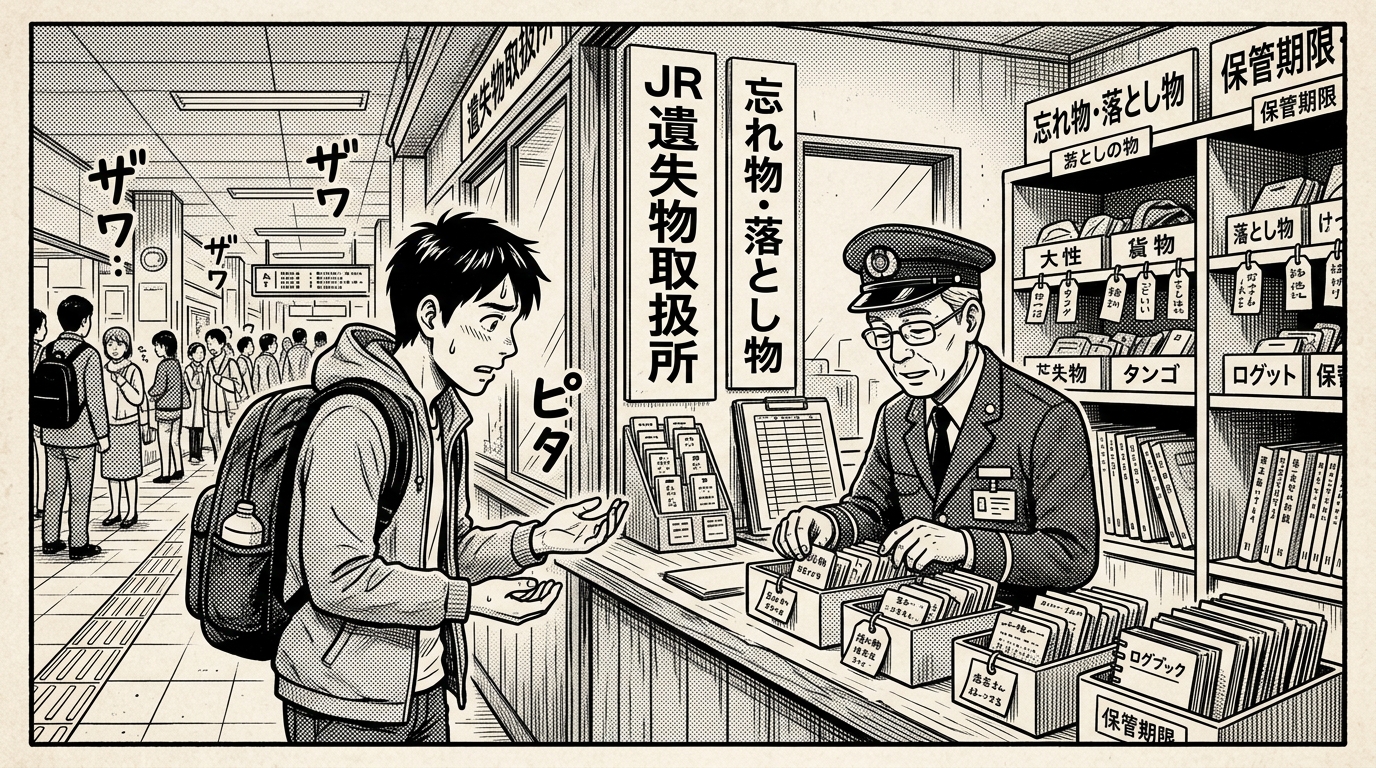
Japan has a world-renowned reputation for honesty and integrity, particularly when it comes to lost and found items. With one of the highest recovery rates globally, Japan’s efficient system ensures that most lost belongings find their way back to their owners. This article explores what happens when you lose something in Japan, from the formal lost and found procedures to the cultural values that make this system work so effectively.
Japan’s Lost and Found System
- Japan operates a comprehensive lost and found system that spans police stations, transportation hubs, and public facilities.
- The country boasts an impressive recovery rate of around 75-80% for lost items, significantly higher than many other nations.
- Lost items are typically categorized, logged, and stored for a specific period before being donated or disposed of.
Police Boxes (Koban)
Police boxes, known as “koban” in Japanese, are small police stations scattered throughout neighborhoods in Japan. These serve as the first point of contact for lost items. When someone finds a lost item, they can take it to the nearest koban where officers will document it and store it safely. Kobans are typically open 24 hours a day and staffed by officers who can assist with lost and found inquiries in both Japanese and basic English. The nationwide network of kobans creates an extensive safety net for lost items, with many items being returned to their owners within hours of being lost.
Transportation Lost and Found
Japan’s extensive transportation network includes highly efficient lost and found services. Major train stations, airports, and bus terminals have dedicated lost and found counters where found items are collected and cataloged. For example, Tokyo’s Shinjuku Station handles thousands of lost items monthly, with umbrellas being the most frequently found item. The Japan Transport system maintains a centralized database of lost items across different transportation companies, allowing them to coordinate efforts and increase recovery rates. Many items include contact information or are registered with unique identification numbers, making return processes smoother.
Public Facility Lost and Found
Public facilities in Japan, including government offices, shopping centers, hotels, and entertainment venues, all maintain organized lost and found systems. These facilities typically have designated collection points where staff members document found items using detailed forms that include descriptions, locations found, and dates. Most public facilities keep lost items for at least one month, allowing ample time for owners to reclaim them. Some larger establishments even use digital systems with photographs of found items, accessible through their websites or apps. This widespread adoption of standardized lost and found procedures across all types of public spaces contributes significantly to Japan’s high recovery rate.
Steps to Take When You Lose Something
- Immediate action is crucial when you discover something is missing in Japan.
- Visit the nearest police box (koban) or lost and found center as soon as possible.
- Provide detailed information about your lost item, including description, location lost, and time of loss.
Immediate Actions
If you realize you’ve lost something in Japan, act quickly by retracing your steps to the last location where you remember having the item. Check nearby benches, storage areas, and consultation counters. Many establishments have dedicated lost and found areas where items are temporarily held. If you lost your item while using public transportation, contact the specific transportation company’s lost and found service immediately. For valuable items like passports or electronics, consider contacting your hotel concierge or local tourist information center, as these locations often receive lost items from well-meaning citizens. The faster you report your lost item, the higher the chances of recovery.
Filing a Report
When filing a lost item report, provide as much detail as possible to help authorities identify your belongings. Include a precise description of the item, including color, brand, size, and any distinctive features. If you have a photograph of the item, bring it along as this can significantly aid in identification. Be prepared to provide the exact location and approximate time when you believe the item was lost. For electronic devices, provide serial numbers and any unique identifiers. If you lost your passport or other identification documents, you’ll need to file a police report as soon as possible, which is often required for replacement documents. Keep a copy of the report number for follow-up inquiries and insurance claims.
Following Up
After filing your initial report, make a plan to follow up on your lost item. Most lost and found centers in Japan allow you to check online databases or make phone inquiries about your item. For transportation lost and found services, some systems provide tracking numbers that enable you to monitor the status of your claim. It’s advisable to check back regularly, especially in the first few days after losing an item, as many items are processed and cataloged with some delay. If your item hasn’t been found after a week, consider expanding your search to other locations you visited that day. Persistence pays off in Japan’s lost and found system, with many items being recovered weeks after being lost due to the careful documentation and storage procedures.
Cultural Aspects of Lost and Found in Japan
- The Japanese concept of ‘mottainai’ (avoiding waste) encourages people to return lost items rather than discard them.
- Honesty is deeply ingrained in Japanese culture, with many people feeling a moral obligation to return found belongings.
- Community responsibility plays a significant role in the effectiveness of Japan’s lost and found system.
The Concept of Mottainai
The Japanese concept of “mottainai” embodies a deep respect for objects and resources, discouraging waste and promoting responsible usage of materials. This cultural value extends to lost items, as many Japanese people feel a moral obligation to return belongings to their rightful owners rather than keeping or discarding them. Mottainai teaches that items have inherent value and purpose, and wasting them by not returning them to their owners would be disrespectful. This cultural mindset is reinforced from childhood through education and social norms, creating a society where returning lost items is considered the natural and expected course of action. The concept also influences how lost items are handled in Japan’s system, with great care taken to preserve and restore items to their original condition whenever possible.
Honesty as a Cultural Value
Honesty is a cornerstone of Japanese society, valued and taught from an early age. The cultural emphasis on integrity creates a social environment where dishonesty is strongly discouraged and returning lost items is considered an ethical obligation. This value system is so deeply ingrained that many Japanese people would feel significant guilt or shame from keeping a found item. Schools and workplaces often emphasize personal responsibility and ethical conduct, further reinforcing these values. The widespread acceptance of honesty as a fundamental virtue means that the vast majority of Japanese citizens would not even consider keeping a lost item, regardless of its value. This cultural foundation explains why Japan’s lost and found system is so effective without relying on extensive surveillance or security measures.
Community Responsibility
Japanese culture places significant emphasis on community responsibility and collective well-being, which directly influences the effectiveness of the lost and found system. Citizens feel accountable not only to themselves but also to their community, creating a social environment where helping others is expected and valued. When someone finds a lost item, they often go out of their way to ensure it reaches its rightful owner, viewing this as an important contribution to social harmony. This sense of communal responsibility is supported by neighborhood associations and local community groups that often coordinate efforts to return lost items. The collective mindset extends to businesses and public institutions, all of which participate in the lost and found ecosystem as part of their social responsibility. This interconnected web of shared responsibility creates a robust system that functions efficiently without centralized enforcement.
Conclusion
Japan’s lost and found system stands as a testament to the country’s cultural values of honesty, integrity, and community responsibility. For visitors and residents alike, understanding how this system works provides peace of mind and practical knowledge should something go missing. While the system is highly effective, it’s still important to take personal precautions and act quickly when an item is lost. The remarkable success of Japan’s lost and found practices offers valuable insights into how cultural values can create practical solutions to everyday problems. As Japan continues to modernize, its lost and found system evolves with technology while maintaining the traditional values that have made it a global model. This harmonious blend of cultural principles and practical organization ensures that Japan will likely maintain its world-leading recovery rates for lost items, serving as an inspiration for other nations seeking to improve their own lost and found services.