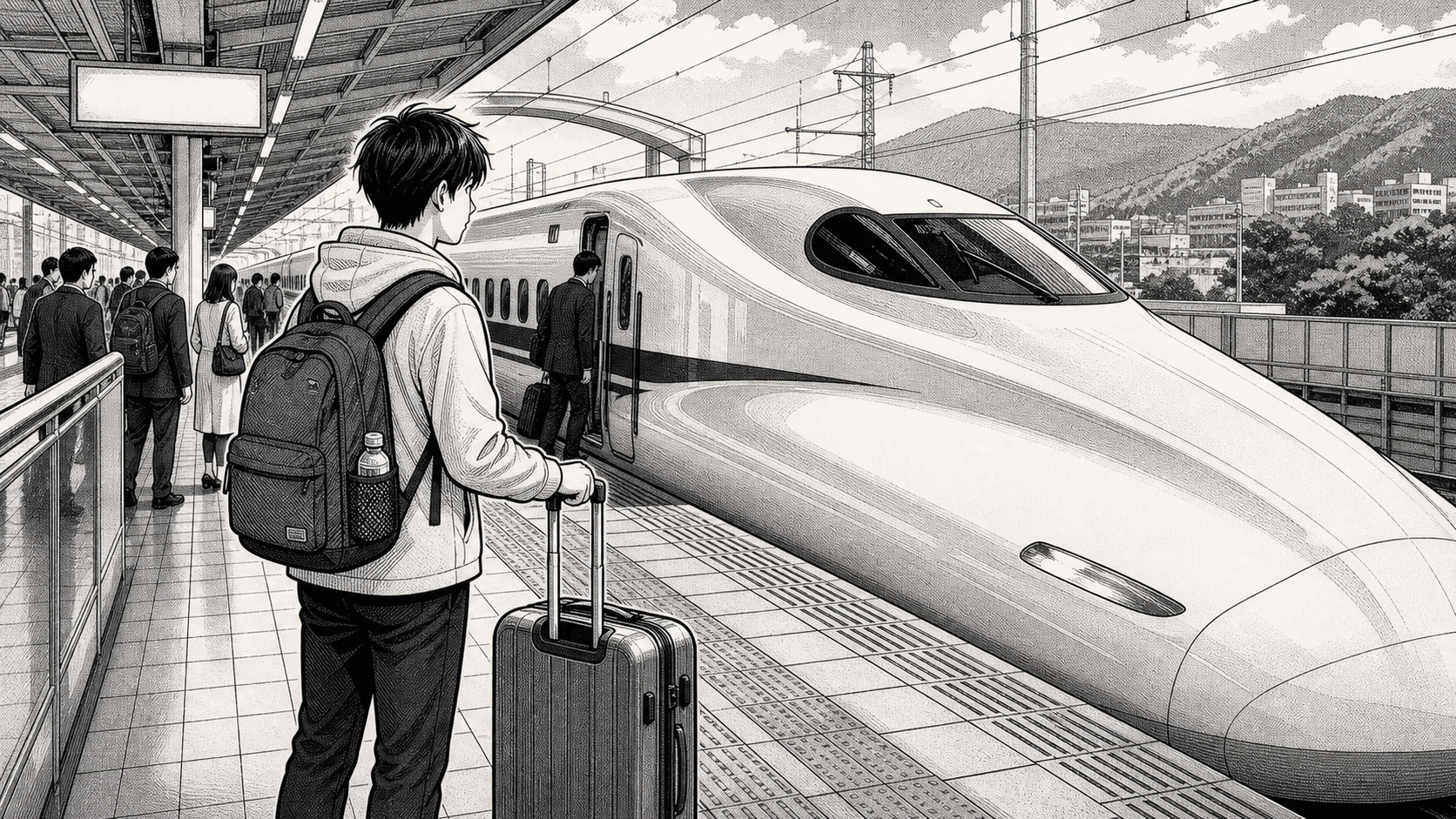
The Shinkansen, or bullet train, represents Japan’s technological excellence and offers travelers a fast, efficient way to explore the country. For first-time visitors, experiencing the Shinkansen is often a highlight of their trip, combining speed with comfort and punctuality that few other rail systems can match.
Planning Your Shinkansen Journey
- Understanding the different Shinkansen lines and their destinations
- Choosing between reserved and non-reserved seating options
- Deciding between Ordinary, Green Car, and Gran Class based on your budget and comfort preferences
Types of Tickets: JR Pass vs. Individual Tickets
The Japan Rail Pass (JR Pass) offers unlimited travel on most JR trains, including Shinkansen, for a fixed period. Available for 7, 14, or 21 consecutive days, it’s most cost-effective for those planning extensive travel. To purchase, you must buy an Exchange Order outside Japan and then activate it at JR stations. Individual tickets may be better for shorter trips or if you’re focusing on specific regions. Consider factors like your itinerary length, destinations, and travel dates when deciding between the options.
Seat Options: Reserved vs. Non-Reserved, Window vs. Aisle
Reserved seats guarantee you a specific seat and cost slightly more but provide peace of mind during busy periods. Non-reserved seating is first-come, first-served and is generally less crowded on off-peak trains. Window seats offer scenic views but can be less convenient for getting up. Aisle seats provide easier movement but may mean leaning over others to see outside. The Green Car (first class) offers more spacious seating, complimentary drinks, and priority boarding. Gran Class represents the premium option with enhanced comfort, meals, and exclusive amenities.
Advance Booking Tips: When and How to Book
For popular routes and during peak seasons (holidays, cherry blossom season, autumn leaves), book 2-4 weeks in advance. You can book online through JR’s official website, at JR ticket offices, or at ticket machines in stations. When booking online, you’ll need to pick up tickets at designated machines before travel. For the fastest service, use the multilingual ticket machines found at major stations. If traveling with a JR Pass, simply visit the ticket office or use a Midori no Madoguchi counter to make reservations.
At the Station and Boarding
- Identifying the correct Shinkansen platform and car number
- Understanding boarding procedures and timing
- Navigating station facilities and luggage restrictions
Station Navigation: Finding Your Platform
Major Shinkansen stations like Tokyo, Shin-Osaka, and Kyoto have multiple levels and can be confusing. Look for Shinkansen signs in English and Japanese. Your ticket will display the platform number, track name (e.g., Tokaido Line), and train departure time. Arrive at least 20-30 minutes before departure to navigate large stations. Some platforms have digital displays showing car numbers, helping you position yourself correctly for boarding. Many stations have dedicated Shinkansen concourses with separate entrances from regular JR lines.
Boarding Process: Timing and Procedures
Boarding typically begins 5-10 minutes before departure. Announcements in Japanese and English will signal when boarding starts. The platform displays show which cars open their doors first. Position yourself near the car number corresponding to your seat. Green Car and Gran Class passengers board first, followed by reserved seats, then non-reserved. If you have luggage, be mindful of others and use the designated luggage areas. Staff members in blue or green uniforms assist with boarding and can answer questions about your journey.
Onboard Etiquette: Noise, Space, and Behavior Expectations
Keep noise levels low, especially when using phones—conversations should be quiet, and phone calls aren’t permitted on most trains. Eating is generally acceptable, but avoid strongly scented foods. Remove shoes only if seated in Green Class or if indicated for specific routes. Maintain cleanliness by disposing of trash in provided bins. When boarding, step aside to let others pass. Store luggage in overhead racks or designated areas without obstructing pathways. Respect personal space and avoid stretching across seats.
During the Journey
- Exploring dining options from ekiben to restaurant cars
- Utilizing onboard amenities like power outlets and WiFi
- Understanding safety features and emergency procedures
Dining Options: From Convenience Stores to Restaurant Cars
Stations offer ekiben—specially prepared bento boxes that are perfect for train journeys. Convenience stores (kiosks) sell snacks, drinks, and simple meals. Many trains have vending machines selling beverages and light snacks. Green Cars and some regular trains offer trolley service with drinks and light refreshments. Premium Gran Class service includes complimentary meals. For full dining experiences, some Shinkansen lines have restaurant cars serving complete meals with beverages, though these are less common now. Remember that dining is not permitted on some shorter routes or during early morning hours.
Amenities: Power Outlets, WiFi, and Storage Solutions
All Shinkansen trains feature power outlets compatible with both Japanese Type A plugs and USB ports. Outlets are typically located above the seats in the ceiling or at the base of seats. Most modern Shinkansen offer free WiFi, though connectivity can be inconsistent in tunnels and rural areas. Luggage can be stored in overhead racks (small to medium items) or in designated luggage areas near the doors for larger cases. Seats have foldable tables, reading lights, and tray tables. Some newer models have seat-back entertainment systems. Green Cars and Gran Class offer additional amenities like wider seats and complimentary slippers.
Bathroom Facilities: Location, Usage, and Accessibility
Shinkansen cars feature western-style bathrooms with flush toilets, typically located at the ends of each car or in dedicated restroom cars. Facilities are clean and include both standard and accessible stalls with handrails. Larger restrooms accommodate wheelchairs and baby-changing stations. Toilets have call buttons for assistance from attendants. Some trains feature multi-function restrooms with bidets and heated seats. During peak hours, lines may form, so plan accordingly. Basic amenities like soap and paper towels are provided, though personal items like hand sanitizer are recommended. Note that smoking is prohibited in all bathroom areas.
Arrival and Beyond
- Exiting the train efficiently at your destination
- Connecting to local transportation from major stations
- Tips for smooth transitions and future Shinkansen journeys
Disembarking: Timing and Procedures
Begin gathering your belongings 5-10 minutes before arrival as the train won’t wait. Pay attention to announcements indicating your approaching destination. If you have luggage in overhead racks, retrieve it before the train stops. Exit calmly but efficiently, allowing passengers to disembark first before entering. Follow directional signs to the station exits. Major stations like Tokyo and Shin-Osaka have multiple exits serving different parts of the city or connecting to other transportation. If you need assistance, station staff are available at transfer gates and information desks. Remember that trains often continue to their final destination quickly after stopping at intermediate stations.
Connecting Transportation: From Station to Final Destination
Major Shinkansen stations integrate seamlessly with local transportation networks. Look for signs indicating subway, bus, or taxi connections. Many stations have direct transfers to other JR lines, often requiring minimal walking. Consider purchasing a combined Shinkansen plus local ticket if available. For shorter distances, walking may be an option—many stations are located in city centers. Taxis are readily available but can be expensive during peak hours. Some stations offer limousine bus services to hotels and major attractions. Check transportation options in advance, especially when arriving late at night when some services may be limited. Station concourses often have detailed maps and information desks to assist with connections.
Post-Journey Tips: Reflections and Future Planning
Keep your ticket as a souvenir—it makes a great memento of your journey. Consider noting which routes and cars you preferred for future reference. If you enjoyed the experience, research other Shinkansen lines for future trips. The Shinkansen network extends throughout Japan, offering connections to lesser-known destinations. Many travelers find that the comfort and efficiency of the Shinkansen enhance their overall travel experience in Japan. If you used a JR Pass, consider whether it was cost-effective and how to optimize future passes. Share your experience with other travelers and consider writing a review to help those planning similar journeys.
Conclusion
Riding the Shinkansen for the first time is more than just transportation—it’s an experience that showcases Japan’s commitment to efficiency, comfort, and technological innovation. By understanding the basics of planning, boarding, and navigating the journey, first-time riders can fully appreciate this iconic mode of transport and make the most of their travels across Japan.