
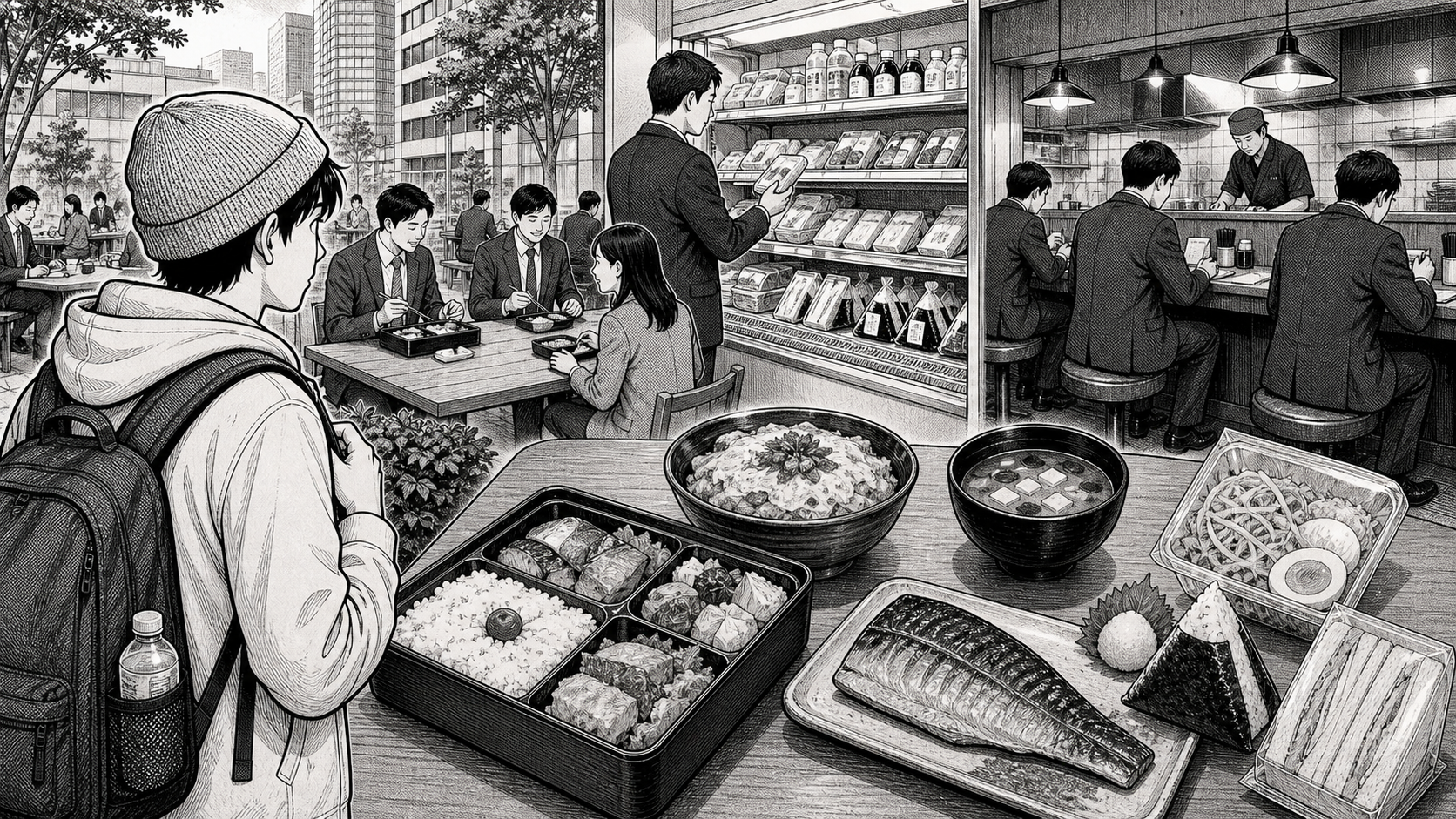
- What Japanese People Eat for Lunch on Weekdays
- Traditional Japanese Lunch Options
- Modern and Work Lunch Options
- Vegetarian and Vegan Options in Japanese Lunch Culture
- Common Mistakes Tourists Make When Ordering Lunch
- Practical Tips for Tourists
- Lunch Etiquette for Foreign Visitors
- Final Checklist for Tourists
What Japanese People Eat for Lunch on Weekdays
For travelers visiting Japan, understanding the local lunch culture can transform your experience from simply eating to truly appreciating Japan’s culinary traditions. Japanese lunch culture reflects a perfect balance between efficiency, nutrition, and aesthetic presentation. Whether you’re a business traveler, tourist, or digital nomad, knowing what locals eat for lunch and where to find these options will help you navigate Japan’s food scene with confidence. This guide explores the diverse world of Japanese lunches, from traditional home-cooked meals to convenient grab-and-go options that locals enjoy on weekdays.
Traditional Japanese Lunch Options
Traditional Japanese lunches emphasize balance, nutrition, and seasonal ingredients. These meals typically include a carbohydrate base (usually rice), a protein source, vegetables, and pickled items. The presentation is as important as the taste, with careful attention to color contrast and portion sizes. Tourists will find these options available at dedicated lunch restaurants, department store food halls, and some specialty shops.
- Bento boxes: compartmentalized meals with rice, protein, vegetables, and pickles
- Donburi: hearty rice bowls topped with various ingredients like tonkatsu, beef, or chicken
- Soba and udon noodles: served hot or cold with dipping sauces or in broth
- Traditional set meals: complete dishes with rice, miso soup, main protein, and side dishes
Bento Culture
The Japanese bento is a culinary art form that balances nutrition, aesthetics, and practicality. For tourists, bentos offer a convenient way to experience multiple Japanese flavors in one meal. Traditional bentos typically consist of rice, protein (such as grilled fish, fried chicken, or tamagoyaki), pickled vegetables, and seasonal fruits. The compartments prevent flavors from mixing while maintaining visual appeal.
Modern bentos have evolved to include character designs (kyaraben) and themed arrangements that reflect popular anime or seasonal motifs. These artistic bentos are particularly popular in specialty shops and can make for great photo opportunities. Tourists can find bentos at department store food halls, dedicated bento shops, and some convenience stores.
When selecting a bento as a tourist, consider these practical tips:
- Look for “teishoku” (set meal) sections in restaurants for bento options
- Department store basements (depachika) often offer high-quality bentos with seasonal specialties
- Convenience store bentos are rotated twice daily (morning and evening) for freshness
- Some bentos require refrigeration and may not be suitable for long sightseeing days
Popular Donburi Varieties
Donburi, meaning “bowl,” refers to a Japanese dish consisting of a large bowl of steamed rice topped with various ingredients. These hearty, satisfying meals provide complete nutrition and are popular choices for both quick lunches and leisurely dining experiences. Tourists will find donburi restaurants throughout Japan, from casual chains to specialized establishments.
Gyudon (beef bowl) features thinly sliced beef simmered with onions in a sweet soy-based broth. This comforting dish is widely available and typically quick to prepare, making it ideal for busy travelers. Katsudon features breaded deep-fried pork cutlet (tonkatsu) with egg and onions, offering a satisfying combination of textures and flavors. Oyakodon, meaning “parent-and-child bowl,” combines chicken and egg, symbolizing family. Unadon consists of grilled eel glazed with sweet soy sauce, often enjoyed during summer months for its energy-boosting properties.
For tourists, donbini restaurants offer several advantages:
- They typically have English menus or picture displays
- Service is usually quick, making them suitable for tight schedules
- Prices are generally reasonable compared to full-service restaurants
- Many chain donburi restaurants offer set meals with miso soup and pickles
Regional variations abound: Hokkaido features seafood donburi, while Kansai offers unique preparations like butadon (pork bowl). When traveling, ask locals for regional specialties to experience authentic local flavors.
Noodle Lunches
Japanese noodle culture offers diverse options for lunch, with soba (buckwheat noodles) and udon (thick wheat noodles) being the most popular choices. These dishes provide quick satisfaction while reflecting Japan’s seasonal eating traditions. Noodle shops are ubiquitous in Japan, ranging from small standalone establishments to large chains.
Soba can be served cold (zaru soba) with dipping sauce, or hot in broth (kake soba), often topped with tempura or green onions. Udon noodles, known for their chewy texture, are commonly served in light dashi broth with various toppings like tempura, seaweed, or scallions. Ramen, while often associated with dinner, has gained popularity as a lunch option with its rich broth and customizable toppings.
For tourists, noodle shops offer an authentic dining experience at reasonable prices. Many shops have ticket vending machines where you select your order before being seated. This system eliminates language barriers and streamlines the ordering process. Some tips for tourists:
- Many shops offer English menus or picture guides
- Lunch sets often include rice and a small side dish at a better value
- Slurping noodles is acceptable and even encouraged as it indicates appreciation
- Some shops may have time limits during peak hours
Somen and hiyamugi, thin wheat noodles, are traditionally served chilled during hot summer months with dipping sauces and fresh vegetables. These cooling options are perfect for tourists visiting Japan during warmer seasons.
Modern and Work Lunch Options
Modern Japanese lunch culture has evolved to accommodate fast-paced lifestyles while maintaining quality and variety. These options are particularly useful for tourists looking for quick, convenient, and affordable meals. Understanding these modern options will help you navigate Japan’s urban dining scene efficiently.
- Convenience store lunches: affordable, pre-packaged options available nationwide
- Restaurant lunches: ranging from casual eateries to high-end establishments
- Office cafeteria food: company-provided meals reflecting workplace culture
- Delivery services: bento delivery and meal kits for office workers
Konbini Culture
Japan’s convenience stores (konbini) have revolutionized lunch culture by offering affordable, fresh, and diverse options that rival home-cooked meals. For tourists, konbini represent a reliable source of quality food at any time of day. Major chains like 7-Eleven, FamilyMart, and Lawson rotate their bento offerings twice daily, ensuring freshness while providing variety.
Beyond bentos, konbini offer onigiri (rice balls), sandwiches, salads, and other ready-to-eat meals that cater to different tastes and dietary needs. The efficiency of konbini shopping allows busy professionals to select quality meals in under two minutes. These stores also provide seating areas where people can enjoy their purchases, transforming the quick lunch stop into a brief respite from work.
For tourists, konbini offer several advantages:
- Widespread availability in urban and suburban areas
- Reasonable prices compared to restaurants
- Consistent quality across nationwide chains
- Many products have English labels or visual guides
- Available 24 hours, making them perfect for any schedule
When shopping at konbini, look for the “onigiri” section for rice ball options, the “bento” section for pre-packaged meals, and the “sandwich” section for Western-style options. Many konbini also have microwave ovens for heating certain items. Note that some konbini may have limited seating during busy periods or in smaller locations.
Business Dining Etiquette
Japanese business lunch culture follows established etiquette protocols that reflect hierarchical relationships and professional respect. While tourists may not always engage in formal business dining, understanding these customs can enhance your restaurant experiences and prevent cultural misunderstandings.
When dining in business settings, the senior person typically arrives first and selects the restaurant or venue. When ordering, it’s customary to wait for the most senior person to begin. Chopsticks should not be stuck vertically in rice, as this resembles funeral rites. Slurping noodles is acceptable and even encouraged as it indicates appreciation of the food. Business cards are exchanged before meals in formal settings. The phrase “itadakimasu” is spoken before eating, expressing gratitude.
For tourists, these etiquette tips can be helpful:
- Wait for others to start eating before you begin
- Use the provided chopsticks rest when not eating
- Try to finish everything on your plate as it shows appreciation
- When sharing dishes, use the serving chopsticks provided
- Place your chopsticks across the bowl or on the chopstick rest when pausing
Payment arrangements follow strict protocols: the host typically pays in business contexts, though the guest may offer to pay next time. In casual settings among friends, splitting the bill is common, but in Japan, it’s often easier to have one person pay and settle up later.
Vegetarian and Vegan Options in Japanese Lunch Culture
While Japanese cuisine may seem challenging for vegetarians and vegans, lunch options abound once you know what to look for. Traditional Japanese cooking often emphasizes vegetables, tofu, and plant-based ingredients, making it more vegetarian-friendly than many Western cuisines. However, dashi (fish-based broth) and hidden animal products in sauces can be obstacles.
For vegetarian tourists, these options are widely available:
- Vegetarian donburi: vegetable tempura bowl, mushroom bowl, or tofu-based toppings
- Vegetarian soba or udon: ask for “no dashi” broth or select cold varieties
- Vegetarian bento: look for vegetable-focused bentos or those with egg (ovo-vegetarian)
- Convenience store options: onigiri with umeboshi (pickled plum) or vegetable fillings
When dining out, use these phrases to communicate your dietary needs:
- “Watashi wa bejitarian desu” (I am vegetarian)
- “Sakana wa irimasen” (I don’t eat fish)
Note that vegetarian definitions may vary in Japan, as fish and seafood are often not considered meat. Some restaurants may offer “shojin ryori” (Buddhist vegetarian cuisine), which is completely plant-based. These are typically available at temples and specialized restaurants, often requiring advance reservations.
Common Mistakes Tourists Make When Ordering Lunch
Navigating Japan’s lunch scene can be challenging for first-time visitors. Being aware of common pitfalls will help you avoid disappointment and make the most of your dining experiences.
Misunderstanding Portion Sizes
Japanese portions are generally smaller than Western equivalents, which can surprise tourists. What appears to be an appetizer in many cultures often constitutes a complete meal in Japan. This is particularly true for set meals, which offer balanced portions rather than large quantities of a single item.
To avoid going hungry, consider these strategies:
- Order a main dish with a side of rice if you’re particularly hungry
- Look for “teishoku” (set meals) which typically include multiple components
- Don’t hesitate to order additional items if you’re still hungry
- Remember that smaller portions allow for trying more varieties of food
Assuming All Restaurants Accept Credit Cards
While credit card acceptance is increasing in Japan, many smaller establishments, especially local noodle shops and traditional restaurants, still prefer cash. This is particularly true for lunch spots in business districts or local neighborhoods.
To avoid payment issues:
- Carry sufficient cash when exploring areas outside major tourist centers
- Look for cash payment signs (often showing credit card logos with a red X through them)
- Keep small bills and coins for easier transactions
- Ask “kādo de okane harai wa dekimasu ka?” (Can I pay by card?) if unsure
Overlooking Lunch Time Limits
Many Japanese restaurants, particularly popular lunch spots and business district eateries, implement time limits during peak hours. These limits typically range from 60 to 90 minutes to accommodate the high volume of office workers on their lunch breaks.
To navigate time limits gracefully:
- Arrive early if possible, especially on weekdays
- Be mindful of the time and pace yourself accordingly
- Avoid lingering too long after finishing your meal
- Some restaurants display the time limit prominently—check for these signs
Practical Tips for Tourists
Where to Find Lunch Options
Japan offers numerous lunch options across different settings, each with its own advantages:
- Department Store Food Halls (Depachika): Located in basements of major department stores, these offer premium bentos, sushi, and other prepared foods. They’re ideal for special occasions or when you want to sample high-quality items.
- Station Buildings (Ekimae): Major train stations often have multiple floors of restaurants and food courts, perfect for quick meals between destinations.
- Shopping Arcades: Covered shopping streets typically feature numerous small restaurants and casual dining options at reasonable prices.
- Convenience Chains: 7-Eleven, FamilyMart, and Lawson offer consistent quality nationwide with English labeling on many products.
- Vending Machine Restaurants: Look for restaurants with ticket machines where you order before being seated—these often have picture menus and minimal language barriers.
Budget Considerations
Japanese lunch options range from budget-friendly convenience store items to high-end restaurant experiences. As a general guide:
- Convenience Stores: ¥300-¥1000 for a complete meal
- Fast Food Chains: ¥800-¥1500 for set meals
- Casual Restaurants: ¥1000-¥2500 for lunch sets
- Mid-range Restaurants: ¥2000-¥4000 for lunch specials
- High-end Restaurants: ¥5000+ for lunch courses
Note that prices vary significantly by location, with Tokyo generally being more expensive than regional areas. Lunch sets (teishoku) typically offer better value than ordering à la carte, especially at mid-range establishments.
Regional Variations
Japanese lunch culture varies significantly by region, reflecting local ingredients and culinary traditions:
- Tokyo: Emphasizes fresh seafood, sophisticated bentos, and diverse international options
- Osaka: Known for hearty portions and street food like takoyaki and okonomiyaki
- Kyoto: Features refined vegetarian dishes and traditional kaiseki ryori
- Hokkaido: Highlights seafood, dairy products, and hearty noodle dishes
- Okinawa: Offers unique tropical flavors and dishes like rafute (braised pork)
When traveling between regions, be sure to sample local specialties. Ask hotel staff or locals for recommendations of must-try lunch items in each area.
Lunch Etiquette for Foreign Visitors
Understanding basic Japanese dining etiquette will enhance your lunch experiences and show respect for local customs:
Chopstick Etiquette
- Never stick chopsticks upright in rice—this resembles funeral rites
- Don’t pass food directly from chopstick to chopstick
- Place chopsticks on the provided chopstick rest when not in use
- When eating from shared dishes, use the serving chopsticks provided
- Don’t point with chopsticks or use them to gesture
Dining Customs
- Say “itadakimasu” before eating and “gochisōsama deshita” after finishing
- Slurping noodles is acceptable and appreciated
- Lift small bowls of rice or soup to eat, rather than bending over
- Try to finish everything on your plate to show appreciation
- When eating with others, wait for everyone to be served before beginning
<
h3>Tipping Culture
Japan has no tipping culture, and leaving money on the table can be confusing or even offensive to service staff. The price listed is the complete price, and excellent service is considered standard and included in the cost. Simply pay the exact amount at the register or when the bill is presented.
Final Checklist for Tourists
Before heading out for lunch in Japan, use this quick checklist to ensure a smooth dining experience:
- Carry sufficient cash, especially when exploring non-tourist areas
- Learn basic food-related Japanese phrases
- Research restaurant options in advance for special dietary needs
- Allow extra time during peak lunch hours (12:00-1:30 PM)
- Check for time limits at busy restaurants
- Look for picture menus or English translations when available
- Be mindful of chopstick etiquette
- Try seasonal specialties when available
- Ask for recommendations from locals or hotel staff
- Enjoy the experience—Japanese lunch culture emphasizes appreciation of food and company
Japanese lunch culture offers a window into the country’s values of balance, precision, and seasonal appreciation. Whether you’re enjoying a meticulously prepared bento, a quick convenience store meal, or a leisurely bowl of noodles, each lunch experience provides insight into Japanese daily life. By understanding the diverse options and customs surrounding Japanese lunches, travelers can deepen their cultural experience and create lasting memories of Japan’s rich culinary traditions.