- How Early Do Shops Open in Japan? A Traveler’s Guide
- Quick Reference: Opening Hours by Shop Type
- Detailed Breakdown: Opening Hours by Retail Category
- Regional Variations in Opening Times
- Seasonal Considerations and Holiday Impact
- Practical Tips for Tourists
- Common Mistakes to Avoid
- Realistic Shopping Itineraries
- Final Checklist for Shopping in Japan
How Early Do Shops Open in Japan? A Traveler’s Guide
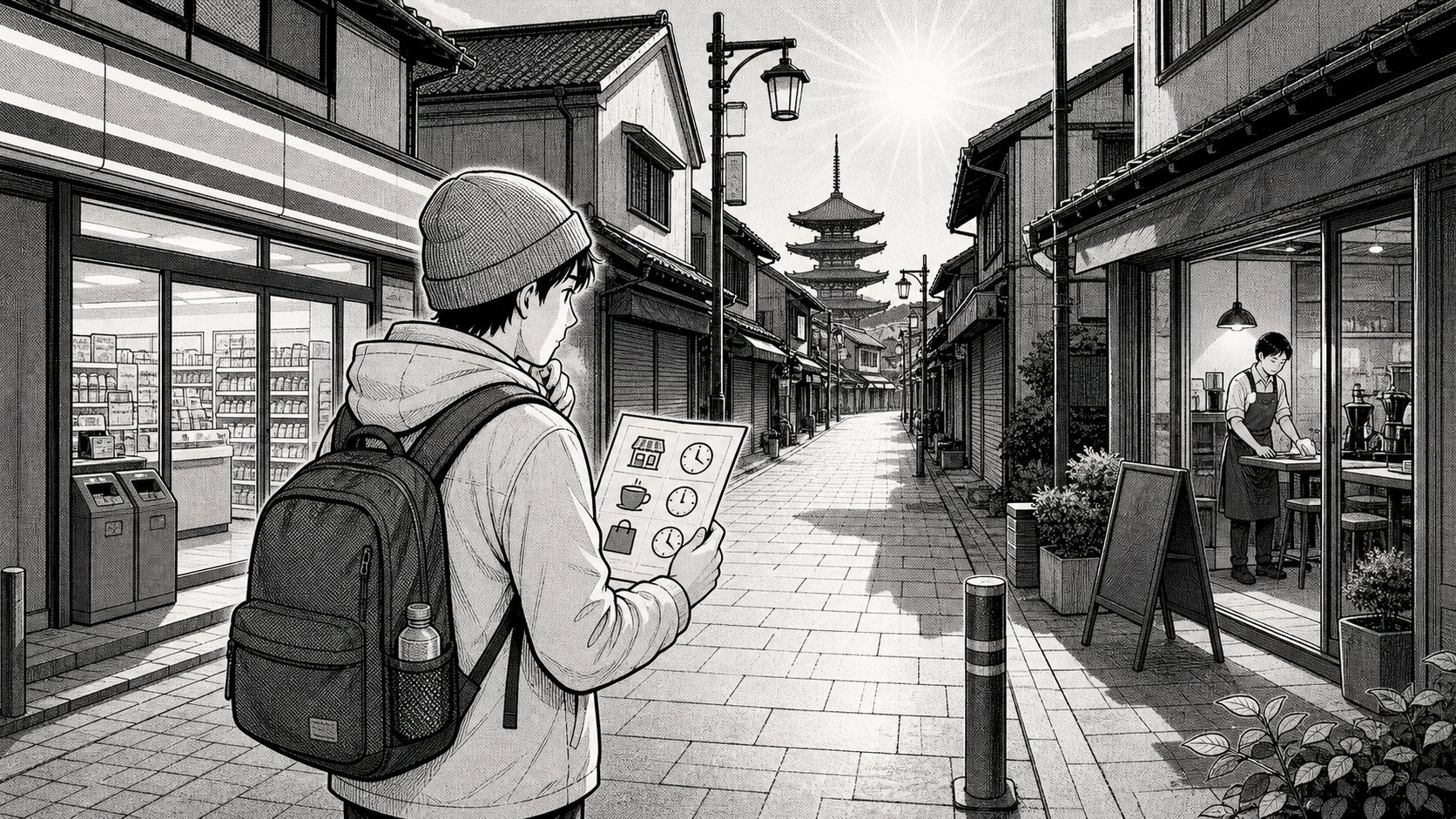
If you’re planning a shopping trip to Japan, you might be wondering about opening hours. The answer varies significantly: while convenience stores typically open 24/7, most shops open between 9:00 AM and 10:00 AM, with some local specialty shops opening as early as 7:00 AM. Understanding these patterns helps you plan your day effectively and make the most of your retail experience in Japan.
Japan’s retail landscape reflects the country’s unique blend of tradition and modernity. Opening hours aren’t just about business operations—they’re deeply connected to Japanese work culture, consumer habits, and regional diversity. For tourists, knowing when shops open can mean the difference between a successful shopping trip and disappointment, especially when you’re working around a tight travel schedule.
Quick Reference: Opening Hours by Shop Type
Before diving into details, here’s a quick overview of typical opening hours for different types of retail establishments in Japan:
- Convenience stores (konbini): Usually open 24/7, though some may close briefly for cleaning
- Department stores: Typically open between 10:00 AM and 11:00 AM, close around 7:00 PM to 8:00 PM
- Supermarkets: Generally open between 9:00 AM and 10:00 AM, close between 8:00 PM and 10:00 PM
- Local specialty shops: Often open earlier, sometimes as early as 7:00 AM or 8:00 AM
- Shopping malls: Usually open around 10:00 AM, with closing times varying by location
- Electronics stores: Typically open from 10:00 AM to 8:00 PM or 9:00 PM
- Bookstores: Generally open from 10:00 AM to 9:00 PM or 10:00 PM
Remember that these are general guidelines, and individual stores may adjust their hours based on location, customer demand, and special events.
Detailed Breakdown: Opening Hours by Retail Category
Convenience Stores (Konbini)
Convenience stores are Japan’s retail champions of accessibility. These ubiquitous establishments typically operate 24 hours a day, 365 days a year, making them reliable sources of food, drinks, and necessities at any hour. Major chains like 7-Eleven, FamilyMart, and Lawson have thousands of locations throughout Japan, often found at train stations, in residential neighborhoods, and along major streets.
As a tourist, you’ll find konbini incredibly useful for:
- Purchasing affordable meals (onigiri, sandwiches, bento boxes)
- Getting drinks and snacks
- Using ATMs (though not all accept international cards)
- Sending packages and photocopying documents
- Paying utility bills and other services
While most konbini maintain 24/7 operations, some smaller or rural locations may have modified hours, typically closing for a few hours in the early morning (around 2:00 AM to 5:00 AM) for cleaning and restocking. During natural disasters or other emergencies, some stores may temporarily adjust hours or close entirely.
Department Stores
Department stores in Japan are more than just shopping destinations—they’re cultural institutions. Major chains like Takashimaya, Mitsukoshi, and Isetan typically open between 10:00 AM and 11:00 AM and close between 7:00 PM and 8:00 PM. However, many department stores designate specific days for late-night shopping, usually until 8:00 PM or 9:00 PM, particularly on Fridays or before holidays.
Department stores often feature multiple floors with different categories of merchandise, from luxury brands to basement food halls (depachika). These food halls are attractions in themselves, offering premium Japanese foods, sweets, and gifts. When planning a visit to a department store, consider:
- Weekdays are generally less crowded than weekends
- Basement food halls may have different hours than the main store
- Some stores have restaurants with different operating hours
- Special exhibitions may affect access to certain floors
Department stores typically close one day per week, though this varies by location. Common closure days are either Monday or Tuesday, but always verify the specific schedule for the store you plan to visit.
Supermarkets and Grocery Stores
Supermarkets in Japan typically open between 9:00 AM and 10:00 AM and close between 8:00 PM and 10:00 PM. However, hours can vary significantly based on location and store size. Urban supermarkets near residential areas often stay open later to accommodate after-work shoppers, while those in smaller towns may close earlier.
For tourists, supermarkets offer an excellent opportunity to experience everyday Japanese food culture. You’ll find:
- Fresh seasonal produce
- Prepared meals and bento boxes
- Local specialties and regional products
- Affordable snacks and drinks
Many supermarkets reduce their hours on Sundays and holidays, and some may close entirely on certain days. Additionally, stores in tourist areas may adjust their hours during peak seasons to better serve visitors.
Specialty Shops and Local Markets
Specialty shops and local markets often open earlier than larger retail establishments. Traditional shops selling items like ceramics, textiles, or local crafts may open as early as 7:00 AM or 8:00 AM, particularly in areas with strong tourism or where morning shoppers are common.
Famous markets like Tokyo’s Tsukiji Outer Market, Kyoto’s Nishiki Market, or Osaka’s Kuromon Market typically open early in the morning, often around 5:00 AM to 9:00 AM depending on the specific vendors and the season. These markets offer authentic local experiences and are excellent places to sample fresh foods and purchase unique souvenirs.
When visiting specialty shops and markets:
- Arrive early for the best selection and smaller crowds
- Be prepared for cash-only transactions at some vendors
- Don’t hesitate to ask about products, even with language barriers
- Keep in mind that some smaller shops may close for lunch
Regional Variations in Opening Times
Japan’s diverse geography and cultural differences have created regional variations in retail operating hours. While major cities follow standardized patterns, smaller towns and rural areas often maintain more traditional schedules that reflect local customs and lifestyle patterns.
Urban Centers
In major metropolitan areas like Tokyo, Osaka, and Nagoya, retail establishments generally maintain longer hours to accommodate the fast-paced lifestyle of city dwellers. Shopping districts in these areas often stay open late, with some areas featuring illuminated storefronts and extended hours to attract after-work shoppers.
Department stores and shopping malls in urban centers typically maintain consistent hours throughout the week, though some may have reduced hours on Sundays. Convenience stores, of course, remain available 24/7. High-end shopping districts like Tokyo’s Ginza or Osaka’s Shinsaibashi may have more standardized hours across their luxury boutiques.
For tourists in urban areas, the extended hours provide flexibility for shopping at various times of day. However, popular shopping destinations can become crowded during peak hours, particularly on weekends and holidays.
Rural Areas and Smaller Towns
In rural areas and smaller towns, shops often follow more traditional schedules that may seem earlier to visitors accustomed to big-city shopping patterns. Local shops may open around 8:00 AM or 9:00 AM and close by 6:00 PM or 7:00 PM, with some businesses closing for lunch or on specific days of the week.
Regional markets in rural areas often follow seasonal patterns, operating more frequently during harvest seasons and less so during off-peak times. These markets provide authentic glimpses into local life and traditions but may require more planning to visit as they may not operate daily.
When shopping in rural Japan:
- Be aware that some shops may close on specific weekdays
- Prepare for limited English signage and fewer multilingual staff
- Keep in mind that payment options may be more limited
- Allow extra time for transactions as processes may be slower
Tourist Destinations
Tourist destinations throughout Japan have adapted their opening hours to better serve international visitors. In areas like Kyoto’s historic districts, Nara’s temple precincts, and Hakone’s resort areas, shops often maintain extended hours during peak tourist seasons.
Many tourist-oriented establishments now display information in multiple languages and adjust their schedules to accommodate different cultural expectations regarding shopping times. Special shopping districts in cities like Osaka’s Dotonbori and Tokyo’s Asakusa have embraced longer hours to maximize visitor experiences, with some areas featuring illuminated shopping streets that remain active well into the evening.
However, even in popular tourist areas, you’ll find variations:
- Shops directly at major tourist attractions may have different hours than those in nearby shopping streets
- Seasonal businesses, particularly those in resort areas, may operate only during specific times of the year
- Some traditional shops in historic districts may maintain more conservative hours
Seasonal Considerations and Holiday Impact
Shop opening hours in Japan can vary significantly by season, with adjustments made to accommodate changing customer patterns, local events, and traditional holidays.
Seasonal Variations
Summer and winter months often see adjustments to regular operating hours:
- During summer (July-August), some shops extend their hours to accommodate summer festivals and tourist season
- Winter months may see reduced hours in some areas, particularly in northern regions with heavy snowfall
- Cherry blossom season (late March to early April) and autumn foliage season (October-November) may prompt shops in popular destinations to adjust hours
- Rural agricultural areas may have different hours during planting and harvest seasons
These seasonal variations aren’t always predictable, so it’s wise to check current information when planning your trip, especially if you’re visiting during shoulder seasons.
Japanese Holidays and Their Impact
Japanese holidays significantly affect retail operating hours. Many shops close entirely on specific holidays or have reduced hours. Major holidays include:
- New Year’s holidays (December 29-January 3): Most shops close completely during this period
- Golden Week (late April to early May): A series of holidays that affect business operations nationwide
- O-Bon (mid-August): Many businesses close or have reduced hours during this ancestral holiday period
- Year-end and New Year holidays: Similar to Western countries, many shops have special schedules
Additionally, some shops may close on specific weekdays that aren’t national holidays but are traditional closing days for that particular store or chain. Department stores, for example, typically close one day per week, usually either Monday or Tuesday.
Practical Tips for Tourists
How to Find Current Opening Hours
When planning your shopping activities in Japan, having accurate, up-to-date information is essential. Here are the most reliable ways to check current opening hours:
- Store websites and official apps: Many major retailers have websites with current hours
- Google Maps: Often displays current hours and may show real-time availability
- Tourist information centers: Located at major transportation hubs and in popular destinations
- Hotel concierge: Can provide information about nearby shopping options
- Local signage: Shops typically display their hours on the entrance
Remember that opening hours can change unexpectedly due to special events, holidays, or other circumstances. When in doubt, call ahead or check online before making a special trip.
Language Considerations
While major shopping areas in Japan often have English signage and staff who speak some English, many smaller shops and local markets may operate primarily in Japanese. Here are some language tips for shopping:
- Learn basic Japanese phrases for shopping, such as “Kono ato nanji made desu ka?” (What time do you close?)
- Carry a translation app on your smartphone for quick communication
- Take photos of opening hours when you see them to reference later
- Be patient and use gestures if language barriers arise
Many shops now display information in both Japanese and English, particularly in tourist areas. However, this isn’t universal, especially in smaller towns and rural areas.
Cultural Etiquette While Shopping
Understanding Japanese shopping etiquette can enhance your experience and help you navigate retail spaces more comfortably:
- Wait in an orderly line when entering popular stores, especially during peak hours
- Bring your own shopping bags or be prepared to purchase them, as plastic bags may incur a fee
- Remove your shoes when entering stores that require it, such as some traditional shops and ryokan (inns)
- Try not to touch items unnecessarily, especially in clothing stores
- Be prepared to pay in cash at smaller establishments, as not all accept credit cards
Japanese retailers generally provide excellent customer service, often with bowing and polite language. Returning the courtesy with a simple “arigatou gozaimasu” (thank you) is appreciated.
Common Mistakes to Avoid
When shopping in Japan, tourists often encounter challenges due to differences in retail practices and expectations. Being aware of these common pitfalls can help you avoid disappointment:
Assuming Uniform Hours
One of the most common mistakes is assuming that all shops of the same type operate on identical schedules. Even within the same chain, individual stores may have different hours based on location, customer patterns, and local regulations. Always verify the specific hours for each store you plan to visit.
Ignoring Closing Days
Many Japanese shops close on specific weekdays, which may not be immediately obvious to tourists. Department stores, for example, typically close one day per week, often Monday or Tuesday. Planning a shopping trip around these closing days can result in disappointment and wasted time.
Overlooking Seasonal Adjustments
Shop hours can change significantly during different seasons and holiday periods. Assuming that summer hours apply in winter, or that holiday schedules are the same as regular days, can lead to unexpected closures or limited service.
Expecting 24/7 Service Everywhere
While convenience stores operate around the clock, most other retail establishments follow more traditional schedules. Don’t assume you can shop at any hour of the day or night outside of konbini.
Underestimating Regional Differences
Shopping hours in Tokyo may not reflect those in smaller cities or rural areas. Assuming that retail practices are uniform throughout Japan can lead to planning errors, especially when traveling between different regions.
Realistic Shopping Itineraries
To help you plan your shopping adventures in Japan, here are a few sample itineraries that account for typical opening hours:
Tokyo Urban Shopping Day
- 8:00 AM: Start at a local market like Ameya Yokocho or Tsukiji Outer Market for breakfast and browsing
- 10:30 AM: Visit a department store in Ginza for luxury shopping and lunch in their food hall
- 2:00 PM: Explore electronics in Akihabara, where many shops stay open until late evening
- 5:00 PM: Browse the shops in Shibuya, staying for dinner and evening entertainment
- Evening: Convenience store run for any forgotten items or late-night snacks
Kyoto Traditional Shopping Experience
- 9:00 AM: Visit Nishiki Market for local specialties and breakfast
- 11:00 AM: Explore traditional shops in Higashiyama district
- 1:00 PM: Lunch at a restaurant in Gion
- 3:00 PM: Browse artisan shops in Arashiyama
- 5:00 PM: Souvenir shopping in Kyoto Station’s shopping complex
Osaka Food and Fashion Day
- 10:00 AM: Start at Kuromon Market for fresh seafood and street food
- 12:00 PM: Shopping in Shinsaibashi for fashion and accessories
- 2:00 PM: Lunch in Dotonbori area
- 4:00 PM: Browse specialty shops in Amerikamura
- Evening: Explore the illuminated shopping streets and late-night dining
Final Checklist for Shopping in Japan
Before heading out to shop in Japan, use this quick checklist to ensure a smooth experience:
- ☐ Verify opening hours for specific stores before visiting
- ☐ Check for closing days, especially for department stores
- ☐ Consider bringing cash as many smaller shops don’t accept cards
- ☐ Have a translation app ready for communication
- ☐ Bring your own reusable shopping bags to avoid fees
- ☐ Plan around seasonal variations and holidays
- ☐ Allow extra time for transactions as processes may be slower
- ☐ Research return policies, as they can vary by store
- ☐ Keep store business cards for reference and directions
- ☐ Be prepared for language barriers in smaller shops
Understanding Japan’s shop opening hours enhances your travel experience by helping you plan effectively and avoid disappointment. From the 24/7 convenience stores to the seasonal schedules of specialty shops, Japan’s retail landscape offers fascinating insights into the country’s culture and daily life. With proper planning, you can make the most of your shopping adventures in Japan.