Japanese vending machines are an iconic part of daily life in Japan, offering everything from beverages and snacks to unique items like umbrellas and fresh eggs. These convenient machines can be found on virtually every street corner, making them an essential part of the Japanese experience for locals and tourists alike.
Understanding Japanese Vending Machines
- Japan has one of the highest vending machine densities in the world
- Vending machines offer a wide variety of products beyond typical snacks and drinks
- Modern machines feature advanced technology like touchscreens and cashless payment
Drink Vending Machines
Drink vending machines are the most common type in Japan, offering an astonishing array of beverages including hot and cold teas, coffees, sodas, sports drinks, and even alcoholic beverages. These machines often have both refrigerated and heated compartments, allowing for the sale of both chilled drinks in summer and hot beverages in winter. Many feature digital displays showing product options and prices, with some machines offering seasonal specialties that change according to the time of year.
Food Vending Machines
Food vending machines provide quick meal solutions and snacks beyond typical vending machine fare. You can find machines selling sandwiches, onigiri (rice balls), bento boxes, instant noodles, and even hot meals that are prepared on demand. These machines often have heating mechanisms to ensure food remains at the proper temperature until purchase. Some advanced models even allow you to customize your order, such as choosing the level of spiciness for ramen noodles or selecting specific ingredients for a sandwich.
Specialized Vending Machines
Japan’s vending machine culture extends well beyond food and drinks to include specialized machines selling nearly anything imaginable. These include machines selling umbrellas, electronics, fresh flowers, cosmetics, toys, and even live lobsters in some regions. Agricultural areas feature machines selling fresh produce directly from local farms, while tourist areas may offer specialty regional products. Some machines are designed for specific needs, such as selling emergency supplies in earthquake-prone areas or providing feminine hygiene products in restrooms.
Operating a Vending Machine
- The basic operation is straightforward but has some unique features
- Payment methods vary by machine location and age
- Understanding the display options is key to making selections
Basic Operation
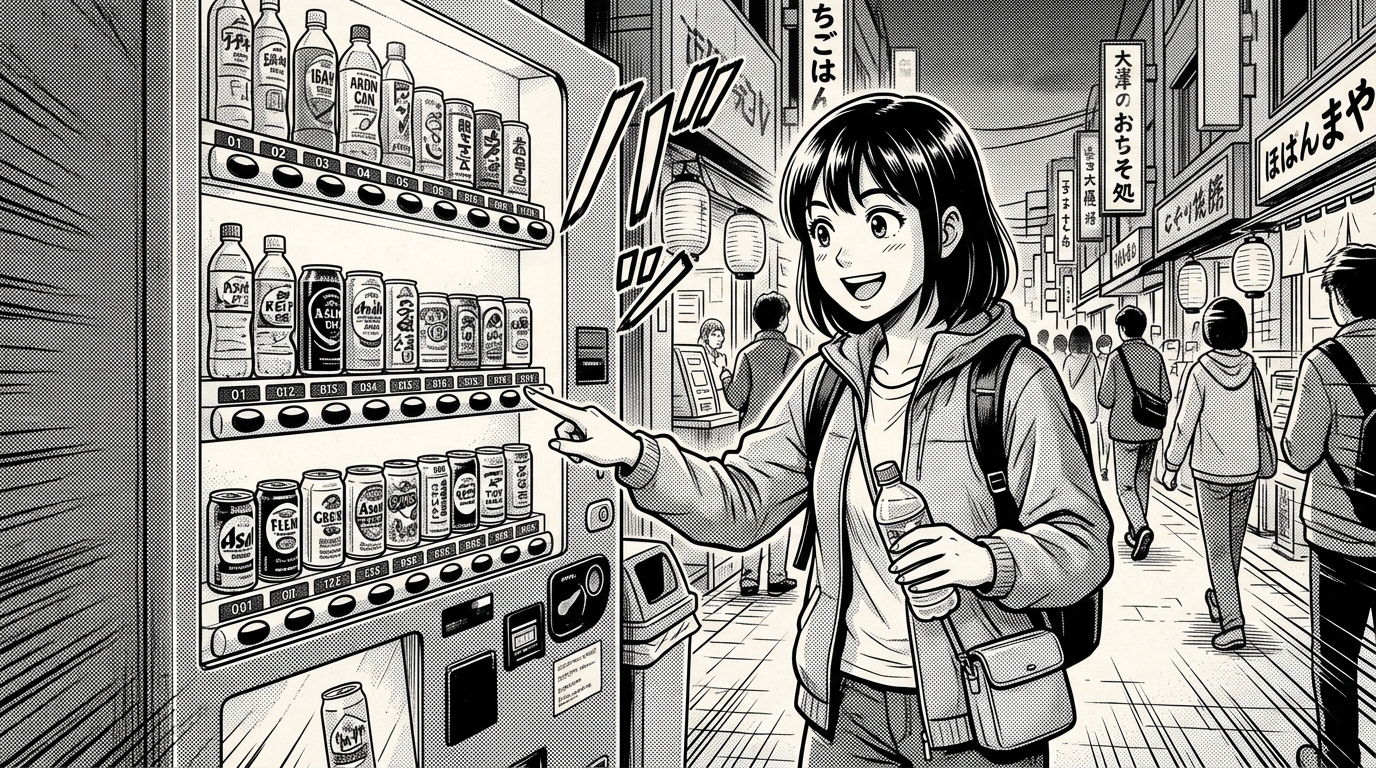
Operating a Japanese vending machine typically involves selecting your desired item either by pressing a button corresponding to the number displayed next to the product or by touching the product image on a touchscreen interface. After selection, you insert payment and wait for the machine to dispense your item. Most machines have a small shelf at the bottom where items are held after purchase to prevent them from falling and potentially getting damaged. Some machines have bilingual instructions in Japanese and English, making them accessible to foreign visitors.
Payment Options
Japanese vending machines accept various payment methods depending on their age and location. Traditional machines primarily accept coins (yen), while newer models often feature contactless payment options including IC cards like Suica and Pasmo, as well as mobile payment systems such as PayPay, Rakuten Pay, and LINE Pay. Credit card readers are becoming increasingly common, especially in urban areas and tourist destinations. Some machines even support QR code payments, making them highly convenient for both locals and international visitors who may not carry cash.
Common Issues and Solutions
While Japanese vending machines are generally reliable, occasional issues can occur. The most common problem is a machine failing to dispense an item after payment. In such cases, pressing the change return button usually triggers an automatic refund. If that doesn’t work, there’s typically a customer service number displayed on the machine that you can call for assistance. Another occasional issue is a machine running out of stock, which is more common in rural areas or during late hours. Some machines have stock indicators showing which items are available, helping you avoid disappointment.
Etiquette and Tips
- There are unwritten rules for using vending machines respectfully
- Certain strategies can help you find the best deals
- Cultural context enhances the vending machine experience
Vending Machine Etiquette
When using Japanese vending machines, it’s customary to wait your turn if others are waiting, even though the machines are designed for quick transactions. After making your purchase, it’s polite to move away from the machine to allow others to access it. Some machines have designated waiting areas marked on the ground. Additionally, it’s considered polite to collect your purchase promptly and not block the machine while deciding on your selection. If you need to make multiple purchases, it’s better to let others go first rather than monopolizing the machine.
Saving Money
While vending machine prices are generally fixed, there are ways to save money when using them. Some machines offer discounts during off-peak hours, such as late at night or early in the morning. Larger supermarkets and train stations sometimes have vending machine sections with competitive pricing compared to standalone machines. Additionally, some machines accept loyalty points or offer promotions when you use certain payment methods. It’s also worth noting that purchasing larger containers (like 1.5L bottles instead of 500ml) often provides better value for money.
Cultural Insights
Vending machines in Japan reflect the country’s emphasis on convenience, efficiency, and technological innovation. Their ubiquity demonstrates how Japan has integrated automation into everyday life. The variety of available products showcases Japanese attention to detail and customer satisfaction. In many cases, vending machines operate 24/7, highlighting Japan’s work culture and round-the-clock service expectations. The machines are also maintained with remarkable regularity, reflecting Japanese standards of cleanliness and functionality. Observing which products are popular in different regions can provide insights into local preferences and seasonal traditions.
Conclusion
Mastering the art of using Japanese vending machines not only provides convenience but also offers a glimpse into Japanese efficiency and innovation. With these tips, you’ll navigate Japan’s vast vending machine landscape like a local, enjoying everything from hot drinks in winter to chilled beverages in summer, all with the simple push of a button. Whether you’re grabbing a quick snack between sightseeing, purchasing an umbrella during an unexpected rain shower, or trying a seasonal specialty you won’t find elsewhere, Japan’s vending machines offer an authentic slice of daily life that enhances any visit to this fascinating country.