
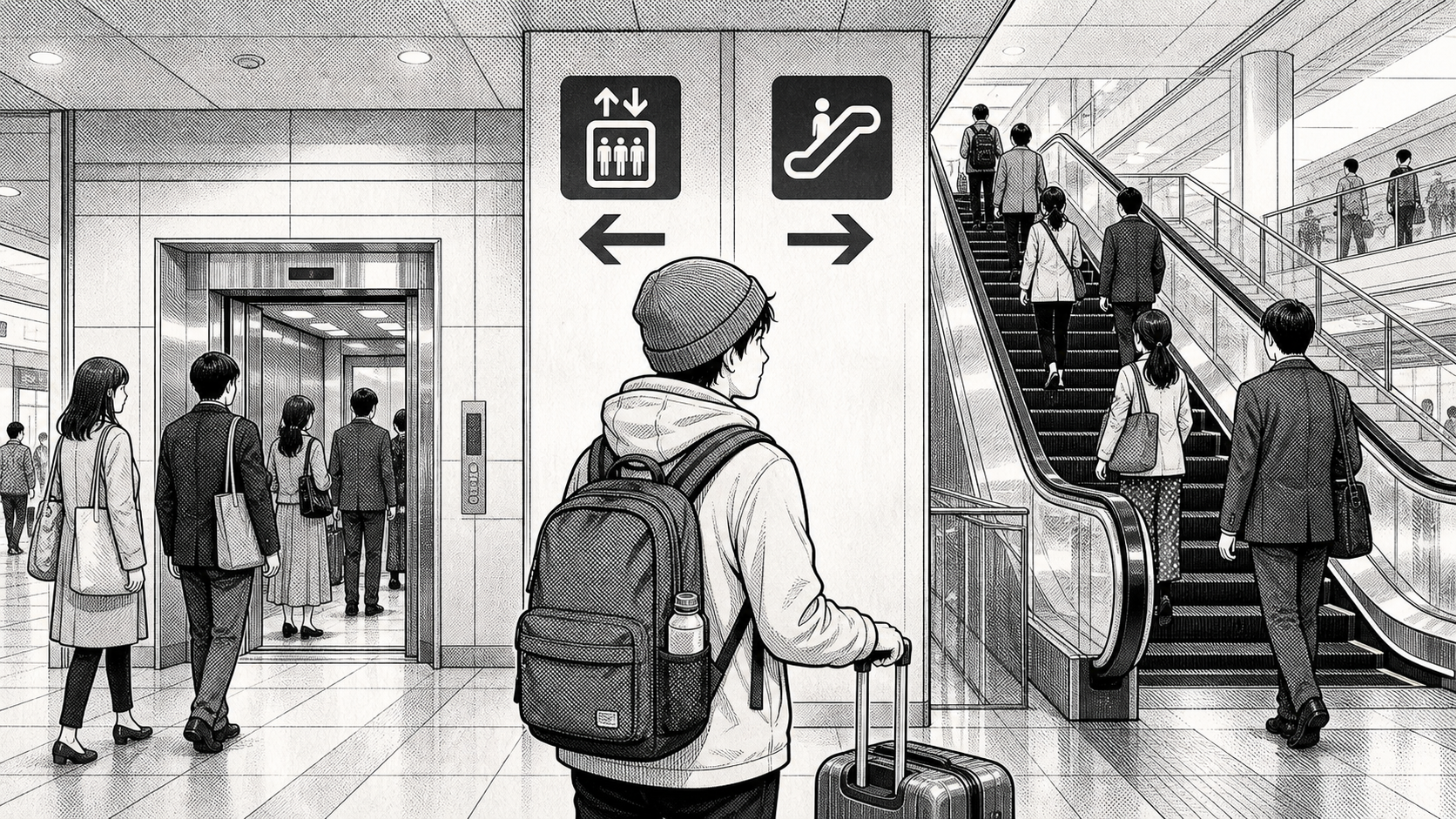
This article explores the fascinating world of Japanese elevators and escalators, examining their unique technological innovations, safety features, and cultural significance in Japan’s urban landscape.
History and Development of Japanese Vertical Transportation
- Early adoption of elevator technology in Japan during the Meiji Era
- Post-war reconstruction boom driving elevator installation
- Japanese companies becoming global leaders in elevator manufacturing
- Integration of traditional Japanese design principles with modern technology
Evolution of Elevator Technology in Japan
Japanese elevator technology has evolved significantly since its introduction in the late 19th century. During the Meiji Era (1868-1912), Japan began importing Western elevator technology, primarily for use in hotels and government buildings. The first electric elevator in Japan was installed in the Imperial Hotel in Tokyo in 1900, marking the beginning of Japan’s relationship with vertical transportation systems.
After World War II, Japan’s rapid economic growth and urbanization led to a boom in skyscraper construction. This period saw the introduction of faster, more reliable elevators capable of serving taller buildings. Japanese manufacturers like Mitsubishi Electric, Hitachi, and Fujitec began developing proprietary technologies that addressed Japan’s unique challenges, including seismic activity and limited space.
The 1980s and 1990s witnessed the integration of computer control systems, allowing for more sophisticated traffic management and energy efficiency. In the 21st century, Japanese elevator technology has embraced IoT connectivity, AI-driven optimization, and destination control systems, making Japanese elevators among the most advanced in the world.
Cultural Significance of Vertical Transportation
In Japan, elevators and escalators transcend their practical functions to become cultural symbols of modernity and efficiency. The Japanese concept of “monozukuri” (物作り), or the art of making things, is evident in the meticulous attention to detail in every aspect of vertical transportation design. This cultural emphasis on precision and quality has made Japanese elevators models of reliability and user experience.
Elevators in Japan also reflect broader cultural values. The emphasis on group harmony is evident in how elevator cars are designed to accommodate multiple passengers efficiently. The Japanese attention to safety is manifest in the numerous redundant systems and safety features found in elevators. Additionally, the integration of traditional aesthetics with modern technology demonstrates Japan’s unique approach to technological advancement—one that honors tradition while embracing innovation.
In urban Japan, elevators and escalators facilitate the dense, multi-level lifestyle that characterizes cities like Tokyo and Osaka. They connect different aspects of daily life—from residential apartments to office buildings, shopping centers, and train stations—becoming indispensable elements of Japanese urban infrastructure.
Japanese Manufacturers and Their Global Impact
Japanese elevator manufacturers have achieved global prominence through their commitment to quality, innovation, and reliability. Mitsubishi Electric, founded in 1921, became one of the first Japanese companies to develop its own elevator technology and has since grown into a multinational corporation with operations in over 90 countries. Its ELEVUX™ and LEVUNE™ series have set new standards in elevator technology worldwide.
Hitachi, another industry giant, introduced its first elevator in 1937 and has since pioneered numerous innovations. The company’s “Smart Elevator” technology uses AI to optimize traffic flow and energy consumption, demonstrating how Japanese companies are leading the way in smart building technologies. Hitachi’s acquisition of Johnson Elevator and other Western firms has expanded its global footprint significantly.
Fujitec, founded in 1948, has distinguished itself through energy-efficient designs and advanced traffic management systems. The company’s “Skydeck” observation elevators have become iconic features in skyscrapers around the world. Similarly, Schindler Japan (a subsidiary of the Swiss company) has adapted its global technologies to Japanese standards, contributing to the country’s vertical transportation landscape.
These Japanese manufacturers have collectively shaped global elevator standards, particularly in areas of seismic safety, energy efficiency, and user interface design. Their export of technologies and expertise has influenced elevator design and safety regulations worldwide, making Japan a powerhouse in the vertical transportation industry.
Unique Features of Japanese Elevators
- Advanced earthquake safety systems
- Ultra-compact designs for limited spaces
- AI-powered traffic management systems
- Multilingual interfaces and accessibility features
- Energy-efficient regenerative drives
Safety Innovations in Japanese Elevators
Japan’s geological position in the Pacific Ring of Fire has necessitated extraordinary safety innovations in elevator design. Japanese elevators are equipped with sophisticated seismic detection systems that can detect earthquakes before humans can feel them. Upon detecting seismic activity, these systems automatically bring elevators to the nearest floor and open doors to allow passengers to evacuate safely.
Japanese elevators incorporate multiple redundant safety systems, including independent emergency power supplies, backup brake systems, and fail-safe mechanisms. These systems are designed to function independently of each other, ensuring that even if one system fails, others will maintain passenger safety. The rigorous testing protocols Japanese manufacturers employ exceed international standards, with elevators undergoing simulated extreme conditions during development.
Additional safety features include anti-entrapment sensors that detect obstructions in door mechanisms, emergency communication systems with voice guidance, and automatic rescue operations that can be initiated remotely. Some advanced models even feature earthquake-resistant elevator cars with specialized shock absorbers that allow the car to move horizontally during seismic activity, reducing stress on the guide rails and ensuring passenger safety.
Space Optimization Technology
Japan’s urban density has driven remarkable innovations in space-saving elevator designs. Japanese manufacturers have developed ultra-compact elevator systems that maximize efficiency in limited spaces. These include machine-room-less (MRL) elevators that eliminate the need for separate mechanical rooms, saving valuable floor space in buildings.
Double-deck elevators, which serve two floors simultaneously, are particularly popular in Japanese office buildings and high-rise residences. These elevators feature two stacked cars that operate independently, effectively doubling the transportation capacity without doubling the space required. Some innovative designs even feature triple-deck configurations in the most space-constrained environments.
Corner elevators, which fit into building corners rather than requiring dedicated elevator shafts, are another Japanese innovation. These designs utilize the building’s structural elements more efficiently, freeing up valuable floor space. Additionally, Japanese manufacturers have developed elevators with thinner car walls and more compact control systems, further optimizing the space-to-capacity ratio.
In residential buildings, the Japanese “compact elevator” has become a standard feature. These elevators are designed to fit into existing stairwells during renovations, making vertical transportation accessible even in older buildings not originally designed with elevators in mind. Their modular design allows for customization to fit specific space constraints while maintaining full functionality.
Smart Elevator Systems and AI Integration
Japanese elevator systems have embraced artificial intelligence to optimize performance and user experience. AI-powered traffic management systems analyze usage patterns, time-of-day variations, and special events to predict demand and adjust elevator operations accordingly. These systems can reduce waiting times by up to 30% during peak hours while minimizing energy consumption during low-traffic periods.
Destination dispatch systems, a Japanese innovation, allow passengers to input their desired floor before entering the elevator. The system then groups passengers traveling to similar floors, reducing the number of stops and optimizing travel times. These systems are particularly effective in high-rise buildings and have become standard in Japanese office towers and luxury residential buildings.
Japanese elevators are increasingly connected to building management systems through IoT technology, enabling remote monitoring, predictive maintenance, and real-time performance optimization. Some systems use machine learning to detect unusual patterns that might indicate potential problems, allowing for maintenance before issues become apparent to users.
User experience is enhanced through AI interfaces that recognize regular users and adjust elevator behavior to their preferences. Smart elevators can even communicate with smartphones, allowing users to call elevators remotely and receive notifications when their car arrives. These AI-driven innovations demonstrate Japan’s commitment to creating elevators that anticipate and respond to user needs in increasingly intelligent ways.
Japanese Escalator Technology and Design
- Energy-saving variable speed systems
- Advanced safety sensors and emergency stops
- Direction-changing escalators in high-traffic areas
- Integration with architectural aesthetics
- Maintenance systems with predictive analytics
Energy Efficiency in Japanese Escalators
Japanese escalators incorporate sophisticated energy-saving technologies that reduce power consumption while maintaining optimal performance. Variable speed systems adjust the speed of escalators based on traffic patterns, operating at full speed during peak hours and reducing to a slower, energy-saving mode during low-traffic periods. Some advanced systems can even completely stop when no passengers are detected, then accelerate smoothly when someone approaches.
Regenerative drives capture and reuse energy generated when escalators slow down or carry passengers downward. This technology can reduce energy consumption by up to 30% compared to conventional escalators. Japanese manufacturers have also developed standby modes that reduce power usage during extended periods of inactivity without requiring a complete restart sequence.
LED lighting in escalators provides illumination with minimal energy consumption, and some systems integrate with building lighting control systems to adjust brightness based on ambient light levels. Additionally, Japanese escalators often feature energy recovery systems that capture kinetic energy from descending passengers and convert it to electrical power, further enhancing efficiency.
The emphasis on energy efficiency aligns with Japan’s broader environmental goals and commitments to reducing carbon emissions. Many Japanese cities have implemented regulations requiring energy-efficient escalators in public buildings, driving manufacturers to continue innovating in this area. These energy-saving measures not only reduce operational costs but also contribute to sustainability goals and reduce the environmental impact of urban infrastructure.
Safety Mechanisms and Passenger Protection
Japanese escalators incorporate multiple layers of safety protection, reflecting Japan’s rigorous safety standards and cultural emphasis on passenger well-being. Advanced sensor systems detect obstructions in the escalator path, including loose clothing, bags, or other items that might pose entanglement risks. Upon detection, these systems can automatically stop the escalator in a fraction of a second to prevent accidents.
Emergency stop buttons are strategically placed at both ends and along the sides of escalators, allowing passengers and staff to halt movement immediately if needed. These buttons are designed to be highly visible and accessible, with tactile indicators to assist visually impaired passengers. Japanese escalators also feature specialized handrails that operate at exactly the same speed as the steps, eliminating a common source of accidents.
Child safety measures are particularly robust in Japanese escalators, including specialized guards at entry and exit points to prevent small children from accessing the moving steps unsupervised. Some models feature transparent side panels that allow for better visibility of the step movements, helping passengers avoid placing hands or feet near dangerous areas.
Maintenance safety systems include automatic fault detection that identifies potential issues before they become hazards. These systems can alert maintenance staff to problems such as uneven step movement, excessive vibration, or wear on critical components. Regular safety inspections are mandated by Japanese regulations, with escalators undergoing comprehensive checks at least once every few months, depending on usage intensity.
Architectural Integration and Design Philosophy
Japanese escalators are designed not merely as functional elements but as integral components of architectural spaces. The design philosophy emphasizes harmony between the escalator and its surrounding environment, with careful attention to materials, lighting, and visual aesthetics. Many Japanese escalators feature clean lines, minimalist designs that reflect traditional Japanese aesthetic principles of simplicity and balance.
Material selection is particularly thoughtful, with escalators often incorporating materials that complement or enhance the architectural style of their surroundings. In modern buildings, this might mean glass balustrades and stainless steel side panels, while in traditional settings, materials might be chosen to echo historical elements. Lighting design is carefully considered to highlight the escalator as an architectural feature while ensuring passenger safety and comfort.
Direction-changing escalators, a Japanese innovation found in high-traffic transportation hubs like Tokyo’s major train stations, allow for flexible traffic flow management. These systems can reverse direction based on peak traffic patterns, optimizing movement of passengers during morning and evening commutes. This functionality is seamlessly integrated into the architectural design, with controls that are intuitive and unobtrusive.
The integration of escalators with architectural elements extends to accessibility considerations. Japanese escalators often feature synchronized starting and stopping mechanisms to prevent tripping, and many include gentle acceleration and deceleration systems that enhance passenger comfort. In some locations, escalators are combined with adjacent elevators to create comprehensive vertical transportation systems that accommodate all users regardless of mobility needs.
Conclusion
Japanese elevators and escalators represent the perfect blend of cutting-edge technology, meticulous engineering, and user-centered design. From their earthquake-resistant systems to their space-saving innovations, these vertical transportation solutions reflect Japan’s commitment to safety, efficiency, and technological excellence, setting global standards that continue to influence the industry worldwide.