
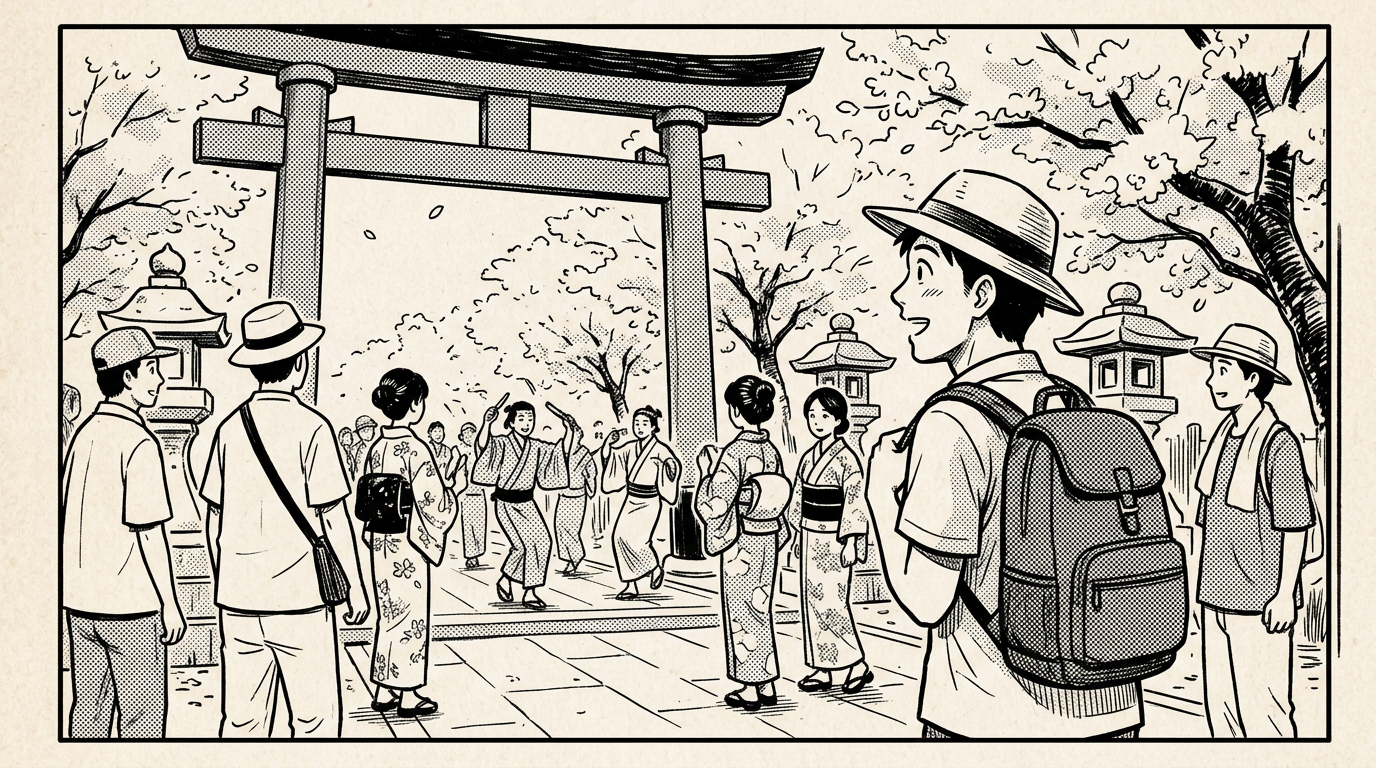
Japan is renowned for its vibrant seasonal celebrations, but many tourists miss out on authentic local experiences by focusing only on major attractions. This article explores lesser-known seasonal events that offer deeper cultural immersion and unique memories.
Winter Wonders: Hidden Seasonal Gems
- Yuki Matsuri (Snow Festivals) in lesser-known locations
- Hot springs (onsen) experiences during winter
- New Year traditions (Shogatsu) beyond the celebrations
Sapporo Snow Festival Alternatives
While the Sapporo Snow Festival draws massive crowds, Japan’s northern regions host numerous smaller snow festivals that offer equally stunning ice sculptures without the overwhelming tourism. In Aomori, the Nebuta Festival features enormous illuminated floats depicting historical and mythical figures, paraded through the streets. In Akita, the Kamakura Festival showcases beautiful snow huts illuminated from within, creating a magical winter wonderland. These alternatives provide intimate experiences where visitors can interact with local artists and even participate in snow sculpture workshops.
Regional Hot Spring Festivals
Winter is the perfect season to experience Japan’s onsen culture, especially during regional hot spring festivals. In Beppu, known as Japan’s hot spring capital, the Onsen Matsuri celebrates the healing properties of thermal waters with special outdoor baths and traditional performances. In Kinosaki, the town’s seven public onsens host winter events where visitors can enjoy snow views while soaking. These festivals often include seasonal delicacies cooked in hot spring water and opportunities to experience traditional yukata robes in a snowy setting.
First Shrine Visits (Hatsumode)
While many tourists flock to major shrines for New Year’s Hatsumode, local neighborhood temples offer equally meaningful experiences with far fewer crowds. In rural areas, you’ll find centuries-old traditions like writing wishes on ema (wooden plaques) and receiving personal blessings from local priests. Many smaller communities hold special Hatsumode events with local performances, traditional games, and special foods that reflect regional culinary traditions.
Spring Spectacles: Beyond Cherry Blossoms
- Golden Week alternatives to crowded tourist spots
- Local spring festivals (matsuri) in rural areas
- Agricultural celebrations and planting festivals
Lesser-known Hanami spots
While cherry blossoms draw crowds to famous spots like Tokyo’s Ueno Park and Kyoto’s Philosopher’s Path, Japan offers countless hidden hanami locations. In rural Okayama, the Kakurien Garden offers a tranquil cherry blossom experience along the Yoshii River. In Fukushima, the Hanamiyama Park features over 3,000 cherry trees arranged in terraced hills with panoramic views. These lesser-known spots allow for peaceful hanami experiences with locals, often including traditional performances and seasonal foods served directly under the blooming trees.
Rural Spring Festivals
Spring brings vibrant local festivals that reflect regional identities and agricultural cycles. In Takayama, the Spring Yayoi Festival features elaborate floats and traditional music performances that have been preserved for centuries. In Shizuoka, the Gotenba Festival celebrates the region’s volcanic heritage with unique fire rituals. These rural matsuri provide opportunities to witness intangible cultural heritage passed down through generations, often with hands-on participation in traditional crafts and customs.
Rice Planting Ceremonies
Throughout rural Japan, spring is marked by rice planting ceremonies that connect communities to their agricultural heritage. In Nara, the Isonokami Shrine hosts the Ta-asobi ritual where prayers are offered for bountiful harvests through traditional dance and song. In Miyagi, the Osato Rice Planting Festival invites visitors to participate in planting rice seedlings alongside local farmers, learning traditional techniques. These ceremonies offer insights into Japan’s deep connection to rice cultivation, which has shaped Japanese culture for millennia.
Autumn Treasures: Foliage and Festivals
- Moon-viewing (tsukimi) traditions
- Regional harvest festivals
- Autumn illuminations beyond major cities
Moon-viewing Ceremonies
While many tourists experience modern moon-viewing events, traditional tsukimi ceremonies offer deeper cultural immersion. In Kyoto, the Kameyama area hosts a historic tsukimi where locals gather to appreciate the harvest moon while eating tsukimi-dango (moon-viewing rice dumplings) and displaying susuki (pampas grass). In Okayama, the Korakuen Garden offers special evening viewings where participants can enjoy the moon’s reflection over the landscape. These ceremonies often include poetry readings, traditional music performances, and seasonal foods that celebrate the autumn harvest.
Aki Matsuri (Autumn Festivals)
Autumn brings numerous regional harvest festivals that showcase local traditions and agricultural bounty. In Yamagata, the Kanto Festival features towering bamboo poles decorated with paper lanterns, balanced and manipulated by skilled performers. In Akita, the Kanto Festival showcases similar impressive displays but with unique regional variations. These autumn festivals often include traditional dance performances, local food stalls, and community parades that celebrate the harvest season and give thanks for nature’s abundance.
Local Illumination Events
Beyond major cities like Tokyo and Osaka, Japan’s rural areas host spectacular autumn illuminations that showcase seasonal foliage in magical settings. In Niigata, the Echigo-Tsumari Art Field features light installations that blend with natural landscapes during the autumn season. In Gifu, the Shirakawa-go village illuminates its traditional gassho-zukuri farmhouses, creating a breathtaking display against autumn colors. These local illumination events often incorporate traditional Japanese lighting techniques and contemporary art installations, offering intimate experiences away from the crowds of major urban displays.
Conclusion
By seeking out these lesser-known seasonal events, travelers can move beyond typical tourist experiences and connect with Japan’s rich cultural heritage. These hidden gems offer authentic insights into local traditions, seasonal rhythms, and community celebrations that remain largely untouched by mass tourism. Whether participating in a rice planting ceremony, experiencing a regional hot spring festival, or enjoying a quiet hanami spot, these seasonal experiences reveal the depth and diversity of Japan’s cultural tapestry. The memories created through these authentic encounters often become the most treasured aspects of a journey to Japan, offering a genuine connection to the country’s living traditions.