
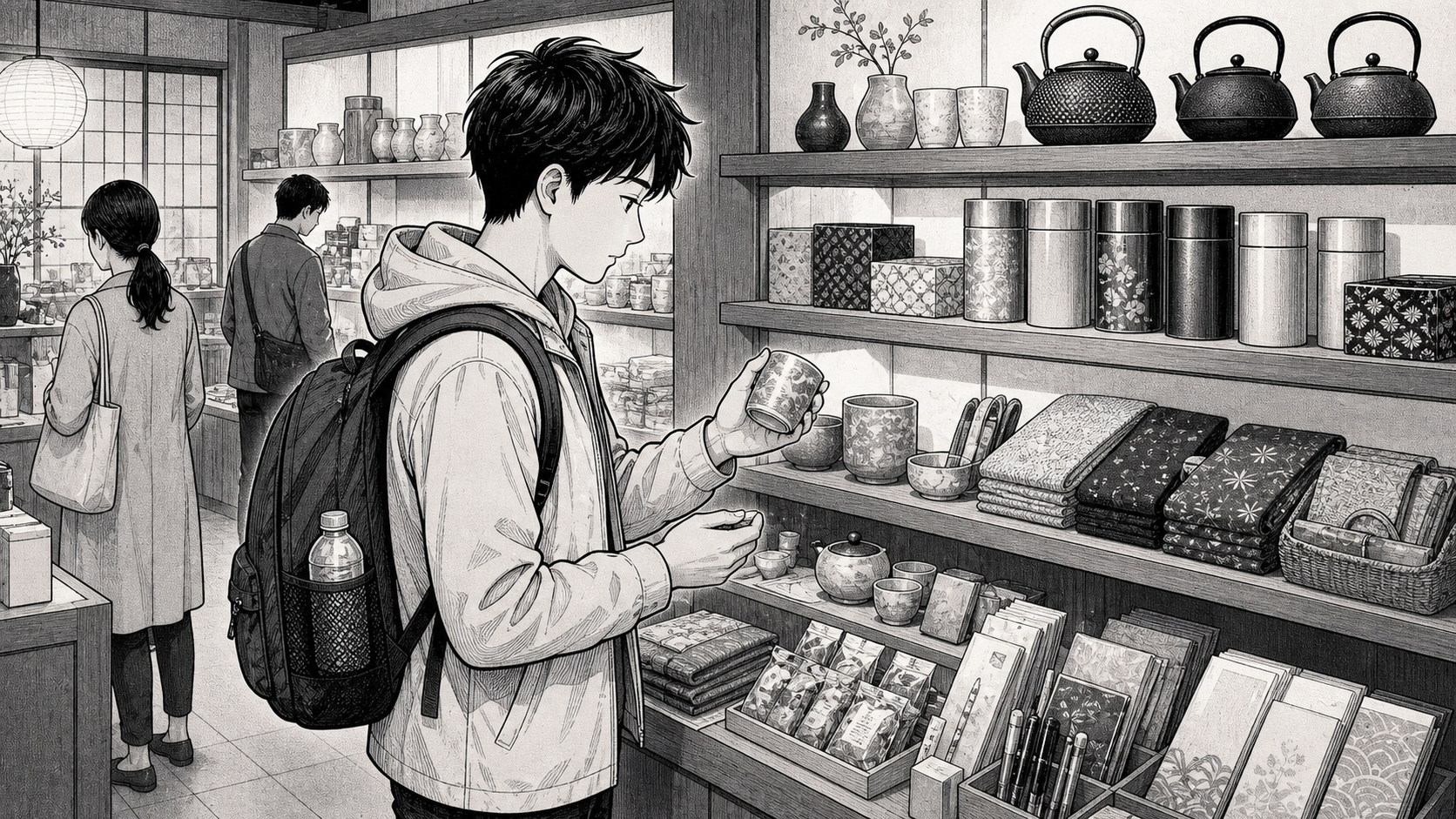
Best Souvenirs to Buy in Japan (That Aren’t Cheesy)
Japan offers an incredible array of souvenirs that capture its rich culture, craftsmanship, and attention to detail. This guide focuses on authentic, high-quality items that avoid touristy clichés, helping you bring home meaningful mementos that truly represent Japan’s unique heritage and contemporary creativity.
When selecting souvenirs in Japan, consider these quick tips: prioritize quality over quantity, choose items that reflect your personal experience, and support local artisans and businesses. The best souvenirs tell a story about Japan’s past, present, and future while serving as lasting reminders of your journey.
Traditional Japanese Crafts
Traditional Japanese crafts represent centuries of cultural heritage and meticulous craftsmanship. These items often combine functionality with artistic beauty, making them both practical and meaningful keepsakes. When purchasing traditional crafts, look for authentic pieces that showcase regional techniques and materials.
Pottery and Ceramics
Japanese pottery represents some of the finest ceramic artistry in the world. Each region has distinctive styles based on local clay traditions and glazing techniques. When shopping for ceramics:
- Visit pottery towns like Arita (Imari porcelain), Mashiko (folk pottery), or Bizen (unglazed stoneware)
- Look for pieces that reflect local aesthetics rather than generic designs
- Consider functional items like yunomi tea cups, donabe cooking pots, or choprests
- Ask about the artisan and the region to understand the piece’s significance
Be aware that prices vary significantly based on the artist’s reputation, the piece’s complexity, and the region. Department stores like Takashimaya and Mitsukoshi offer quality ceramics with authenticity guarantees, while local pottery shops may provide more unique pieces directly from the artisans.
Textiles and Fabrics
Japanese textiles tell stories of tradition and artistry through techniques passed down for generations. When selecting textile souvenirs:
- Consider versatile items like tenugui cotton hand towels or furoshiki wrapping cloths
- Look for kimono fabrics repurposed into accessories like bags, wallets, or wall hangings
- Explore Nishijin-ori brocade from Kyoto for luxury items
- Indigo-dyed goods showcase Japan’s mastery of this traditional dyeing method
Be cautious when purchasing textiles labeled as “kimono” – verify if they’re actual vintage kimono or newly made items. Authentic vintage kimono can be expensive but represent true cultural heritage. Department store textile departments and specialized shops in areas like Nishijin in Kyoto offer reliable options with clear information about the products.
Lacquerware
Japanese lacquerware, known as shikki, represents the pinnacle of decorative craftsmanship. These items feature layers of lacquer applied over wooden bases, creating stunning and durable pieces. When selecting lacquerware:
- Look for items that showcase various techniques like maki-e (sprinkled gold powder) or raden (mother-of-pearl inlay)
- Consider practical items like bento boxes, trays, or chopsticks that can be used daily
- Wajima lacquerware from Ishikawa Prefecture is particularly renowned for its durability
- Check for proper craftsmanship – authentic lacquerware has a deep, lustrous finish
Authentic lacquerware can be quite expensive, so consider smaller items like chopsticks or decorative boxes if working with a limited budget. Be aware that prices vary significantly based on the complexity of the design and the reputation of the maker. Department stores and specialized lacquerware shops offer authenticity guarantees, while markets may have more affordable but potentially less authentic options.
Food and Drink Souvenirs
Japanese culinary traditions offer some of the most authentic and enjoyable souvenirs. These edible items reflect regional specialties and seasonal ingredients, allowing you to share a taste of Japan with friends and family back home.
Tea and Matcha Products
Japan’s tea culture provides numerous authentic souvenirs beyond just tea leaves. When selecting tea products:
- Consider high-quality matcha powder from Uji, Kyoto, or Shizuoka, known for superior cultivation
- Explore tea-infused products like matcha chocolate, cookies, or beauty items
- Sencha green tea in beautifully tins makes an excellent gift
- Tea ceremony accessories like a bamboo whisk (chasen) or tea scoop (chashaku) provide deeper cultural connection
When purchasing tea, check the packaging for information about origin and harvest date. Matcha quality varies significantly, with ceremonial grade being the highest quality. Department store food sections, specialty tea shops, and tea plantations offer authentic options. Be aware that tea prices can range from affordable to quite expensive depending on quality and origin.
Sweets and Snacks
Japanese confections, known as wagashi, offer edible art that reflects seasonal beauty. When selecting sweets and snacks:
- Look for individually wrapped items like mochi, manju, or dorayaki that make perfect gifts
- Regional specialties include Kyoto’s yatsuhashi (cinnamon-filled pastries) and Hokkaido’s famous cookies
- Savory options include seaweed snacks, rice crackers, or artisanal salts flavored with yuzu or cherry blossoms
- High-quality matcha Kit Kats and other innovative Japanese snacks make conversation-starting souvenirs
When purchasing sweets, check expiration dates and consider shelf life, especially if you won’t be consuming them immediately. Most Japanese snacks have relatively short shelf lives compared to Western packaged goods. Department store food floors, specialty shops, and convenience stores offer quality options. Be aware that prices for premium wagashi can be higher than mass-produced snacks.
Sake and Other Beverages
Japan’s beverage culture provides excellent souvenir options that capture local terroir. When selecting beverages:
- Look for smaller craft sake bottles rather than mass-produced versions
- Consider Japanese whiskies, shochu, or umeshu (plum wine) from specific regions
- Explore local craft beers or traditional sodas in distinctive packaging
Unique beverages like roasted barley tea (mugicha) or yuzu juice make excellent gifts
When purchasing sake, note that it’s subject to alcohol import restrictions in many countries. Check your home country’s customs regulations before buying. Department store liquor sections, specialty sake shops, and beverage stores offer authentic options. Prices vary significantly based on the brand, age, and rarity of the product.
Modern and Pop Culture Items
Japan excels at blending traditional aesthetics with contemporary design, creating modern items that showcase Japanese innovation and design excellence. These items often represent Japan’s influence on global pop culture while maintaining authentic Japanese sensibilities.
Stationery and Writing Instruments
Japanese stationery is renowned for its quality, design, and attention to detail. When selecting stationery:
- Consider high-quality pens from brands like Pilot or Sailor known for their smooth writing
- Notebooks with washi paper covers or washi tape in beautiful patterns make versatile gifts
- Calligraphy sets with brushes and sumi ink appeal to art enthusiasts
- Design-forward items like memo cubes with traditional patterns reflect Japanese design sensibility
Stationery is widely available in Japan, from department stores to stationery shops and even convenience stores. Prices range from affordable to premium depending on the brand and materials. Be aware that some specialty stationery items may be more expensive abroad, making them excellent souvenirs. Areas like Tokyo’s stationery districts (e.g., Kappabashi) offer extensive selections.
Anime and Manga Merchandise
Japan’s anime and manga culture has global influence, and authentic merchandise goes beyond mass-produced items. When selecting anime merchandise:
- Look for limited edition art books or high-quality figurines from specialty shops
- Studio Ghibli offers beautifully designed merchandise that celebrates their films
- Vintage anime goods from second-hand shops in districts like Akihabara or Nipponbashi provide unique finds
- Items that showcase Japanese animation’s artistic merit make meaningful souvenirs
When purchasing anime merchandise, be aware of copyright issues and authenticity. Official merchandise from dedicated stores or the studios themselves is generally reliable. Prices vary widely depending on the item’s rarity and licensing. Be cautious of extremely cheap knock-offs, especially in tourist areas. Specialty shops in districts like Akihabara in Tokyo or Nipponbashi in Osaka offer authentic merchandise with knowledgeable staff.
Tech Accessories
Japan excels at merging technology with thoughtful design, creating tech accessories that are both functional and aesthetically pleasing. When selecting tech accessories:
- Consider high-quality headphones from Japanese brands known for sound quality
- Compact power strips with Japanese plug designs solve practical travel needs
- Beautifully crafted phone cases combine protection with aesthetic appeal
- Unique gadgets like designer cable organizers or minimalist laptop sleeves reflect Japanese design principles
Tech accessories are widely available in electronics stores and department stores throughout Japan. Prices range from affordable to premium depending on the brand and features. Be aware that some Japanese tech products may have different voltage requirements or plug types than your home country, so verify compatibility before purchasing. Areas like Akihabara in Tokyo or Den Den Town in Osaka offer extensive selections of tech accessories.
Where to Shop for Souvenirs
Japan offers diverse shopping experiences for souvenir hunters, from traditional markets to modern department stores. Knowing where to shop can help you find authentic items while avoiding tourist traps.
<
h3>Department Stores
Department stores like Takashimaya, Mitsukoshi, and Isetan offer excellent souvenir shopping with guaranteed authenticity. Their basement food halls (depachika) showcase premium food items, while dedicated craft sections feature traditional items with clear information about origins and makers. These stores provide English assistance and accept various payment methods, making them convenient for international tourists.
Specialty Shops
Specialty shops offer authentic items directly from artisans or experts in specific fields. Look for pottery shops in traditional pottery towns, textile shops in Nishijin, or anime shops in districts like Akihabara. These shops often provide detailed information about products and their cultural significance. While prices may be higher than mass-produced items, the quality and authenticity justify the cost for meaningful souvenirs.
Traditional Markets
Traditional markets like Tokyo’s Ameya Yokocho or Kyoto’s Nishiki Market offer vibrant shopping experiences with local specialties. These markets provide opportunities to interact directly with vendors and discover unique items. When shopping at markets, be prepared to bargain politely for non-fixed-price items, and verify product quality before purchasing. Markets are excellent for food items, small crafts, and everyday items that reflect local life.
Shopping Districts
Major cities have dedicated shopping districts specializing in different types of souvenirs. Tokyo’s Ginza offers luxury items, while Shibuya and Harajuku cater to fashion and pop culture. Kyoto’s Shinkyogoku Street features traditional crafts, and Osaka’s Shinsaibashi provides diverse shopping options. Research districts that match your interests to make the most of your shopping time.
What to Avoid When Shopping
Being aware of common pitfalls can help you make informed purchasing decisions and avoid disappointment with your souvenirs.
Tourist Traps
Areas with high tourist traffic often feature shops selling generic, mass-produced items at inflated prices. Be cautious of shops with aggressive sales tactics or items that seem too cheap to be authentic. Research typical prices for items you’re interested in before making purchases. Authentic traditional crafts typically have higher price points reflecting the time and skill required to create them.
Counterfeit Items
Japan generally has strict anti-counterfeiting laws, but some counterfeit items still appear, particularly in tourist areas. Be wary of luxury brand items sold at suspiciously low prices. When purchasing branded items, buy from authorized retailers. For traditional crafts, look for signs of quality craftsmanship and ask about the artisan or manufacturer.
Restricted Items
Some items may have restrictions for export or import in your home country. Fresh food products, plants, and certain animal products may face customs restrictions. Research your home country’s customs regulations before purchasing potentially restricted items. When in doubt, choose packaged goods with clear ingredient lists and manufacturing information.
Budget Considerations
Souvenir prices in Japan vary widely depending on the type of item, quality, and location. Setting a budget can help prioritize purchases and avoid overspending.
Price Ranges
Basic souvenirs like snacks, small stationery items, or keychains typically range from ¥500 to ¥3,000. Mid-range items like quality tea sets, small crafts, or designer accessories generally cost ¥3,000 to ¥10,000. Premium items like authentic pottery, high-quality textiles, or luxury tech accessories can range from ¥10,000 to ¥50,000 or more. Remember that authentic traditional crafts often command higher prices due to the skill and materials involved.
Value vs. Price
The most expensive item isn’t necessarily the best value. Consider the item’s quality, authenticity, and personal significance when determining value. Sometimes smaller, less expensive items can be more meaningful than larger, pricier ones. Focus on items that genuinely represent your experience in Japan rather than expensive status symbols.
Distribution of Budget
Consider allocating your souvenir budget across different categories. You might spend more on a centerpiece item like a piece of pottery or quality tea set, while selecting smaller, more affordable items for gifts for multiple people. This approach allows you to bring home a diverse collection of meaningful souvenirs without overspending on any single item.
Shipping and Customs Considerations
Transporting your souvenirs home requires planning, especially for fragile or restricted items.
Shipping Options
Japan offers various shipping options for souvenirs. Postal services (Japan Post) provide domestic and international shipping with different speed and cost options. Private courier services like FedEx or DHL offer faster delivery at higher prices. Some shops offer direct shipping services, which can be convenient for bulky items. When shipping fragile items like ceramics or glassware, request appropriate packaging and insurance.
Customs Regulations
Each country has specific customs regulations regarding imported goods. Research your home country’s restrictions on food items, plants, and other potentially regulated products. Be prepared to declare certain items and pay any applicable duties. Keep receipts for valuable purchases to verify the items’ value if needed for customs purposes.
Packing Considerations
When packing souvenirs in your luggage, consider weight restrictions and potential damage. Wrap fragile items carefully using available materials or purchase protective packaging. Space-saving items like flat textiles or compact stationery are ideal for luggage. For liquids or food items, check airline regulations regarding carry-on and checked baggage.
Souvenir Shopping Checklist
Use this checklist to ensure a successful souvenir shopping experience in Japan:
- Research items of interest before your trip
- Set a realistic budget for souvenirs
- Identify authentic shopping areas in each city you visit
- Learn basic Japanese phrases for shopping
- Check customs regulations for your home country
- Consider shipping options for bulky or fragile items
- Verify product quality and authenticity before purchasing
- Keep receipts and documentation for valuable items
- Pack souvenirs carefully to prevent damage during transit
- Focus on items that genuinely reflect your experience in Japan
By following this guide, you’ll be able to select meaningful, high-quality souvenirs that capture the essence of Japan without falling into tourist traps. The best souvenirs become treasured reminders of your journey through this fascinating country, connecting you to its rich culture and traditions long after you return home.