
Tokyo, a vibrant metropolis blending ultramodern and traditional elements, offers diverse neighborhoods catering to various traveler preferences. This article explores the best areas to stay in Tokyo, considering factors like accessibility, attractions, and atmosphere to help you choose the perfect base for your Japanese adventure.
Shinjuku: The Bustling Urban Hub
- Excellent transport connections to the rest of Tokyo
- Vibrant nightlife with countless bars and restaurants
- Mix of business, shopping, and entertainment districts
Business and shopping districts
Shinjuku is Tokyo’s premier business district, dominated by the towering skyscrapers of Nishi-Shinjuku. Here you’ll find the headquarters of major corporations, including the iconic Tokyo Metropolitan Government Building with its free observation decks offering panoramic views of the city. The area boasts several major shopping complexes like Lumine EST, Shinjuku Isetan, and Takashimaya Times Square, featuring everything from high-end fashion to everyday goods. Don’t miss the bustling streets of Omoide Yokocho (Memory Lane), where narrow alleys are lined with tiny izakayas serving traditional fare in a nostalgic atmosphere.
Entertainment and nightlife
When the sun sets, Shinjuku transforms into one of Tokyo’s most exciting entertainment districts. Golden Gai is a network of six narrow alleys crammed with over 200 tiny bars, many seating just five customers at a time. Nearby, Kabukicho offers a mix of theaters, restaurants, and entertainment venues. For a unique experience, visit the Robot Restaurant for an over-the-top show combining robots, lasers, and dancers. Shinjuku also features numerous live music venues, from jazz clubs in the Golden Gai area to larger concert halls hosting both Japanese and international artists.
Accommodation options for all budgets
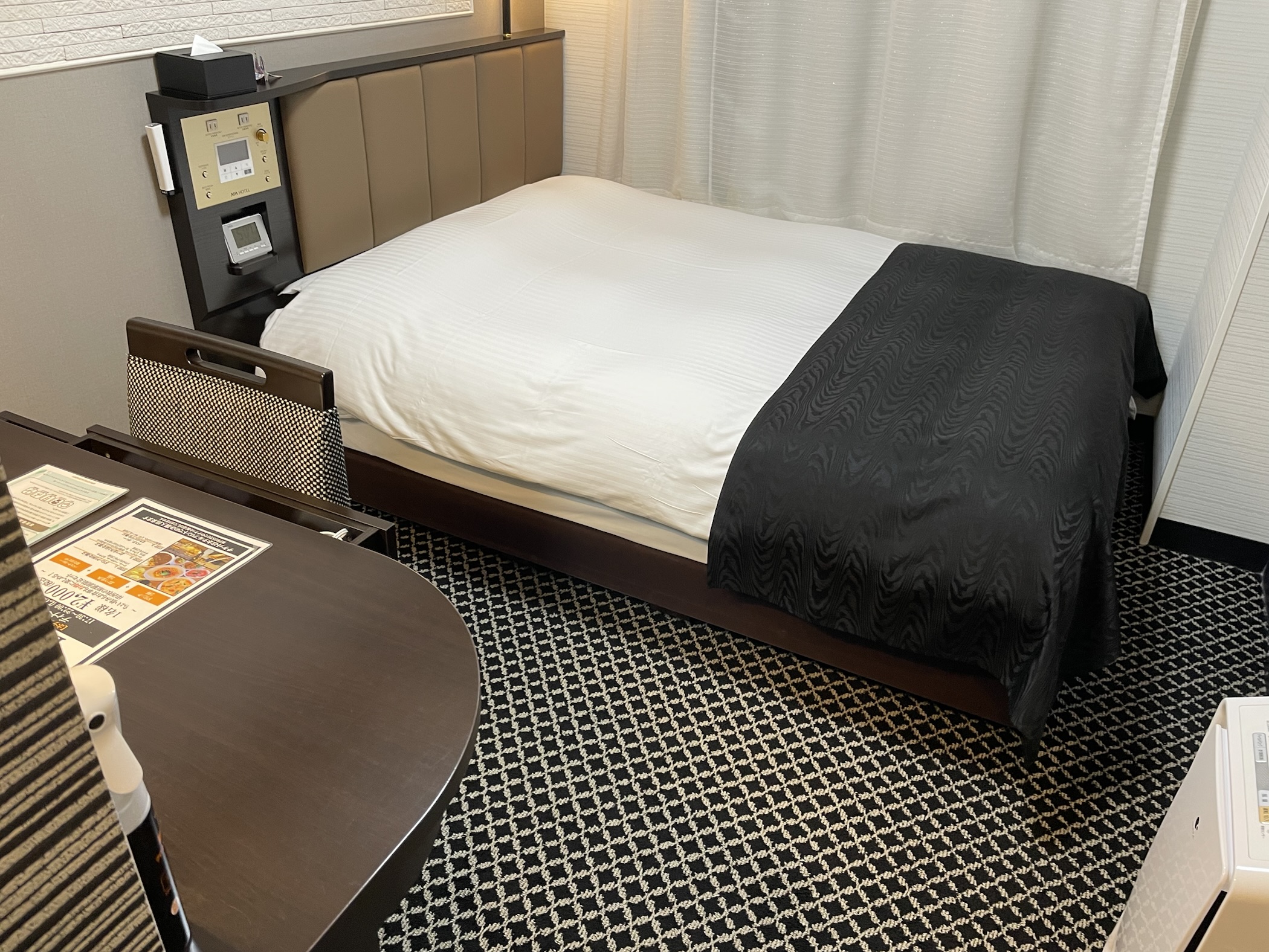
Shinjuku offers accommodation options to suit every traveler’s budget and style. Luxury seekers can choose from world-class hotels like Park Hyatt Tokyo (famous for its appearance in “Lost in Translation”) or the five-star Century Southern Tower. Mid-range travelers will find numerous business hotels and boutique options like the Shinjuku Washington Hotel. Budget-conscious visitors can explore the many hostels and capsule hotels, with the unique First Cabin offering capsule accommodations resembling airplane first-class seats. Many hotels provide easy access to Shinjuku Station, making it convenient for exploring other parts of Tokyo.
Shibuya: The Youthful Energy Center
- Home to the famous Shibuya Crossing
- Trendy shopping and dining scene
- Convenient location for exploring multiple areas
Shopping districts from luxury to quirky
Shibuya is synonymous with cutting-edge fashion and youth culture. The area features numerous department stores like Shibuya 109, which focuses on trendy fashion for young women, and Shibuya Hikarie, a modern complex housing boutiques, restaurants, and theaters. For unique fashion items, explore the side streets around Center Gai, where you’ll find vintage shops, second-hand stores, and independent designer boutiques. Don’t miss Shibuya Parco, which combines fashion, art, and entertainment with a focus on contemporary culture. The area also offers numerous character goods stores, anime shops, and manga cafes, perfect for pop culture enthusiasts.
Food scene from street food to fine dining
Shibuya’s dining scene caters to every palate and budget. For quick bites, explore the numerous ramen shops like Ichiran for customizable solo dining or Menya Musashi for rich tonkotsu ramen. The area also offers excellent conveyor belt sushi, tempura specialists, and izakayas serving Japanese comfort food. International options abound, with restaurants featuring cuisines from around the world. For a unique experience, try the themed cafes that Tokyo is famous for, from animal cafes to maid cafes. For fine dining, several establishments offer meticulously prepared kaiseki meals and innovative Japanese cuisine. The food halls in department stores provide excellent options for sampling various dishes in one location.
Nightlife and entertainment options
As night falls, Shibuya comes alive with endless entertainment possibilities. The area features numerous clubs catering to different musical tastes, from mainstream pop to underground electronic music. Live music venues like Club Quattro and O-EAST host both Japanese and international bands. For a more relaxed evening, the many bars and lounges offer everything from craft cocktails to beer gardens. Don’t miss the unique experience of karaoke, which is a popular social activity in Japan. Shibuya also has several cinemas, including the large Toho Cinemas complex showing the latest Japanese and international films. The area’s energetic atmosphere continues late into the night, with many establishments staying open until the early morning hours.
Ginza: The Sophisticated Luxury District
- Upscale shopping with flagship stores
- World-class dining experiences
- Cultural attractions and art galleries
Luxury shopping destinations
Ginza is Tokyo’s premier luxury shopping district, home to flagship stores of the world’s most prestigious brands. The iconic Mitsukoshi and Wako department stores offer exquisite luxury goods, while the Ginza Six complex combines high-end shopping with art and dining. Chuo Dori, the main thoroughfare, is closed to traffic on weekends and Sundays, becoming a pedestrian paradise for shopping and browsing. The area features flagship stores from fashion houses like Chanel, Dior, and Louis Vuitton, as well as luxury Japanese brands like Uniqlo’s premium line and Mikimoto for pearls. For unique items, explore the artisanal shops specializing in traditional Japanese crafts and contemporary design. Ginza is also home to several multi-story bookstores, including the impressive Kinokuniya, where you can find books, magazines, and stationery from around the world.
Art and cultural attractions
Beyond shopping, Ginza offers rich cultural experiences. The district is home to numerous art galleries, including the Mori Arts Center Gallery and the Ginza Graphic Gallery, showcasing contemporary and design-focused exhibitions. The historic Kabuki-za Theater, though currently under renovation, represents the pinnacle of traditional Japanese theater and is worth visiting when performances resume. For art enthusiasts, the Tokyo Station Gallery features rotating exhibitions focused on Japanese art and design. The district also houses several smaller museums like the Nikon Gallery and the Sumida Hokusai Museum, dedicated to the famous ukiyo-e artist. Don’t miss the chance to experience a traditional tea ceremony at one of the cultural centers or tea houses tucked away in the side streets of Ginza.
Fine dining experiences
Ginza is arguably Tokyo’s most prestigious dining destination, home to numerous Michelin-starred restaurants and establishments with century-long histories. The area offers everything from exquisite kaiseki (traditional multi-course Japanese meals) to French, Italian, and other international cuisines prepared at the highest level. For a unique experience, visit one of the long-standing restaurants like Ginza Kyubey, famous for its sushi, or the historic Sobuya for handmade soba noodles. Many restaurants feature private dining rooms, making them ideal for special occasions. Don’t miss the chance to explore the basement food halls (depachika) of department stores, where you can sample gourmet foods, sweets, and beverages. For a luxurious afternoon, visit one of Ginza’s many patisseries or the elegant cafes that have been serving patrons for decades.
Asakusa: The Traditional Japanese Experience
- Historic atmosphere with traditional temples
- More affordable accommodation options
- Authentic Japanese crafts and cuisine
Senso-ji Temple and Nakamise-dori
Asakusa is home to Tokyo’s oldest temple, Senso-ji, which dates back to 645 AD. The temple’s iconic Thunder Gate (Kaminarimon) features a giant red lantern and serves as the entrance to the temple grounds. Following the Nakamise-dori approach, a bustling street lined with traditional shops selling souvenirs, snacks, and religious items, leads to the main hall. The temple complex includes several buildings, including the main hall (hondo) and a five-story pagoda, though the current structures are modern reconstructions after WWII. The temple grounds feature beautiful gardens and smaller shrines, providing a peaceful escape from the city bustle. Don’t miss the opportunity to try traditional Japanese fortune telling (omikuji) and purchase omamori (protective charms) at the temple’s shops.
Traditional crafts and souvenirs
The area surrounding Senso-ji is a treasure trove of traditional Japanese crafts and souvenirs. Nakamise-dori offers everything from classic items like folding fans (sensu), yukata (light kimonos), and traditional sweets to unique local specialties. For those interested in traditional crafts, several shops specialize in Edo-era products like handcrafted Kokeshi dolls, ceramics, and textiles. The area is also known for its ningyo (traditional dolls) and ukiyo-e woodblock prints. For food enthusiasts, numerous shops sell traditional Japanese snacks, including the famous amezushi (vinegar rice with toppings wrapped in bamboo leaves) and ningyo-yaki (small cakes filled with sweet red bean paste shaped like dolls). Many shops offer demonstrations of traditional crafts, providing insight into Japanese artisanal techniques.
Budget-friendly accommodations and dining
Asakusa offers some of Tokyo’s most budget-friendly accommodation options without sacrificing authenticity. Traditional ryokans (Japanese inns) provide an immersive cultural experience with tatami-matted rooms, futon bedding, and often complimentary breakfast. For travelers on a tighter budget, the area offers numerous hostels and business hotels, many with traditional Japanese elements. Several affordable minshuku (family-run guesthouses) provide a more personal experience of Japanese hospitality. When it comes to dining, Asakusa excels at affordable traditional Japanese cuisine. Try the local specialties at restaurants serving tempura, soba noodles, or unagi (grilled freshwater eel). For a quick bite, explore the food stalls near Senso-ji offering items like takoyaki (octopus balls) and taiyaki (fish-shaped pastries filled with sweet red bean paste). Many restaurants offer set meals at reasonable prices, making it easy to experience traditional Japanese dining without breaking the bank.
Conclusion
Tokyo offers diverse neighborhoods catering to different travel styles and preferences. Whether you seek the energetic nightlife of Shinjuku, the trendy vibe of Shibuya, the luxury of Ginza, or the traditional charm of Asakusa, each area provides a unique base for exploring this magnificent city. Consider your priorities and budget when choosing, and remember that Tokyo’s efficient public transportation makes it easy to experience multiple neighborhoods during your stay.